
Kilimanjaro Climb Packing Lists
Kilimanjaro Climb Packing Lists
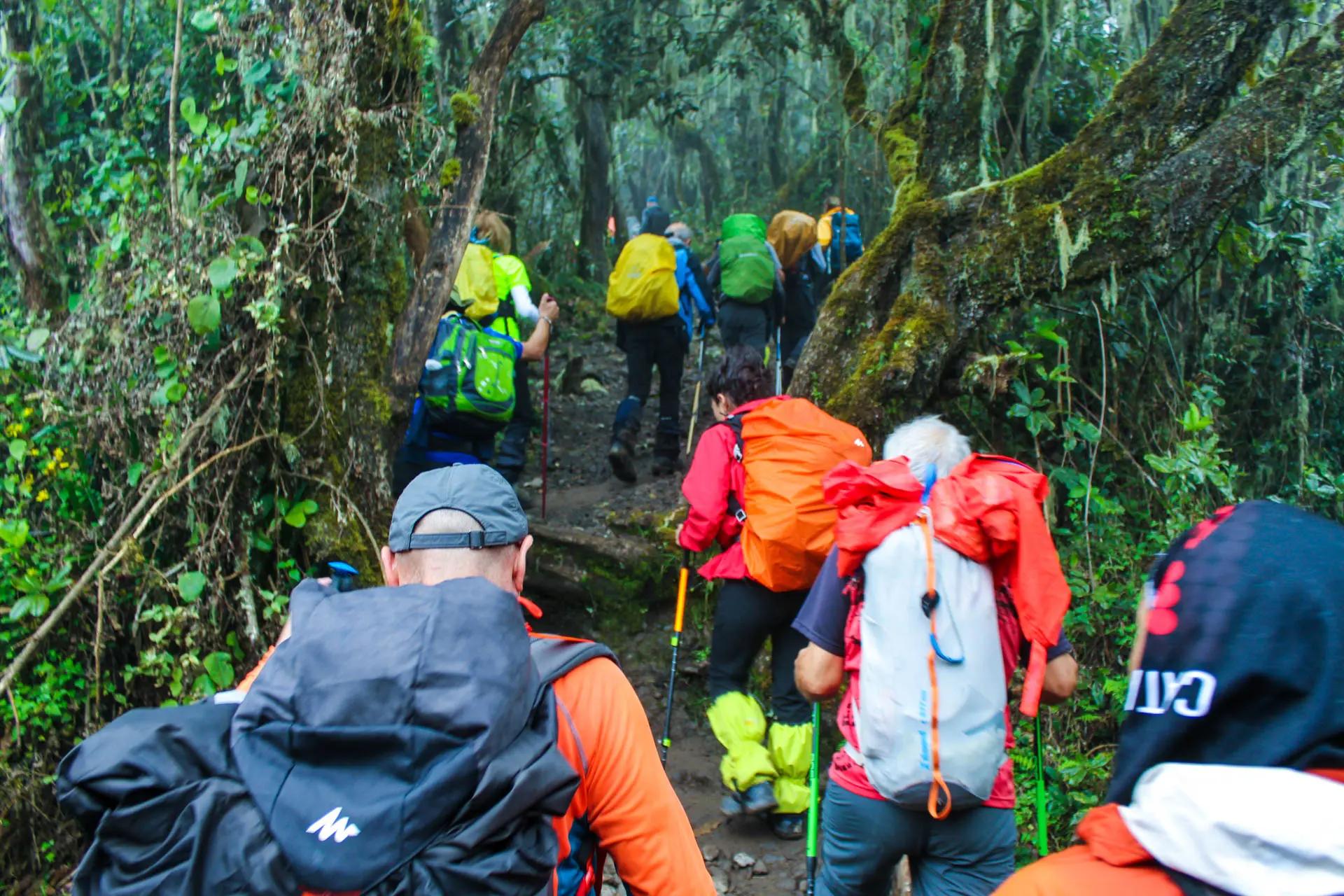
Pack for warm trails, rain, wind and cold summit conditions. The simplest approach is to wear layers you can add or remove during the day. Keep your rain shell, water, snacks and spare warm layer in your daypack.
Use the sections below as your checklist. Check the equipment included in your booking, the porter weight limit and any rental options before buying gear. Marangu uses mountain huts; most other routes use tents, so confirm the sleeping equipment required for your own itinerary.
Kilimanjaro Documents and personal essentials
Keep documents and essential medication in your hand luggage when flying and in your personal daypack during transfers. Save important information on your phone and keep a backup that you can access without mobile data.
- Passport and entry documents — Check the current rules for your nationality.
- Travel insurance information — Confirm high-altitude trekking and evacuation cover.
- Climb booking and flight confirmations — Keep offline copies.
- Cash and payment card — For personal expenses and tips.
- Prescription medicines — Bring enough for the whole trip in original packaging.

Kilimanjaro Clothing and weather layers
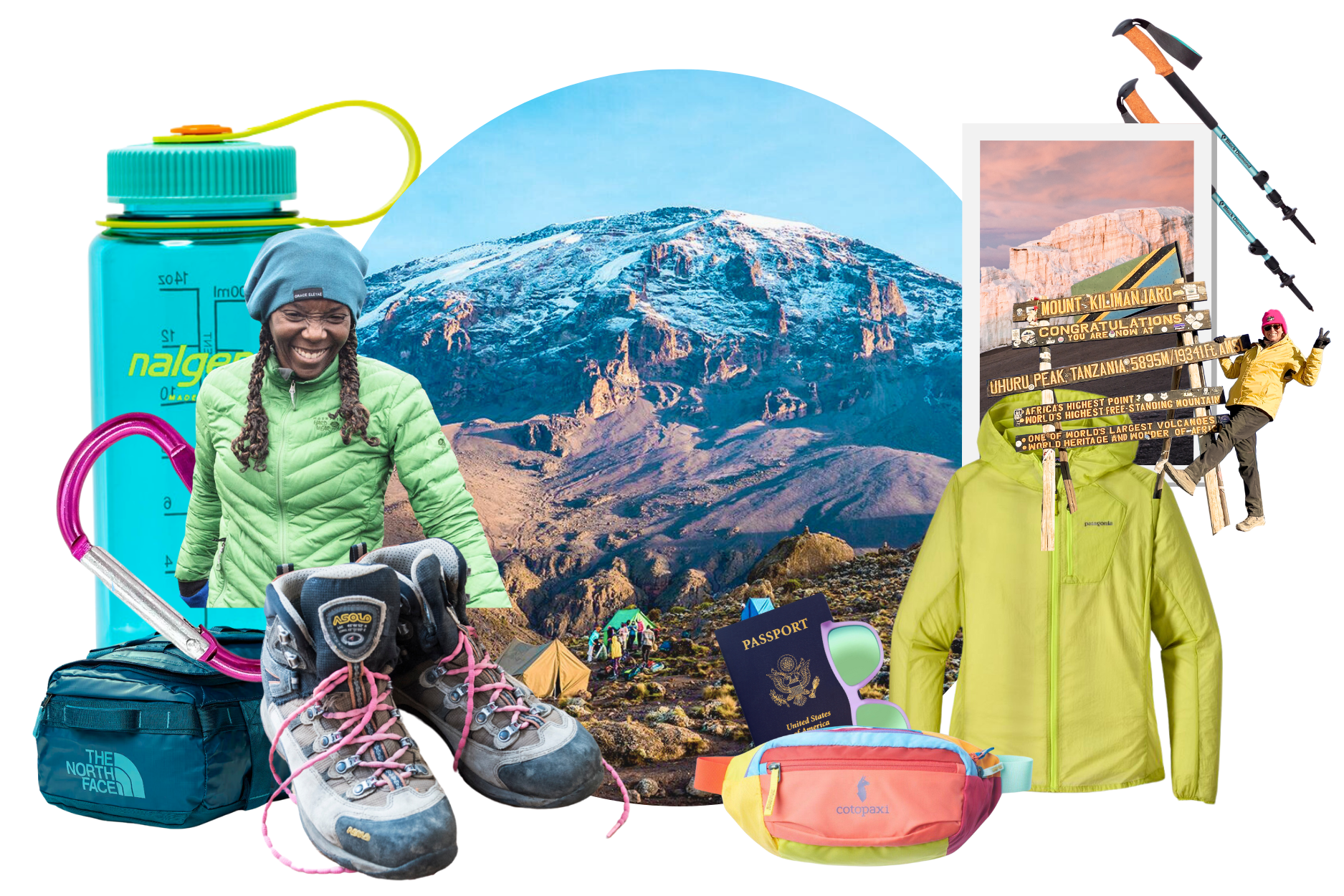
Think in three layers: a light layer next to your skin, a warm layer to trap heat, and a waterproof outer layer. Cotton dries slowly; quick-drying wool or synthetic fabrics make changes in weather easier to manage. Test your full summit outfit together before departure.
- Moisture-wicking base layers — Bring two or three tops and one or two thermal bottoms.
- Fleece or warm mid-layer — Choose layers that are easy to add and remove.
- Insulated jacket — For chilly camps and summit night.
- Waterproof jacket and trousers — Protect against rain and wind.
- Trekking shirts and trousers — Lightweight, quick-drying fabrics work well.
- Sun hat and warm hat — Prepare for both strong sun and freezing temperatures.
- Liner gloves and warm waterproof gloves — The warmer pair is especially important for summit night.
- Underwear — Pack enough for your itinerary.
Kilimanjaro Footwear and socks
Your boots should feel comfortable downhill as well as uphill, with enough room for warm socks. Wear them during training walks; summit day is the wrong time to discover a pressure point. Keep one dry pair of socks reserved for colder hours.
- Broken-in waterproof hiking boots — Test them on long walks before departure.
- Hiking socks — Bring several pairs plus a warm pair for summit night.
- Camp shoes or sandals — For resting after the day’s walk.
- Gaiters — Optional protection from mud, dust or snow.
Kilimanjaro Bags and sleeping gear
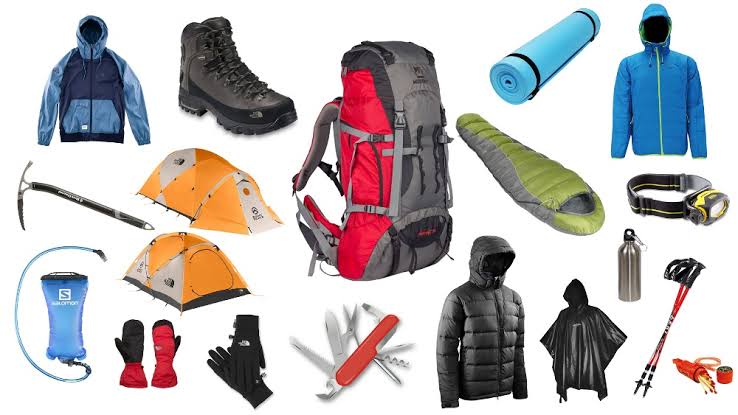
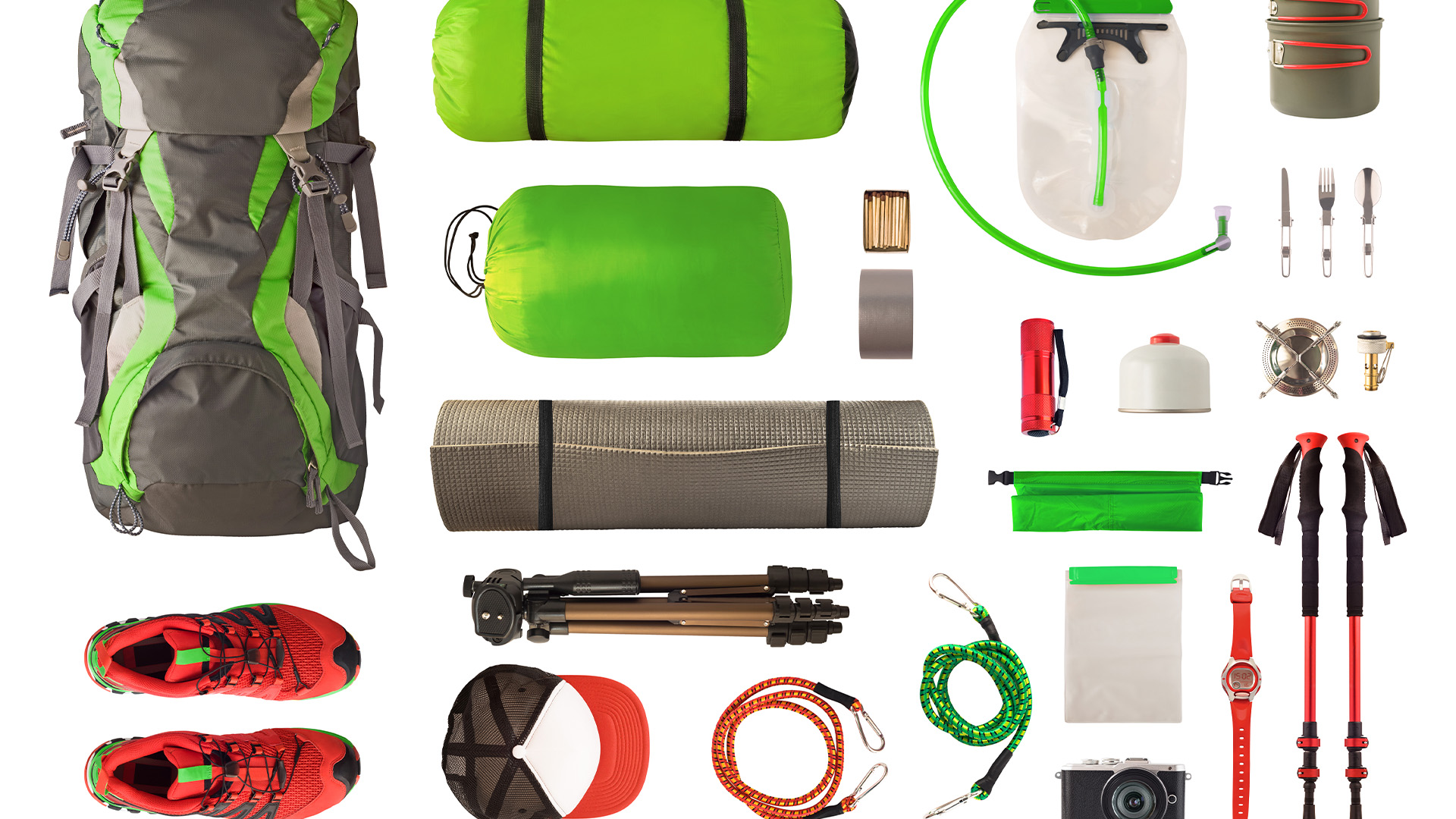
Your daypack carries what you may need between camps, while the duffel normally travels separately with the mountain crew. A bag liner is useful even if your pack has a rain cover. Ask which sleeping kit is supplied for your route, especially when comparing huts and camping.
- Duffel bag — Ask us about the porter weight allowance.
- Daypack and rain cover — A 25–35 L daypack is practical for daily essentials.
- Dry bags or waterproof liners — Keep layers and electronics dry.
- Warm sleeping bag — Confirm the required warmth rating and rental options.
- Sleeping bag liner — Optional extra warmth and comfort.
Kilimanjaro Trail and summit-night equipment
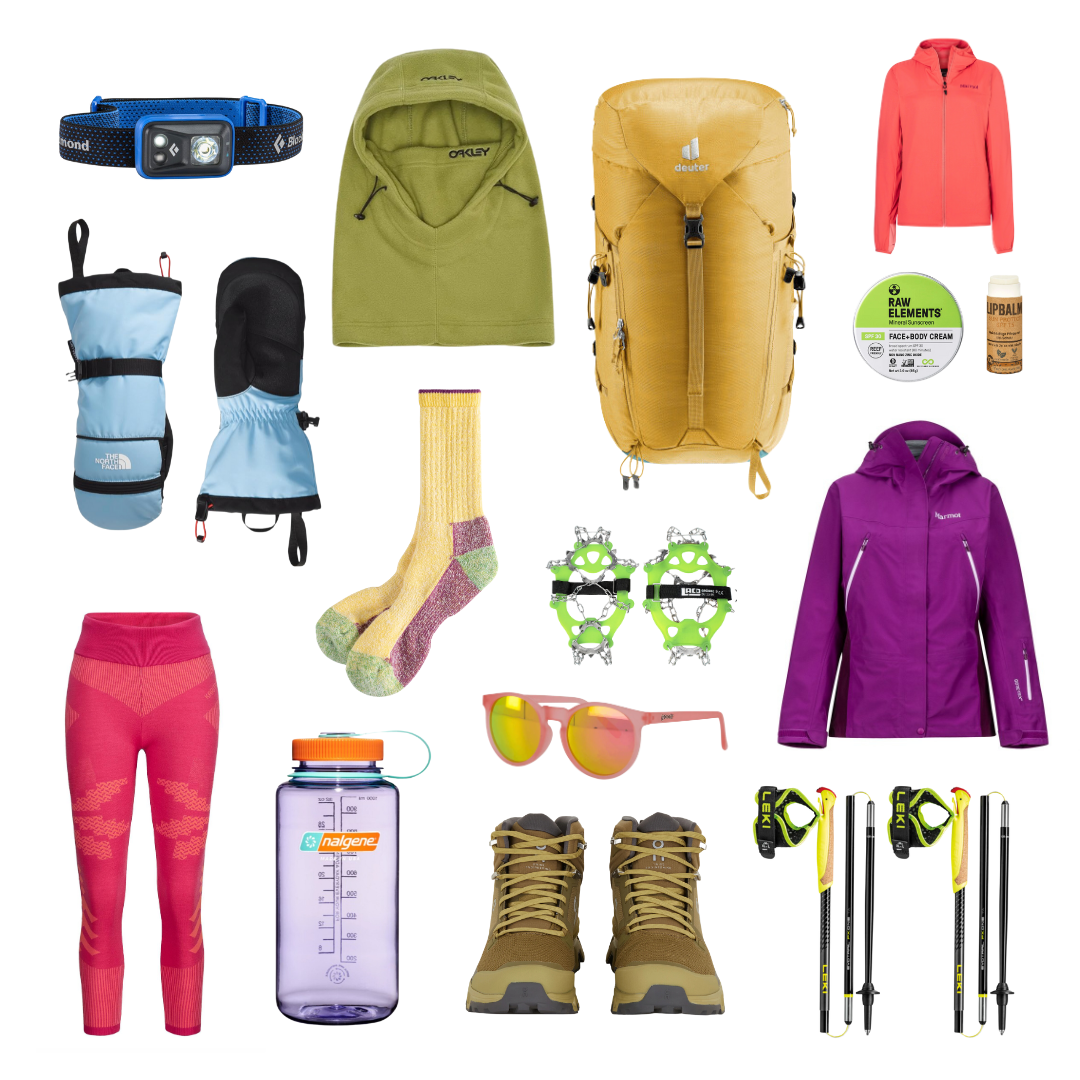
Put your lamp, batteries, warm gloves and a drink within easy reach before summit night. A hydration tube can freeze in the cold; a protected bottle is a useful backup. Trekking poles may help on loose or steep ground if you have practiced using them.
- Headlamp and spare batteries — Test the lamp before departure; summit walks may begin in darkness.
- Trekking poles — Practice using them on climbs and descents.
- Water bottles or hydration system — Plan for around 2–3 L carrying capacity; an insulated bottle can help in the cold.
- UV-protective sunglasses — Useful when light reflects off snow and pale rock.
- Sunscreen and lip balm — Choose high SPF protection and reapply during the day.
- Snacks or electrolyte mix — Bring familiar items for long walking days.
- Neck gaiter or buff — Helps shield your face from dust and wind.
- Warm face covering — Useful during cold and windy summit hours.

Kilimanjaro Health and personal care
Pack only the personal-care items you will use. Keep toiletries in small containers and protect medication from damp and extreme cold. Discuss altitude, existing medical conditions and any medicine questions with a qualified clinician before traveling.
- Personal first-aid and blister kit — Include any medicines recommended by your clinician.
- Toothbrush, toothpaste and soap — Pack small quantities.
- Hand sanitiser, tissues and wet wipes — Carry some in your daypack.
- Quick-dry towel — Useful where washing facilities are limited.
- Sanitary products — Pack what you normally use, with a little extra.
- Anti-chafe balm — Useful on longer hiking days.
- Power bank and charging cable — Keep batteries warm when temperatures fall.
Kilimanjaro Camera, comfort and optional extras
Extra items can make camp more comfortable, but keep your bag manageable. Protect your electronics from rain and dust and check your airline rules for power banks. Anything you bring onto the mountain should come back down with you.
- Phone or camera in a dry pouch — Protect devices against rain and dust.
- Small notebook or downloaded reading — An optional way to unwind at camp.
- Earplugs and eye mask — Helpful when sharing a hut or campsite.
- Spare boot laces — Small to carry and handy if a lace breaks.
- Reusable bag for used clothes — Keep clean layers separate.
- Compact bag for litter — Carry out used wipes and other personal waste.