is an essential resource for every traveller preparing to climb Mount Kilimanjaro safely, comfortably, and confidently.
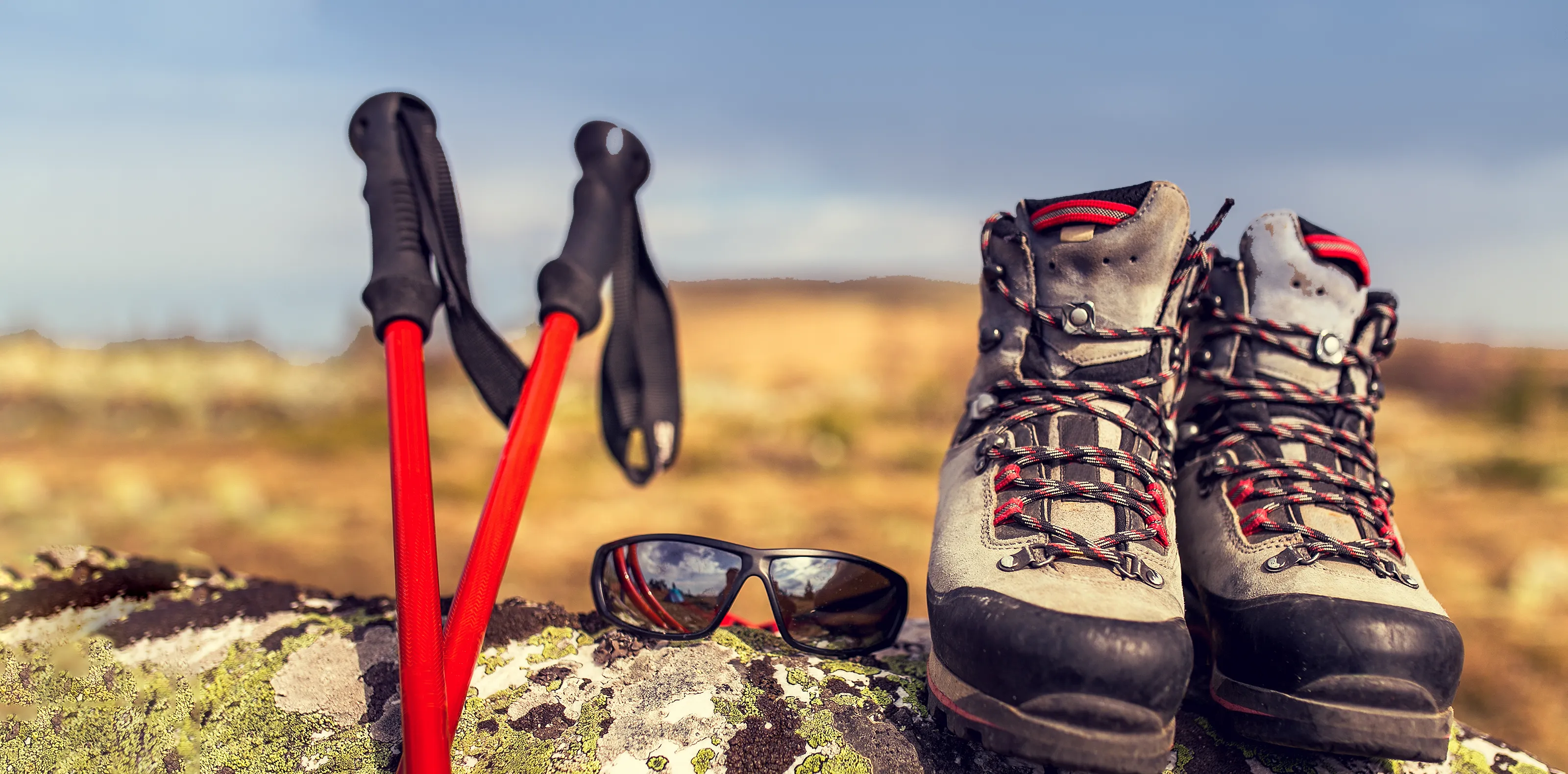
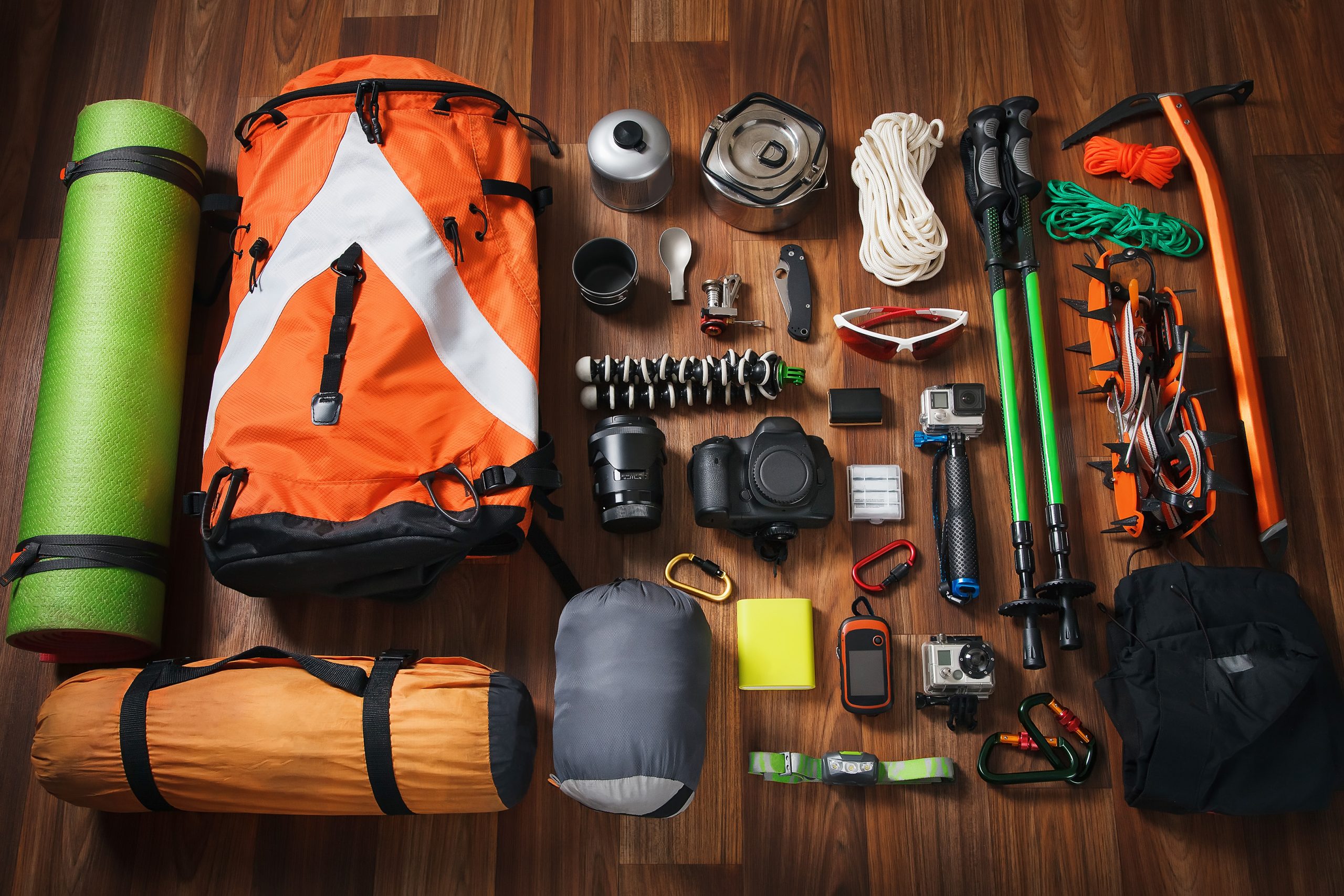
Because Kilimanjaro passes through different climate zones, from warm rainforest to cold alpine desert and freezing summit conditions, climbers need proper layered clothing, strong hiking boots, waterproof jacket and trousers, warm fleece, down jacket, thermal base layers, gloves, warm hat, sun hat, sunglasses, headlamp, sleeping bag, trekking poles, daypack, duffel bag, refillable water bottles or hydration system, personal first aid items, toiletries, sunscreen, and high-energy snacks. Packing the right Kilimanjaro trekking equipment helps improve comfort, reduce health risks, and support better performance during the climb, especially on summit night when temperatures can be extremely cold. At Tanzania Adventures Group, we recommend choosing quality gear, testing your boots before arrival, keeping important items in your daypack, and preparing for both rain and cold weather so your Kilimanjaro climb becomes safer, smoother, and more enjoyable from the first day to the summit.
Prepare for Mount Kilimanjaro with a clear, practical and professionally organized equipment guide covering clothing layers, footwear, sleeping gear, daypack essentials, personal items, summit-night protection and important trekking accessories.
Whether you are climbing Machame, Marangu, Lemosho, Rongai or Umbwe, the right gear helps improve comfort, safety and confidence from the rainforest zone to the cold summit night on Uhuru Peak.
A successful Kilimanjaro climb is not only about fitness; it also depends on having the right trekking equipment. This Kilimanjaro Gear Packing List: Complete Trekking Equipment Guide helps you understand what to bring, what to avoid, and how to prepare for changing mountain conditions.
Kilimanjaro passes through different climate zones, starting from warm lower slopes and moving through rainforest, moorland, alpine desert and freezing summit conditions. This means your packing list must include breathable hiking clothes, waterproof protection, warm insulation, comfortable boots, a reliable sleeping bag, sun protection, personal medication and summit-night gear.
Tanzania Adventures Group supports climbers with practical route advice, professional guides, mountain crew, safety briefing and equipment guidance before the trek begins. If you are unsure about buying or renting gear, our team can advise what is essential and what can be arranged locally in Tanzania.
Your equipment should keep you dry, warm, comfortable and prepared for long trekking days, cold evenings and the demanding summit night.
Use a base layer, fleece or insulation layer, and waterproof outer shell to manage changing temperatures.
Bring waterproof, broken-in trekking boots with strong ankle support and enough room for warm socks.
A four-season sleeping bag is important for cold nights, especially above 3,000 meters and during summit preparation.
Warm gloves, thermal layers, down jacket, balaclava, headlamp and insulated socks are essential for summit night.
Waterproof jacket, rain pants and backpack covers help protect you during rainforest and wet-season trekking.
Carry water, snacks, sunscreen, camera, extra layer, rain gear, headlamp and personal medication during daily hikes.
Bring personal medicine, blister care, lip balm, hand sanitizer, wet wipes and basic first-aid items.
Pack only what is necessary and keep your duffel organized, because porter weight limits must be respected.
This practical checklist is suitable for most Kilimanjaro routes. Final adjustments may depend on the season, route length and personal comfort needs.
Wear thermal or moisture-wicking base layers close to the skin. Avoid cotton because it holds moisture and can make you cold when temperatures drop.
A fleece jacket, softshell or warm mid-layer helps hold body heat during cool mornings, evenings and higher altitude sections.
A down jacket or heavy insulated jacket is very important for summit night, cold camps and resting periods at high altitude.
A waterproof and windproof shell protects you from rain, snow, wind and sudden weather changes, especially in the rainforest and alpine zones.
The core gear list remains similar, but route length, accommodation style and acclimatization profile can affect how you prepare.
| Route | Recommended Gear Focus | Traveller Advice |
|---|---|---|
| Machame Route | Strong boots, rain protection, warm layers, trekking poles and good duffel organization. | Popular camping route with varied terrain; pack for rainforest, moorland and cold summit conditions. |
| Marangu Route | Warm sleeping bag, layered clothing, hut comfort items and summit-night insulation. | Hut accommodation is available, but summit night is still cold and requires serious preparation. |
| Lemosho Route | Extra clothing organization, strong waterproof packing and reliable hiking boots. | Longer route with excellent acclimatization; ideal for climbers who want a scenic and comfortable pace. |
| Rongai Route | Sun protection, dust protection, warm evenings and proper summit-night gear. | Approaches from the northern side and is often drier, but cold summit conditions remain serious. |
| Umbwe Route | Light but complete gear, strong boots, trekking poles and excellent fitness preparation. | A steeper route that requires good preparation and efficient packing for demanding trekking days. |
Some equipment is better to bring from home for comfort and personal fit, while other items can be rented locally depending on availability and quality.
After preparing your gear, choose a Kilimanjaro route that matches your fitness, budget, acclimatization needs and travel schedule.
Explore all Mount Kilimanjaro trekking packages with Tanzania Adventures Group.
A popular scenic camping route for climbers with limited time and good fitness.
Recommended for better acclimatization and a more comfortable summit approach.
Hut-based trekking route with a gentler profile and important summit-night preparation.
A shorter hut route for climbers with limited time, requiring strong preparation.
A scenic route with excellent acclimatization and a high-quality mountain experience.
A beautiful route for climbers who want scenery, good acclimatization and remote trails.
A quieter northern approach that is often chosen for a drier trekking experience.
A better-paced Rongai option with more time for acclimatization and comfort.
A steep and challenging route best suited for experienced, well-prepared trekkers.
Good equipment supports safety, but it must also be combined with proper acclimatization, professional guides, hydration, nutrition and realistic pacing.
Choose a route with enough acclimatization days, walk slowly, drink enough water and listen carefully to your guide’s instructions.
Kilimanjaro weather changes quickly. Waterproof gear, warm layers and dry packing systems are important in every season.
Blisters can affect your climb, so use broken-in boots, quality socks, foot tape and proper lacing from the first trekking day.
Summit night is cold and slow. Warm layers, headlamp, gloves, snacks and mental preparation are essential.
Pack responsibly and avoid unnecessary items. Your duffel should be organized and within the allowed porter weight limit.
Tanzania Adventures Group provides local mountain support, route advice and preparation guidance before your Kilimanjaro trek begins.
Many climbers feel more confident when they understand exactly what to pack before travelling to Tanzania.
“The packing guidance helped us avoid bringing unnecessary items and made summit night much easier to manage.”
Machame Route Climber“We were first-time high-altitude trekkers, and the advice about layers, boots and daypack essentials was very useful.”
Lemosho Route Guest“Tanzania Adventures Group helped us understand what to bring and what could be rented locally before the climb.”
Private Kilimanjaro TrekkerThese answers help climbers prepare more confidently before starting their Mount Kilimanjaro trek.
The most important gear includes broken-in waterproof hiking boots, warm layers, waterproof jacket and pants, four-season sleeping bag, headlamp, warm gloves, thermal base layers, trekking poles and a reliable daypack.
Yes, a warm down jacket or heavy insulated jacket is strongly recommended, especially for summit night and cold evenings at higher camps.
Some gear can be rented locally, such as sleeping bags, trekking poles, down jackets and gaiters. However, personal items like hiking boots, base layers and medication are better brought from home.
Your duffel should stay within the accepted porter weight limit set by the operator and mountain regulations. Pack only essential items and use dry bags or packing cubes to stay organized.
Your daypack should include water, snacks, rain jacket, extra warm layer, sunscreen, sunglasses, camera, personal medicine, headlamp, tissue, hand sanitizer and any items you need during the trekking day.
Cotton is not recommended for trekking layers because it absorbs moisture and dries slowly. Choose moisture-wicking, quick-dry and breathable materials instead.
Trekking poles are highly recommended because they reduce pressure on knees, improve balance and help during long descents and uneven terrain.
Yes. You can send your planned packing list to Tanzania Adventures Group, and our team can help you understand what is essential, what can be rented and what may be unnecessary.
Use this Kilimanjaro Gear Packing List: Complete Trekking Equipment Guide to prepare confidently for your climb. Send your route, travel month, number of climbers and any gear questions, and Tanzania Adventures Group will help you plan the best trekking package and equipment preparation.
A Tanzania safari adventure is more than just a trip—it’s a life-changing experience that immerses you in the raw beauty of nature, diverse wildlife, and rich cultural heritage. Exploring Tanzania’s vast landscapes, from the iconic Serengeti to the majestic Ngorongoro Crater, allows you to witness the Great Migration, encounter the Big Five, and connect with nature in its purest form.
Beyond wildlife, a safari in Tanzania offers a profound cultural exchange. Engaging with the Maasai and other indigenous communities provides insight into traditional ways of life, enriching your travel experience. Whether you seek adventure, relaxation, or personal transformation, a Tanzania safari is an unforgettable journey that leaves a lasting impact.
A private Tanzania safari adventure offers an exclusive and personalized experience, allowing you to explore the country’s breathtaking landscapes and extraordinary wildlife at your own pace. Unlike group safaris, a private safari provides flexibility in itinerary planning, ensuring that your journey is tailored to your specific interests.
Beyond the personalized experience, a private safari enhances comfort, privacy, and intimacy, making it ideal for couples, families, or small groups seeking a more secluded and luxurious journey. This level of exclusivity not only elevates your safari experience but also fosters a profound connection with Tanzania’s untamed beauty.
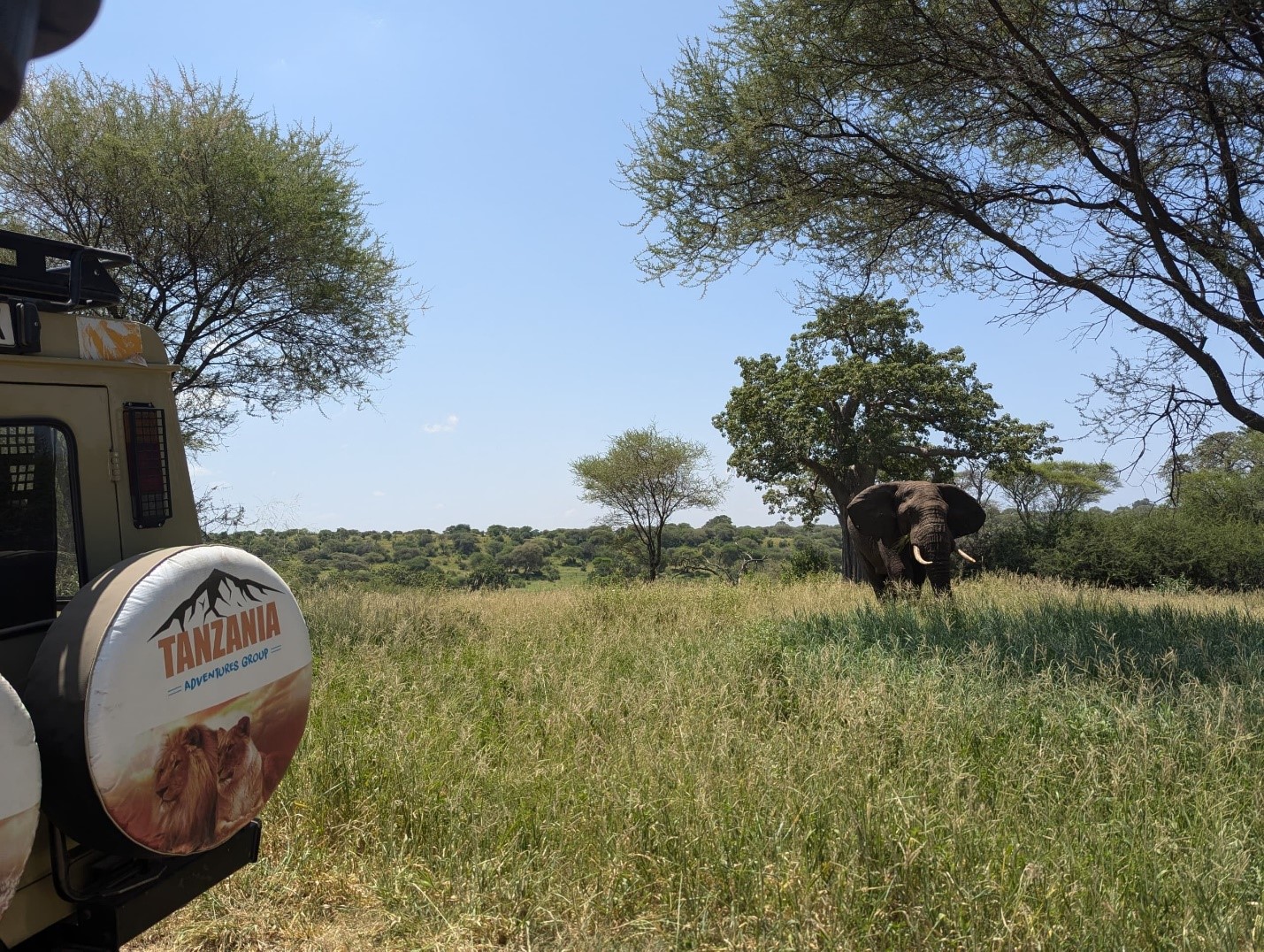
At Tanzania Adventures Group, we believe that every journey should be as unique as the traveler. Our dedicated team of experts will work closely with you to craft the perfect itinerary, ensuring your experience is tailored to your preferences, interests, and budget.
We offer a range of accommodations and travel experiences suited to different budgets and expectations. Our price guide provides a clear overview of seasonal variations—low, mid, and high— as well as accommodation categories: Budget Standard Accommodations, Mid Standard Accommodations, Loyal Standard Accommodations, and Luxury Standard Accommodations.
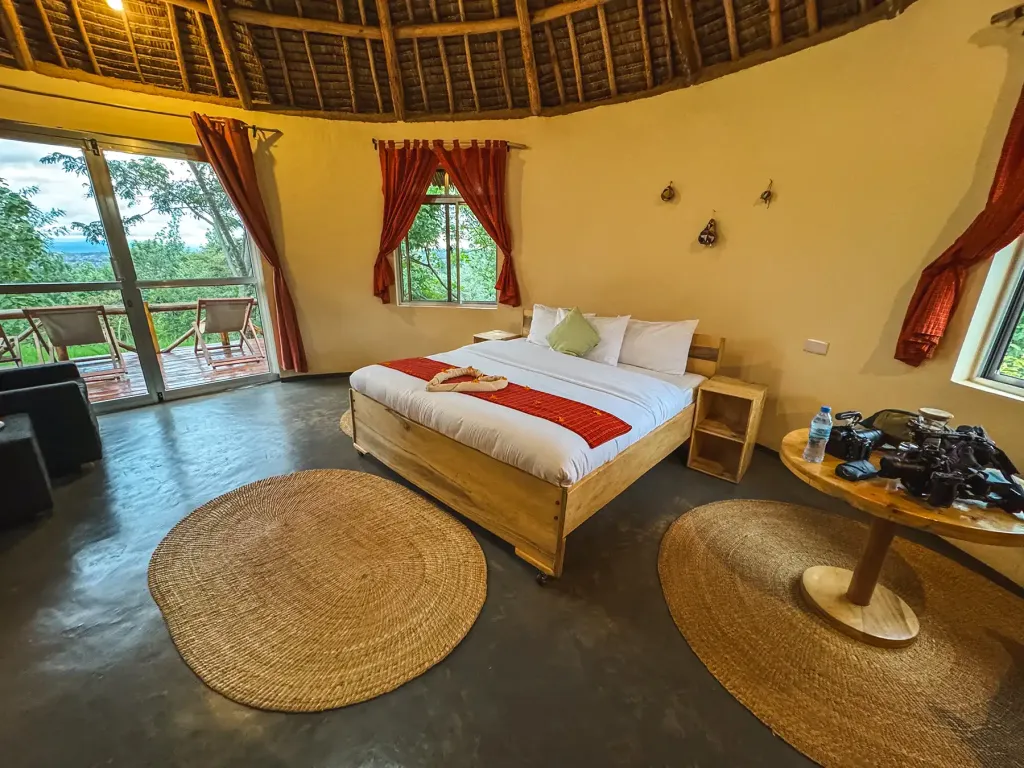
Our Budget Standard Accommodations offer a comfortable and budget-friendly stay in Africa. While not luxurious, they provide clean and well-maintained rooms with cozy beds, private bathrooms with hot showers, and inviting dining areas. Some properties are set in beautiful surroundings and may feature swimming pools or other amenities. WiFi availability may be limited to certain areas, and meals are typically served buffet-style. These accommodations ensure a pleasant and relaxing overnight stay while keeping your adventure affordable.
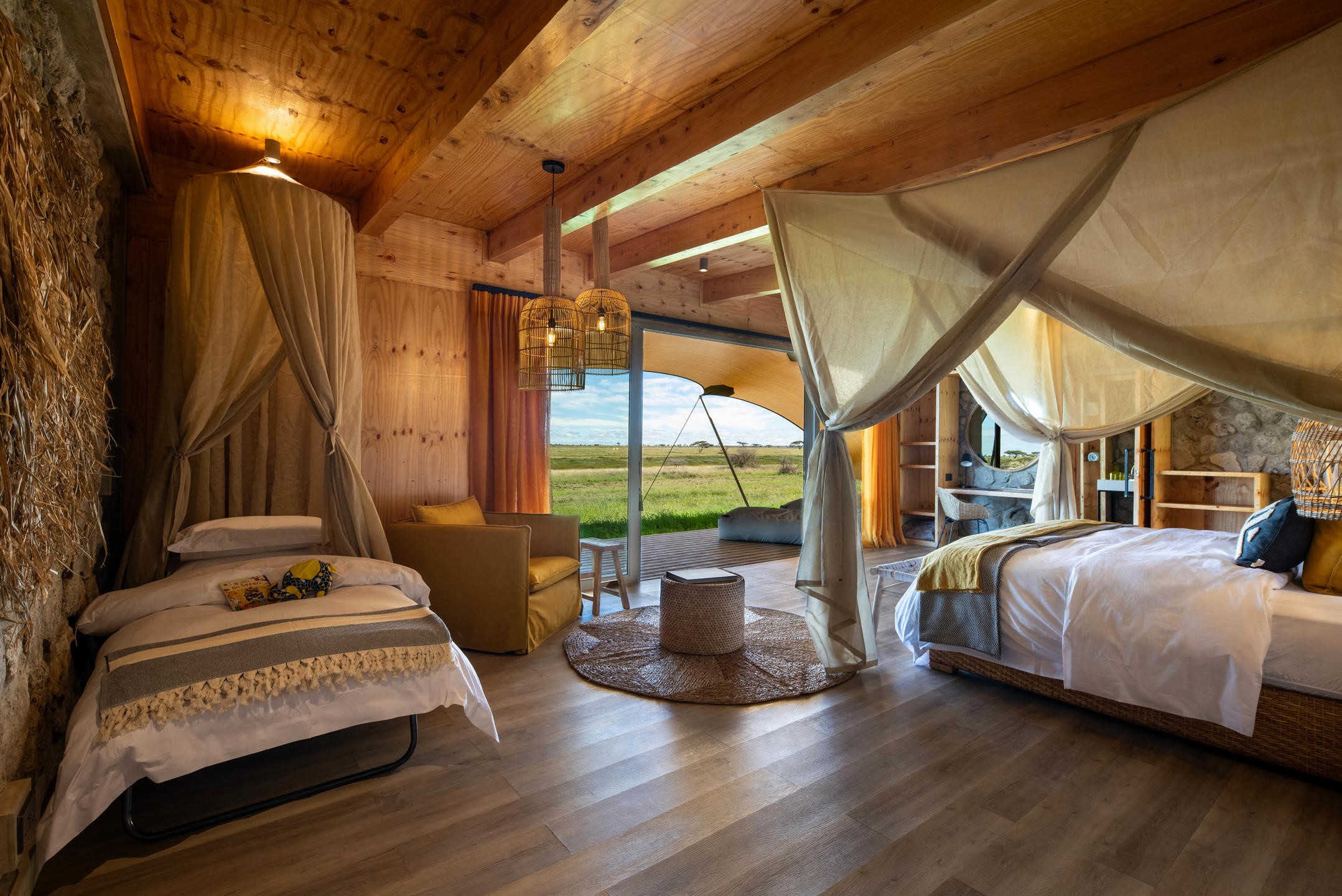
Our Mid Standard Accommodations offer an elevated level of comfort and luxury, perfect for those seeking a refined stay. These lodges and camps are thoughtfully designed, often set in stunning locations, providing a blend of elegance and nature. Enjoy spacious rooms with plush beds, fully equipped bathrooms, and private balconies overlooking breathtaking landscapes. Guests can savor delicious meals from buffet or à la carte menus and enjoy complimentary access to swimming pools. As an added delight, you may even spot wildlife right from your lodge.
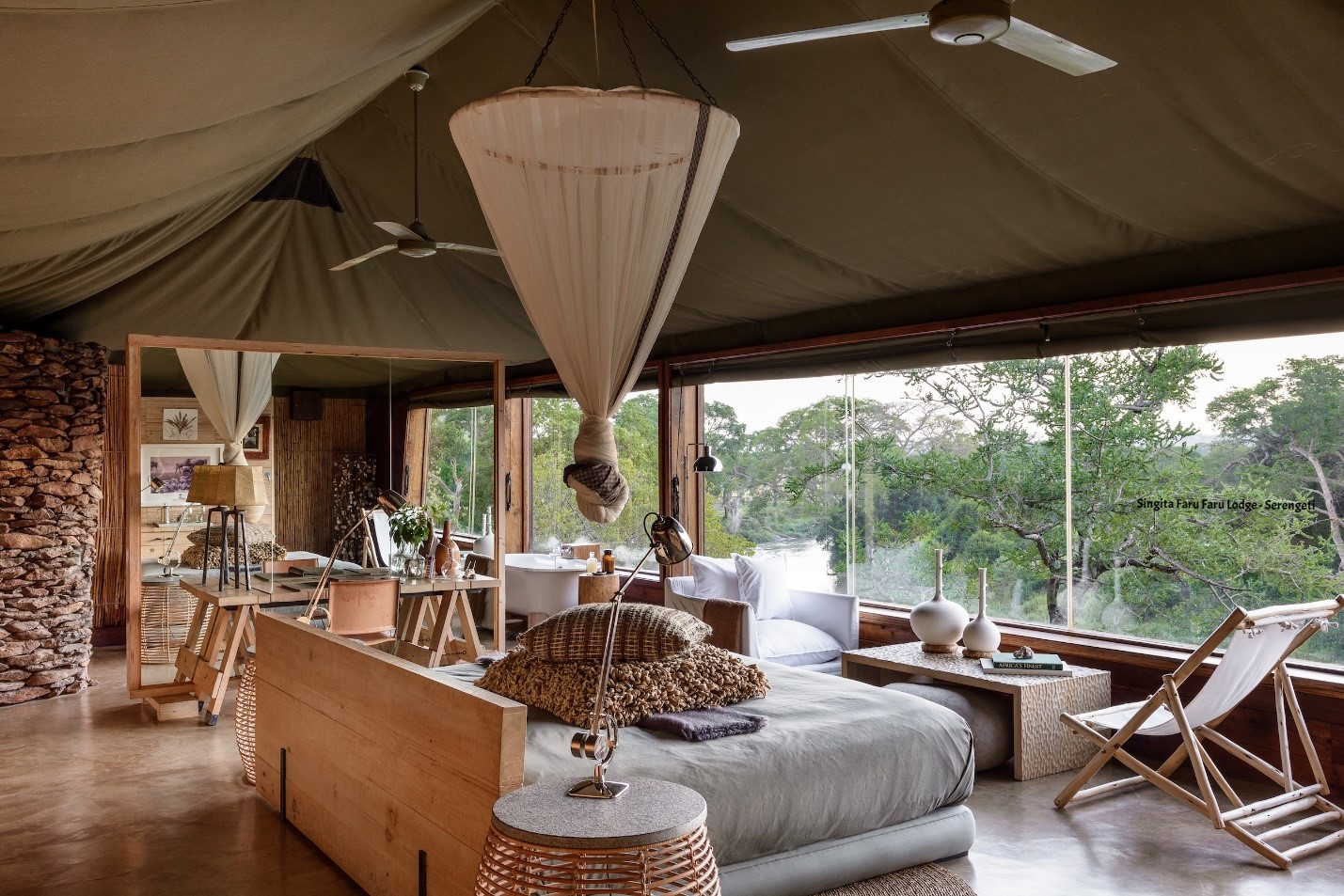
Our Loyal Standard Accommodations redefine luxury, offering exquisitely designed lodges and resorts in breathtaking locations. These premium stays provide top-tier service, ensuring every detail is perfectly catered to your comfort. Expect spacious, elegantly furnished rooms with lavish beds, private plunge pools or open-air rain showers, and stunning terraces with plush seating to take in the magnificent views. With gourmet dining and impeccable hospitality, these accommodations immerse you in Tanzania’s beauty.
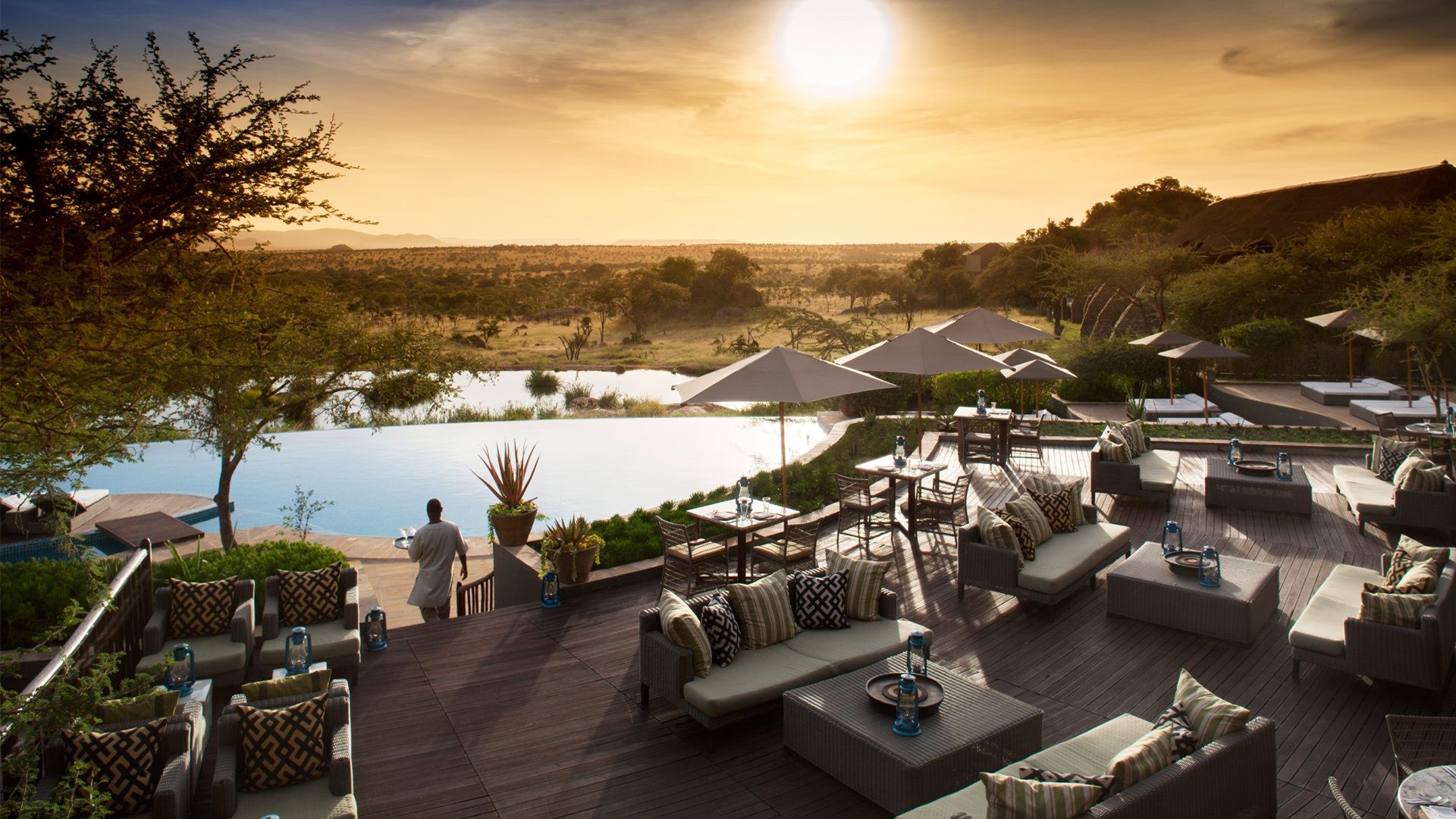
Our Luxury Standard Accommodations offer the pinnacle of elegance, exclusivity, and comfort. These exceptional stays are set in breathtaking locations, whether on private islands, treetop suites, or lodges perched on crater rims. Enjoy sundowners from your private plunge pool, gourmet dining at world-class restaurants, and luxury spa treatments. Wake up to fresh coffee served by your private butler as you take in the beauty of Tanzania’s wildlife from your terrace. This is the epitome of refined travel, ensuring a truly unforgettable adventure.