is one of the best choices for travelers who want to photograph the Great Migration calving season, fresh green landscapes, and intense predator activity in the southern Serengeti and Ndutu area.
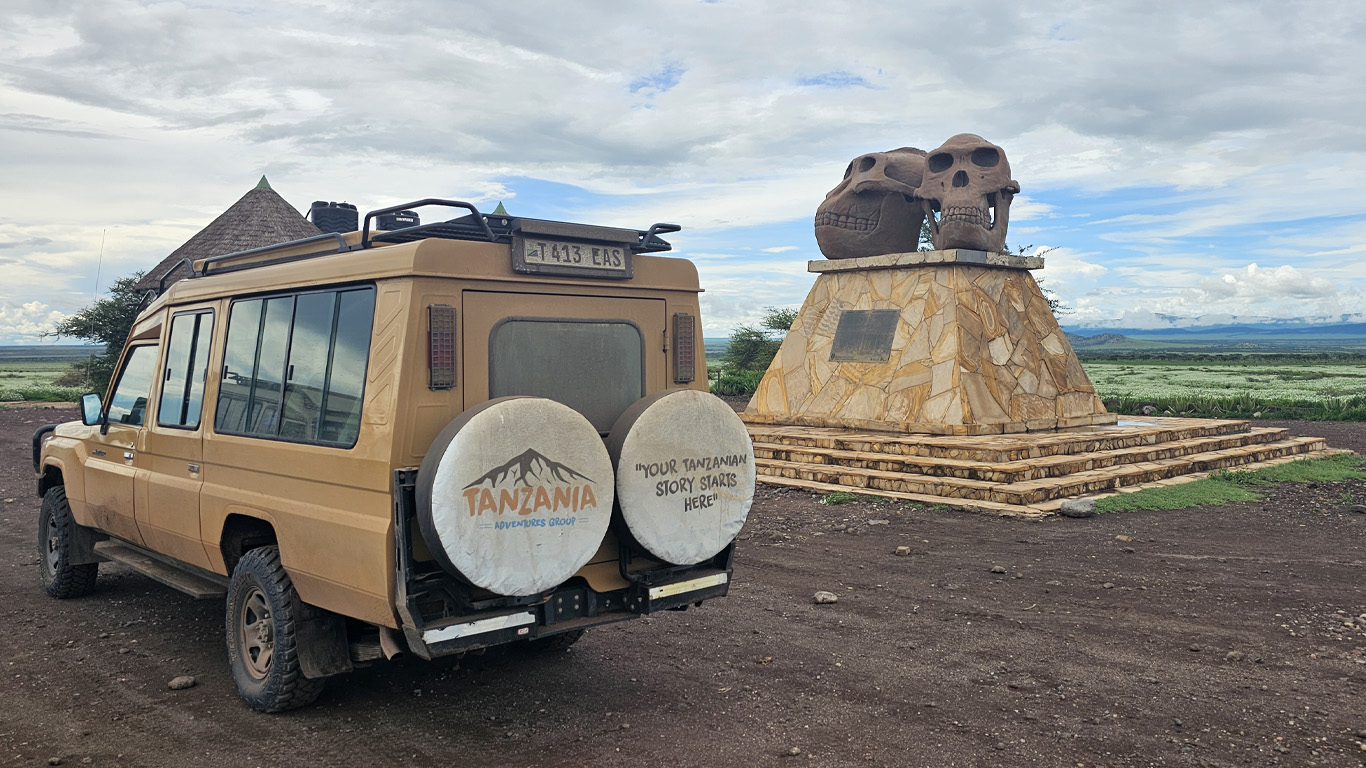
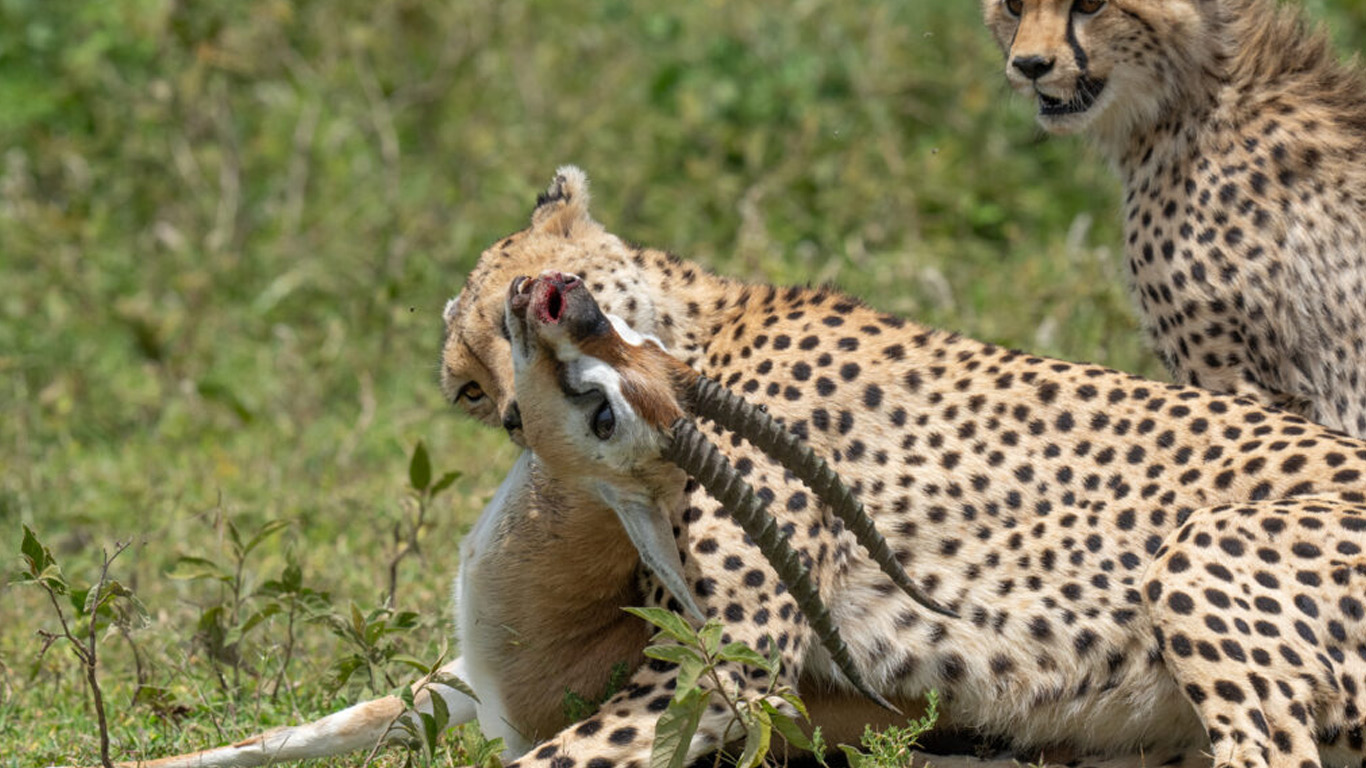
February is widely associated with the wildebeest calving period, with large herds spread across the southern plains and many newborn animals attracting lions, cheetahs, hyenas, and other predators, which makes this month especially rewarding for wildlife photography. The mix of dramatic action, beautiful seasonal scenery, and warm weather gives photographers excellent opportunities to capture both close wildlife moments and wide landscape images, making Tanzania photography safari February a very strong option for a memorable photo-focused safari.
A February photography safari in Tanzania is one of the strongest choices for travellers who want green landscapes, newborn wildlife, dramatic predator action, and soft photographic light across the Southern Serengeti and Ndutu plains. This is the season when experienced photographers and wildlife lovers often focus on the calving areas, while still combining excellent game viewing in Central Serengeti and the Ngorongoro area for a richer Northern Circuit experience.
This page is designed for travellers planning a serious wildlife-focused journey with flexible private departures, photographer-friendly pacing, strategic game-drive timing, and access to some of the most rewarding February safari scenes in Tanzania. Whether you are travelling solo, as a couple, or in a small specialist group, the itinerary can be tailored around your camera goals, preferred accommodation standard, and number of safari days.
February gives photographers a very different experience from the dry-season river-crossing months. Instead of dust, long-distance herd movement, and harsher light, the focus shifts to active calving grounds, green plains, dramatic skies, fresh scenery, and intense predator-prey storytelling. For many photographers, this creates a stronger emotional portfolio with action, behaviour, and atmosphere all in one trip.
Main February highlight for calving, predator interaction, open plains, herd movement, and dramatic wildlife moments.
Excellent for big cats, resident wildlife, riverine scenery, and balancing your portfolio with year-round game viewing.
Very strong for dense wildlife concentration, scenic crater-wall landscapes, and quick access to iconic East African safari imagery.
Easy safari start with options to build 4-day, 5-day, 6-day, or longer February photography programs around your travel dates.
Below are strong route ideas for travellers searching for a focused Tanzania photography safari February experience. These can be offered as private departures or organised as small photography groups depending on your travel dates and accommodation level.
Arusha – Ndutu / Southern Serengeti – Arusha
Best for short trips with strong emphasis on wildebeest calving action, open plains, big cats, and sunrise/sunset game drives.
Arusha – Ndutu – Central Serengeti – Arusha
A balanced route that combines calving-season action with classic Serengeti cat territory and resident wildlife.
Arusha – Ngorongoro – Ndutu – Central Serengeti – Arusha
This is one of the strongest all-round February combinations for clients who want crater views, calving season drama, and classic Serengeti wildlife.
Arusha – Ngorongoro – Ndutu – Southern Serengeti – Central Serengeti – Arusha
Designed for travellers who want more time in the field, flexible wildlife tracking, repeated dawn and dusk sessions, and stronger chances of standout photography.
Comfortable city lodge or boutique hotel for pre-safari briefing, gear check, and restful arrival before entering the park circuit.
Tented camps or lodges positioned for fast access to calving plains are the strongest choice because they reduce transfer time and increase time in the field.
Mid-range or luxury tented camps work very well for photographers who want quick access to predator territories and flexible early departures.
Lodges on the crater rim or nearby Karatu area can be selected depending on your budget, comfort preference, and route timing.
Accommodation can be arranged in budget, mid-range, or luxury style, but for the best February wildlife photography flow, staying close to the Southern Serengeti and Ndutu action is usually the smartest decision.
Below is a simple route-profile example for a 6-day February photography program. Altitude changes are moderate compared with mountain travel, but the route still moves through different scenic levels that affect temperature, morning comfort, and landscape character.
| Route Segment | Approx. Altitude | Landscape Character | Photography Notes |
|---|---|---|---|
| Arusha | Approx. 1,400 m | Urban gateway with greener highland feel | Arrival preparation, camera setup, batteries, and briefing |
| Ngorongoro Highlands / Rim | Approx. 2,200–2,400 m | Cooler highland scenery and dramatic views | Good for scenic landscapes, early mist, and wide panoramas |
| Ndutu / Southern Serengeti | Approx. 1,650–1,750 m | Open short-grass plains and calving ground habitat | Excellent for herds, predators, action frames, and long-view compositions |
| Central Serengeti | Approx. 1,400–1,500 m | Mixed plains, kopjes, and resident wildlife habitat | Strong for cat photography, portraits, and golden-hour wildlife scenes |
| Return to Arusha | Approx. 1,400 m | Transition back to safari base town | End of safari, backup of images, and departure connection |
These pages can be used as internal supporting links in different sections of your article for authority, booking intent, planning help, and broader safari comparison content.
Yes. February is one of the most rewarding months for photographers who want green plains, newborn wildlife, dramatic predator behaviour, and a calving-season atmosphere in Southern Serengeti and Ndutu.
The Southern Serengeti and Ndutu area are usually the main focus because of calving activity and strong predator interaction. Central Serengeti is also an excellent add-on for cat sightings and year-round wildlife photography.
No. February is more suitable for calving-season photography than river crossing photography. If your main goal is Mara River crossing action, you should compare this trip with the later migration months using your internal river-crossing page.
Four to seven days is a very practical range. A shorter safari can focus only on Ndutu or Southern Serengeti, while six or seven days allows you to add Ngorongoro and Central Serengeti for a broader image collection.
Yes. A photography safari is not only for professionals. Beginners, hobby photographers, couples, content creators, and serious wildlife lovers can all enjoy a tailored itinerary with the right guide and enough time in the field.
A private 4x4 safari vehicle is usually the best setup because it gives you flexibility, cleaner positioning for the light, more room for lenses and camera bags, and a better pace for waiting at sightings.
Yes. Small groups can be organised depending on your travel dates, but private departures are usually the strongest option for photography because they allow more control over timing, angle, and time spent at sightings.
Bring camera bodies, telephoto and mid-range lenses, extra batteries, memory cards, a dust-protection routine, neutral-coloured clothing, light layers for cool mornings, and rain protection for gear in case of occasional showers.
Tanzania Adventures Group can tailor your route around calving-season action, preferred lodge level, trip length, and travel style. This is a strong page for travellers looking for a focused Tanzania photography safari February itinerary with flexible planning, photographer-friendly logistics, and direct local support.
Private departures available • Small groups on request • Budget, mid-range, and luxury options available
A Tanzania safari adventure is more than just a trip—it’s a life-changing experience that immerses you in the raw beauty of nature, diverse wildlife, and rich cultural heritage. Exploring Tanzania’s vast landscapes, from the iconic Serengeti to the majestic Ngorongoro Crater, allows you to witness the Great Migration, encounter the Big Five, and connect with nature in its purest form.
Beyond wildlife, a safari in Tanzania offers a profound cultural exchange. Engaging with the Maasai and other indigenous communities provides insight into traditional ways of life, enriching your travel experience. Whether you seek adventure, relaxation, or personal transformation, a Tanzania safari is an unforgettable journey that leaves a lasting impact.
A private Tanzania safari adventure offers an exclusive and personalized experience, allowing you to explore the country’s breathtaking landscapes and extraordinary wildlife at your own pace. Unlike group safaris, a private safari provides flexibility in itinerary planning, ensuring that your journey is tailored to your specific interests.
Beyond the personalized experience, a private safari enhances comfort, privacy, and intimacy, making it ideal for couples, families, or small groups seeking a more secluded and luxurious journey. This level of exclusivity not only elevates your safari experience but also fosters a profound connection with Tanzania’s untamed beauty.
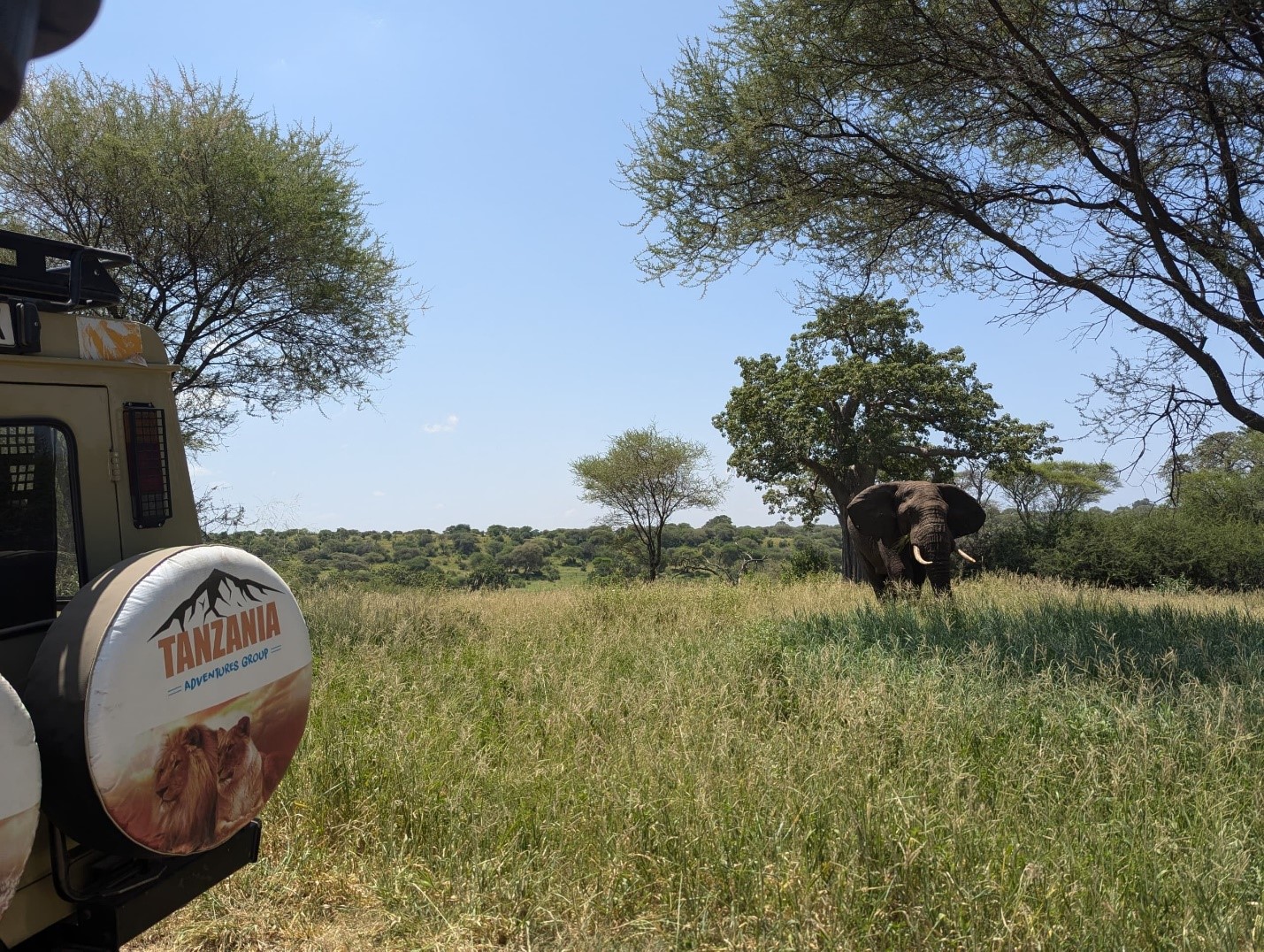
At Tanzania Adventures Group, we believe that every journey should be as unique as the traveler. Our dedicated team of experts will work closely with you to craft the perfect itinerary, ensuring your experience is tailored to your preferences, interests, and budget.
We offer a range of accommodations and travel experiences suited to different budgets and expectations. Our price guide provides a clear overview of seasonal variations—low, mid, and high— as well as accommodation categories: Budget Standard Accommodations, Mid Standard Accommodations, Loyal Standard Accommodations, and Luxury Standard Accommodations.
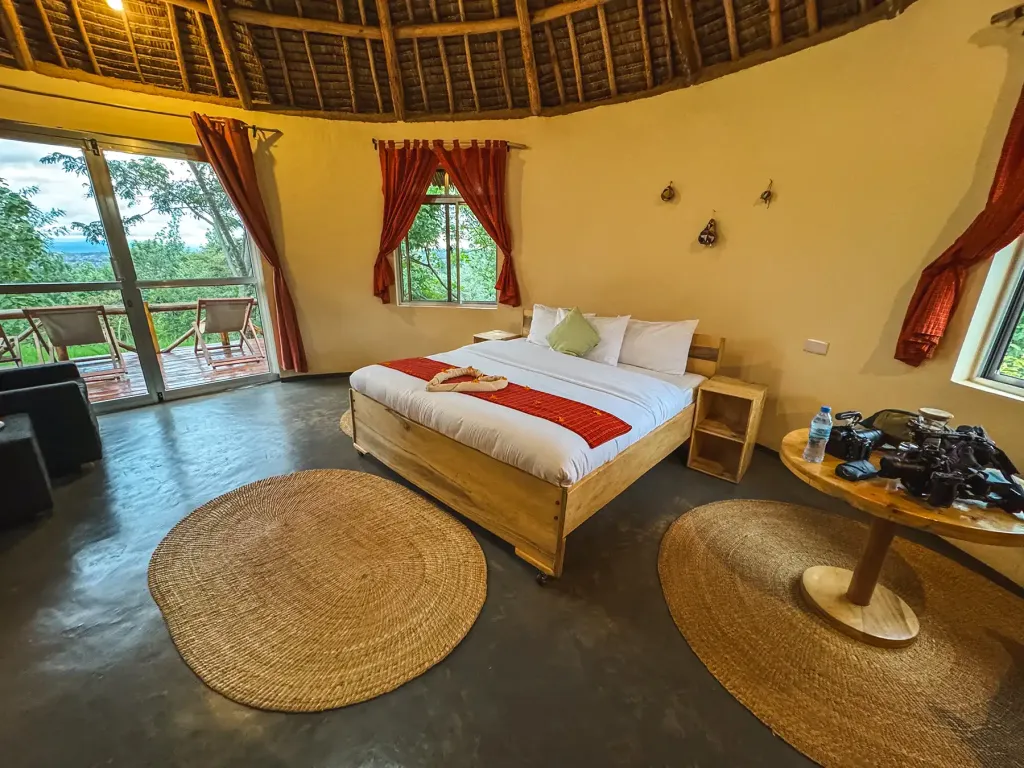
Our Budget Standard Accommodations offer a comfortable and budget-friendly stay in Africa. While not luxurious, they provide clean and well-maintained rooms with cozy beds, private bathrooms with hot showers, and inviting dining areas. Some properties are set in beautiful surroundings and may feature swimming pools or other amenities. WiFi availability may be limited to certain areas, and meals are typically served buffet-style. These accommodations ensure a pleasant and relaxing overnight stay while keeping your adventure affordable.
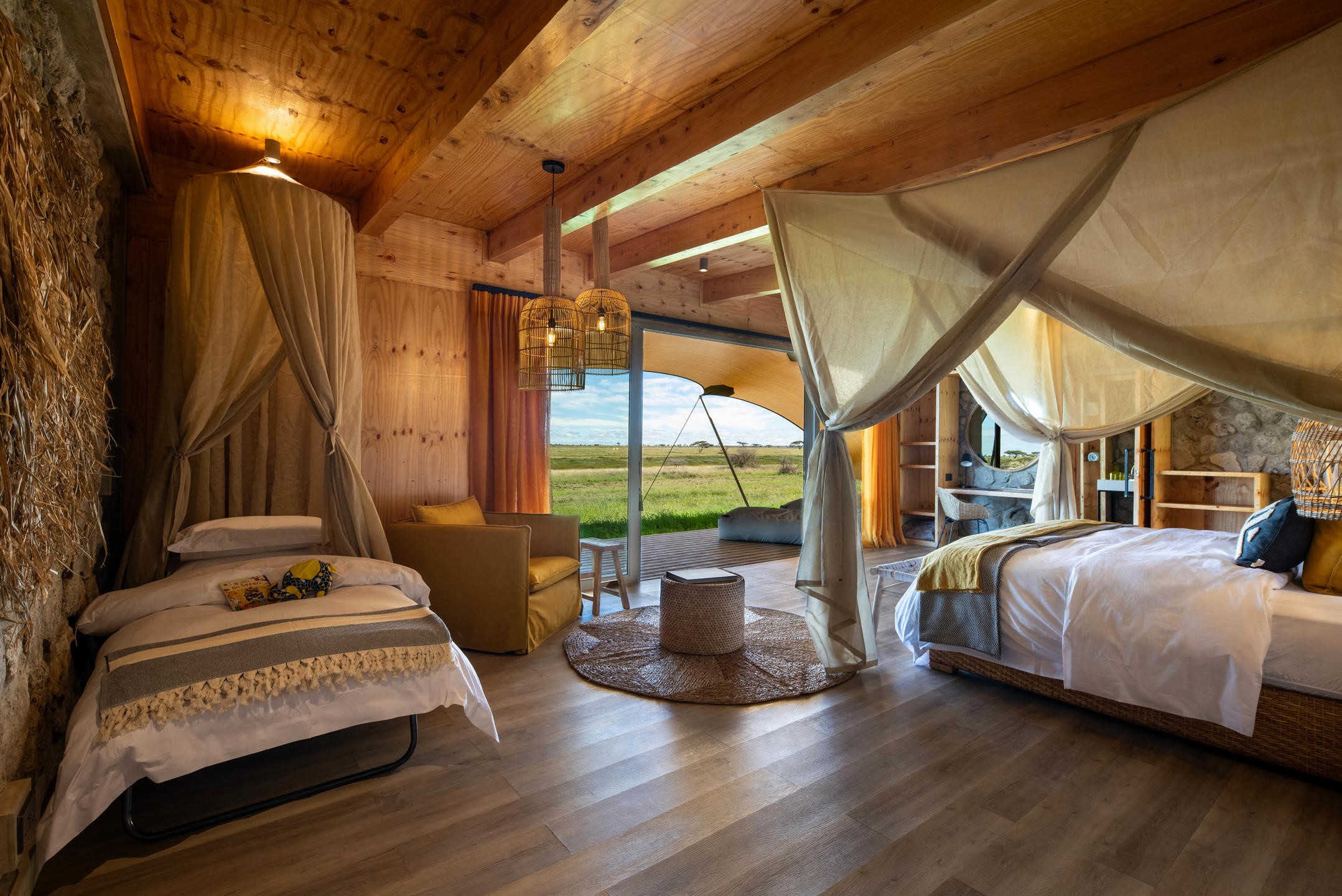
Our Mid Standard Accommodations offer an elevated level of comfort and luxury, perfect for those seeking a refined stay. These lodges and camps are thoughtfully designed, often set in stunning locations, providing a blend of elegance and nature. Enjoy spacious rooms with plush beds, fully equipped bathrooms, and private balconies overlooking breathtaking landscapes. Guests can savor delicious meals from buffet or à la carte menus and enjoy complimentary access to swimming pools. As an added delight, you may even spot wildlife right from your lodge.
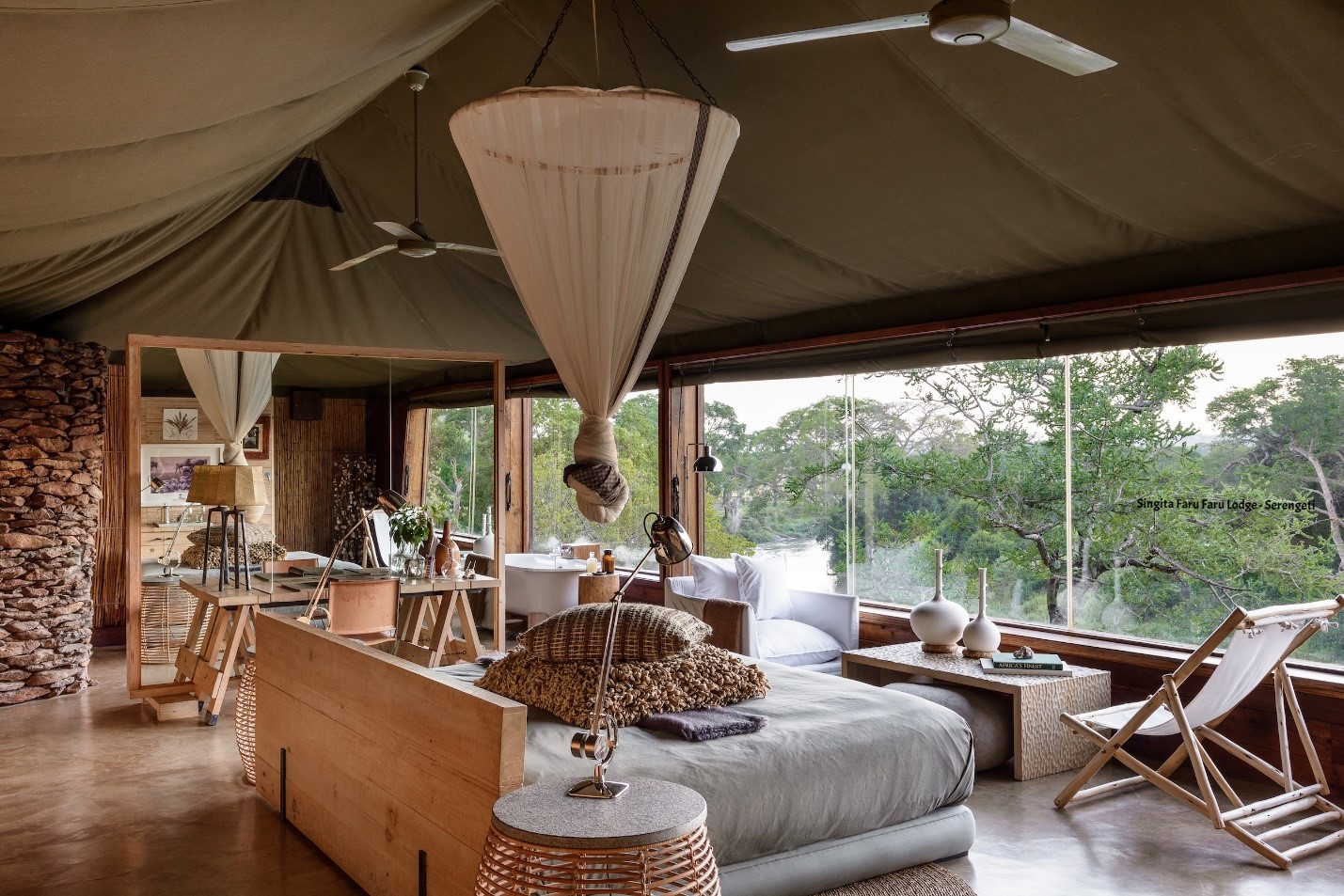
Our Loyal Standard Accommodations redefine luxury, offering exquisitely designed lodges and resorts in breathtaking locations. These premium stays provide top-tier service, ensuring every detail is perfectly catered to your comfort. Expect spacious, elegantly furnished rooms with lavish beds, private plunge pools or open-air rain showers, and stunning terraces with plush seating to take in the magnificent views. With gourmet dining and impeccable hospitality, these accommodations immerse you in Tanzania’s beauty.
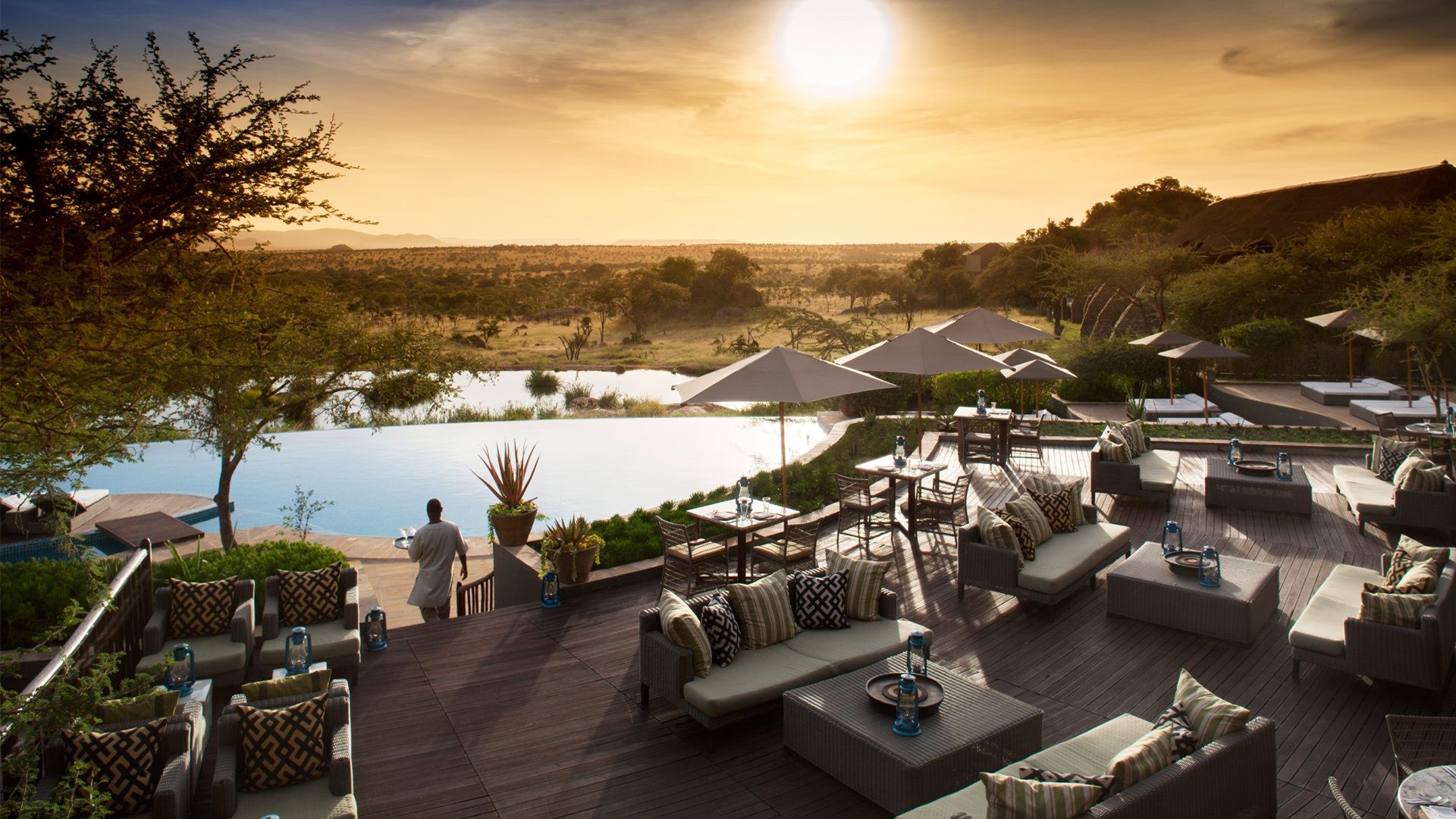
Our Luxury Standard Accommodations offer the pinnacle of elegance, exclusivity, and comfort. These exceptional stays are set in breathtaking locations, whether on private islands, treetop suites, or lodges perched on crater rims. Enjoy sundowners from your private plunge pool, gourmet dining at world-class restaurants, and luxury spa treatments. Wake up to fresh coffee served by your private butler as you take in the beauty of Tanzania’s wildlife from your terrace. This is the epitome of refined travel, ensuring a truly unforgettable adventure.