Month-by-Month Guide • Serengeti • Ndutu • Tanzania Adventures Group
Tanzania photography safari by month
Planning a safari with photography as the main goal requires more than choosing a park and booking a vehicle. A strong month-by-month guide helps travelers match wildlife movement, weather conditions, light quality, landscape color, crowd levels, and special photographic moments with the right itinerary. This Tanzania photography safari by month page is designed for travelers who want to know when to visit, what subjects are strongest in each season, and how to choose the right route for the results they want.
Some months are excellent for green landscapes and calving action in the south, while others are ideal for dry season wildlife concentration, golden dust, and dramatic river-crossing scenes in northern Serengeti. With the right planning, Tanzania Adventures Group can tailor the journey around migration photography, predator behavior, birdlife, scenic landscapes, or an all-round wildlife portfolio. You can also connect readers naturally to best photographic safari company Tanzania and book photographic safari in Tanzania for stronger conversion.
Best for
Travelers comparing seasons, light, landscapes, migration timing, birdlife, and photographer-friendly safari routes.
Main photo themes
Calving season, predator behavior, green landscapes, golden dry season, river crossings, and dramatic skyline scenes.
Top areas
Ndutu, Southern Serengeti, Central Serengeti, Northern Serengeti, Ngorongoro, Tarangire, and selected southern parks.
Best travel style
Private photography safaris or small custom groups with flexible timing and well-positioned accommodation.
How to choose the right month for photography in Tanzania
Every month offers something different, and that is why planning matters so much. January to March often attracts photographers looking for green season drama, newborn animals, and active predators around Ndutu and the southern Serengeti ecosystem. June to October is the classic dry season, known for clearer roads, strong wildlife visibility, and later-season river-crossing interest in the north. November and December bring fresh landscapes, returning short rains, and a softer, more atmospheric visual style.
The best month depends on the story you want your images to tell. Some guests want soft green backgrounds and emotional wildlife behavior. Others want dust, tension, dry riverbanks, and iconic migration crossings. This guide helps position each month clearly so visitors can move from general interest to a focused booking discussion. You can also direct traffic toward plan your Tanzania safari packages and best month for Serengeti river crossing for visitors comparing seasonal goals.
What changes month to month
- Wildlife location and movement across the Serengeti ecosystem.
- Landscape color, background texture, and cloud formations.
- Road conditions, dust levels, and general safari pace.
- Bird activity and seasonal habitat changes.
- Crowd levels in major wildlife areas.
- Best sunrise and sunset mood for photography.
- Availability of seasonal camps and preferred lodges.
Suggested route structure for a month-based photography safari
A month-based photography safari works best when the route follows wildlife timing instead of using a fixed standard circuit every time. During the first part of the year, Southern Serengeti and Ndutu are often stronger for migration photography. In the middle of the year, Central Serengeti and western or corridor-linked movement can perform well. Later in the dry season, northern Serengeti becomes increasingly attractive for river-crossing scenes and dramatic migration tension.
Arusha
Arrival, rest, and gear preparation
Ngorongoro / Karatu
Transit, scenic contrast, and lodge stay
Seasonal Main Zone
Ndutu, Central, or North depending on month
Extended Photo Sessions
Sunrise, sunset, and flexible wildlife tracking
Return / Fly Out
Road transfer or scheduled bush flight
Month-by-month photography guide
Below is a practical breakdown of what photographers can usually expect through the year. The guide keeps the focus on wildlife subjects, route choice, visual mood, and planning value for direct-booking safari inquiries.
January
Fresh green plains and calving build-up
January is excellent for lush scenery, broad southern plains, and migration herds settling into the Ndutu and southern Serengeti region. It is ideal for photographers who want green backgrounds and elegant composition.
February
Calving season and predator action
February is one of the strongest months for dramatic wildlife behavior in the south. Newborn animals, predator pressure, and beautiful green scenery make this one of the most exciting months for wildlife photographers.
March
Late green season with excellent contrast
March continues to offer strong southern wildlife photography, though conditions may vary more. It is a rewarding month for travelers who want seasonal beauty with fewer crowds and a more natural safari pace.
April
Deep green landscapes and dramatic atmosphere
April is often overlooked, but it can produce striking photography for travelers who appreciate mood, cloud drama, and fresh landscapes. This month is best for guests who value atmosphere as much as classic dry-season visibility.
May
Transition month with fewer vehicles
May can be attractive for photographers who prefer privacy, cinematic skies, and less crowd pressure. Conditions are still seasonal, but this can be a rewarding month for experienced safari travelers wanting a different feel.
June
Dry season begins and visibility improves
June marks the start of more classic dry-season conditions. Grasses reduce gradually, wildlife becomes easier to spot, and photographers begin to enjoy cleaner movement and stronger game-viewing consistency.
July
High wildlife concentration and classic safari conditions
July is a strong all-round month with dependable wildlife viewing, dry backgrounds, and golden seasonal light. It also suits photographers combining Serengeti with Ngorongoro or Tarangire for a more varied image collection.
August
Prime dry season and strong migration interest
August is one of the best months for photographers targeting dramatic dry-season wildlife scenes and northern migration action. It is especially attractive for travelers hoping to combine golden light with high wildlife energy.
September
Excellent river-crossing season and dry-season clarity
September is highly popular because it often combines strong northern migration action with very good visibility and reliable safari conditions. This month works well for photographers who want bold and iconic Serengeti images.
October
Late dry season with dust, drama, and strong contrast
October offers powerful photographic conditions, especially for travelers who like dry textures, dramatic wildlife movement, and strong golden-hour sessions. The season can feel intense and visually bold.
November
Short rains and fresh visual renewal
November begins to shift the landscape again. The returning green tones, dramatic clouds, and lower crowd pressure can create excellent images for photographers who prefer fresh scenery and softer mood.
December
Return to green season and strong southern potential
December is a beautiful transition month and can be ideal for travelers beginning to target southern migration areas again. The light, color, and fresh surroundings create a strong base for scenic wildlife photography.
Recommended safari package styles by season
The right safari length depends on the month, your main wildlife target, and how much flexibility you want for photography. These sample package styles help visitors understand what kind of trip works best during different parts of the year.
January to March
Best for 5 to 7 days in Ndutu and Southern Serengeti, especially for calving season, newborn wildlife, green landscapes, and predator action.
- Private 4x4 safari vehicle
- Ndutu-focused camps or tented lodges
- Flexible game-drive timing
- Excellent for wildlife storytelling
June to October
Best for 6 to 8 days combining Central Serengeti with either northern Serengeti or Tarangire depending on the month and photography goal.
- Dry season wildlife concentration
- Golden light and open visibility
- Ideal for migration movement and river drama
- Strong choice for classic safari imagery
November to December
Best for 5 to 7 days for travelers who want a fresh seasonal look, softer mood, fewer vehicles, and scenic photographic variety.
- Fresh backgrounds and cloud texture
- Excellent for creative image styles
- Good for birdlife and scenic compositions
- Suitable for private or small custom groups
Included
- Private 4x4 safari vehicle with pop-up roof
- Professional English-speaking driver-guide
- Park fees and conservation fees on listed safari days
- Accommodation according to category selected
- Breakfast, lunch, and dinner during safari
- Drinking water during game drives
- Airport or Arusha transfer support as quoted
Excluded
- International and domestic flights unless quoted
- Visa, insurance, and medical expenses
- Tips for guide and lodge staff
- Alcoholic drinks and premium beverages
- Personal shopping, laundry, and souvenirs
- Optional activities not listed in the itinerary
- Accommodation upgrades not stated in final quotation
Group available: Private departures are available throughout the year, and small photography groups can be arranged according to travel month, route focus, and accommodation level.
Suggested accommodation style
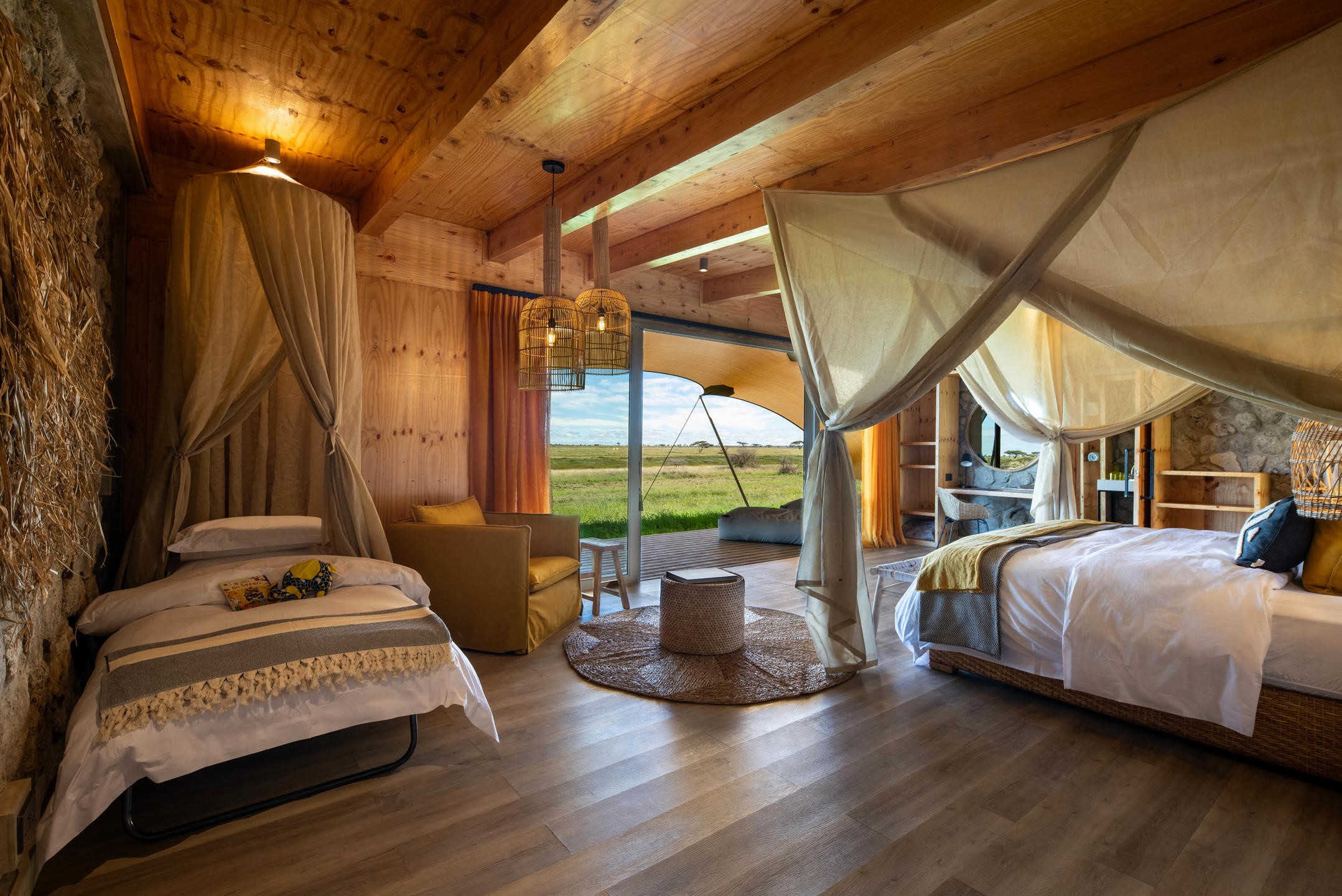
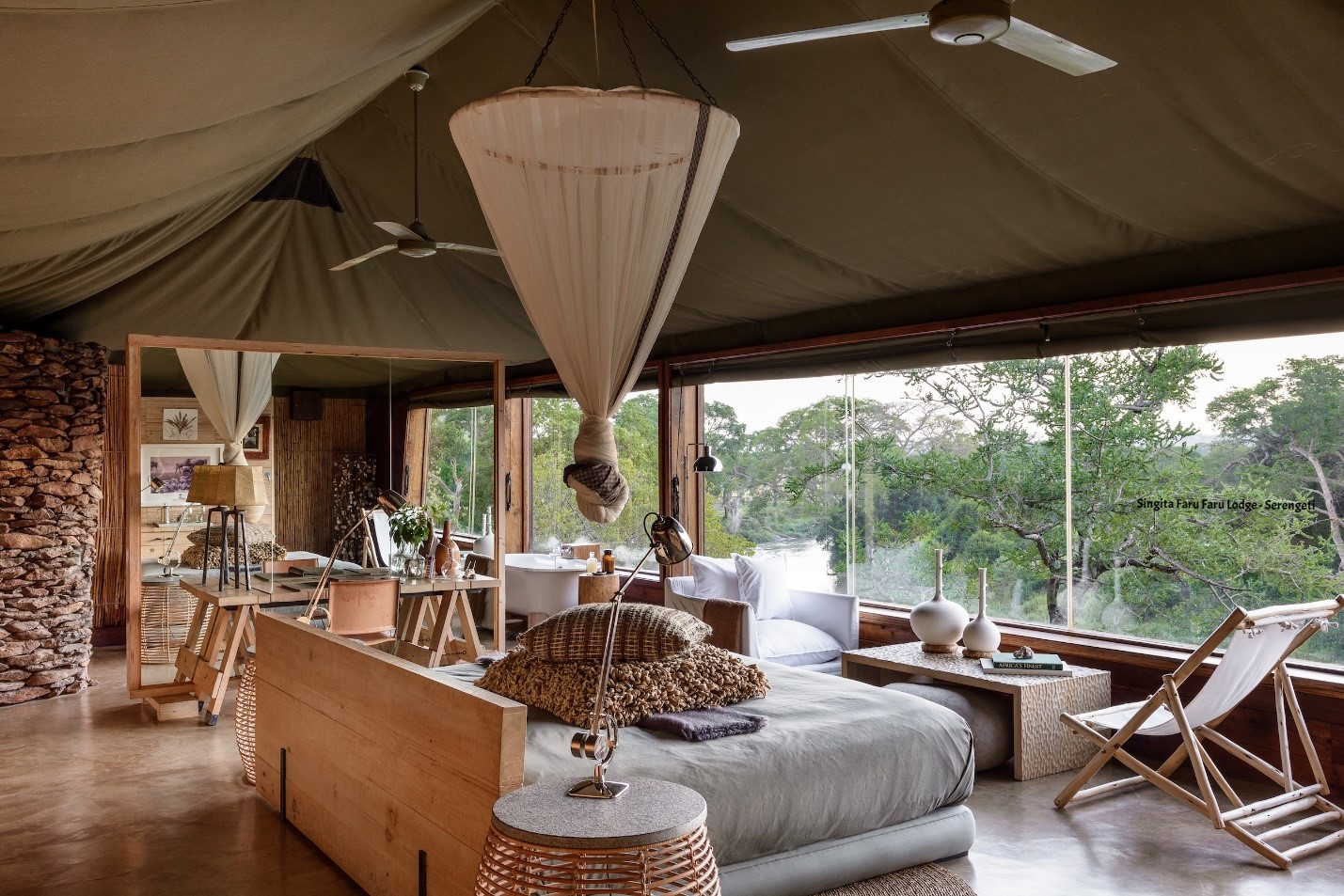
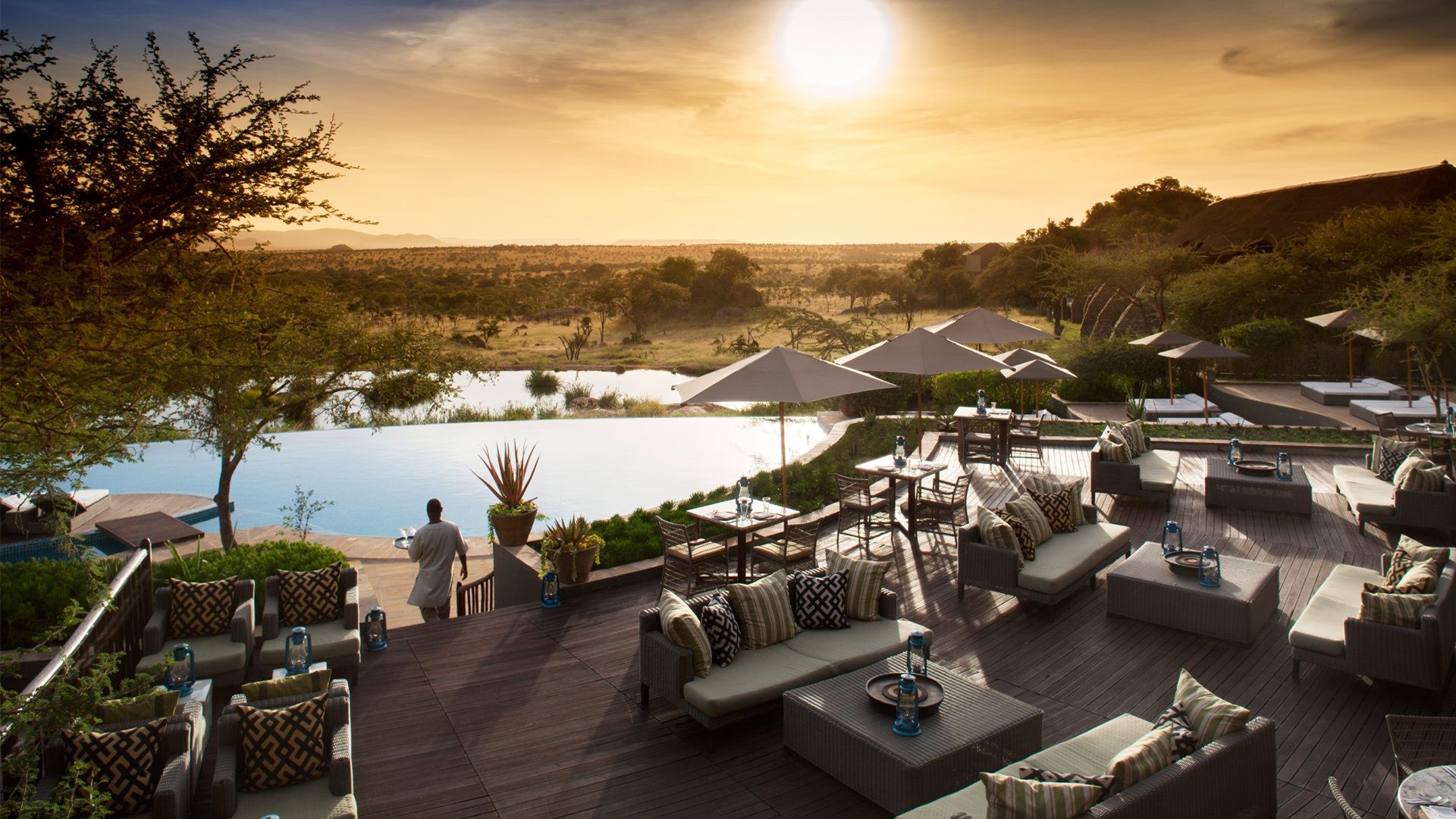
Month-based safari planning works best when accommodation is close to the active wildlife zones. Seasonal camps in Ndutu, central camps in Seronera, and northern camps in Kogatende help reduce transfer time and improve access to the best light.
- Arusha lodge for arrival and departure
- Karatu or Ngorongoro transit stay where useful
- Seasonal migration camp for southern months
- Central Serengeti or northern Serengeti camp in dry season
What photographers should pack
- Telephoto lens for wildlife behavior and portraits
- Wide-angle lens for landscapes and environmental scenes
- Extra batteries, cards, and charging accessories
- Dust and rain protection for seasonal variation
- Neutral safari clothing and layered outerwear
- Bean bag or stable support for vehicle shooting
Best planning advice
The best month is not always the busiest month. A quieter season can sometimes produce more creative, more atmospheric, and more satisfying photography if the route is built around the right wildlife areas and realistic expectations.
Example of altitude map route profile
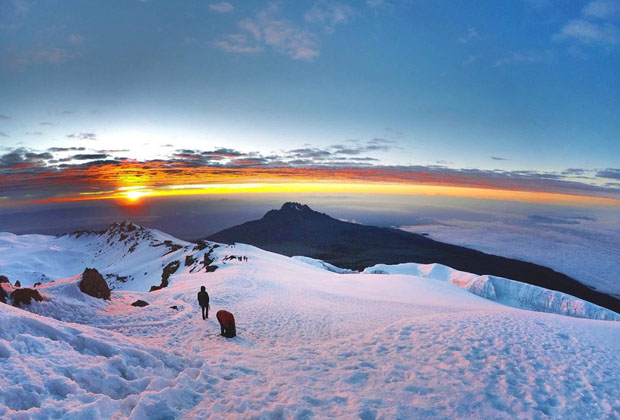
Although this is a wildlife safari and not a mountain climb, altitude still influences temperature, morning comfort, and how guests should pack. Ngorongoro and Karatu areas are cooler and higher, while Serengeti zones are moderate and easier for most safari travelers.
Karatu / Ngorongoro Area1,800–2,300 m
Northern Serengeti1,500–1,650 m
Example route profile
Arusha arrival → Karatu or Ngorongoro transit → seasonal wildlife base in Ndutu, Central Serengeti, or Northern Serengeti → return by road or scheduled flight.
Altitude planning note
Most guests do not need special acclimatization for a safari route, but cool early mornings in the highlands make layered clothing a smart choice.
Useful internal links for stronger safari planning
These pages can be placed naturally in different parts of the article to guide visitors deeper into your safari content and improve direct-booking flow.
FAQs for Tanzania photography safari by month
What is the best month for a photography safari in Tanzania?
The best month depends on what you want to photograph. February is excellent for calving season and predator action, while August to October is stronger for dry-season wildlife concentration and northern migration drama.
Which months are best for Serengeti migration photography?
Southern migration photography is especially strong from January to March, while northern Serengeti migration and river-crossing interest become more attractive from around August to October.
Is the green season good for wildlife photography?
Yes. The green season is excellent for scenic backgrounds, softer light, newborn wildlife, dramatic skies, and more artistic image composition.
Are dry-season months better than green-season months?
Not always. Dry-season months are often better for easier wildlife visibility and classic safari scenes, but green-season months can deliver more color, atmosphere, and emotional storytelling.
How many days should I book for a month-based photography safari?
Five to six days can work well for a focused safari, but seven to eight days is usually better for photographers who want flexibility, stronger coverage, and more sunrise and sunset opportunities.
Can Tanzania Adventures Group customize the safari by month?
Yes. Tanzania Adventures Group can tailor the itinerary according to travel month, wildlife targets, photography interests, accommodation level, and whether you prefer a private safari or a small group.
Which month is best for fewer crowds?
Travelers who prefer fewer vehicles often enjoy some green-season and shoulder-season months, especially when the route is carefully planned around active wildlife areas.
Can I combine different parks in one photography safari?
Yes. Many guests combine Serengeti with Ngorongoro, Tarangire, or Lake Manyara depending on the month, available time, and the style of wildlife images they want to achieve.
Plan your safari with the right month and the right route
Tanzania Adventures Group can help you choose the strongest travel month for migration photography, dry-season wildlife, green landscapes, predator action, or an all-round photographic safari. We organize private departures, custom family safaris, and small photography groups with flexible route design and well-matched accommodation.
This page helps visitors compare the year properly, understand seasonal strengths, and move confidently toward a direct booking inquiry with a safari plan built around photography results.
Best for direct-booking inquiries: send your preferred month, number of travelers, target animals, budget level, and whether you want a private safari or a small group.