are suitable for travellers who want a professionally guided Mount Kilimanjaro trek during a quieter month with fewer climbers and a more peaceful mountain experience.
November is usually part of the short rainy season, so proper preparation, good rain gear, and experienced guides are very important for a safe and comfortable climb. With Tanzania Adventures Group, our November Kilimanjaro climbing packages are carefully organized with professional mountain guides, porters, quality meals on the mountain, park fees, rescue fees, airport transfers, and hotel accommodation before and after the climb, depending on your selected package. Routes such as Rongai, Marangu, Machame, and Lemosho can be arranged based on your fitness level, budget, travel dates, and comfort preference, with strong attention to weather planning, altitude safety, and daily pacing. Whether you are looking for a private Kilimanjaro climb, solo trek, couple adventure, small group departure, or luxury guided package in November, our team helps you choose the best route and package for a safe, organized, and memorable journey to Uhuru Peak.
Best Guide Kilimanjaro Climb in November Packages are designed for travellers who want honest advice, professional mountain support, and a clear understanding of what it means to climb Mount Kilimanjaro during the short rainy season. November can be a rewarding month for prepared climbers because the mountain is quieter, the lower slopes are greener, and the experience feels more peaceful compared with the busiest trekking months.
At the same time, November requires serious planning. Rain, muddy trails, cloud cover, and colder summit conditions can be part of the experience. Tanzania Adventures Group helps you choose the right route, prepare the correct waterproof gear, understand the best number of days, and book a package that supports safety, comfort, and confidence from arrival to summit.
Tell us your travel dates, number of climbers, preferred route, fitness level, and whether you want a private or group climb. We will recommend the most suitable package.
November is not the driest month on Kilimanjaro, but it can still be a good choice for travellers who are flexible, well prepared, and interested in a quieter mountain experience. The month is known for short rains, especially around the lower forest and moorland zones, so climbers should expect possible wet trails and changing visibility. With the right route, good rain protection, and experienced guides, a November Kilimanjaro climb can still be successful and memorable.
November normally has fewer climbers than the peak months, making it suitable for travellers who prefer a calmer trekking atmosphere and more peaceful camps.
Route selection matters more in November. Our team helps you compare Rongai, Marangu, Machame, Lemosho, and Umbwe based on weather, comfort, fitness, and acclimatisation.
November climbers need proper waterproof clothing, warm summit layers, a steady pace, and good briefing before starting the trek. We guide you through everything before arrival.
This package is prepared for travellers who want practical guidance, honest weather advice, reliable mountain support, and a well-organised climb that considers the special conditions of November.
We explain the real advantages and challenges of November, including rain possibilities, muddy trails, quieter camps, and the importance of choosing the correct route.
You can book a private climb with flexible dates or join a shared departure if available. Private climbs are especially helpful in November because they allow better control of pace and timing.
Your trek is supported by licensed guides, assistant guides, porters, and a cook who understand altitude, camp routine, route conditions, and summit-night preparation.
We recommend enough trekking days to help your body adjust to altitude. Longer routes such as 7 Days Rongai, 7 Days Machame, or 8 Days Lemosho are better than rushing the mountain.
Airport transfers, hotel accommodation in Moshi, pre-climb briefing, equipment checking, and trailhead transfers can be arranged to make your trip smooth from arrival.
After the climb, you can continue to Tarangire, Ngorongoro Crater, Serengeti, Lake Manyara, or Zanzibar depending on your time and budget.
The program below shows how a professional Kilimanjaro climb in November can be arranged. The final day-by-day itinerary will depend on your selected route, number of days, arrival schedule, and travel style.
On arrival, you are welcomed by our team and transferred to your hotel in Moshi. This day is used for rest, trip briefing, and preparation. Your guide will check your mountain equipment carefully, with special attention to waterproof clothing, warm layers, gloves, rain cover, boots, gaiters, and sleeping bag quality. November preparation is important because wet conditions can make the climb colder and more demanding.
After breakfast, you drive to the starting gate of your selected route. The team completes registration while your luggage is weighed and organised. The first trekking day normally begins in the lower forest or mountain vegetation zone, where November rain can make the trail muddy. Your guide will set a slow, steady pace and help you manage the first day comfortably.
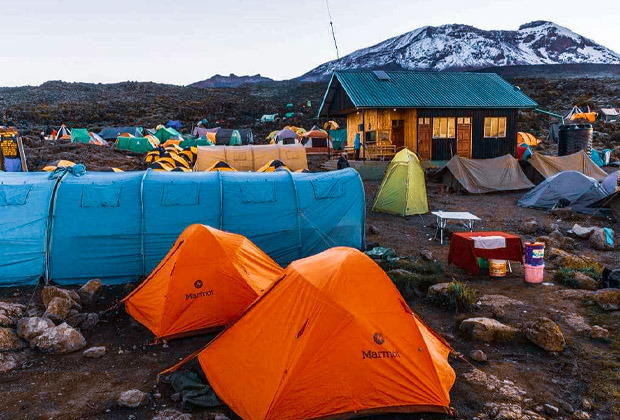
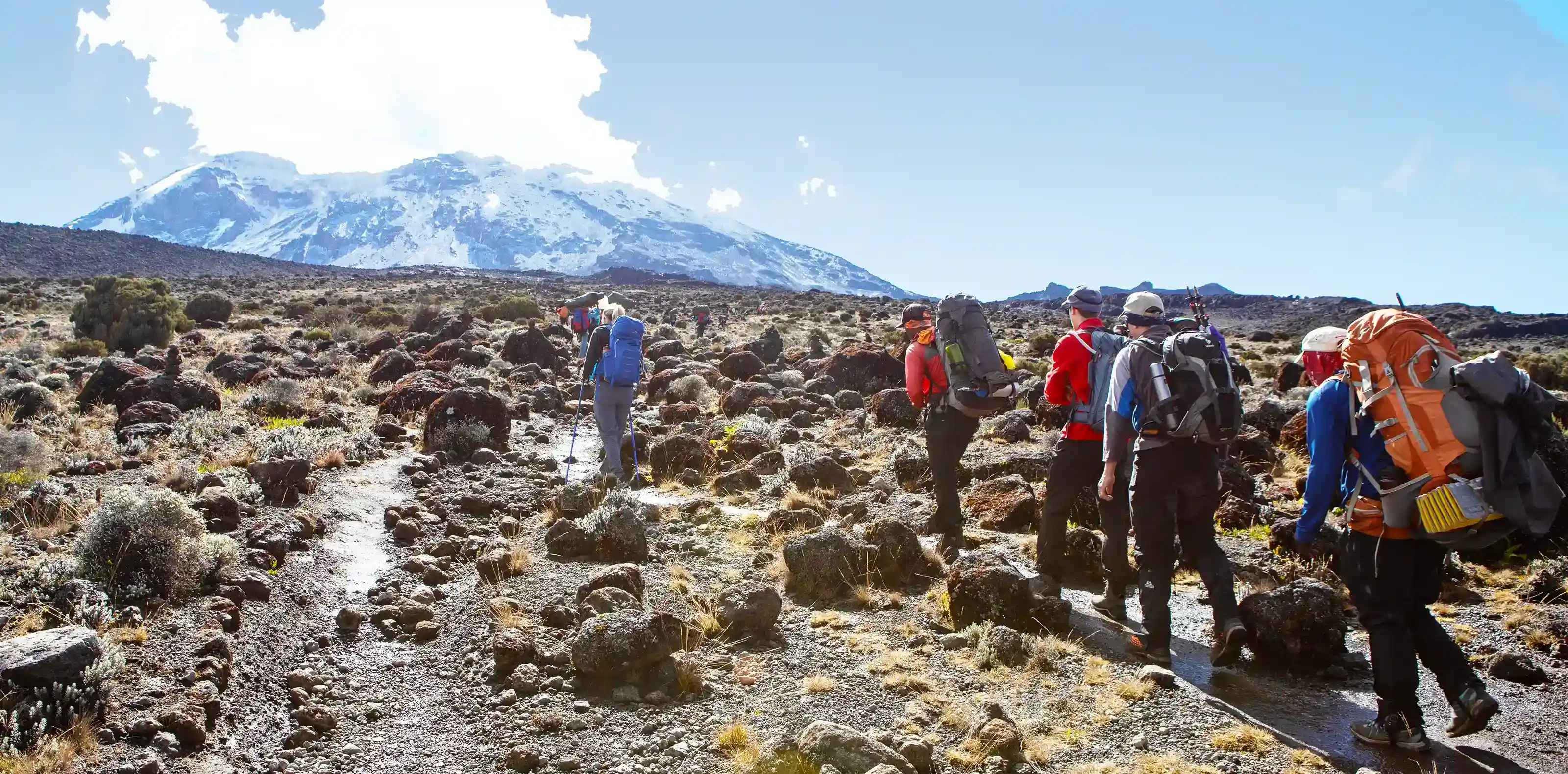
During the middle days, you continue through Kilimanjaro’s changing vegetation zones. Depending on your route, you may pass rainforest, moorland, open ridges, alpine desert, and high-altitude camps. In November, mornings can be better for walking, while afternoons may bring clouds or rain, so the team manages timing carefully. Meals are prepared by the mountain cook, and your guides continue monitoring your pace, hydration, appetite, and general condition.
A good November itinerary should avoid unnecessary rushing. Routes with better acclimatisation allow your body more time to adapt before summit night. Your guide will explain what to wear, how to pack your daypack, how much water to carry, and how to mentally prepare for the coldest part of the climb. This stage is very important because summit night is challenging in every season.
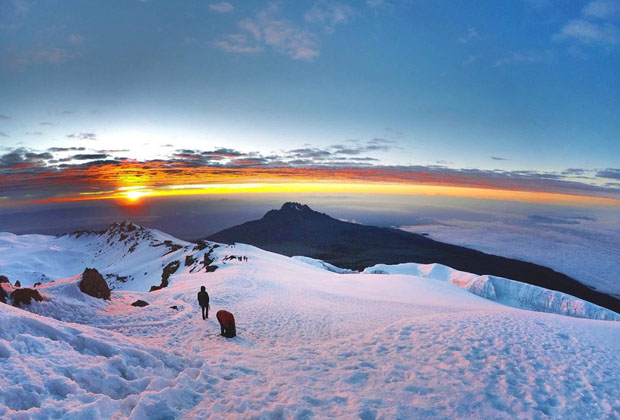
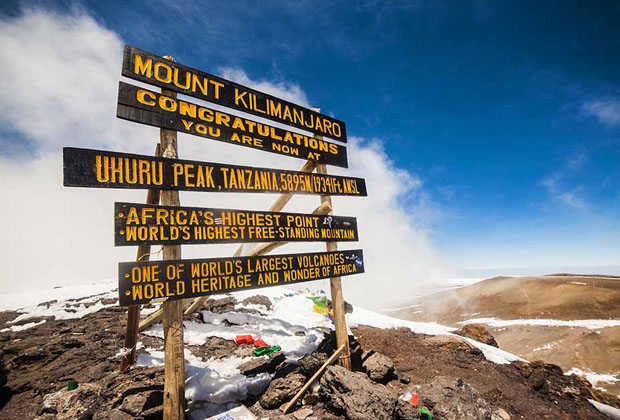
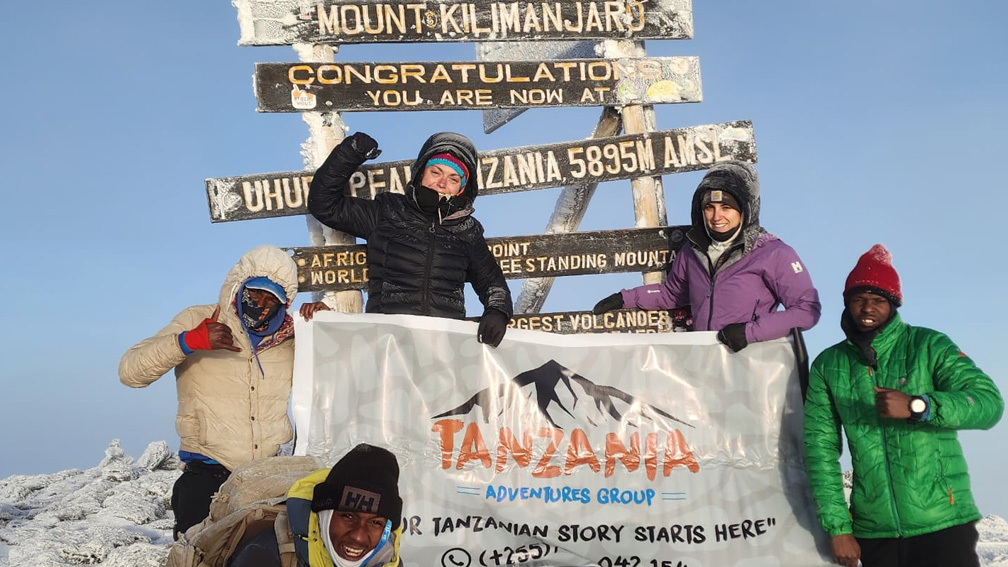
The summit attempt usually begins around midnight. Your guide leads you slowly towards Stella Point or Gilman’s Point before continuing to Uhuru Peak, the highest point in Africa. November summit conditions can be cold, windy, and unpredictable, so warm clothing and guide support are essential. After reaching the summit, you descend carefully to a lower camp for rest, food, and recovery.
After breakfast, you complete the final descent to the exit gate. Successful climbers receive Kilimanjaro certificates before returning to Moshi for a hot shower, rest, and celebration. If you have booked an extension, our team can continue with your safari, Zanzibar beach holiday, cultural tour, or airport transfer.
In November, route choice should be made carefully. Some travellers prefer the northern approach because it can be drier, while others prefer hut accommodation or longer acclimatisation routes. The best route depends on your fitness, budget, trekking experience, and comfort with wet conditions.
| Route | Duration | Best For | November Advice | View Package |
|---|---|---|---|---|
| Rongai Route | 6 or 7 Days | Travellers who prefer a quieter northern approach and a steadier trekking rhythm. | Often recommended for November because the northern side can be more sheltered. The 7-day option gives better acclimatisation and a more comfortable pace. |
6 Days Rongai 7 Days Rongai |
| Marangu Route | 5 or 6 Days | Climbers who prefer hut accommodation instead of camping. | Marangu can be attractive in wetter months because climbers sleep in huts. The 6-day option is usually better than 5 days because it gives more acclimatisation time. |
5 Days Marangu 6 Days Marangu |
| Machame Route | 6 or 7 Days | Active travellers who want scenery, challenge, and a popular camping route. | Machame is beautiful but can be wetter and muddier in November. The 7-day option is better for pace and acclimatisation than the shorter version. |
6 Days Machame 7 Days Machame |
| Lemosho Route | 7 or 8 Days | Travellers who want a scenic route with more acclimatisation time. | Lemosho is a premium route with excellent scenery and better acclimatisation, but climbers should be prepared for rain in the lower sections during November. |
7 Days Lemosho 8 Days Lemosho |
| Umbwe Route | 6 Days | Very fit and experienced trekkers looking for a steep route. | Umbwe is steep and demanding. It is not usually the first recommendation for November unless the climber is experienced, fit, and comfortable with difficult trail conditions. | 6 Days Umbwe |
The price depends on the selected route, number of trekking days, private or group arrangement, hotel level, number of climbers, airport transfers, and any safari or Zanzibar extension after the climb.
This is an indicative starting price per person for selected 6-day Kilimanjaro routes. The final quotation will be prepared based on your travel dates, route choice, group size, and service level.
A good November package should not only focus on price. It should include experienced guides, reliable mountain support, proper pacing, strong pre-climb briefing, and a route that matches the season.
November can work for both private and group climbs, but private arrangements are often preferred by travellers who want flexibility with pace, timing, and route selection. Group climbs may still be available depending on dates and demand.
A private climb gives you your own dates, your own mountain crew, and a more flexible trekking rhythm. This is a strong option in November because the guides can manage timing carefully around weather patterns, group comfort, and route pace. It is ideal for couples, families, friends, photographers, and travellers who want personal attention.
A group climb is suitable for solo travellers and budget-conscious climbers who want to share the experience. Because November has fewer climbers than peak season, group availability may depend on confirmed dates. If you prefer joining a group, it is better to enquire early so we can match you with the best available departure.
Departure dates can be arranged throughout November for private climbs. Shared group dates depend on the route and confirmed climbers. Travellers should allow enough time for arrival, equipment checking, and possible safari extensions after the climb.
Suitable for travellers who want to climb before the short rains become stronger. Route choice and waterproof preparation are still important.
A quieter period on the mountain. Best for flexible climbers who accept possible rain and want fewer people on the trail.
Good for travellers connecting into December holidays, but conditions can still be wet. A private route plan is recommended for better flexibility.
We provide clear package information so travellers understand what is covered before confirming. The final inclusions may vary depending on the route, hotel level, and whether you choose a private or group climb.
November preparation should focus on rain protection, warmth, comfortable walking fitness, and mental readiness for changing conditions. Kilimanjaro is a non-technical climb, but altitude, cold, and wet trails can make it challenging.
Bring a quality waterproof jacket, waterproof trousers, backpack rain cover, dry bags for clothes, gaiters, and quick-drying layers. Staying dry helps you stay warm and comfortable.
Summit night is cold in every season. Pack thermal base layers, fleece or insulated mid-layer, down jacket, warm gloves, beanie, balaclava, wool socks, and a good headlamp.
Prepare with walking, hiking, stairs, cardio training, and leg-strength exercises. You do not need to be a professional athlete, but you should be comfortable walking for several hours on consecutive days.
Use comfortable, broken-in hiking boots with good grip. November trails may be muddy or slippery in some sections, so strong footwear is very important.
Walk slowly, drink enough water, eat well, and follow guide instructions. The challenge on Kilimanjaro is often altitude, not only distance.
Choose travel insurance that covers high-altitude trekking and emergency evacuation. This is important for every Kilimanjaro climb, especially during a weather-sensitive month.
Compare these Kilimanjaro routes and choose the option that matches your travel dates, fitness level, comfort preference, and budget.
A quieter northern approach and one of the most practical route choices to consider for a November Kilimanjaro climb.
View 7 Days Rongai RouteA shorter Rongai option for travellers who want the northern approach but have limited time for the climb.
View 6 Days Rongai RouteA hut-based Kilimanjaro route suitable for climbers who prefer sleeping in mountain huts instead of tents.
View 6 Days Marangu RouteA scenic camping route with better acclimatisation than the shorter Machame program, recommended for active travellers.
View 7 Days Machame RouteA premium scenic route with more acclimatisation time, suitable for travellers who want a longer and more complete Kilimanjaro experience.
View 8 Days Lemosho RouteCompare all Kilimanjaro routes, durations, and package styles before choosing the best climb for your November travel plan.
View All Kilimanjaro TreksThe number of trekking days is one of the most important decisions for a November Kilimanjaro climb. More days usually allow better acclimatisation, less pressure, and a more comfortable experience, especially when trail conditions are wet.
Usually available on Marangu Route, but it is a faster option with less acclimatisation time. It is not always the best choice for beginners.
A practical choice for routes such as Rongai, Marangu, Machame, or Umbwe. It can work for prepared climbers with limited time.
Recommended for travellers who want better acclimatisation, a more comfortable pace, and stronger preparation before summit night.
Climbing Kilimanjaro in November requires flexibility and preparation. Conditions can change quickly between lower forest, moorland, alpine desert, and summit zones. Our guides help you manage pace, clothing layers, hydration, food intake, and summit-night preparation.
November can bring rain, clouds, and muddy sections, especially in lower zones. Travellers should prepare for both wet and cold conditions instead of expecting only dry weather.
Arriving at least one day before the trek is strongly recommended. This gives enough time for rest, briefing, equipment checking, and final preparation before starting the route.
Your guides manage walking pace, monitor your condition, advise on clothing layers, and help you handle the mental and physical challenge of altitude.
We focus on realistic advice, safe pacing, organised logistics, and clear communication so travellers understand the full experience before confirming.
Travellers book with us because we provide clear information, quick communication, professional local guides, and honest route advice before they arrive in Tanzania.
We explain route choices, weather expectations, equipment needs, inclusions, exclusions, and booking steps so travellers can make confident decisions.
Our guides, cooks, and porters work together to support comfort, safety, camp routine, meals, and encouragement throughout the climb.
Beyond Kilimanjaro, we can help with safari extensions, Zanzibar beach stays, airport transfers, cultural tours, and accommodation before or after the climb.
These answers help travellers understand the most important points before booking a November Kilimanjaro climb.
November can be a good month for travellers who want fewer crowds and are prepared for rain. It is not the driest month, so proper waterproof gear, flexible planning, and experienced guides are important.
Rongai is often a strong route to consider in November because it approaches from the northern side of the mountain. Marangu can also be attractive for travellers who prefer hut accommodation. Machame and Lemosho are possible, but climbers should prepare for wetter lower sections.
Yes, beginners can climb in November if they are well prepared, choose the right route, allow enough trekking days, and understand that rain and muddy trails may be part of the experience.
A private climb can be very useful in November because it gives more flexibility with pace, route timing, and personal support. Group climbs may also be available depending on confirmed dates.
You should pack waterproof jacket and trousers, warm summit layers, gaiters, rain cover, dry bags, quality hiking boots, thermal clothing, gloves, beanie, headlamp, trekking poles, and a suitable sleeping bag.
Yes. You can add Tarangire, Ngorongoro Crater, Serengeti, Lake Manyara, or Zanzibar after the climb. We can design a complete Tanzania holiday depending on your travel dates and budget.
Early booking is recommended so there is enough time to prepare gear, confirm the best route, organise hotel accommodation, arrange transfers, and plan any safari extension after the climb.
Send us your travel dates, number of climbers, preferred route, fitness level, and whether you want a private or group climb. Tanzania Adventures Group will recommend the best route, itinerary, preparation advice, and price for your November Kilimanjaro package.
A Tanzania safari adventure is more than just a trip—it’s a life-changing experience that immerses you in the raw beauty of nature, diverse wildlife, and rich cultural heritage. Exploring Tanzania’s vast landscapes, from the iconic Serengeti to the majestic Ngorongoro Crater, allows you to witness the Great Migration, encounter the Big Five, and connect with nature in its purest form.
Beyond wildlife, a safari in Tanzania offers a profound cultural exchange. Engaging with the Maasai and other indigenous communities provides insight into traditional ways of life, enriching your travel experience. Whether you seek adventure, relaxation, or personal transformation, a Tanzania safari is an unforgettable journey that leaves a lasting impact.
A private Tanzania safari adventure offers an exclusive and personalized experience, allowing you to explore the country’s breathtaking landscapes and extraordinary wildlife at your own pace. Unlike group safaris, a private safari provides flexibility in itinerary planning, ensuring that your journey is tailored to your specific interests.
Beyond the personalized experience, a private safari enhances comfort, privacy, and intimacy, making it ideal for couples, families, or small groups seeking a more secluded and luxurious journey. This level of exclusivity not only elevates your safari experience but also fosters a profound connection with Tanzania’s untamed beauty.
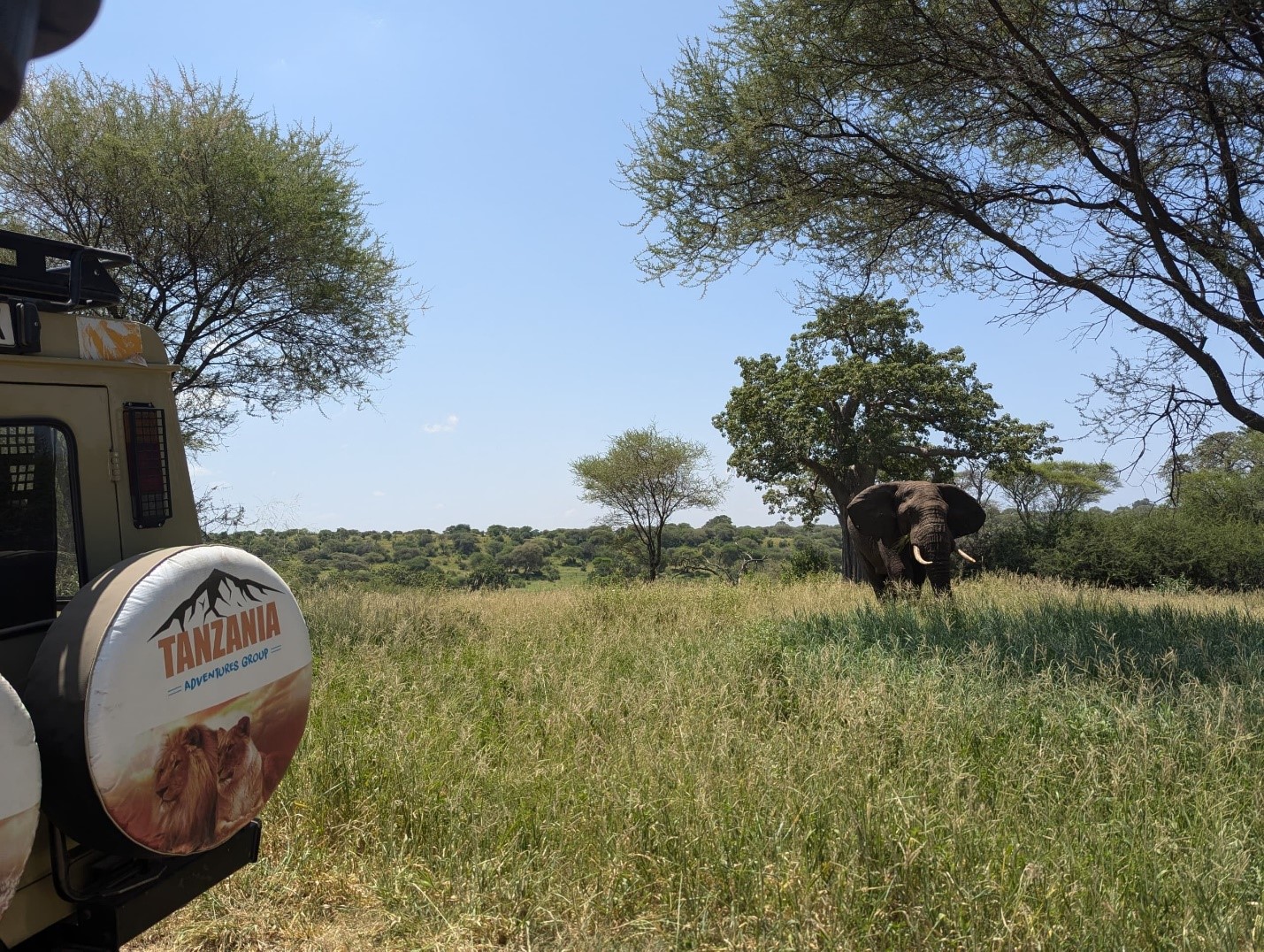
At Tanzania Adventures Group, we believe that every journey should be as unique as the traveler. Our dedicated team of experts will work closely with you to craft the perfect itinerary, ensuring your experience is tailored to your preferences, interests, and budget.
We offer a range of accommodations and travel experiences suited to different budgets and expectations. Our price guide provides a clear overview of seasonal variations—low, mid, and high— as well as accommodation categories: Budget Standard Accommodations, Mid Standard Accommodations, Loyal Standard Accommodations, and Luxury Standard Accommodations.
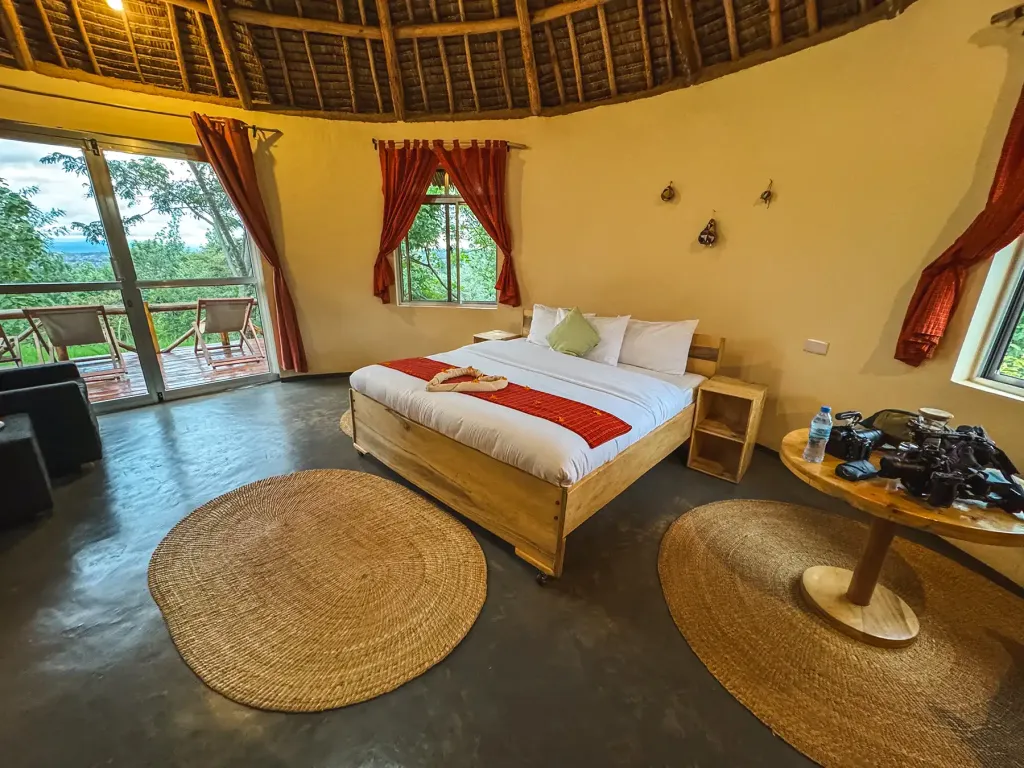
Our Budget Standard Accommodations offer a comfortable and budget-friendly stay in Africa. While not luxurious, they provide clean and well-maintained rooms with cozy beds, private bathrooms with hot showers, and inviting dining areas. Some properties are set in beautiful surroundings and may feature swimming pools or other amenities. WiFi availability may be limited to certain areas, and meals are typically served buffet-style. These accommodations ensure a pleasant and relaxing overnight stay while keeping your adventure affordable.
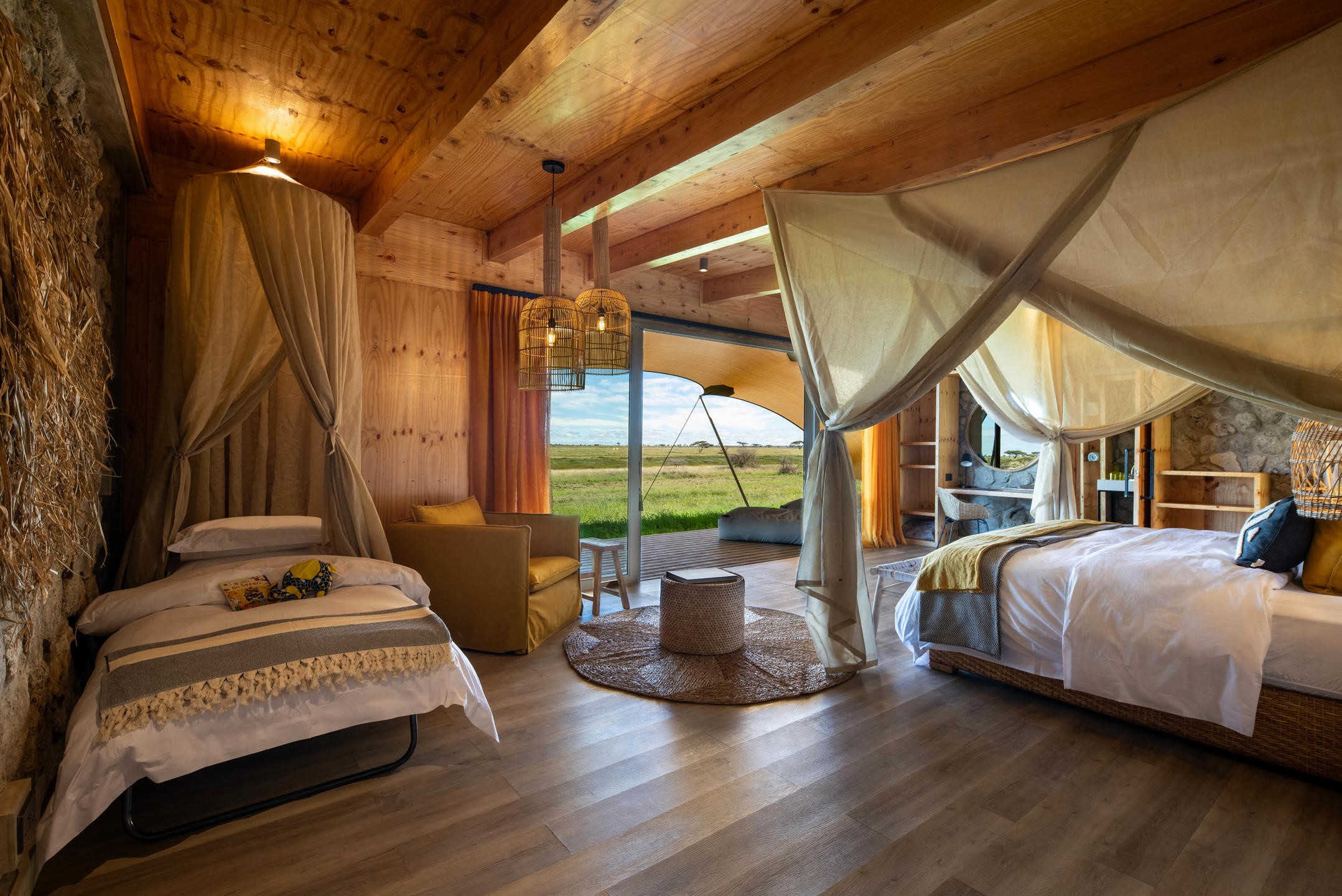
Our Mid Standard Accommodations offer an elevated level of comfort and luxury, perfect for those seeking a refined stay. These lodges and camps are thoughtfully designed, often set in stunning locations, providing a blend of elegance and nature. Enjoy spacious rooms with plush beds, fully equipped bathrooms, and private balconies overlooking breathtaking landscapes. Guests can savor delicious meals from buffet or à la carte menus and enjoy complimentary access to swimming pools. As an added delight, you may even spot wildlife right from your lodge.
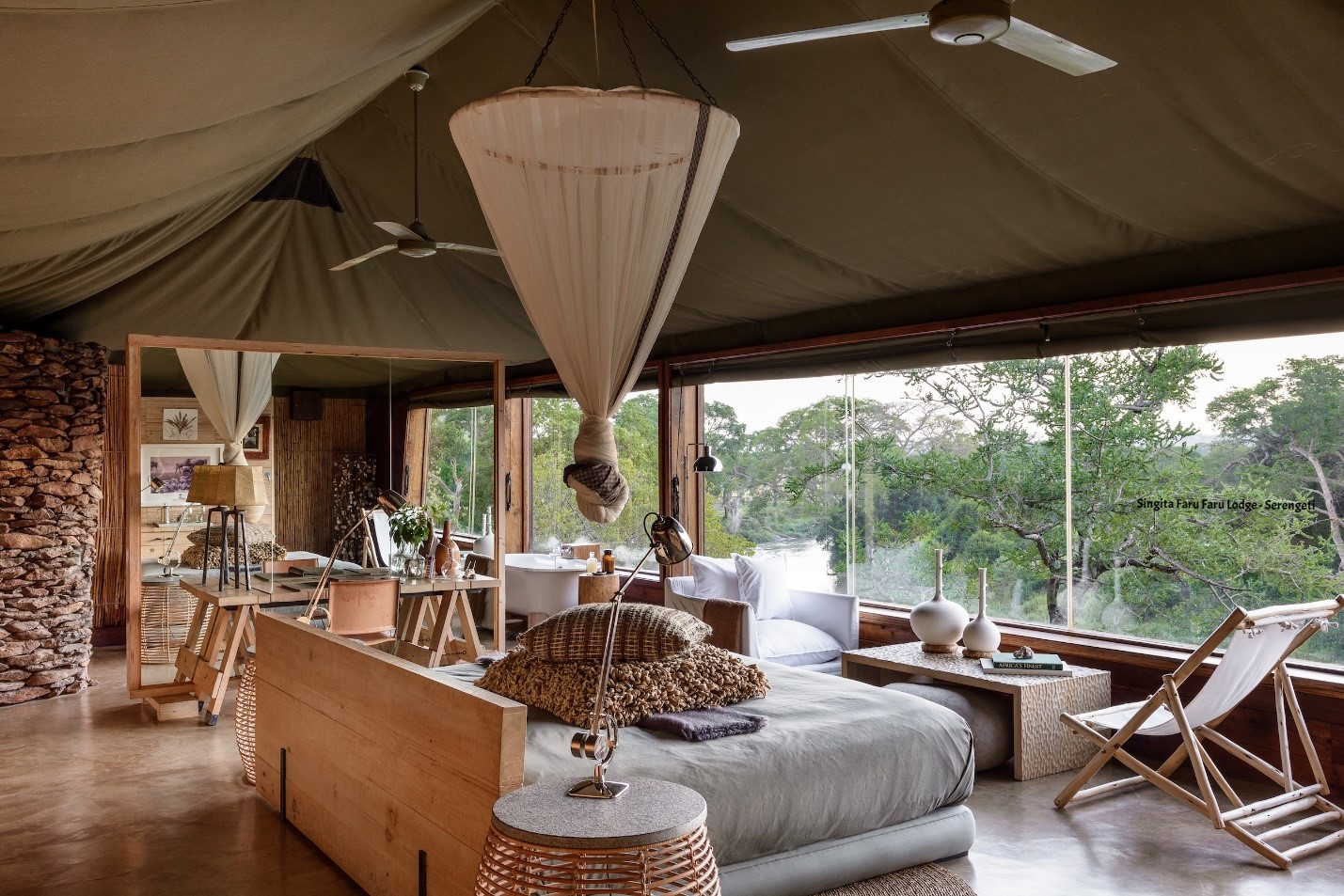
Our Loyal Standard Accommodations redefine luxury, offering exquisitely designed lodges and resorts in breathtaking locations. These premium stays provide top-tier service, ensuring every detail is perfectly catered to your comfort. Expect spacious, elegantly furnished rooms with lavish beds, private plunge pools or open-air rain showers, and stunning terraces with plush seating to take in the magnificent views. With gourmet dining and impeccable hospitality, these accommodations immerse you in Tanzania’s beauty.
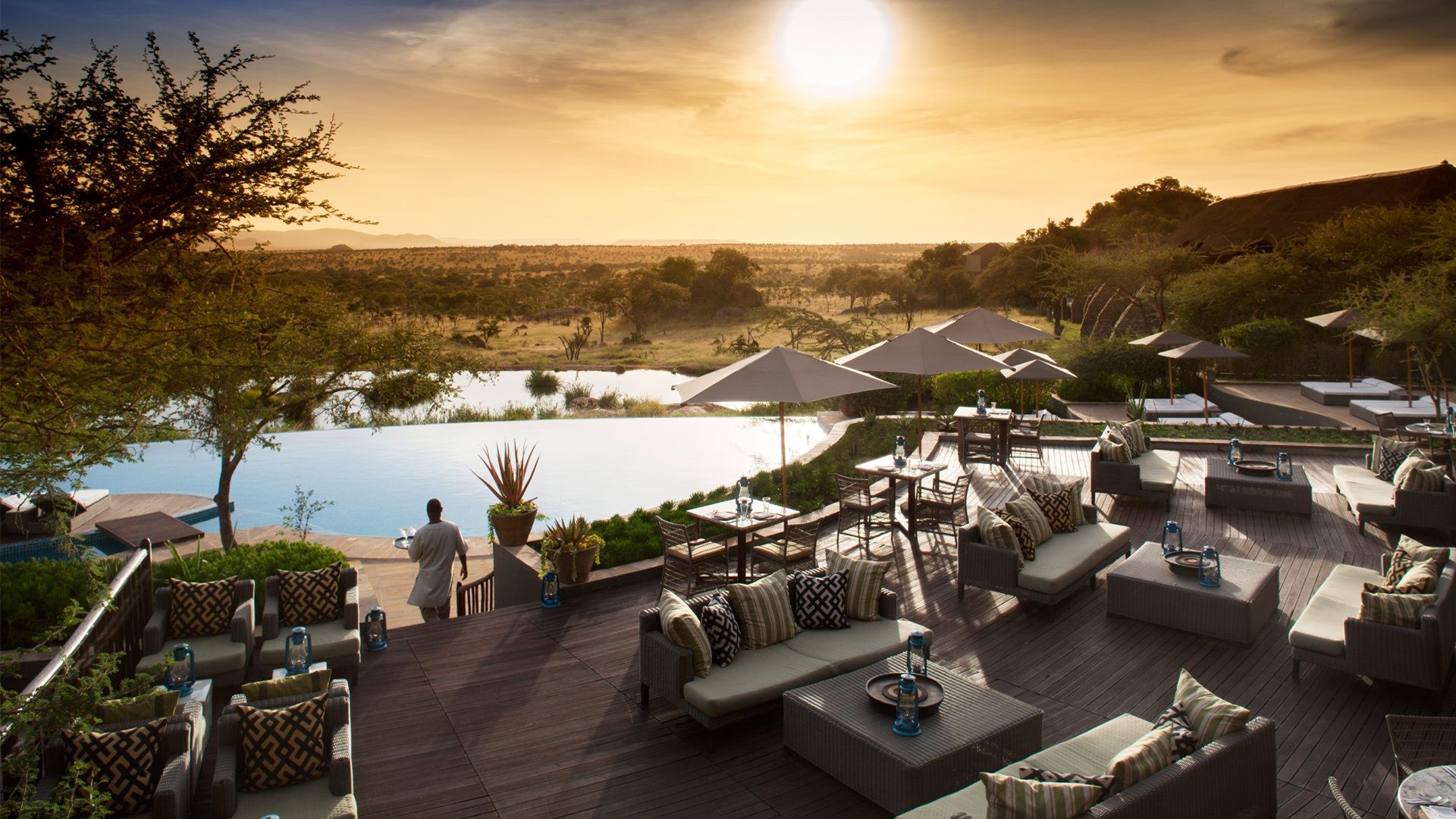
Our Luxury Standard Accommodations offer the pinnacle of elegance, exclusivity, and comfort. These exceptional stays are set in breathtaking locations, whether on private islands, treetop suites, or lodges perched on crater rims. Enjoy sundowners from your private plunge pool, gourmet dining at world-class restaurants, and luxury spa treatments. Wake up to fresh coffee served by your private butler as you take in the beauty of Tanzania’s wildlife from your terrace. This is the epitome of refined travel, ensuring a truly unforgettable adventure.