

Kilimanjaro Climb FAQs
Your Kilimanjaro questions, answered
Choosing a route is only the beginning. Find practical answers about preparing for altitude, life on the mountain, packing, weather and travel arrangements. Your confirmed itinerary and written booking details determine the services included in your climb.
Kilimanjaro Choose a route with enough time
The right climb is the one that fits your time, walking experience and preference for tents or huts. A route with more mountain days gives you more opportunity to settle into the pace. Compare each daily schedule before choosing on price alone. We can talk through the differences between Lemosho, Machame, Marangu, Rongai and Northern Circuit.
Explore the related questions below, or contact us for guidance tailored to your travel dates.

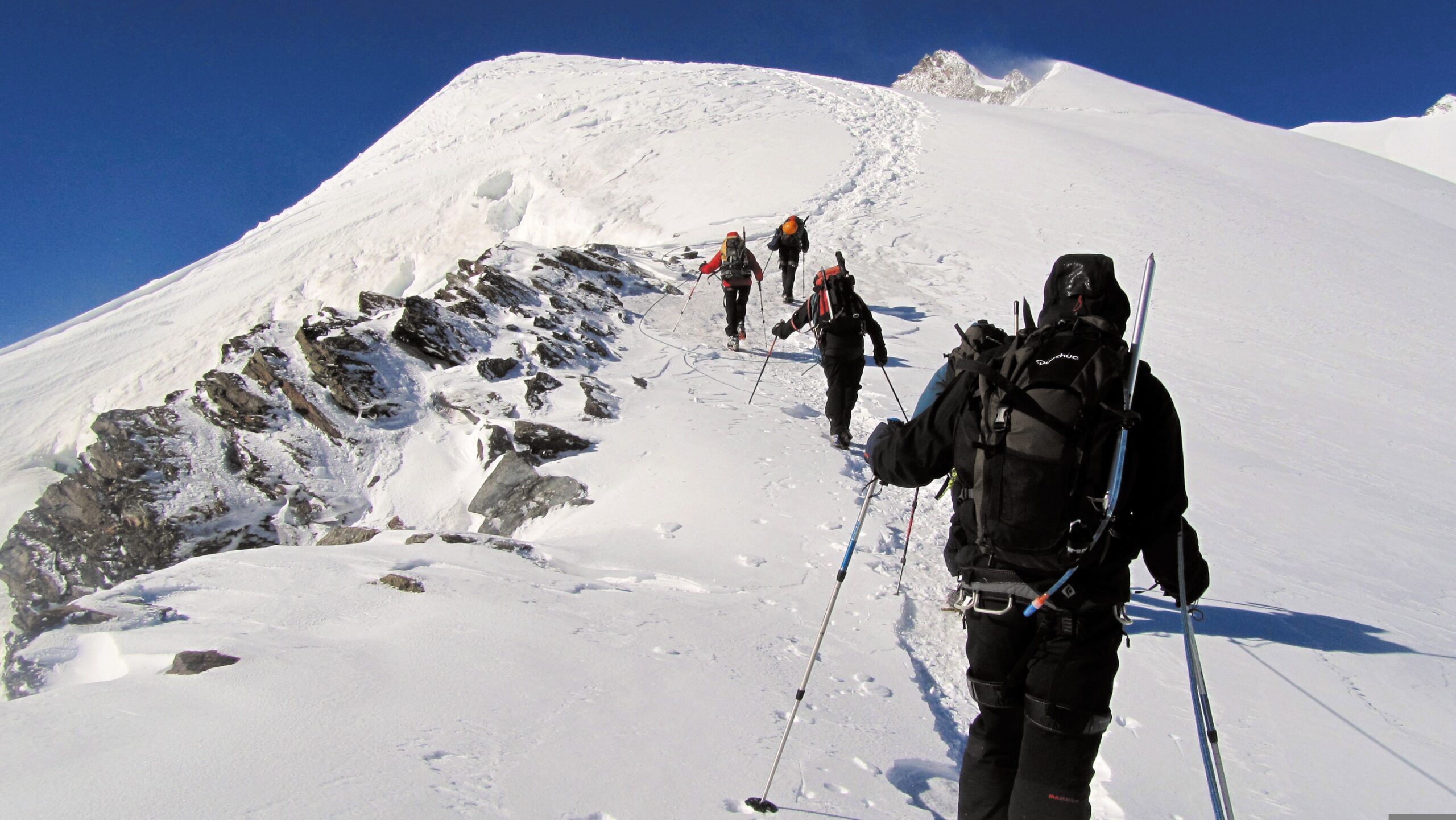
Kilimanjaro Prepare for the mountain, not just the summit
Train for several consecutive walking days, practise with your boots and keep your daypack comfortable. Conditions change from warm trails to cold, windy high ground. Pack in layers, plan a travel buffer before departure and share any medical concerns with a qualified professional and your guide.
Explore the related questions below, or contact us for guidance tailored to your travel dates.
Kilimanjaro Understand life at camp
Your accommodation, food service, water arrangements and equipment vary with your route and package. Marangu has huts; most other standard routes use tents. Confirm precisely what your booking includes, what can be rented and which personal items you must bring.
Explore the related questions below, or contact us for guidance tailored to your travel dates.
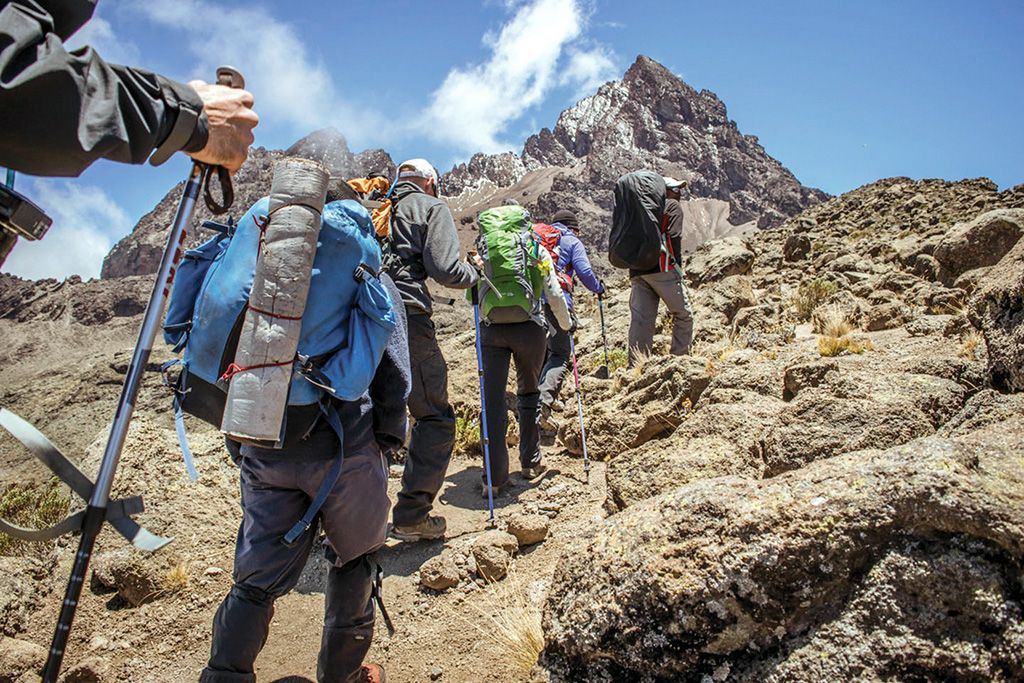
Kilimanjaro Know what you are booking
The written itinerary should identify the route and dates, park fees, guide and crew, accommodation, transfers, mountain meals, exclusions, cancellation terms and emergency arrangements. Keep the final confirmation and insurance details accessible while traveling.
Explore the related questions below, or contact us for guidance tailored to your travel dates.
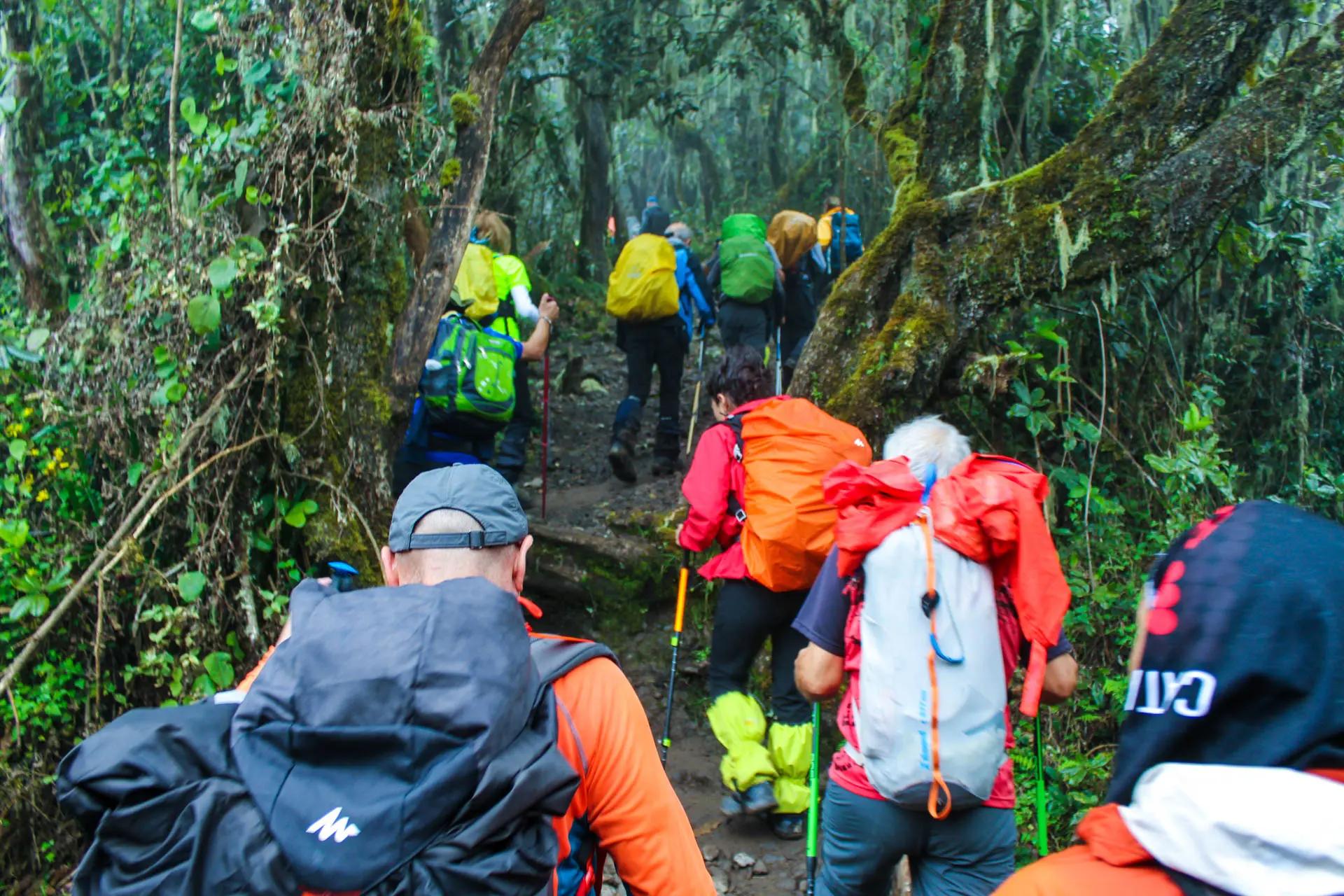
Choosing your climb
14 answers to help you prepare
Which Kilimanjaro route should I choose?
Your route depends on the number of days available, accommodation preference and the pace you want. Marangu uses huts; Machame, Lemosho, Rongai and the Northern Circuit generally use tents. Compare complete day-by-day itineraries and time for acclimatization before deciding.
How many days do I need to climb Kilimanjaro?
Most itineraries spend about five to nine days on the mountain, depending on the route. Longer schedules can give your body more time to adjust to altitude, but no itinerary guarantees a summit. Ask us for a route comparison based on your dates.
Do I need technical climbing experience?
Most standard Kilimanjaro routes are trekking routes rather than technical rock climbs. You still need to handle long walking days, uneven ground, cold conditions and high altitude. Some sections can feel steep or exposed.
Can a beginner climb Kilimanjaro?
Yes, many first-time high-altitude trekkers attempt Kilimanjaro. Prepare with regular walking, hill training and a realistic itinerary. Speak with your healthcare professional about any condition that may affect your trip.
Is there a guaranteed summit success rate?
No. Weather, health, altitude response and individual circumstances vary. Choose a sensible pace and an itinerary that allows time for acclimatization; follow your guide’s safety decisions.
Can I climb as a solo traveler?
Yes. Ask about a private climb or a scheduled group departure. Availability, group size, departure dates and prices need confirmation before booking.
How do the Machame and Lemosho routes differ?
Machame usually approaches from the southwest and follows a comparatively busy trail. Lemosho starts farther west and often allows more time on the mountain. The routes can share sections later in the climb; the exact program depends on your chosen itinerary.
What makes the Marangu route different?
Marangu uses shared mountain huts instead of tents and normally ascends and descends on the same trail. A five-day schedule gives less adjustment time than a six-day version with an additional acclimatization day.
Is the Northern Circuit worth considering?
The Northern Circuit is usually a longer itinerary that travels around Kilimanjaro’s northern slopes. It suits travelers who can spend more days trekking and want a different route experience.
What is the difference between a private climb and a group climb?
A private climb is arranged for your party and can offer more flexibility over dates and pace. A group departure brings travelers together on a scheduled itinerary. Check group size, inclusions and departure confirmation before booking.
Can I switch routes after booking?
Changes may be possible before permits and other arrangements are finalized, depending on availability and booking terms. Contact us promptly and request any revised price or conditions in writing.
Is Kilimanjaro suitable for someone afraid of heights?
Standard routes are walks, but some rocky sections and steep slopes can feel exposed. Tell us your concern before choosing a route so we can describe the relevant trail sections accurately.
How many hours will we walk each day?
Walking times differ by route, trail condition and pace. Summit day is typically longer than ordinary trekking days. Review the daily schedule of your chosen itinerary rather than relying on one average.
What altitude is Uhuru Peak?
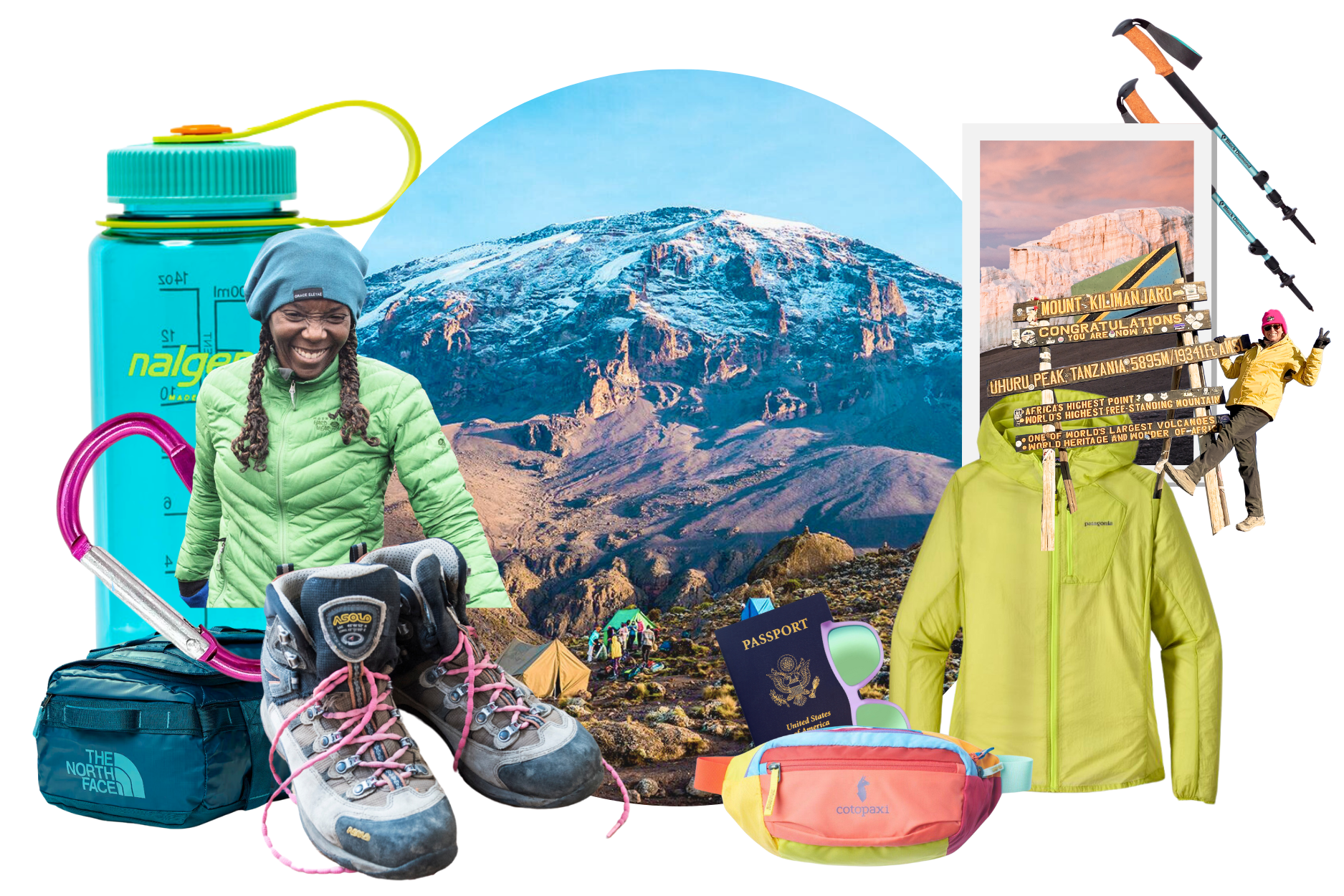
Uhuru Peak, Kilimanjaro’s highest point, is commonly listed at 5,895 metres above sea level. Reaching that altitude is physically demanding even though standard routes are nontechnical.
Preparation and altitude
13 answers to help you prepare
How should I train for Kilimanjaro?
Build up regular hikes, including hills and long days on your feet. Practice with the boots and daypack you will use. Allow recovery time and build fitness gradually before travel.
How does altitude affect climbers?
Lower oxygen availability at altitude can affect anyone regardless of fitness. Symptoms can include headache, nausea, dizziness and unusual fatigue. Tell your guide promptly about symptoms; worsening symptoms require assessment and may require descent.
Does a longer route prevent altitude sickness?
Extra acclimatization time can help, but it cannot eliminate altitude illness. Your guide will assess how you are doing; descend or change the plan when safety requires it.
Should I take altitude medication?
Only take medication after discussing your health, itinerary and possible side effects with a qualified clinician. Do not start a prescription medicine based on a general website FAQ.
What happens if I become ill on the mountain?
Tell your guide as soon as symptoms appear. The team will assess the situation, adjust the plan and arrange descent or evacuation when necessary. Ask us about the emergency arrangements for your specific booking and check your insurance coverage.
What if I walk more slowly than my group?
A steady pace is normal on Kilimanjaro. Tell your guide how you are feeling and ask how the group will manage different walking speeds on your particular itinerary.
How far in advance should I start training?
Start early enough to build walking endurance steadily. Several months of regular hikes can be more useful than intense last-minute sessions. Adapt your plan to your existing fitness and seek professional guidance where appropriate.
Do I need to train with a backpack?
Yes. Practice carrying a small daypack on hills so you can adjust the straps, organize daily items and check comfort before traveling.
Can being very fit prevent altitude problems?
High fitness helps with walking demands, but it does not make anyone immune to altitude illness. Pay attention to symptoms, allow time to adjust and report problems to your guide.
What should I tell the guide about my health?
Share relevant health conditions, allergies, medication and any new symptoms privately before and during the climb. Medical information helps your guide respond appropriately, but a guide does not replace a clinician.
What if I cannot continue toward the summit?
A safe turnaround is a valid outcome. Your guide will arrange a descent plan based on your condition, group arrangements and trail conditions. Confirm emergency procedures and insurance before departure.
Should I schedule a rest day before climbing?
Arriving ahead of your mountain departure gives time for delayed luggage, a gear check and recovery from travel. Ask us how hotel nights and briefing time fit your chosen package.
Can I climb Kilimanjaro while pregnant or with a medical condition?
High altitude and strenuous activity require individual medical assessment. Discuss your plans with a qualified clinician and tell the operator about any needs that affect your itinerary.
Weather, gear and mountain life
20 answers to help you prepare
When is the best time to climb Kilimanjaro?
Kilimanjaro is climbed in different seasons, but conditions vary considerably between months and from one trip to the next. Ask us about expected rainfall and temperature for your preferred dates; always pack for rain, wind and summit cold.
How cold is summit night?
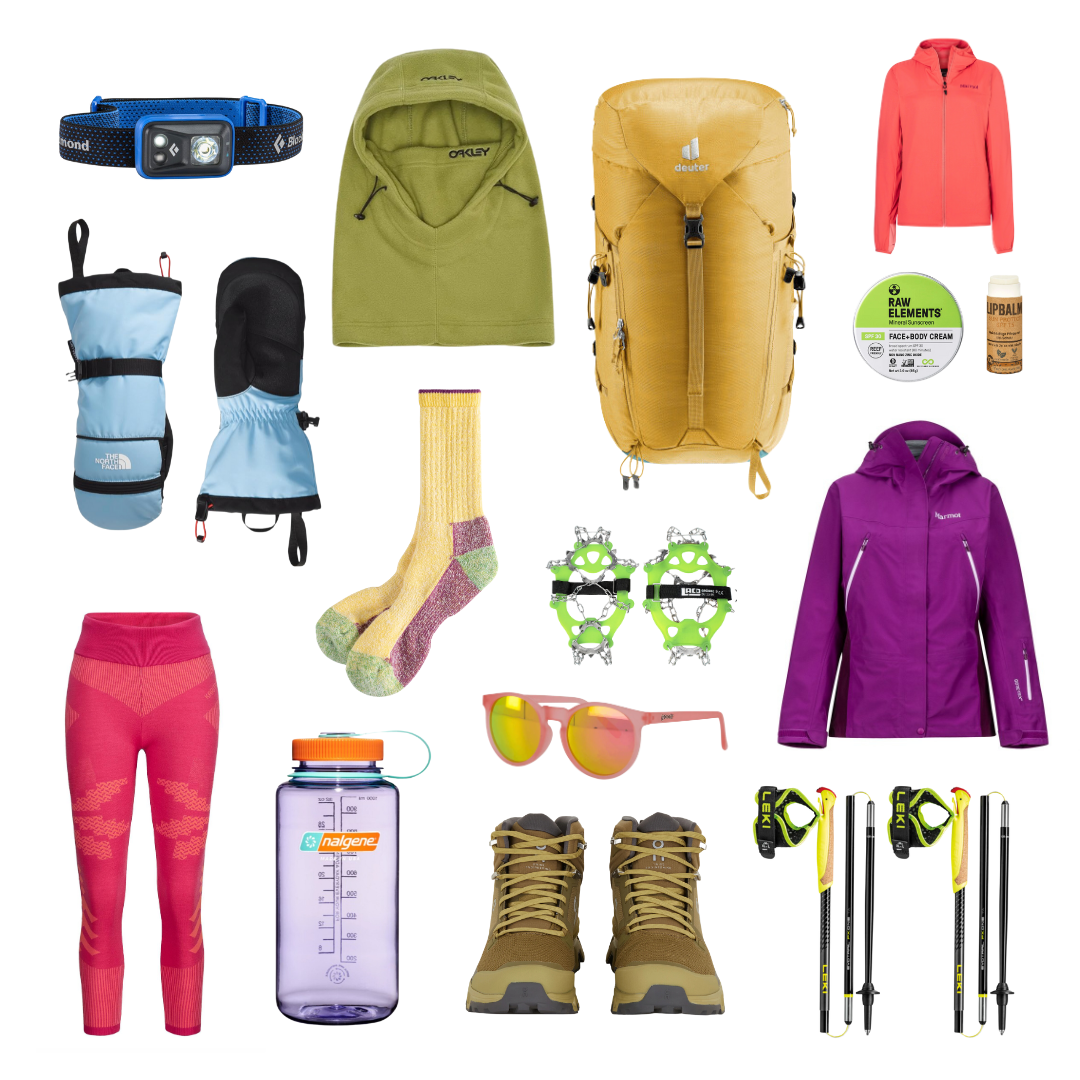
Summit conditions can fall well below freezing, especially with wind. Actual conditions vary. Pack thermal layers, an insulated jacket, waterproof outerwear, warm gloves, head protection and a reliable headlamp.
What equipment should I pack?
Bring broken-in hiking boots, layered clothing, rain protection, a daypack, warm sleeping gear when required, water containers, sun protection and personal essentials. See our full Kilimanjaro packing list for details.
What should I carry in my daypack?
Keep water, snacks, a rain layer, warm layer, sunscreen, medication, valuables and a headlamp accessible. Your main duffel usually travels separately with the support crew; confirm your porter allowance.
Can I rent trekking equipment in Tanzania?
Some specialist gear may be available to rent locally. Ask for an itemized list, sizes, condition and rental prices before travel; do not assume a particular item is included.
Where do we sleep on the mountain?
Marangu uses designated shared huts. Most other popular routes use tents at mountain camps. Bedding and mattress arrangements depend on the package; confirm the exact inclusions.
Are toilets and showers available?
Facilities vary by route and camp. Expect basic toilets and limited washing arrangements, with no expectation of a hot shower during the trek. Ask whether a private toilet is included or can be arranged.
What food and drinking water are provided?
The menu, meal schedule and water treatment arrangements depend on your booked package. Tell us about dietary needs in advance and ask which meals and drinks are included.
Is there mobile signal or charging on Kilimanjaro?
Coverage and charging opportunities vary by location and weather. Do not rely on continuous service; bring a charged power bank and tell family that communication may be limited.
What happens on summit night?
Many routes start their summit attempt before dawn. Expect several hours of slow walking in cold and darkness, followed by a descent. Your guide will explain the schedule and assess conditions on the day.
What should I wear on summit night?
Use a thermal base layer, warm mid-layer, insulated jacket and windproof or waterproof outer layer. Add warm gloves or mittens, hat, face covering and suitable socks. Try the full combination on before travel.
Do I need waterproof hiking boots?
Well-fitted, broken-in boots with grip and weather protection are a sound choice. Trail surfaces may be wet, dusty, rocky or icy depending on conditions. Prioritize a comfortable fit.
What kind of sleeping bag should I bring?
Bring a bag suitable for cold mountain nights and your itinerary’s accommodation type. Check its actual comfort rating and ask which sleep equipment can be rented or is included.
Do I need trekking poles?
They are optional for many climbers but can help with balance and downhill comfort. Practice adjusting and using them on training walks.
Is there drinking water every day?
Your package should specify how water is collected and treated. Carry enough containers for the recommended daily supply and ask how the crew refills them at camps.
Can the mountain accommodate vegetarian or other diets?
Special dietary needs can often be planned in advance, but arrangements depend on what is available for your trip. Tell us about allergies and restrictions when requesting the itinerary and confirm the plan before booking.
Where can I charge my camera and phone?
Power access is limited and varies by route and accommodation. Bring a power bank, conserve battery and keep devices protected against cold and moisture.
Can I take a shower while climbing?
Do not count on regular showers on the mountain. Bring a quick-dry towel, wipes and simple hygiene supplies, and ask which washing arrangements are included.
How do porters carry the main bags?
The crew transports the duffel between camps while you carry your daypack. Agree on the bag weight allowance and what the operator supplies before departure; do not rely on access to your duffel during the walking day.
What should I do with rubbish?
Carry personal waste and packaging until it can be disposed of properly. Use a small sealable bag for used wipes and keep the mountain environment clean.
Booking and travel
17 answers to help you prepare
Which airport should I fly to?
Kilimanjaro International Airport (JRO) commonly serves climbs based around Moshi and Arusha. Some travelers use Arusha Airport (ARK) for domestic flights. Confirm your arrival point and transfers with us before booking flights.
Do I need a visa for Tanzania?
Requirements depend on nationality and the purpose of travel. Check the current rules with Tanzania’s official immigration service before booking; do not rely on another traveler’s visa arrangements.
Do I need travel insurance?
We strongly recommend coverage that explicitly includes trekking to your itinerary’s altitude, medical treatment, evacuation and trip disruption. Check the policy wording and provide emergency details before the climb.
What does my Kilimanjaro package include?
Included services depend on the itinerary and quotation. Check the written breakdown for park fees, guide and crew, mountain meals, accommodation, transfers, equipment and hotel nights.
What extra costs should I budget for?
Depending on your quotation, plan for flights, visa, insurance, personal gear, rentals, tips and any meals or hotel nights outside the itinerary. Ask for a written list of exclusions.
How much should I tip the mountain crew?
Tipping practices depend on crew size, route length and your package. Request the current crew breakdown and tipping guidance for your confirmed climb before departure.
Can children or older travelers climb?
Suitability depends on health, experience and current park rules; restrictions may apply to young children. Ask us to verify requirements for your party and obtain individual medical advice before booking.
Can I combine a climb with a safari or Zanzibar?
Yes. We can help plan a safari or Zanzibar stay around your Kilimanjaro climb, allowing suitable travel and rest time between activities.
How do I book my climb?
Send your preferred route, dates, number of travelers and any special requirements through our booking form. We will confirm the itinerary, availability, inclusions, final price and booking terms in writing.
How early should I book my climb?
Booking earlier offers more choice of routes, dates, guides and hotel nights. Allow enough time for travel paperwork, flights, training and equipment preparation.
When will I receive my final itinerary?
Ask for a written itinerary before paying. It should show the route, days, accommodation, transfers, included services, exclusions, payment schedule and cancellation terms.
Can I change my dates after paying a deposit?
Date changes depend on availability and the agreed terms. Ask for a written change policy and a revised confirmation before making travel changes.
Are airport transfers included?
This depends on the package. Check whether pickup and drop-off at JRO or ARK are included, and provide your flight number after confirmation.
Is my pre-climb hotel included?
Hotel nights are not identical across climb quotations. Check the exact number of nights, meal plan and whether an extra rest night can be added.
Do I need cash on the mountain?
You will normally settle bookings and extras through your operator, but you may need cash for tips or personal purchases. Ask about the preferred payment method and keep valuables secure.
Can I book a safari after the climb?
Yes. Many travelers prefer safari after the mountain to allow flexible recovery time. We can tailor a combined itinerary to your travel dates and budget.
What if my flight or luggage is delayed?
Contact the operator as soon as you know. Arriving at least a day before the climb gives more time to resolve delays and check gear; any changes are subject to availability and booking terms.