
Lake Babati is a lesser-known but charming lake located in the Manyara Region of northern Tanzania. This guide provides detailed information about Lake Babati, including its location, features, activities, and practical tips for travelers.
Lake Babati offers a peaceful and scenic escape in northern Tanzania. Whether you’re interested in birdwatching, fishing, or simply enjoying the natural beauty, Lake Babati provides a tranquil retreat in a less-visited part of Tanzania.
:For inquiries, custom tours, or assistance, please don’t hesitate to contact us. Our team is dedicated to helping you plan your dream adventure. Reach out today, and let’s turn your travel aspirations into unforgettable experiences WhatsApp +255754042154 or Email: info@tanzaniaadventures.co.tz..
Tanzania Adventures
The lake is relatively small compared to other lakes in Tanzania, covering an area of about 60 square kilometers (23 square miles).
Lake Babati is known for its serene environment, birdwatching opportunities, and as a peaceful retreat away from the more touristy areas of Tanzania. It’s an ideal spot for those looking to explore off-the-beaten-path destinations.
Scenery: The lake is surrounded by lush vegetation, with beautiful views of the surrounding hills and countryside. It offers a tranquil setting with clear waters and picturesque landscapes.
Wildlife: The lake and its surroundings are home to a variety of bird species, including pelicans, cormorants, and herons. It is also a habitat for various fish species.
Activities: Popular activities around the lake include birdwatching, fishing, boat trips, and relaxing by the water. The lake is also a great spot for picnicking and photography.
Lake Babati is a haven for bird enthusiasts. Bring binoculars and a field guide to spot various bird species that frequent the are<\p>
Fishing is a popular activity on Lake Babati. You can fish for species such as tilapia. Make sure to check local regulations and obtain any necessary permits for fishing.
Taking a boat trip on the lake is a great way to explore its surroundings and enjoy the peaceful atmosphere. Local guides can offer boat rides and share information about the lake and its ecosystem.
The scenic beauty of Lake Babati makes it an excellent location for photography. Capture the tranquil waters, birdlife, and the surrounding landscape.
Find a scenic spot by the lake for a relaxing picnic. Enjoy the serene environment and the natural beauty of the area.
Season: The best time to visit Lake Babati is during the dry season from June to October. During this period, the weather is more stable, and the chances of rain are lower.
Weather: Expect warm temperatures with occasional cool breezes. The wet season, from November to May, can bring heavy rains and might make travel and activities more challenging
By Road: The most common way to reach Lake Babati is by road from Arusha or Babati. The journey from Arusha takes around 2-3 hours by car.
Transport: You can hire a private vehicle or use local transportation options, such as buses or shared taxis. Ensure the vehicle is suitable for the road conditions.
Nearby Lodging:
Babati Town offers several lodging options ranging from budget guesthouses to mid-range hotels. Examples include Babati Tourist Hotel and Lake Babati Hotel.
Camping: There are also opportunities for camping around the lake, but make sure to check with local authorities or tour operators for recommended sites and permissions.
Safety: Lake Babati is generally safe for travelers, but always exercise caution and be aware of your surroundings.
Follow local advice regarding safety and health.
Permitsp: For certain activities, such as fishing or guided boat trips, you may need permits or to make arrangements with local authorities or operators.
Health: Ensure you have appropriate vaccinations and health precautions for traveling in Tanzania. Bring insect repellent to protect against mosquito bites.
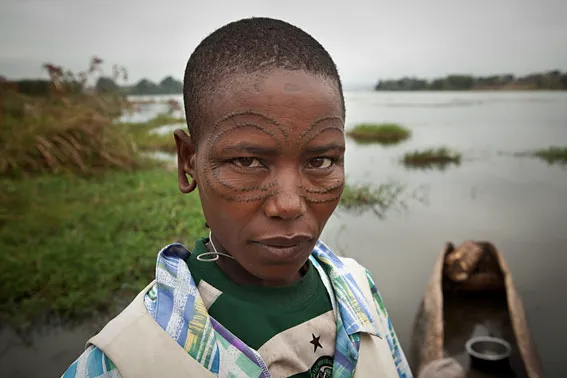
Respect Local Customs: The area around Lake Babati is inhabited by various local communities. Be respectful of local traditions and customs.
Engage with Locals: If possible, engage with local residents to learn about their culture and daily life.