Geography and Location:
Location: North-central Tanzania, bordering the Serengeti National Park.
Size: Approximately 2,200 square kilometers.
Terrain: Features a mix of woodland, open plains, and riverine forests. It also includes the Mbono and Duma rivers.
Wildlife::
Maswa Game Reserve is renowned for its rich biodiversity and significant wildlife populations, including:
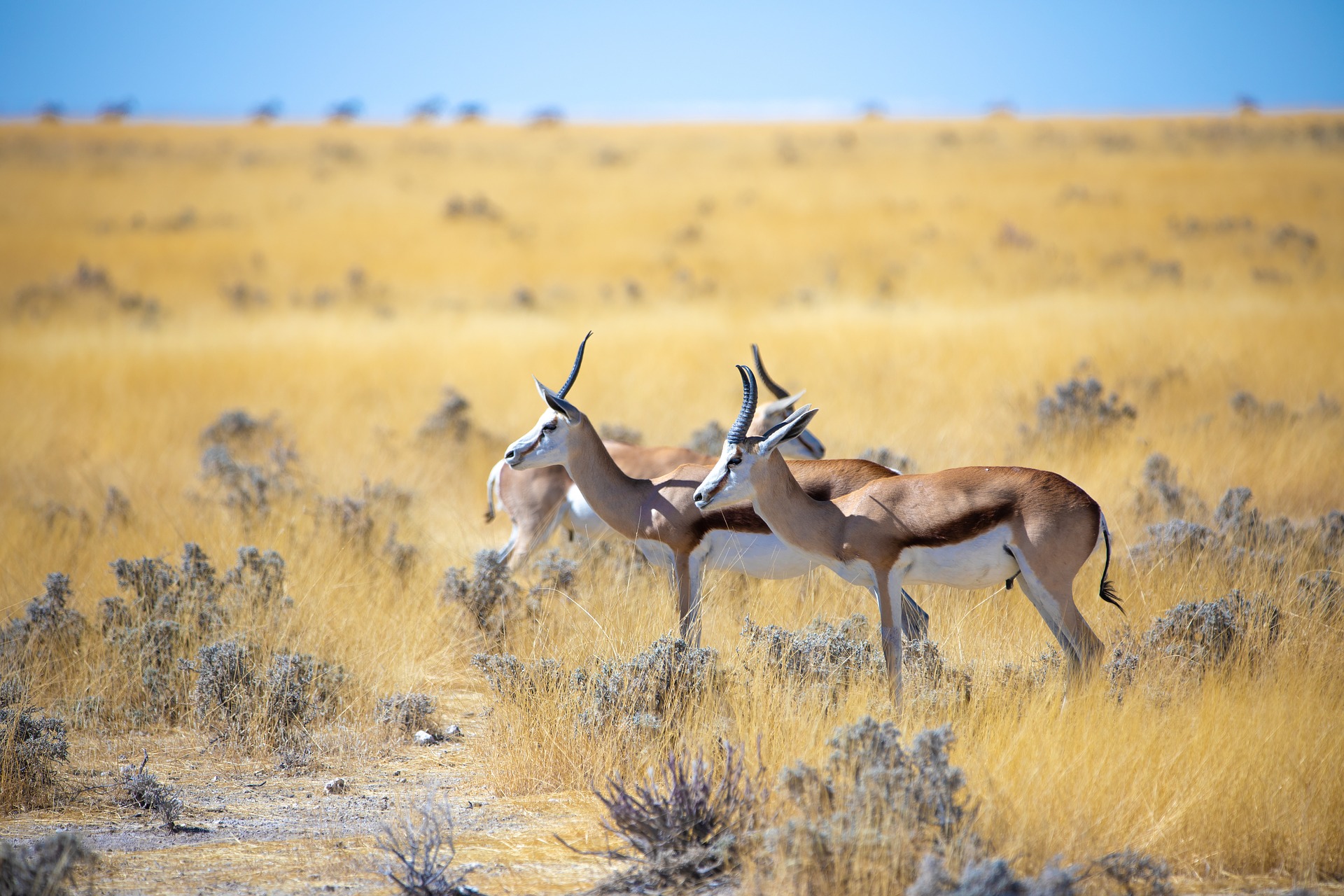
Mammals: Elephants, lions, leopards, cheetahs, giraffes, buffalo, zebras, wildebeest, and a variety of antelope species.
Birdlife: Over 400 species of birds, including raptors, waterfowl, and migratory species.
Predators: High density of predators such as lions, leopards, and hyenas, making it a prime location for predator-prey interactions.
Great Migration::
Maswa Game Reserve is an important part of the wildebeest migration route. During the migration season (typically from November to May), large herds of wildebeest, zebras, and gazelles move through the reserve, providing spectacular wildlife viewing opportunities.
Activities::
Visitors to Maswa Game Reserve can enjoy a range of activities, including:
Game Drives: Explore the reserve with guided game drives, which offer opportunities to see a variety of wildlife in their natural habitat.
Walking Safaris: Experience the bush on foot with experienced guides, offering a closer look at the flora and fauna.
Bird Watching: With a rich avian population, the reserve is a birdwatcher's paradise.
Cultural Visits: Engage with local communities and learn about their traditional lifestyles and practices.
Accommodation::
While Maswa Game Reserve is less developed compared to neighboring Serengeti, it offers a range of accommodations, including:
Luxury Tented Camps: These provide a comfortable and immersive experience with all the amenities, including en-suite bathrooms, fine dining, and guided tours.
Mobile Camps: Set up during the migration season to offer closer access to the herds.
Lodges: Located within or near the reserve, offering various levels of comfort and services.
Best Time to Visit::
Dry Season (June to October): Best time for wildlife viewing as animals gather around water sources.
Wet Season (November to May): Ideal for witnessing the Great Migration and bird watching, as well as seeing lush, green landscapes.
Conservation and Management::
The reserve is managed by the Tanzania Wildlife Authority (TAWA).
Conservation efforts focus on protecting wildlife habitats and ensuring sustainable tourism practices.
Collaboration with local communities to promote conservation and provide economic benefits.
Getting There::
By Air: The nearest major airport is Kilimanjaro International Airport (JRO), with charter flights available to nearby airstrips.
By Road: Accessible by road from Arusha or Serengeti National Park, though the journey can be long and requires a 4x4 vehicle.
Tips for Visitors:
Ensure you have the necessary permits and documentation for entry.
Pack appropriately for the climate, with light clothing for the day and warmer layers for the evening.
Bring binoculars and a good camera for wildlife viewing and photography.
Respect local customs and wildlife guidelines to ensure a safe and enjoyable experience.