helps travelers choose the best month and location to follow the movement of the wildebeest migration across the Serengeti ecosystem.
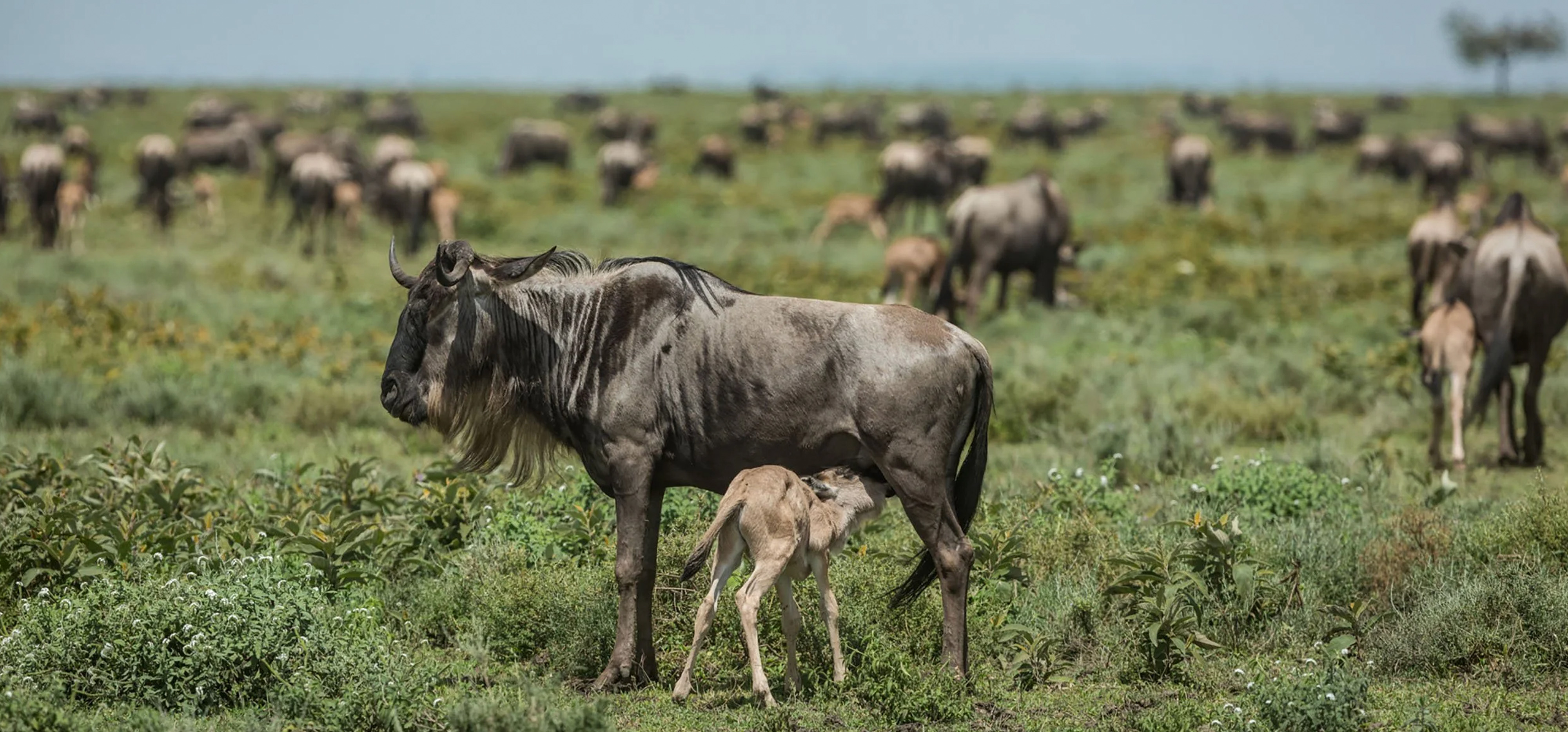
From January to March, the herds are usually in the southern Serengeti and Ndutu plains for calving season, which is excellent for seeing newborn animals and predator action. From April to June, they begin moving through the central and western Serengeti, while July to October is famous for dramatic river crossings in the northern Serengeti near the Mara River. By November and December, the herds often start moving back toward the southern plains as the cycle begins again. Because rainfall affects exact movements each year, a well-planned Serengeti migration safari timing guide is essential for choosing the right route, season, and accommodation for the best wildlife-viewing experience.
A successful migration safari is not only about booking Serengeti. It is about choosing the right month, the right safari zone, and the right style of travel. This guide helps travelers understand when the herds are usually in the southern plains, western corridor, central Serengeti, and northern Serengeti so they can plan a stronger wildlife experience.
The Serengeti Migration Safari Timing Guide is useful for travelers planning safaris in 2026, 2027, and 2028, especially guests who want to match their travel dates with calving season, predator action, Grumeti movement, or Mara River crossing season. Timing matters because the migration follows rainfall and grazing patterns, not a fixed calendar date.
The Great Wildebeest Migration is a year-round movement of wildebeest, zebra, and gazelle across the Serengeti ecosystem. What changes each month is where the largest concentrations of animals are most likely to be found. This is why safari planning should always be based on the season and the best matching camp location.
In general, January to March favors the southern plains and calving areas, April to June sees movement through central and western sections, and July to October is more associated with the northern Serengeti and river crossing season. November and December often mark the movement back toward the south.
This is the most important season for guests who want to experience calving on the short-grass plains. The herds are commonly spread across the southern Serengeti and Ndutu region, where the nutrient-rich grass supports thousands of newborn calves. Predator activity is often very strong during this period.
During the long rains, the herds begin moving away from the southern plains. This season offers dramatic landscapes, fewer safari vehicles, and excellent photography. It is also a good period for travelers who value atmosphere, green scenery, and seasonal pricing more than river-crossing expectations.
June is often a rewarding month for tracking movement through the western Serengeti corridor. Herds can be seen stretching into long columns, and safari routing becomes important because animals may be scattered between central and western sectors depending on the rains.
These months are the most requested for travelers hoping to witness dramatic crossings in the north. The northern Serengeti becomes the focus, and safari camps in Kogatende or nearby northern areas are usually the strongest choice for this period. River crossings are natural events, so they can never be guaranteed on a specific day.
As fresh grazing returns in the southern ecosystem, the migration gradually begins to shift southward again. This is a very good time for travelers who want moving herds, fresh landscapes, and a quieter safari atmosphere before the main calving season starts again.
| Travel Goal | Best Time | Best Area | Why It Works |
|---|---|---|---|
| Calving Season | January to March | Southern Serengeti / Ndutu | Large herds, newborn calves, and very active predators |
| Scenic Green Season Safari | April to May | South to Central Serengeti | Beautiful landscapes, fewer vehicles, softer light for photography |
| Western Movement Safari | June | Central and Western Corridor | Strong migration movement and changing herd direction |
| River Crossing Season | July to October | Northern Serengeti | Best window for dramatic northern safari planning |
| Migration Return South | November to December | Central to Southern Serengeti | Good transitional movement with fresh grazing patterns |
This route flow helps travelers understand how the migration is commonly followed throughout the year. The Serengeti Migration Safari Timing Guide works best when accommodation is selected close to the expected herd zone instead of using one fixed camp for all months.
Travelers who want action around newborn animals and predators should strongly consider January to March. This is also a good time for photographers who want dramatic behavior and open plains scenery.
Guests who are more interested in the famous northern experience should focus on July to October and stay in the northern Serengeti rather than central areas. This improves the chance of being close to river activity if it happens during their travel window.
If budget, lower crowds, and green scenery matter more than river crossings, April, May, November, and parts of December can be very attractive. These months often provide strong value and a more relaxed safari atmosphere.
The Serengeti Migration Safari Timing Guide should always be used together with a park-location strategy, because the best safari result depends not only on the month but also on where you sleep each night.
Tanzania Adventures Group can help you match your travel month with the most suitable Serengeti zone, camp style, and safari duration. Whether you want calving season, western movement, or northern river season, we can customize the best option for 2026, 2027, and 2028.
Request a Migration Safari PlanA Tanzania safari adventure is more than just a trip—it’s a life-changing experience that immerses you in the raw beauty of nature, diverse wildlife, and rich cultural heritage. Exploring Tanzania’s vast landscapes, from the iconic Serengeti to the majestic Ngorongoro Crater, allows you to witness the Great Migration, encounter the Big Five, and connect with nature in its purest form.
Beyond wildlife, a safari in Tanzania offers a profound cultural exchange. Engaging with the Maasai and other indigenous communities provides insight into traditional ways of life, enriching your travel experience. Whether you seek adventure, relaxation, or personal transformation, a Tanzania safari is an unforgettable journey that leaves a lasting impact.
A private Tanzania safari adventure offers an exclusive and personalized experience, allowing you to explore the country’s breathtaking landscapes and extraordinary wildlife at your own pace. Unlike group safaris, a private safari provides flexibility in itinerary planning, ensuring that your journey is tailored to your specific interests.
Beyond the personalized experience, a private safari enhances comfort, privacy, and intimacy, making it ideal for couples, families, or small groups seeking a more secluded and luxurious journey. This level of exclusivity not only elevates your safari experience but also fosters a profound connection with Tanzania’s untamed beauty.
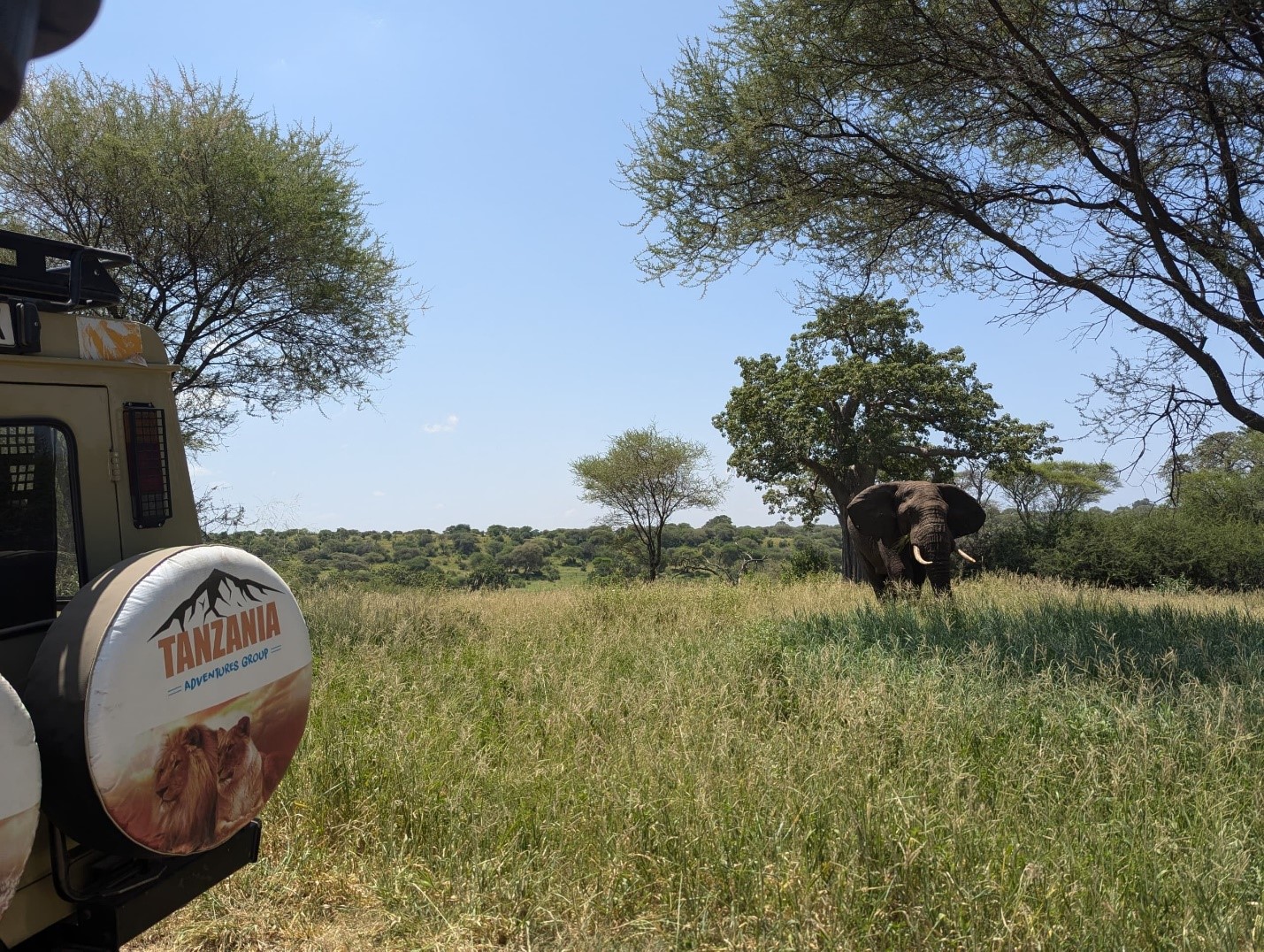
At Tanzania Adventures Group, we believe that every journey should be as unique as the traveler. Our dedicated team of experts will work closely with you to craft the perfect itinerary, ensuring your experience is tailored to your preferences, interests, and budget.
We offer a range of accommodations and travel experiences suited to different budgets and expectations. Our price guide provides a clear overview of seasonal variations—low, mid, and high— as well as accommodation categories: Budget Standard Accommodations, Mid Standard Accommodations, Loyal Standard Accommodations, and Luxury Standard Accommodations.
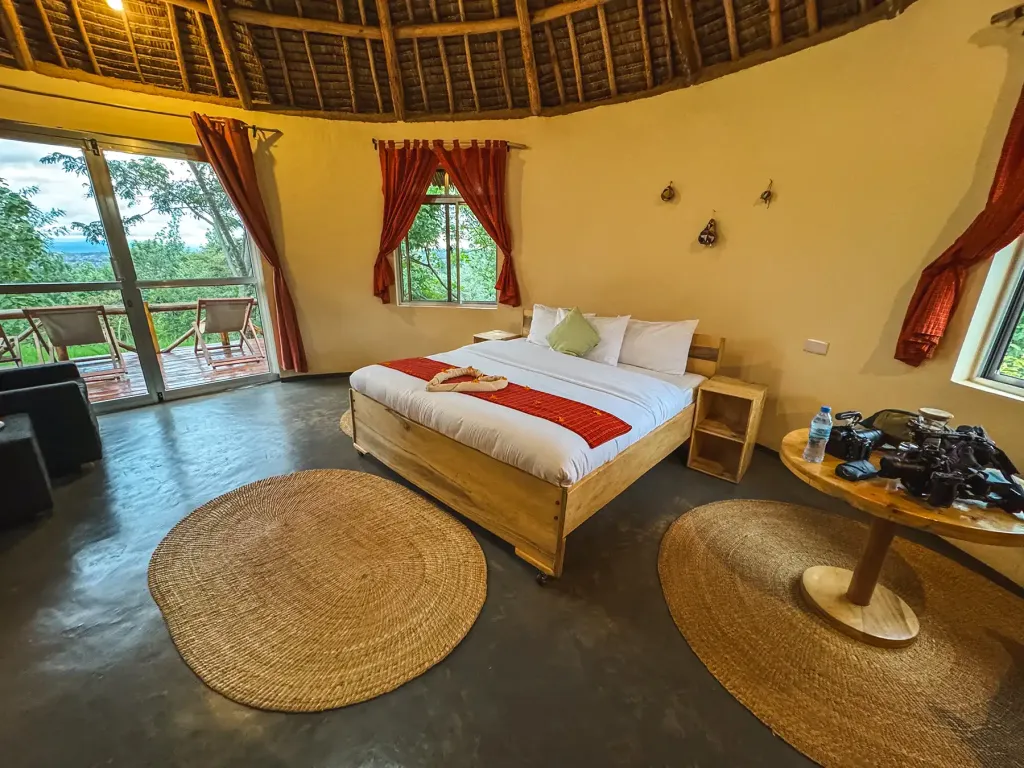
Our Budget Standard Accommodations offer a comfortable and budget-friendly stay in Africa. While not luxurious, they provide clean and well-maintained rooms with cozy beds, private bathrooms with hot showers, and inviting dining areas. Some properties are set in beautiful surroundings and may feature swimming pools or other amenities. WiFi availability may be limited to certain areas, and meals are typically served buffet-style. These accommodations ensure a pleasant and relaxing overnight stay while keeping your adventure affordable.
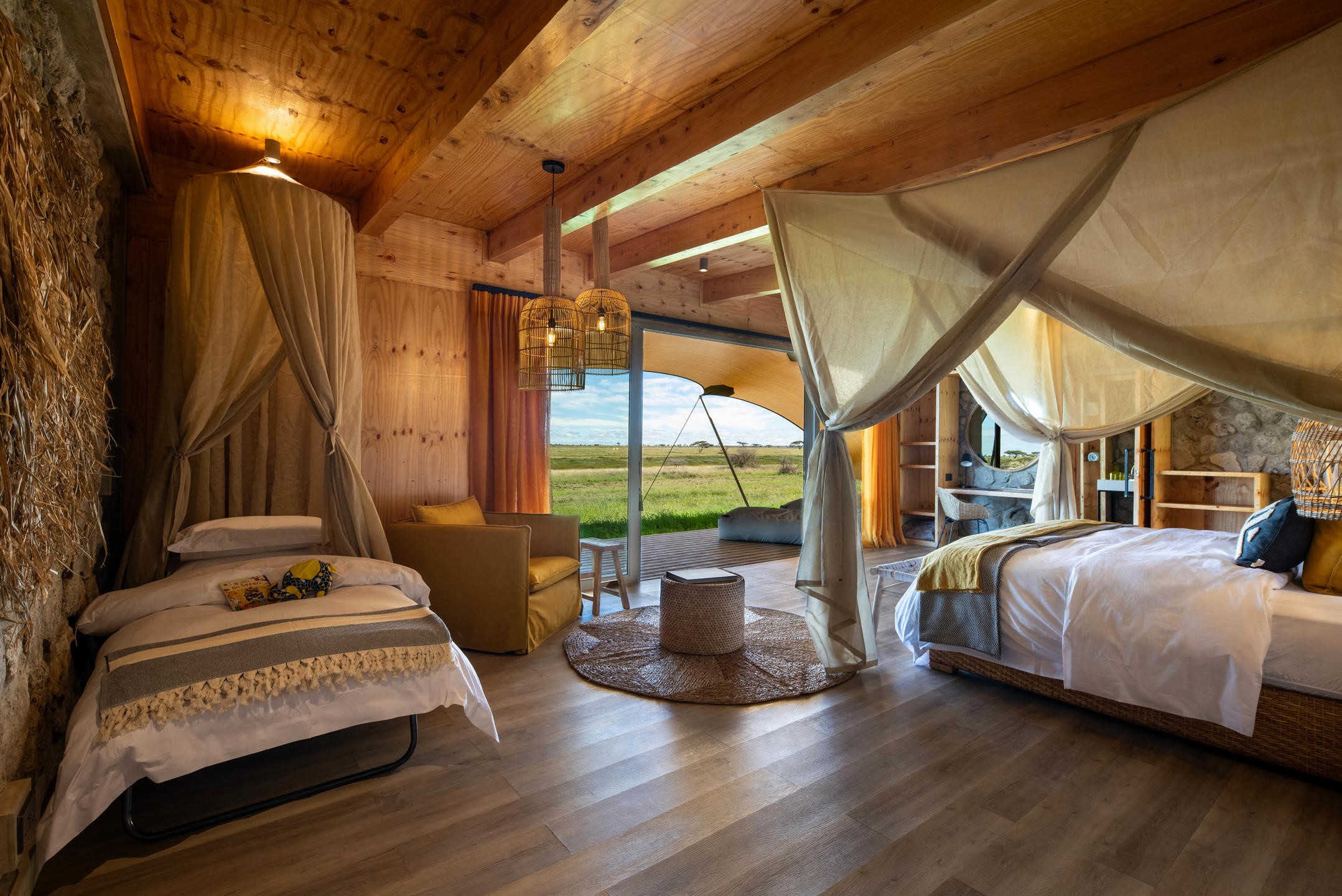
Our Mid Standard Accommodations offer an elevated level of comfort and luxury, perfect for those seeking a refined stay. These lodges and camps are thoughtfully designed, often set in stunning locations, providing a blend of elegance and nature. Enjoy spacious rooms with plush beds, fully equipped bathrooms, and private balconies overlooking breathtaking landscapes. Guests can savor delicious meals from buffet or à la carte menus and enjoy complimentary access to swimming pools. As an added delight, you may even spot wildlife right from your lodge.
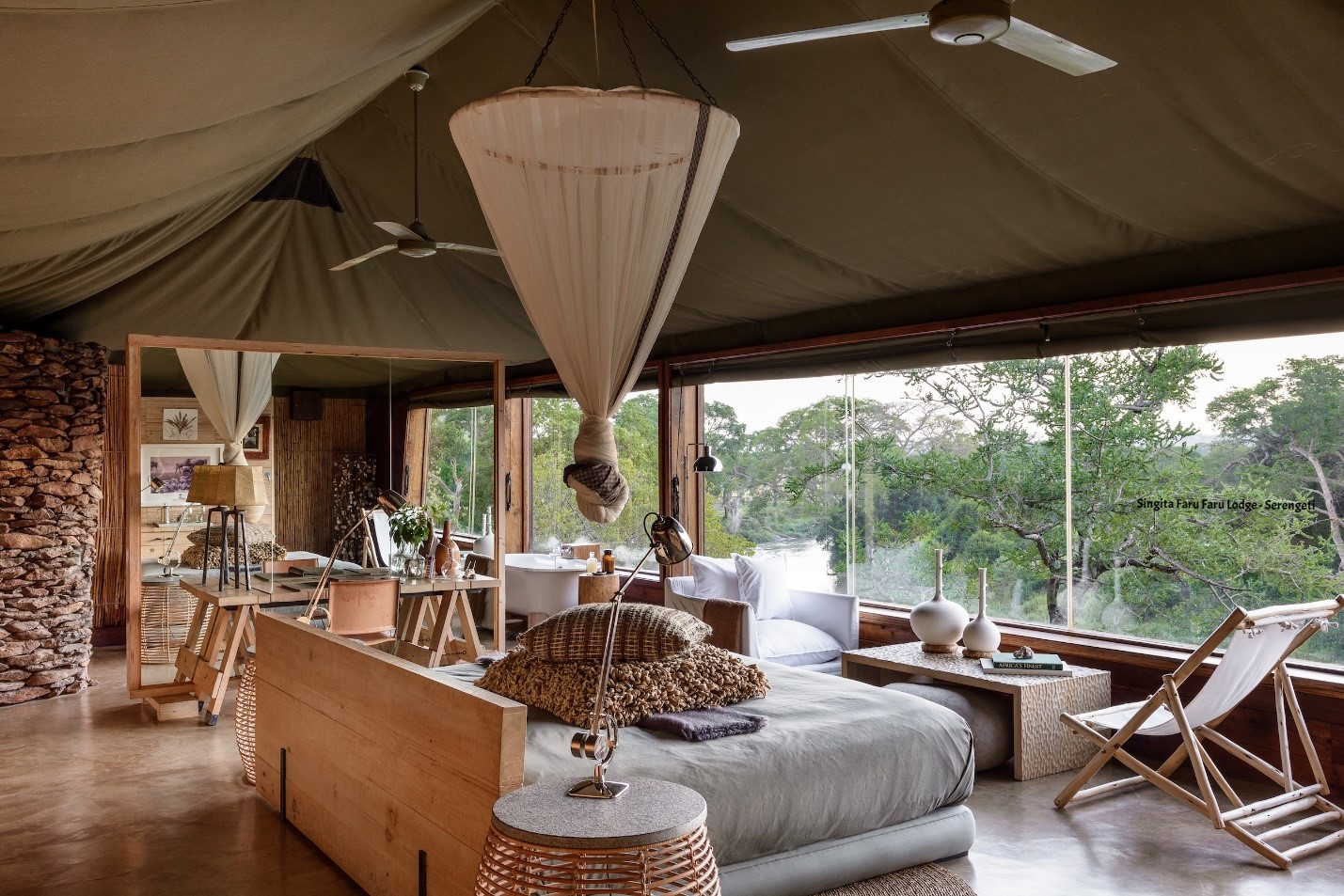
Our Loyal Standard Accommodations redefine luxury, offering exquisitely designed lodges and resorts in breathtaking locations. These premium stays provide top-tier service, ensuring every detail is perfectly catered to your comfort. Expect spacious, elegantly furnished rooms with lavish beds, private plunge pools or open-air rain showers, and stunning terraces with plush seating to take in the magnificent views. With gourmet dining and impeccable hospitality, these accommodations immerse you in Tanzania’s beauty.
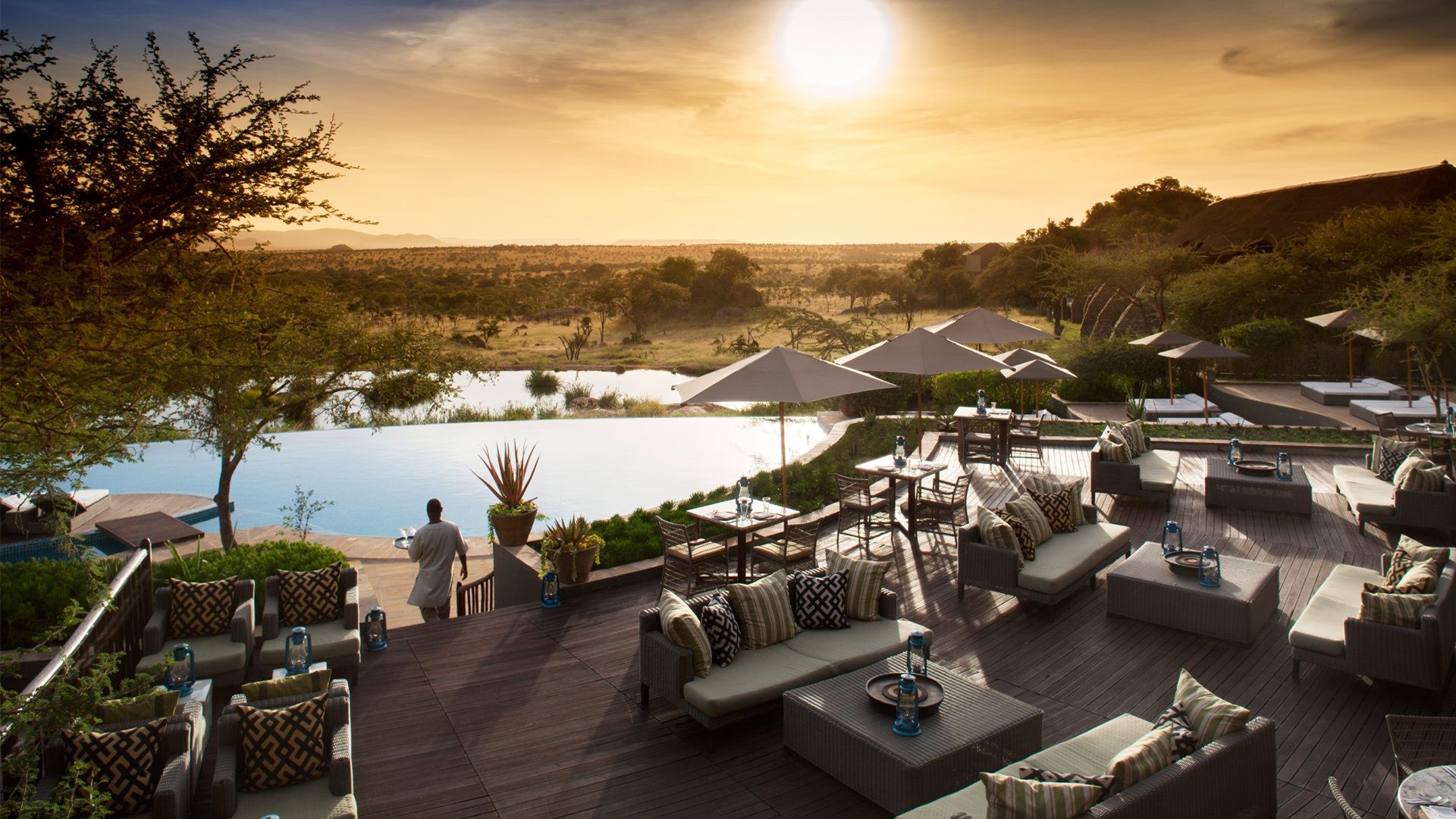
Our Luxury Standard Accommodations offer the pinnacle of elegance, exclusivity, and comfort. These exceptional stays are set in breathtaking locations, whether on private islands, treetop suites, or lodges perched on crater rims. Enjoy sundowners from your private plunge pool, gourmet dining at world-class restaurants, and luxury spa treatments. Wake up to fresh coffee served by your private butler as you take in the beauty of Tanzania’s wildlife from your terrace. This is the epitome of refined travel, ensuring a truly unforgettable adventure.