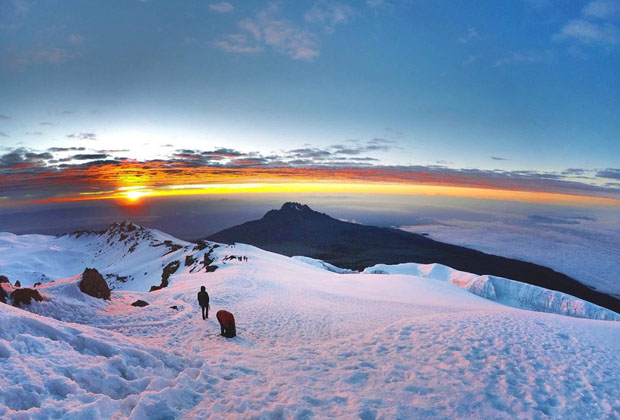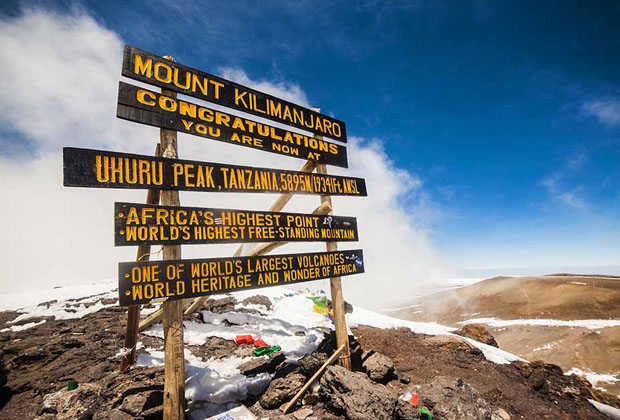
Kilimanjaro weather on the summit is usually very cold, windy, and unpredictable, especially during the midnight ascent to Stella Point, Gilman’s Point, and Uhuru Peak at 5,895 meters.
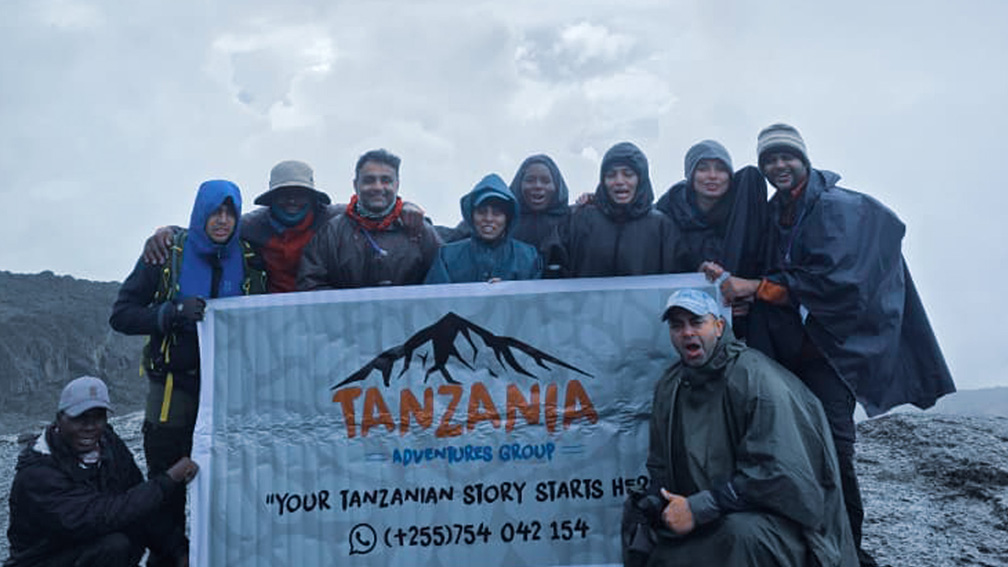
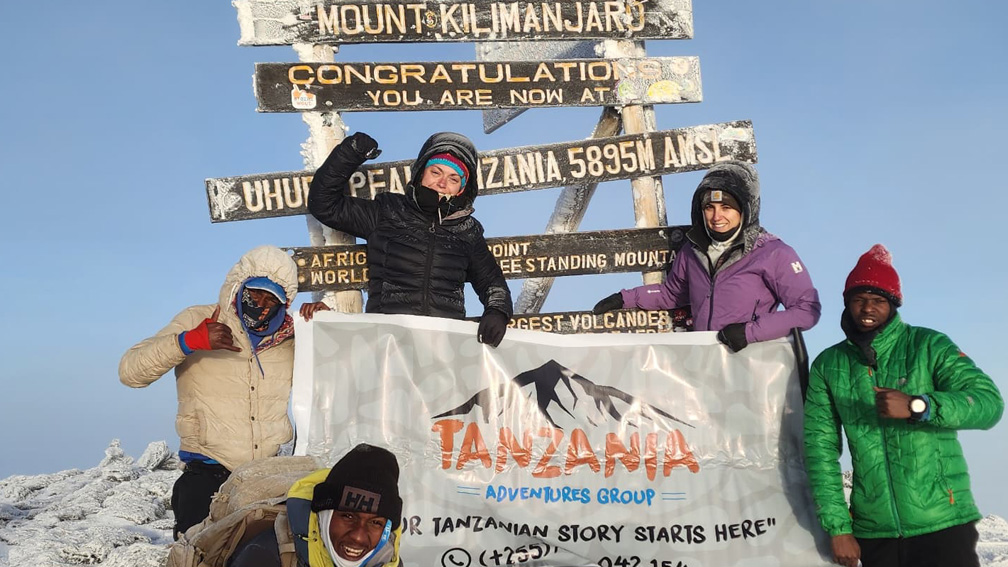
Even when the lower slopes are warm, the summit zone can feel freezing, with temperatures often dropping well below zero, and climbers may experience strong winds, frost, snow, ice, mist, or sudden weather changes. The air is thin at the top, so the cold feels more intense, and summit night becomes the most challenging part of the climb because of altitude, darkness, tiredness, and low temperatures. With Tanzania Adventures Group, every Kilimanjaro climber is advised to prepare with proper summit clothing, including thermal layers, a down jacket, waterproof outer shell, warm gloves, hat, neck gaiter, headlamp, and strong hiking boots, so they can stay warm, focused, and safe on the final push to Uhuru Peak.
Kilimanjaro Weather on the summit is very cold, windy, dry, and unpredictable, especially during summit night when climbers walk slowly toward Uhuru Peak in freezing temperatures, thin air, darkness, and possible frost, snow, ice, or strong wind depending on the season and daily mountain conditions.
The summit of Mount Kilimanjaro has extreme high-altitude weather compared to the lower mountain slopes. Even if the lower route feels warm or rainy, the summit zone can be freezing, windy, icy, and physically demanding. Most climbers attempt the summit at night or early morning, so preparation is very important. Tanzania Adventures Group helps climbers understand summit weather, prepare proper clothing layers, choose the right route, and follow safe pacing with experienced local guides.
Kilimanjaro Weather on the summit
Kilimanjaro summit weather, Kilimanjaro summit night, Uhuru Peak weather, Mount Kilimanjaro temperature, Kilimanjaro cold weather, Kilimanjaro summit gear, Kilimanjaro weather guide, Kilimanjaro group climb.
First-time climbers, group trekkers, private climbers, families, students, and travellers preparing for summit-night conditions on Mount Kilimanjaro.
Summit weather is one of the biggest reasons climbers need proper preparation, strong guide support, and the right clothing layers.
Do not underestimate Kilimanjaro summit weather. The summit zone can be freezing even when the lower slopes are warm. Climbers should dress in layers, keep gloves and head protection ready, protect water from freezing, and follow the guide’s slow pace. Routes such as the 7 Days Machame Route and 8 Days Lemosho Route are excellent for better altitude preparation before summit night.
Weather near Uhuru Peak can change quickly. Climbers should prepare for cold, wind, low oxygen, and possible snow or ice even during popular climbing seasons.
| Summit Condition | What Climbers May Experience | Why It Matters | How to Prepare |
|---|---|---|---|
| Cold Temperatures | Freezing conditions, especially before sunrise during summit night | Cold reduces comfort, energy, and hand or foot warmth | Wear thermal layers, fleece, down jacket, warm gloves, beanie, and thick socks |
| Strong Wind | Wind chill can make the summit feel much colder | Wind increases heat loss and makes rest stops uncomfortable | Use a windproof or waterproof shell, neck gaiter, and layered clothing |
| Thin Air | Slow breathing, fatigue, headache risk, and reduced walking speed | Altitude is one of the biggest summit challenges | Walk slowly, hydrate, choose enough route days, and follow guide instructions |
| Snow, Frost, or Ice | Possible snow patches, icy ground, frost, or glacier views near the summit | Can make the trail colder and require careful footing | Wear strong waterproof hiking boots and follow the guide’s route line |
| Darkness | Most summit attempts begin at night or early morning | Visibility is limited and the climb feels mentally harder | Carry a reliable headlamp, extra batteries, and keep essentials close |
| Rapid Weather Changes | Clear sky can change to cloud, snow, mist, or wind | Climbers must be ready for different conditions in one night | Pack layers in your daypack and avoid depending on one single clothing item |
Summit weather is not controlled by the route alone. Travel month, altitude, daily weather movement, wind, and temperature all influence what climbers experience near Uhuru Peak.
Summit weather preparation begins before arrival and continues throughout the climb. The goal is to reach high camp ready for cold, wind, altitude, and a long night of slow trekking.
Prepare thermal base layers, fleece, down jacket, waterproof shell, warm trekking pants, gloves, beanie, neck gaiter, thick socks, headlamp, and strong waterproof boots. Avoid cotton because it holds moisture and becomes cold.
Before the climb, your guide reviews route weather, summit-night clothing, water protection, headlamp needs, snacks, and gear readiness. Missing items can often be rented before the trek begins.
Climbers move through forest, moorland, and alpine terrain before reaching the summit zone. Each day helps the body adjust and gives time to test clothing layers before the coldest night.
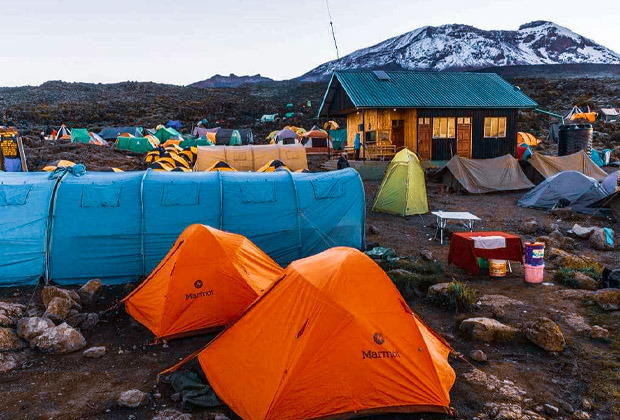
At high camp, organize summit clothing, gloves, snacks, water, headlamp, and batteries before resting. Routes such as the 6 Days Machame Route, 6 Days Marangu Route, and 8 Days Lemosho Route all require serious summit preparation.
Climbers start very early and move slowly through cold, dark, high-altitude conditions. Your guide manages pace, rest stops, motivation, and safety awareness as the group approaches the crater rim and Uhuru Peak.
After the summit, the group descends to lower altitude where temperatures slowly improve. Layers may be adjusted to avoid overheating as the sun rises and the trail drops lower.
Kilimanjaro package prices depend on route, duration, park fees, crew support, accommodation style, group size, transfers, and included services. Summit-weather preparation is essential on every route.
| Route Option | Summit Weather Experience | Recommended For | Price Range From | Package Link |
|---|---|---|---|---|
| 5 Days Marangu Route | Cold summit push from Kibo Hut with hut accommodation | Travellers with limited time who prefer huts | From around USD 1,350 per person | View Package |
| 6 Days Marangu Route | Classic summit from Kibo Hut with improved acclimatization | Climbers who want a balanced hut route | From around USD 1,520 per person | View Package |
| 6 Days Machame Route | Summit from Barafu Camp with cold and windy high-altitude conditions | Adventurous climbers seeking scenic camping | From around USD 1,520 per person | View Package |
| 7 Days Machame Route | Better acclimatization before summit night | Climbers who want more time before the cold summit push | From around USD 1,700 per person | View Package |
| 8 Days Lemosho Route | Excellent preparation before exposed summit conditions | Travellers seeking scenery and strong acclimatization | From around USD 1,850 per person | View Package |
| 6 or 7 Days Rongai Route | Summit from the Kibo side with cold and exposed conditions | Travellers who prefer a quieter northern approach | Quotation available on request | View Package |
Final price should be confirmed before booking flights because route choice, group size, travel month, hotel nights, airport transfers, gear rental, and private upgrades can affect the final quotation.
Compare Kilimanjaro routes based on summit-weather exposure, acclimatization time, route duration, comfort preference, budget, and group departure availability.
Compare all Kilimanjaro routes, durations, weather conditions, and group climb options.
View Kilimanjaro TreksA shorter hut route with a cold summit push from Kibo Hut.
View PackageA classic hut route with better preparation for summit weather than the 5-day option.
View PackageA scenic camping route with a demanding summit night from Barafu Camp.
View PackageA recommended route for climbers who want more time before summit night.
View PackageA scenic route with gradual altitude gain and excellent preparation for summit weather.
View PackageA steep route for fit climbers with strong preparation and reliable warm gear.
View PackageA quieter northern approach with a cold summit push from the Kibo side.
View PackageA peaceful northern route with additional acclimatization time before summit night.
View PackageA beautiful western camping route with changing landscapes and strong route experience.
View PackageKilimanjaro summit weather is usually very cold, windy, and unpredictable. Climbers may experience freezing temperatures, frost, snow, ice, strong wind, or clear but extremely cold conditions.
No, the summit is not always covered with fresh snow, but snow, frost, ice, and glacier views can appear depending on weather conditions and season.
Summit night is cold because climbers are at very high altitude, usually moving before sunrise, with thin air, wind exposure, and low temperatures near the top of the mountain.
Wear thermal base layers, fleece or insulated layers, down jacket, waterproof shell, warm pants, thick socks, warm gloves, beanie, neck gaiter, and waterproof hiking boots.
Severe weather can affect summit plans. Professional guides assess conditions, climber health, timing, and safety before continuing toward the summit.
Longer routes such as 8 Days Lemosho and 7 Days Machame are excellent because they provide more acclimatization time before the cold and demanding summit night.
Contact Tanzania Adventures Group to receive summit-weather advice, route recommendations, packing guidance, gear rental support, and professional Kilimanjaro climb planning. Send your travel dates, preferred route, number of climbers, fitness level, and summit-weather questions, and our team will help you prepare for the real conditions near Uhuru Peak.
A Tanzania safari adventure is more than just a trip—it’s a life-changing experience that immerses you in the raw beauty of nature, diverse wildlife, and rich cultural heritage. Exploring Tanzania’s vast landscapes, from the iconic Serengeti to the majestic Ngorongoro Crater, allows you to witness the Great Migration, encounter the Big Five, and connect with nature in its purest form.
Beyond wildlife, a safari in Tanzania offers a profound cultural exchange. Engaging with the Maasai and other indigenous communities provides insight into traditional ways of life, enriching your travel experience. Whether you seek adventure, relaxation, or personal transformation, a Tanzania safari is an unforgettable journey that leaves a lasting impact.
A private Tanzania safari adventure offers an exclusive and personalized experience, allowing you to explore the country’s breathtaking landscapes and extraordinary wildlife at your own pace. Unlike group safaris, a private safari provides flexibility in itinerary planning, ensuring that your journey is tailored to your specific interests.
Beyond the personalized experience, a private safari enhances comfort, privacy, and intimacy, making it ideal for couples, families, or small groups seeking a more secluded and luxurious journey. This level of exclusivity not only elevates your safari experience but also fosters a profound connection with Tanzania’s untamed beauty.
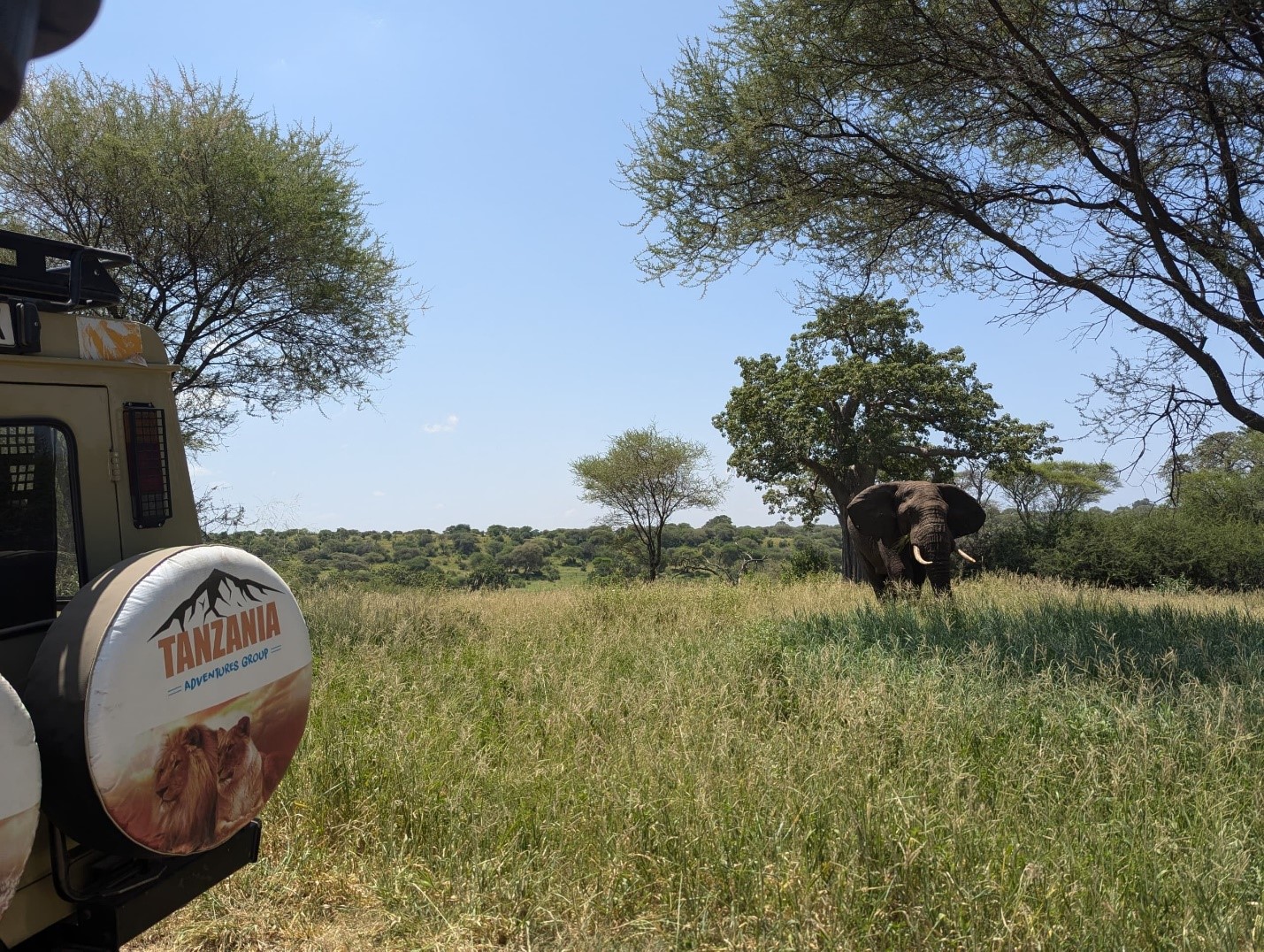
At Tanzania Adventures Group, we believe that every journey should be as unique as the traveler. Our dedicated team of experts will work closely with you to craft the perfect itinerary, ensuring your experience is tailored to your preferences, interests, and budget.
We offer a range of accommodations and travel experiences suited to different budgets and expectations. Our price guide provides a clear overview of seasonal variations—low, mid, and high— as well as accommodation categories: Budget Standard Accommodations, Mid Standard Accommodations, Loyal Standard Accommodations, and Luxury Standard Accommodations.
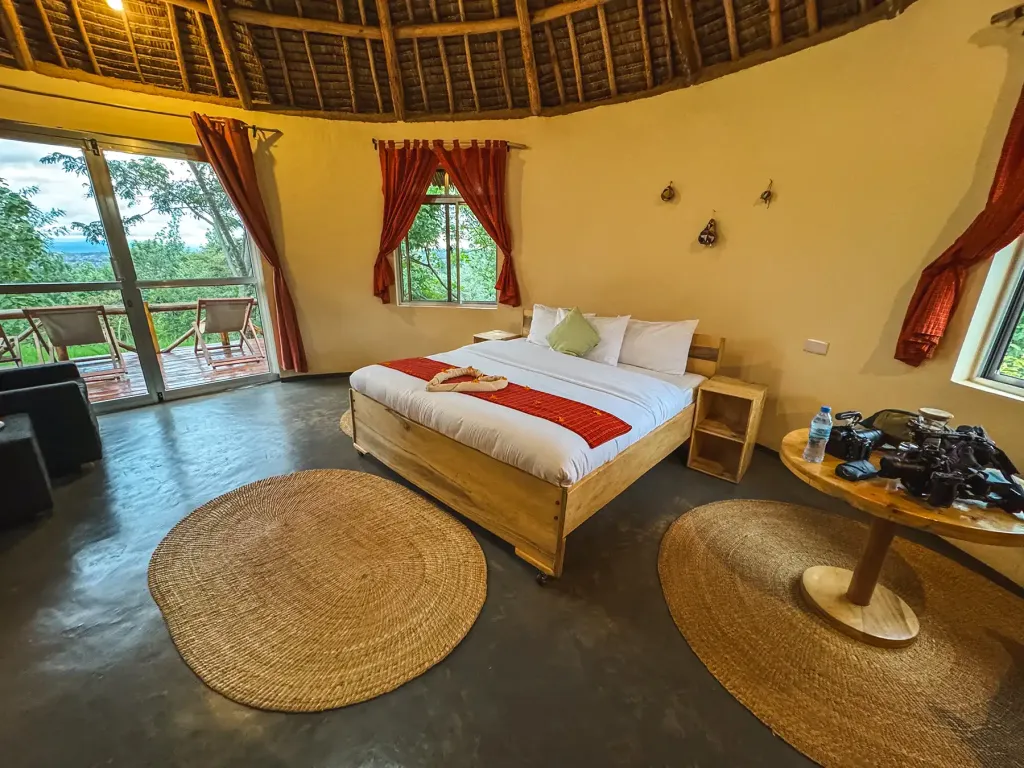
Our Budget Standard Accommodations offer a comfortable and budget-friendly stay in Africa. While not luxurious, they provide clean and well-maintained rooms with cozy beds, private bathrooms with hot showers, and inviting dining areas. Some properties are set in beautiful surroundings and may feature swimming pools or other amenities. WiFi availability may be limited to certain areas, and meals are typically served buffet-style. These accommodations ensure a pleasant and relaxing overnight stay while keeping your adventure affordable.
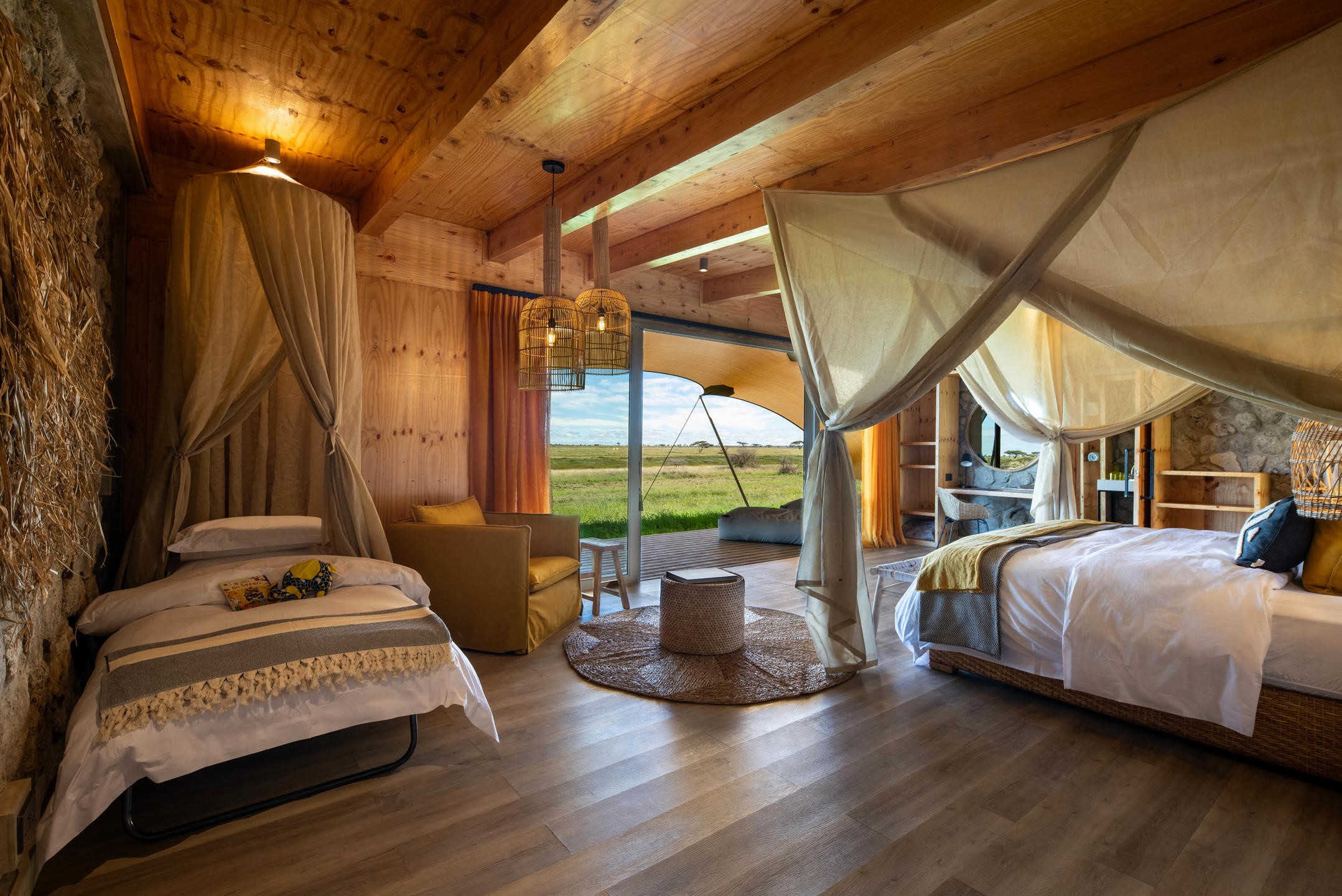
Our Mid Standard Accommodations offer an elevated level of comfort and luxury, perfect for those seeking a refined stay. These lodges and camps are thoughtfully designed, often set in stunning locations, providing a blend of elegance and nature. Enjoy spacious rooms with plush beds, fully equipped bathrooms, and private balconies overlooking breathtaking landscapes. Guests can savor delicious meals from buffet or à la carte menus and enjoy complimentary access to swimming pools. As an added delight, you may even spot wildlife right from your lodge.
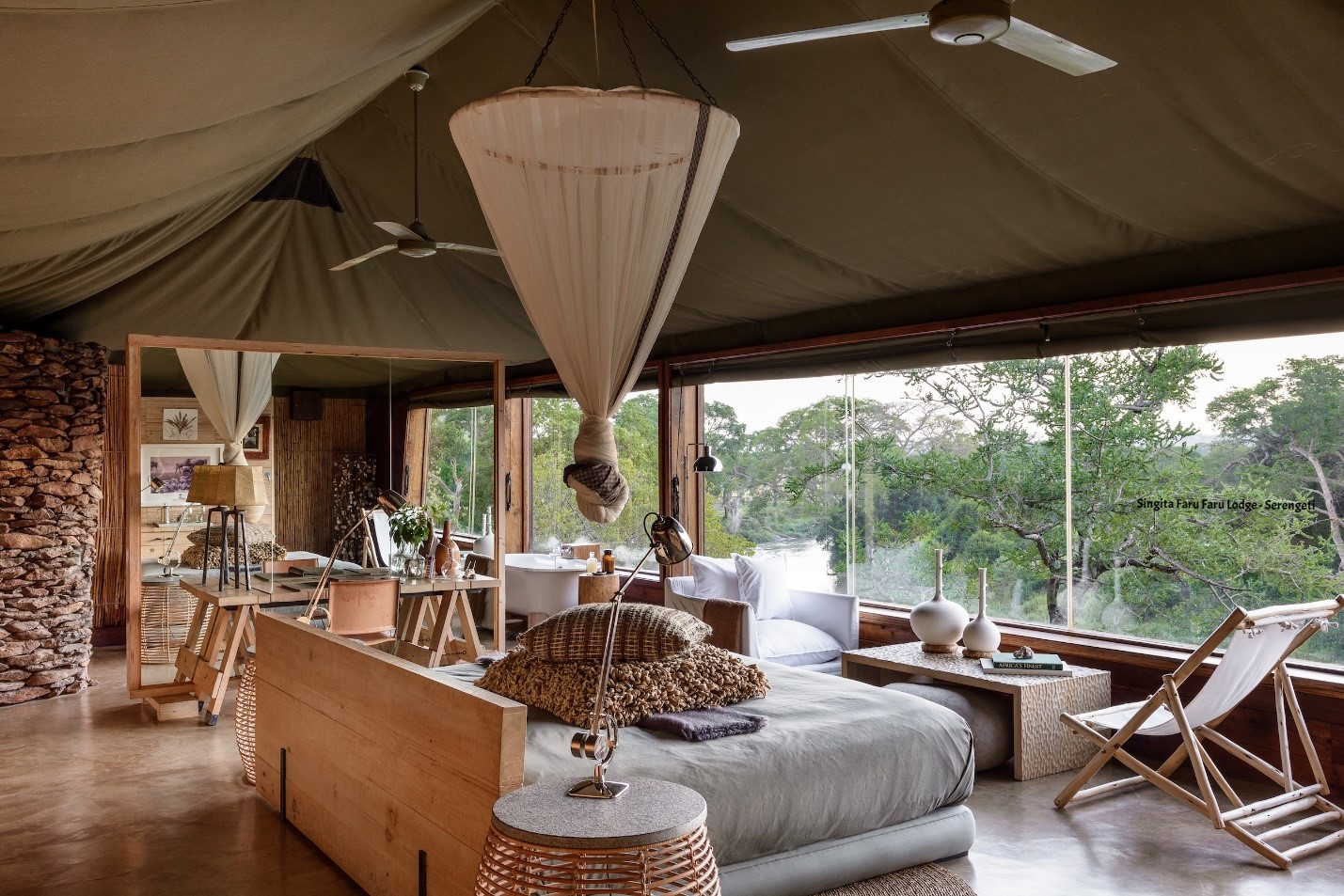
Our Loyal Standard Accommodations redefine luxury, offering exquisitely designed lodges and resorts in breathtaking locations. These premium stays provide top-tier service, ensuring every detail is perfectly catered to your comfort. Expect spacious, elegantly furnished rooms with lavish beds, private plunge pools or open-air rain showers, and stunning terraces with plush seating to take in the magnificent views. With gourmet dining and impeccable hospitality, these accommodations immerse you in Tanzania’s beauty.
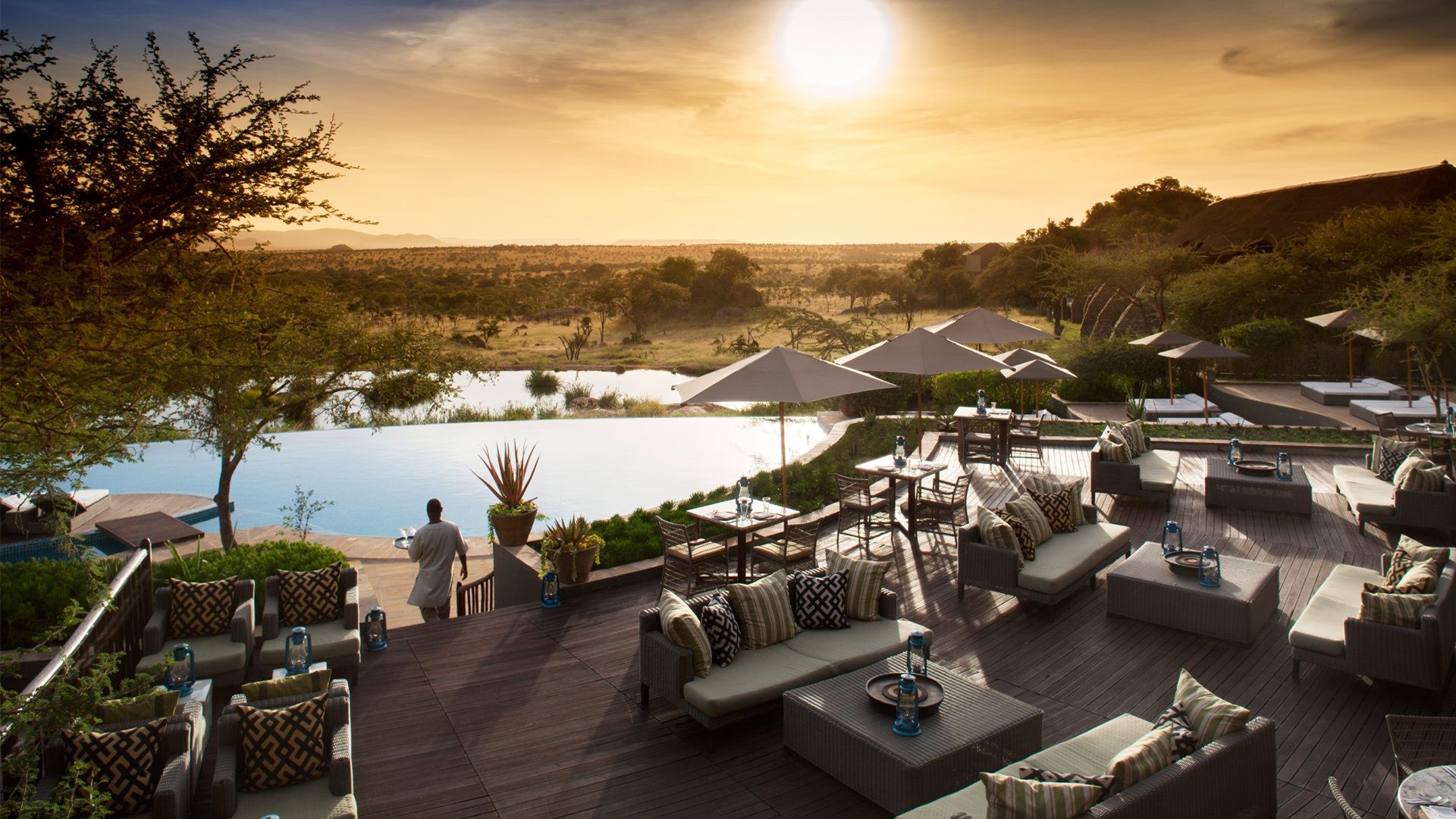
Our Luxury Standard Accommodations offer the pinnacle of elegance, exclusivity, and comfort. These exceptional stays are set in breathtaking locations, whether on private islands, treetop suites, or lodges perched on crater rims. Enjoy sundowners from your private plunge pool, gourmet dining at world-class restaurants, and luxury spa treatments. Wake up to fresh coffee served by your private butler as you take in the beauty of Tanzania’s wildlife from your terrace. This is the epitome of refined travel, ensuring a truly unforgettable adventure.