is an important guide for every traveller preparing to climb Mount Kilimanjaro because the mountain has different climate zones, from warm rainforest to cold alpine desert and freezing summit conditions.
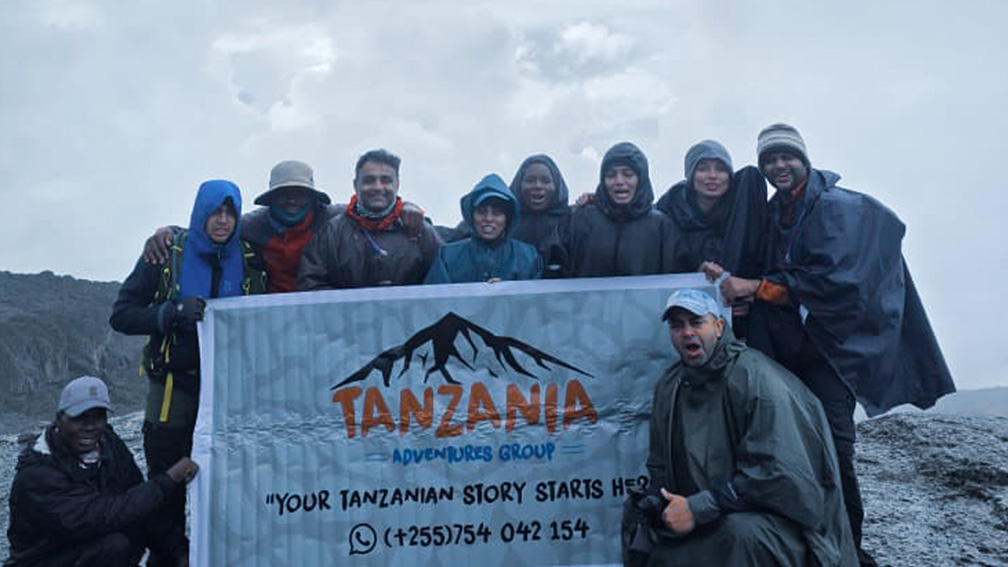
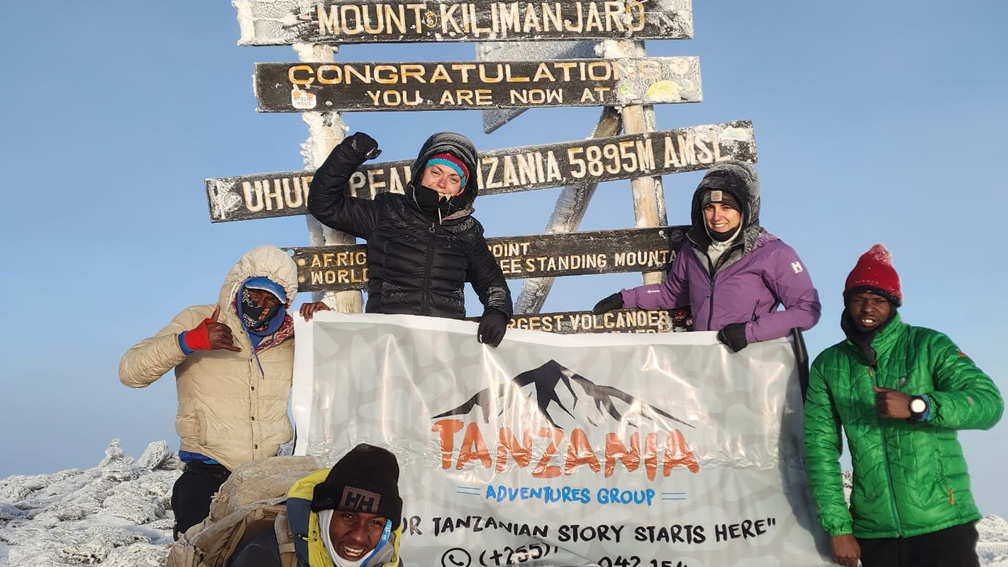
A proper Kilimanjaro packing list should include layered clothing, waterproof jacket and trousers, warm fleece, thermal base layers, down jacket, hiking boots, gloves, warm hat, sun hat, sunglasses, sleeping bag, headlamp, daypack, trekking poles, personal medication, sunscreen, toiletries, and reusable water bottles or hydration system. With Tanzania Adventures Group, climbers receive full packing advice before arrival to make sure they are well prepared for comfort, safety, and summit success. Packing correctly helps protect against cold, rain, wind, altitude conditions, and long walking days, making the Kilimanjaro climb more enjoyable, organized, and successful from the first day to Uhuru Peak.
The Kilimanjaro Packing List helps climbers prepare the right clothing, trekking gear, personal items, medical essentials, and travel documents before climbing Mount Kilimanjaro. Tanzania Adventures Group provides clear packing guidance for Machame, Marangu, Lemosho, Rongai, Umbwe, and Northern Circuit routes so travellers can arrive in Tanzania ready, confident, and properly equipped for changing mountain conditions.
Packing correctly for Kilimanjaro is one of the most important parts of your climb preparation. The mountain has different climate zones, from warm lower forest to cold alpine desert and freezing summit night conditions. A good packing plan should protect you from rain, wind, cold temperatures, strong sun, dust, and long trekking days while keeping your luggage practical and manageable.
Tanzania Adventures Group recommends packing in layers because Kilimanjaro weather can change quickly. Climbers need comfortable trekking clothes for daytime walking, warm insulation for evenings, waterproof protection for rain and wind, and very warm summit night clothing. Your porters will carry your main duffel bag, while you carry a daypack with water, snacks, rain gear, camera, sunscreen, and personal items needed during the day.
Use base layers, fleece layers, insulated jacket, waterproof shell, trekking pants, warm hat, gloves, and good socks for changing mountain conditions.
Bring comfortable hiking boots, trekking poles, daypack, duffel bag, headlamp, water bottles, sunglasses, and rain protection.
Carry sunscreen, lip balm, personal medication, blister care, wet wipes, toiletries, snacks, and travel insurance details.
Do not wait until the last day to prepare your Kilimanjaro gear. Try your hiking boots before travel, test your backpack, check your warm layers, and confirm what your package includes. If you do not own some items, Tanzania Adventures Group can advise on rental options in Moshi for sleeping bags, trekking poles, warm jackets, gaiters, and other essential mountain gear.
Receive clear advice on clothing, bags, boots, accessories, sleeping equipment, toiletries, medical items, and travel documents.
Camping routes and Marangu hut route may require slightly different packing plans, especially for sleeping bags and comfort items.
Summit night is extremely cold, so warm layers, gloves, hat, headlamp, snacks, and proper boots are very important.
If you do not own all items, selected gear can be rented in Moshi before the climb depending on size and availability.
Your guide can review your equipment before the climb and advise what should be adjusted, added, or rented.
If you add a safari or Zanzibar after Kilimanjaro, we can advise how to pack for both mountain and holiday comfort.
The table below gives a practical overview of what to pack for Kilimanjaro. The exact quantity may depend on your route duration, travel season, personal comfort, and whether you are climbing a camping route or the Marangu hut route.
| Category | Recommended Items | Why It Matters | Packing Advice |
|---|---|---|---|
| Upper Body Layers | Thermal base layers, fleece jacket, down jacket, waterproof jacket | Protects from cold, wind, and changing altitude temperatures | Pack layers that can be added or removed easily during the day. |
| Lower Body Layers | Trekking pants, thermal leggings, waterproof pants, comfortable underwear | Keeps you warm, dry, and comfortable during long walking days | Avoid heavy cotton clothing because it dries slowly. |
| Footwear | Waterproof hiking boots, camp shoes, warm socks, liner socks | Protects feet from blisters, cold, and wet ground | Break in your hiking boots before travelling to Tanzania. |
| Head and Hands | Warm hat, sun hat, neck gaiter, liner gloves, warm gloves | Important for sun protection during the day and warmth at night | Summit gloves should be warm enough for freezing conditions. |
| Bags | Duffel bag, daypack, dry bags, rain cover | Helps separate main gear, daily items, and dry clothing | Your daypack should carry water, snacks, rain gear, and essentials. |
| Sleeping Gear | Warm sleeping bag, sleeping bag liner, pillow if preferred | Important for warmth and recovery during cold mountain nights | Sleeping bags can often be rented in Moshi if arranged in advance. |
| Accessories | Headlamp, spare batteries, sunglasses, trekking poles, water bottles | Supports comfort, safety, hydration, and summit night movement | A headlamp is essential for summit night and early morning starts. |
| Health Items | Personal medicine, blister care, sunscreen, lip balm, wet wipes | Helps manage small problems before they affect the climb | Bring personal medication in original packaging where possible. |
| Documents | Passport, visa details, insurance, booking confirmation, emergency contacts | Required for travel, park registration, and safety planning | Keep copies in your phone and a small waterproof pouch. |
Keep your daypack light but useful. During the day, you should carry water, snacks, waterproof jacket, warm layer, sunscreen, sunglasses, personal medicine, camera, and any item you may need before reaching camp. Your main duffel bag is carried by porters and normally cannot be accessed while walking.
A good Kilimanjaro packing plan should begin before arrival in Tanzania. Preparing early gives you enough time to test your boots, choose the right clothing layers, organize luggage, and avoid last-minute stress before the mountain.
Review your Kilimanjaro route, number of days, expected weather, and package inclusions. Make a list of what you already own and what you need to buy or rent. This is also a good time to start walking with your hiking boots and daypack so your body gets used to the equipment.
Try your hiking boots, socks, base layers, fleece, jacket, gloves, and daypack during training walks. Check for discomfort, rubbing, overheating, or poor fit. It is better to discover gear problems before travelling than during the climb.
Separate your main duffel bag items from your daypack items. Use packing cubes or dry bags to keep clothing organized and protected from rain. Confirm your passport, insurance, visa, flight details, and booking documents.
After arrival in Moshi or Arusha, your guide can help review your mountain gear during the pre-climb briefing. If any key item is missing, rental options can be checked before departure to the Kilimanjaro gate.
Each morning, prepare your daypack with water, snacks, waterproof jacket, warm layer, sunscreen, personal medication, sunglasses, and camera. Keep your summit night items well organized before reaching base camp.
Some climbers prefer to rent selected gear in Moshi instead of buying everything before travel. Rental availability, size, and quality should be checked early, especially during busy climbing months. Personal clothing layers and boots are best brought from home when possible because comfort and fit are very important.
The total rental cost depends on what you need, such as sleeping bag, trekking poles, down jacket, gaiters, duffel bag, or other mountain items. Final rental pricing depends on availability, duration, and quality of equipment.
| Item | Bring or Rent? | Importance | Advice |
|---|---|---|---|
| Hiking Boots | Bring from home | Very high | Boots must fit well and be tested before the climb. |
| Sleeping Bag | Bring or rent | Very high for camping routes | Choose a warm sleeping bag suitable for cold mountain nights. |
| Down Jacket | Bring or rent | Very high | Essential for cold evenings and summit night. |
| Trekking Poles | Bring or rent | High | Useful for long descents and reducing knee pressure. |
| Headlamp | Bring from home | Very high | Needed for summit night and camp movement after dark. |
| Thermal Base Layers | Bring from home | Very high | Personal fit and comfort are important. |
These Kilimanjaro route pages help travellers compare route duration, comfort level, packing needs, and route style before choosing the best climb.
Compare Kilimanjaro trekking packages and choose the best route for your travel plan.
View Kilimanjaro TreksA scenic camping route where warm sleeping gear and layered clothing are important.
View Machame RouteA better acclimatization option with a classic Kilimanjaro camping experience.
View 7 Days MachameA hut-based route where climbers still need warm layers, boots, daypack, and summit clothing.
View Marangu RouteOne of the best routes for scenery and acclimatization, requiring full mountain packing preparation.
View Lemosho RouteA quieter northern route where proper clothing and water management remain very important.
View Rongai RoutePacking preparation should match your full travel plan. Most climbers need one hotel night before the climb for briefing and gear checking, the selected number of mountain days, and one hotel night after the climb for recovery. If you add safari or Zanzibar, pack light casual clothes separately from your mountain gear.
| Travel Plan | Packing Focus | Recommended Preparation Time | Advice |
|---|---|---|---|
| 5–6 Days Kilimanjaro Climb | Essential mountain layers and compact packing | Start 4–6 weeks before travel | Do not reduce warm clothing because summit night is still cold. |
| 7–8 Days Kilimanjaro Climb | Full clothing system, comfort items, and good organization | Start 6–8 weeks before travel | Pack enough socks, layers, and personal care items for extra days. |
| Luxury Kilimanjaro Climb | Comfort upgrades and personal mountain items | Start 6–8 weeks before travel | Confirm private toilet, sleeping comfort, and hotel arrangements early. |
| Kilimanjaro plus Safari or Zanzibar | Mountain gear plus light travel clothing | Start 8 weeks before travel | Separate safari or beach clothes from mountain gear for easier travel. |
Summit night can be very cold, so warm gloves, thermal layers, down jacket, warm hat, and good socks are essential.
A waterproof jacket, rain pants, bag covers, and dry bags help protect your clothing and equipment during changing weather.
Comfortable hiking boots, good socks, blister plasters, and foot care are very important for long trekking days and descents.
Bring enough water-carrying capacity. Hydration is important for energy, comfort, and altitude management during the climb.
Sunglasses, sunscreen, sun hat, and lip balm are important because the sun can be strong at high altitude.
Keep passport, visa details, insurance, emergency contacts, and booking documents safe and easy to access.
You should pack layered clothing, waterproof jacket and pants, hiking boots, warm gloves, warm hat, trekking socks, daypack, duffel bag, headlamp, sunglasses, sunscreen, toiletries, personal medication, water bottles, and travel documents.
Yes, a warm sleeping bag is required for camping routes such as Machame, Lemosho, Rongai, Umbwe, and Northern Circuit. On Marangu Route, climbers sleep in huts, but warm sleeping gear is still recommended.
Yes, selected gear can be rented in Moshi, including sleeping bags, trekking poles, down jackets, gaiters, and some other items. Availability depends on size, quality, and travel season, so it is better to confirm early.
Summit night requires thermal base layers, fleece or insulation layer, down jacket, waterproof shell, warm trekking pants, thermal leggings, warm socks, gloves, warm hat, neck gaiter, headlamp, and proper hiking boots.
A strong duffel bag is recommended for your main mountain gear, and a comfortable daypack is needed for daily essentials. Your main bag should be easy for porters to carry and protected with waterproof packing inside.
Trekking poles are highly recommended because they help with balance, reduce knee pressure, and provide support during long descents. They can often be rented if you do not want to bring your own.
Yes, but mountain gear and safari clothing should be organized separately. Kilimanjaro requires warm technical layers, while safari clothing can be lighter and more casual.
Send your travel dates, route interest, number of days, and current gear questions. Tanzania Adventures Group can advise what to bring, what to rent, and how to prepare for your Kilimanjaro climb.
Tanzania Adventures Group can help you choose the right Kilimanjaro route, understand what to pack, check what gear can be rented, and prepare for the mountain with confidence. Share your travel month, route interest, number of climbers, and current gear questions, and our team will guide you before arrival in Tanzania.
A Tanzania safari adventure is more than just a trip—it’s a life-changing experience that immerses you in the raw beauty of nature, diverse wildlife, and rich cultural heritage. Exploring Tanzania’s vast landscapes, from the iconic Serengeti to the majestic Ngorongoro Crater, allows you to witness the Great Migration, encounter the Big Five, and connect with nature in its purest form.
Beyond wildlife, a safari in Tanzania offers a profound cultural exchange. Engaging with the Maasai and other indigenous communities provides insight into traditional ways of life, enriching your travel experience. Whether you seek adventure, relaxation, or personal transformation, a Tanzania safari is an unforgettable journey that leaves a lasting impact.
A private Tanzania safari adventure offers an exclusive and personalized experience, allowing you to explore the country’s breathtaking landscapes and extraordinary wildlife at your own pace. Unlike group safaris, a private safari provides flexibility in itinerary planning, ensuring that your journey is tailored to your specific interests.
Beyond the personalized experience, a private safari enhances comfort, privacy, and intimacy, making it ideal for couples, families, or small groups seeking a more secluded and luxurious journey. This level of exclusivity not only elevates your safari experience but also fosters a profound connection with Tanzania’s untamed beauty.
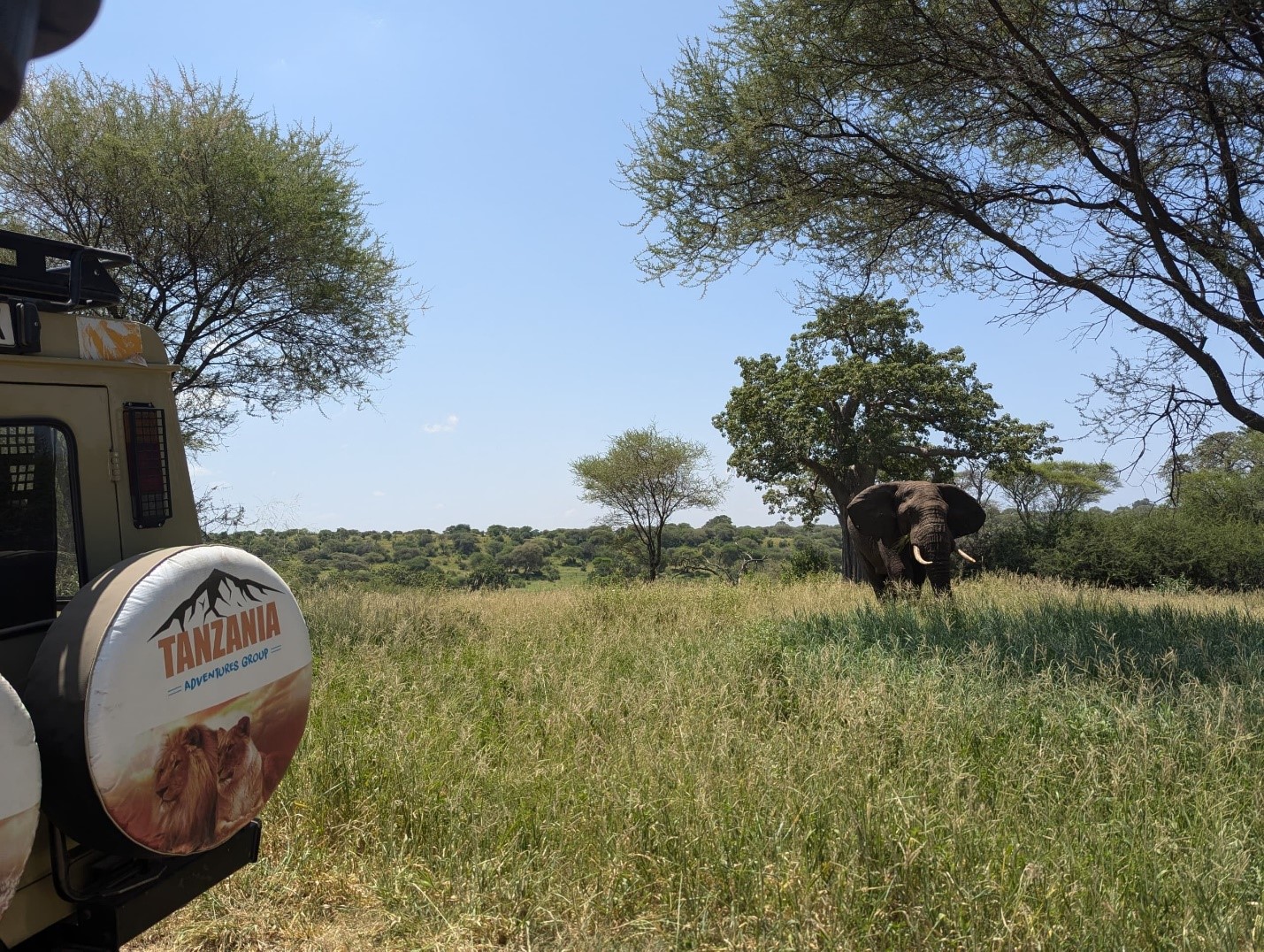
At Tanzania Adventures Group, we believe that every journey should be as unique as the traveler. Our dedicated team of experts will work closely with you to craft the perfect itinerary, ensuring your experience is tailored to your preferences, interests, and budget.
We offer a range of accommodations and travel experiences suited to different budgets and expectations. Our price guide provides a clear overview of seasonal variations—low, mid, and high— as well as accommodation categories: Budget Standard Accommodations, Mid Standard Accommodations, Loyal Standard Accommodations, and Luxury Standard Accommodations.
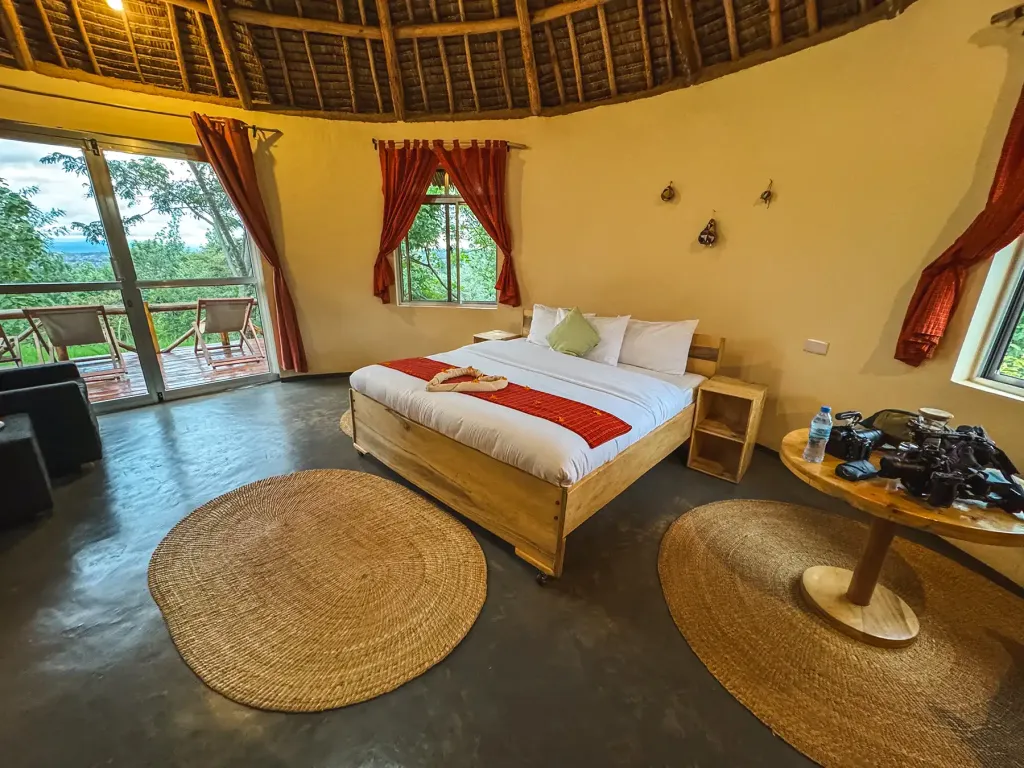
Our Budget Standard Accommodations offer a comfortable and budget-friendly stay in Africa. While not luxurious, they provide clean and well-maintained rooms with cozy beds, private bathrooms with hot showers, and inviting dining areas. Some properties are set in beautiful surroundings and may feature swimming pools or other amenities. WiFi availability may be limited to certain areas, and meals are typically served buffet-style. These accommodations ensure a pleasant and relaxing overnight stay while keeping your adventure affordable.
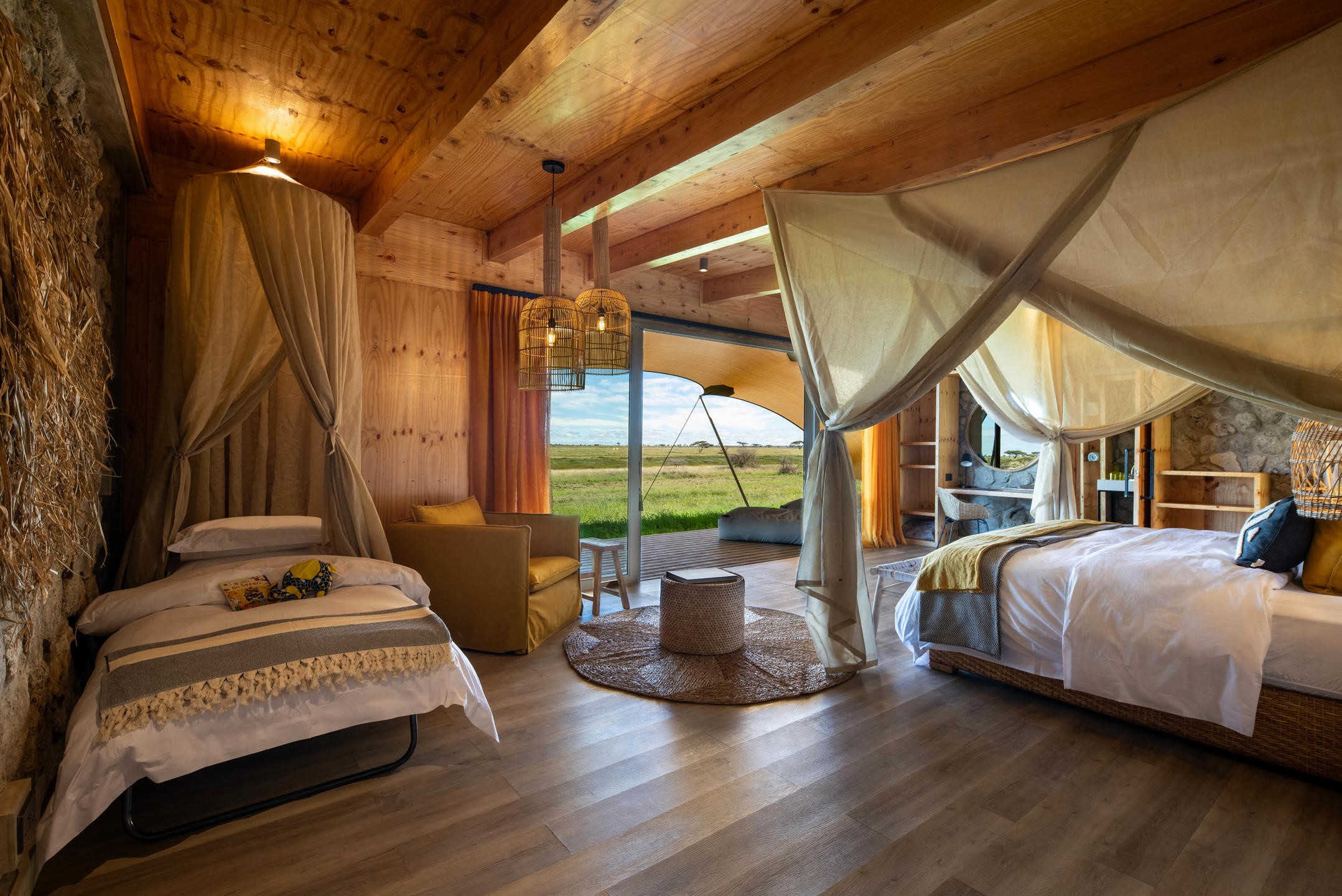
Our Mid Standard Accommodations offer an elevated level of comfort and luxury, perfect for those seeking a refined stay. These lodges and camps are thoughtfully designed, often set in stunning locations, providing a blend of elegance and nature. Enjoy spacious rooms with plush beds, fully equipped bathrooms, and private balconies overlooking breathtaking landscapes. Guests can savor delicious meals from buffet or à la carte menus and enjoy complimentary access to swimming pools. As an added delight, you may even spot wildlife right from your lodge.
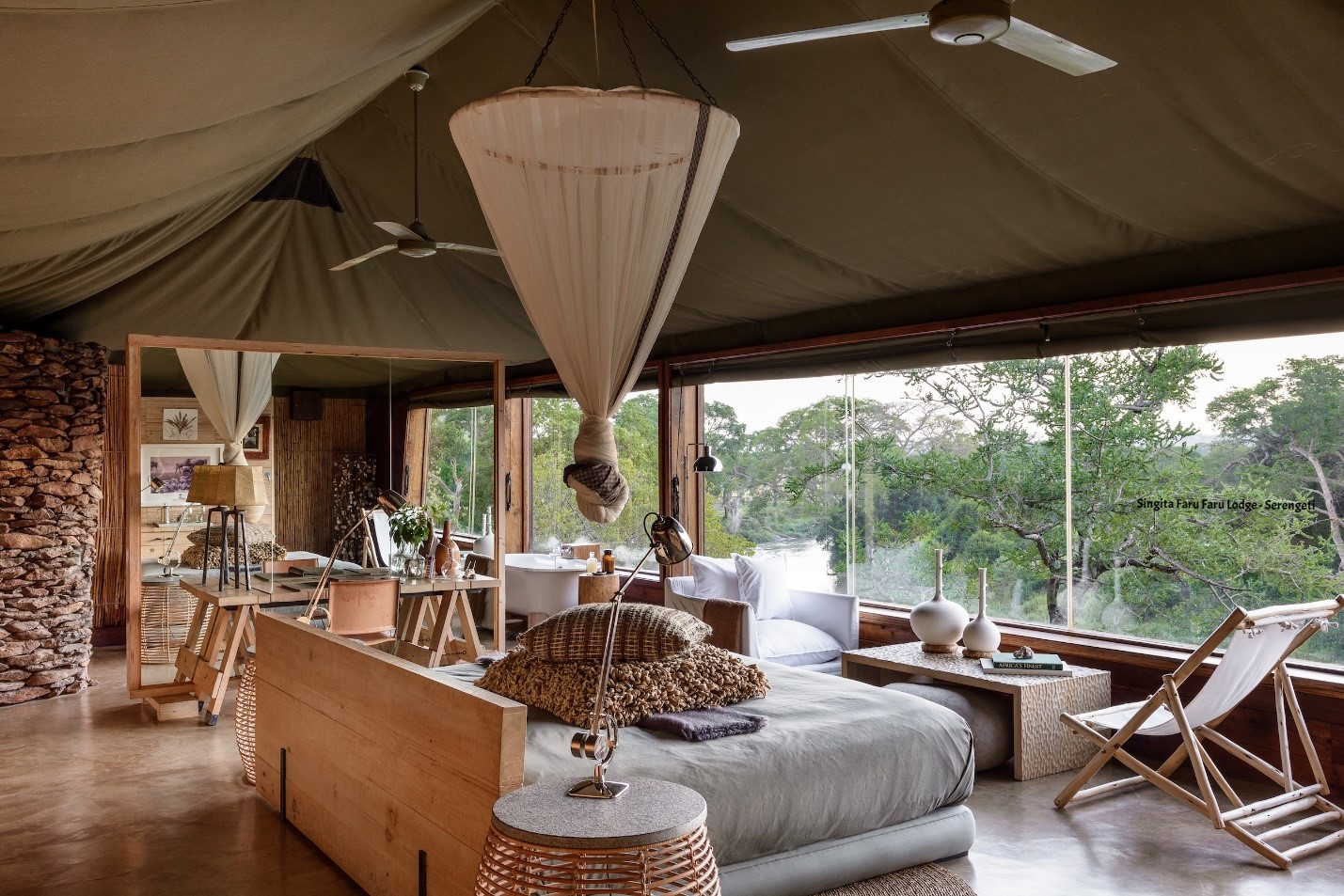
Our Loyal Standard Accommodations redefine luxury, offering exquisitely designed lodges and resorts in breathtaking locations. These premium stays provide top-tier service, ensuring every detail is perfectly catered to your comfort. Expect spacious, elegantly furnished rooms with lavish beds, private plunge pools or open-air rain showers, and stunning terraces with plush seating to take in the magnificent views. With gourmet dining and impeccable hospitality, these accommodations immerse you in Tanzania’s beauty.
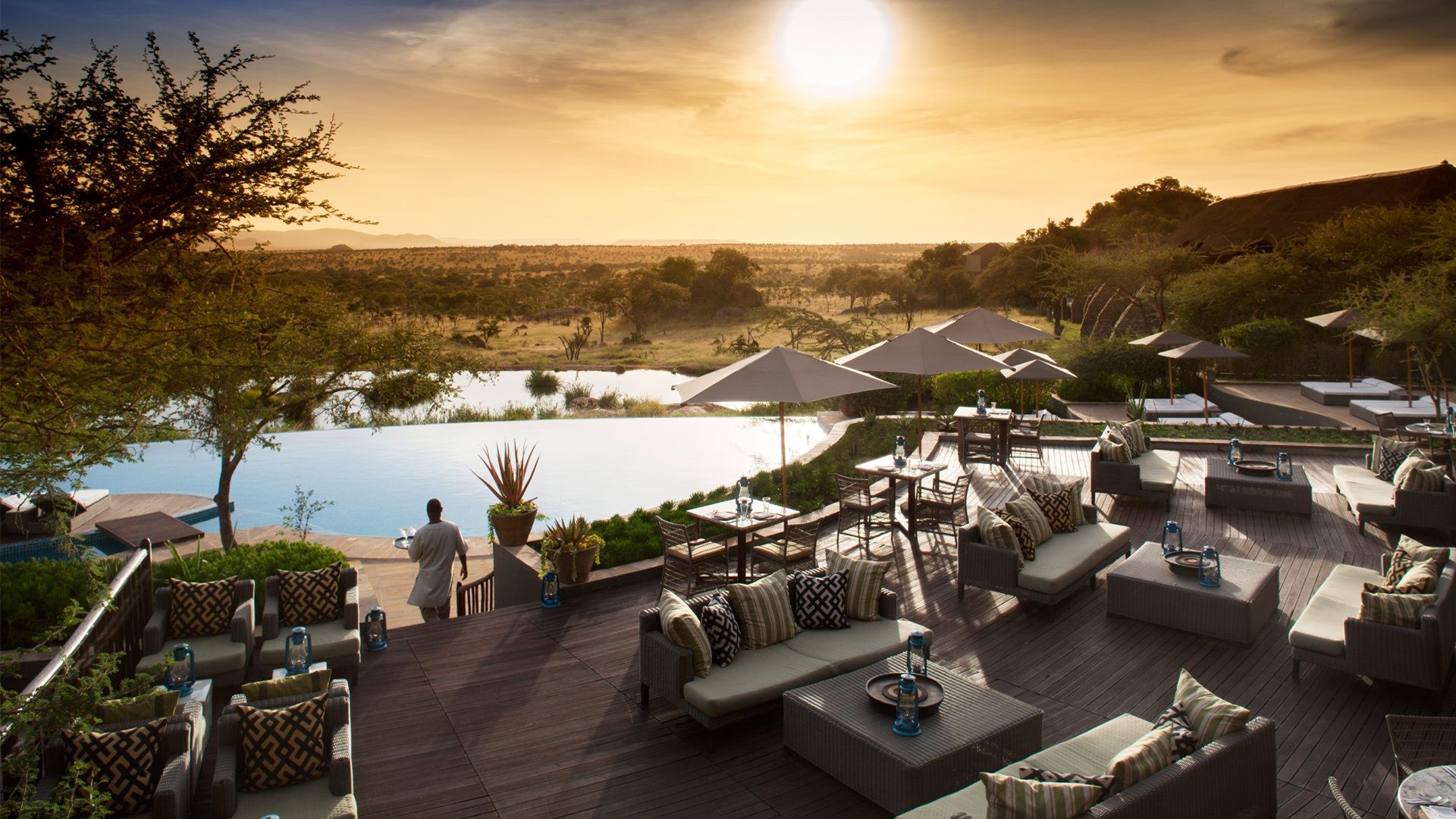
Our Luxury Standard Accommodations offer the pinnacle of elegance, exclusivity, and comfort. These exceptional stays are set in breathtaking locations, whether on private islands, treetop suites, or lodges perched on crater rims. Enjoy sundowners from your private plunge pool, gourmet dining at world-class restaurants, and luxury spa treatments. Wake up to fresh coffee served by your private butler as you take in the beauty of Tanzania’s wildlife from your terrace. This is the epitome of refined travel, ensuring a truly unforgettable adventure.