8 Days Best Kilimanjaro Join Group Trekking Package 2026, 2027, 2028 and 2029

is an excellent choice for climbers who want a more relaxed ascent schedule, stronger acclimatization, and a better chance of reaching the summit of Mount Kilimanjaro successfully.


8 Days Best Kilimanjaro Join Group Trekking Package 2026, 2027, 2028 and 2029

8 Days Best Kilimanjaro Join Group Trekking Package 2026, 2027, 2028 and 2029

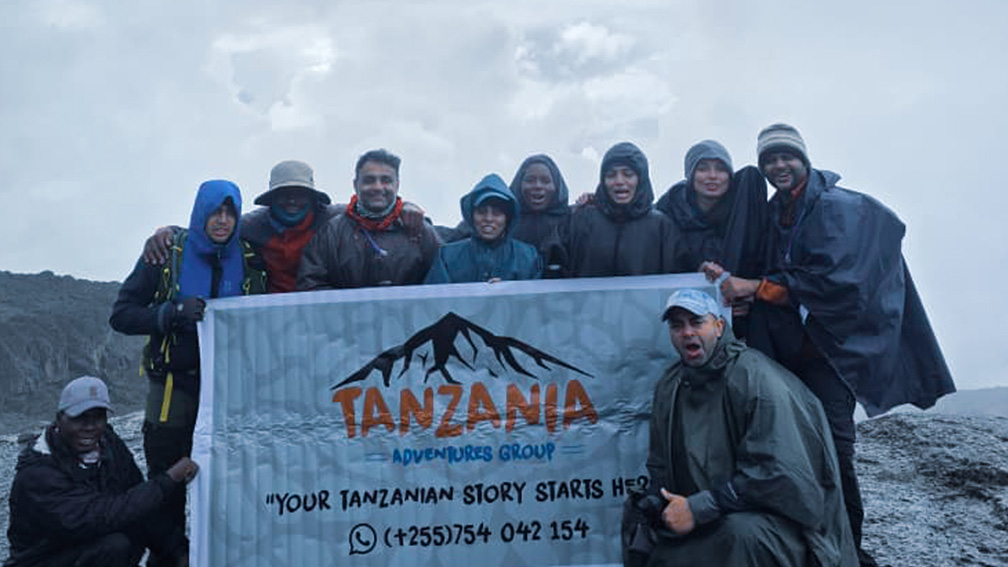
This package is designed for travelers who prefer the affordability and social experience of joining a shared group while still enjoying professional mountain guides, experienced porters, quality camping support, nutritious meals, and well-structured trekking days across Kilimanjaro’s dramatic landscapes. The 8 Days Best Kilimanjaro Join Group Trekking Package 2026, 2027, 2028 and 2029 gives trekkers more time to adapt to the altitude, enjoy the beauty of the rainforest, moorland, alpine desert, and arctic summit zone, and take on the climb with greater confidence and comfort. For anyone planning a Kilimanjaro adventure in 2026, 2027, 2028, or 2029, this join group trekking package offers outstanding value, a supportive team environment, and a memorable journey to the Roof of Africa with Tanzania Adventures Group.


SEND AN INQUIRY


Kilimanjaro Join Group Trek

8 Days Best Kilimanjaro Join Group Trekking Package 2026, 2027, 2028 and 2029

This climb page is built around the highly recommended 8-day Lemosho Route, one of the strongest summit programs for trekkers who want a better acclimatization profile, dramatic scenery, and a well-paced shared-group experience on Mount Kilimanjaro. It is an excellent option for climbers planning ahead for 2026, 2027, 2028, and 2029 and looking for a route that combines success potential with a memorable mountain journey.

The program below includes the full route structure, daily camp progression, recommended accommodation plan, route flow, and a clear breakdown of what is included and excluded. Tanzania Adventures Group can arrange guaranteed group departures, pre-climb hotel stays, airport transfers, mountain crews, park logistics, and post-climb support in Moshi.

Why this route works so well for shared climbing groups

The 8-day Lemosho approach is widely preferred for group trekking because it gives climbers more time on the mountain, a steadier altitude gain pattern, and a stronger acclimatization rhythm before the summit push. The early western approach is quieter and scenic, then the route joins the southern circuit where trekkers enjoy broad views, varied terrain, and iconic camps such as Shira, Barranco, Karanga, and Barafu.

For many travellers, this structure offers the right balance between adventure and practical mountain safety. The extra day compared with shorter climbs helps the body adapt better to altitude, while the join-group format keeps the experience more social and cost-efficient without reducing the professionalism of the mountain crew.

Package overview table

This overview gives a clear snapshot of the trekking structure, service style, accommodation arrangement, and what guests can expect before, during, and after the climb.

Item Details Recommended Notes
Climb duration 8 trekking days on the mountain Designed for better acclimatization than shorter summit programs
Recommended route Lemosho Route via Shira, Barranco, Karanga, Barafu, Mweka Strong scenic value and very good altitude adjustment profile
Accommodation style Shared mountain tents at public camps + hotel stay in Moshi before and after the climb Hotel category can be adjusted from standard to comfort level
Support team Professional mountain guide, assistant guides, cook, and porters Team ratio adjusted to group size and safety requirements
Meals on trek Breakfast, lunch, dinner, and hot drinks on the mountain Vegetarian and selected dietary requests can be arranged in advance
Ideal travel seasons January to March and June to October Departure planning for 2026 to 2029 should be done early for preferred dates
Fitness level Good general fitness required No technical climbing needed, but steady trekking endurance is important

Map structure and route flow

The route begins on the western side of Kilimanjaro, crosses the Shira Plateau, circles the southern slopes for acclimatization, then makes the summit ascent from Barafu before descending through Mweka on the southeastern side of the mountain.

Start Londorossi Gate

Entry formalities and transfer to the trailhead on the western approach.

Day 1 Mti Mkubwa Camp

Forest zone camp with a gentle first walking day.

Day 2 Shira 1 Camp

Open moorland views as the route climbs above the forest.

Day 3 Shira 2 Camp

Broad plateau trekking and continued altitude adaptation.

Day 4 Barranco Camp

Walk high via Lava Tower, then descend to sleep lower.

Day 5 Karanga Camp

Climb Barranco Wall and continue on the southern circuit.

Day 6-7 Barafu to Uhuru Peak

Summit staging camp followed by the night ascent to the roof of Africa.

Finish Mweka Gate

Final descent through montane forest and return to Moshi.

Altitude flow: Londorossi Gate (2,100 m) → Mti Mkubwa (2,650 m) → Shira 1 (3,505 m) → Shira 2 (3,850 m) → Lava Tower (4,630 m) → Barranco (3,960 m) → Karanga (4,035 m) → Barafu (4,640 m) → Uhuru Peak (5,895 m) → Millennium Camp (3,820 m) → Mweka Gate (1,640 m).

Day-by-day trekking itinerary

Day 1

Londorossi Gate to Mti Mkubwa Camp

After registration on the western side of Kilimanjaro, the team continues to the trailhead and begins the first trek through dense rainforest. This first stage is intentionally moderate and helps the group settle into the pace of the mountain while guides observe walking rhythm, hydration habits, and general energy levels.

The route ends at Mti Mkubwa Camp, also known as Big Tree Camp, where climbers have their first full mountain dinner and overnight under canvas. The forest setting is beautiful and quiet, making this a comfortable introduction to the climb.

Overnight: Mti Mkubwa Camp Habitat: Rainforest Style: Moderate acclimatization day
Day 2

Mti Mkubwa Camp to Shira 1 Camp

Today the trail leaves the forest and enters the heath and moorland zone, with increasingly open views across the western slopes. The elevation gain becomes more noticeable, but the pace remains measured and supportive for join-group trekkers with different walking speeds.

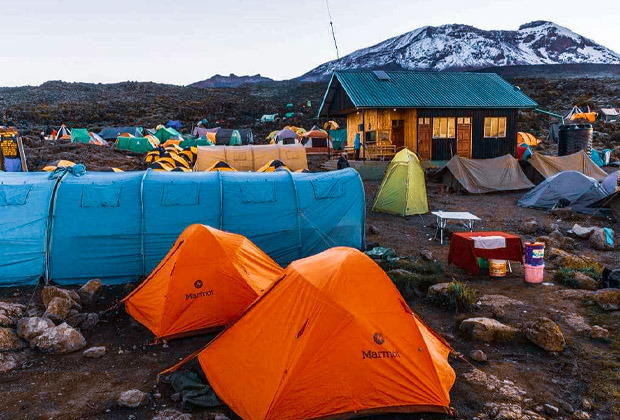
By the time the group reaches Shira 1 Camp, the scenery has changed dramatically from forest to open mountain plateau. This is one of the most rewarding visual transitions on the route and a strong reason why Lemosho is often selected as a premium trekking experience.

Overnight: Shira 1 Camp Habitat: Moorland Focus: Steady altitude gain
Day 3

Shira 1 Camp to Shira 2 Camp

The third day is an important acclimatization stage across the Shira Plateau. The walking is less steep than the previous day, but the higher altitude means trekkers still need to manage pace carefully, drink well, and keep meals consistent for energy.

Shira 2 Camp offers broad views toward Kibo and the higher slopes ahead. Guides usually use this camp to review summit strategy, clothing layers, and next-stage mountain routines while monitoring how each climber is adapting to altitude.

Overnight: Shira 2 Camp Habitat: Alpine moorland Focus: Acclimatization
Day 4

Shira 2 Camp via Lava Tower to Barranco Camp

This is one of the most important acclimatization days of the entire program. The route climbs high toward Lava Tower before descending to Barranco Camp for sleeping. This “walk high, sleep lower” pattern is a key reason the 8-day version is so effective for many climbers.

The landscape becomes more rugged and dramatic, and the day gives the group a real sense of the mountain’s scale. Barranco Camp sits below the Barranco Wall and is widely considered one of the most scenic camp settings on Kilimanjaro.

Overnight: Barranco Camp High point: Lava Tower Focus: Strong acclimatization strategy
Day 5

Barranco Camp to Karanga Camp

The morning begins with the famous Barranco Wall, a fun and memorable scramble that rewards climbers with spectacular views once the group reaches the top. This section feels adventurous but is non-technical when guided properly and approached with patience.

After crossing rolling ridges and valleys on the southern side of the mountain, the route reaches Karanga Camp. This shorter day helps preserve energy while continuing acclimatization ahead of the final approach toward summit camp.

Overnight: Karanga Camp Highlight: Barranco Wall Style: Shorter recovery stage
Day 6

Karanga Camp to Barafu Camp

The route climbs steadily to Barafu Camp, the final staging point before the summit attempt. The terrain becomes more barren and alpine, and the environment feels more exposed and high-altitude, reminding trekkers that summit night is close.

On arrival, the crew prepares an early meal and the guides hold a detailed summit briefing. Rest, hydration, gear checks, and mental preparation are all important here because the next stage begins during the night.

Overnight: Barafu Camp Focus: Summit preparation Environment: Alpine desert
Day 7

Barafu Camp to Uhuru Peak, then descend to Millennium Camp

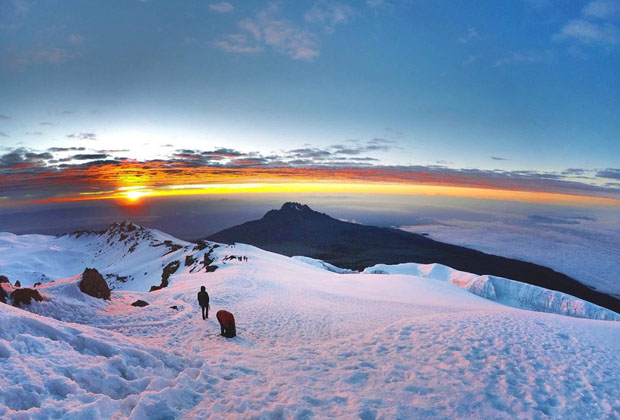
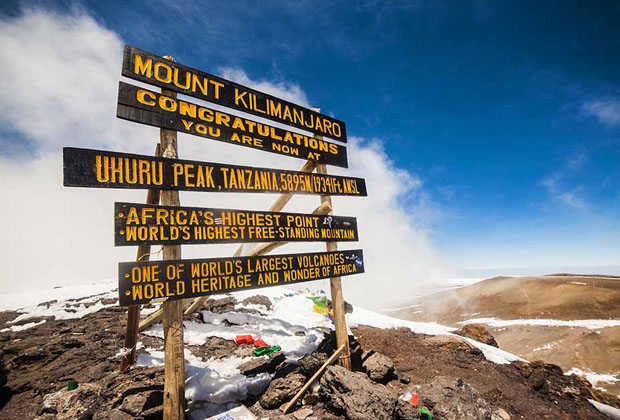
Summit night begins shortly after midnight. Trekkers move slowly and steadily toward Stella Point and continue to Uhuru Peak, the highest point in Africa at 5,895 meters. This is the most demanding day physically and mentally, but also the most rewarding moment of the climb.

After celebrating at the summit, the group descends back to Barafu for a short rest and meal, then continues further down to Millennium Camp. Sleeping at a much lower altitude after the summit helps recovery and makes the final day more comfortable.

Overnight: Millennium Camp Summit: Uhuru Peak Focus: Summit success and descent
Day 8

Millennium Camp to Mweka Gate and return to Moshi

The final day follows a scenic descent through forest to Mweka Gate, where climbers sign out and receive summit certificates according to the highest point reached. The return transfer to Moshi marks the official end of the mountain program.

This last stage is a satisfying finish after a major achievement. Most groups return to the hotel for showers, celebration, and a well-earned recovery evening before onward travel or additional Tanzania safari arrangements.

End point: Mweka Gate Transfer: Back to Moshi Certificate: Issued after descent

Suggested accommodations according to the program

A professional Kilimanjaro package should include comfortable hotel support before and after the climb, plus properly staffed mountain camping on the trek itself. Below is a recommended accommodation structure for this itinerary.

Pre-climb hotel in Moshi

Recommended for the night before the trek: Park View Inn, Panama Garden Resort, Kilimanjaro Wonders Hotel, or a similar Moshi property depending on the final package level. This stay is used for arrival, equipment check, briefing, and rest before mountain departure.

Day 1 mountain camp

Mti Mkubwa Camp. Shared mountain tents with full crew support, dining tent, sleeping tents, and camping services managed by the trekking team.

Day 2 mountain camp

Shira 1 Camp. Scenic moorland camp with broad views and good spacing for the group as the climb moves above the forest.

Day 3 mountain camp

Shira 2 Camp. One of the key acclimatization overnights on the route and an important staging point before the Lava Tower section.

Day 4 mountain camp

Barranco Camp. Dramatic camp position below the Barranco Wall and one of the most memorable overnight stops on Kilimanjaro.

Day 5 mountain camp

Karanga Camp. A strategic stop that supports acclimatization and keeps the climb well paced before the summit approach.

Day 6 mountain camp

Barafu Camp. Final summit base camp with an early dinner and rest period before the midnight ascent.

Day 7 mountain camp and post-climb hotel

Millennium Camp for the final mountain overnight, followed by a recommended post-climb hotel night in Moshi such as Park View Inn, Panama Garden Resort, Kilimanjaro Wonders Hotel, or similar for shower, recovery, and celebration.

Accommodation note: on the mountain, join-group climbers normally use quality shared expedition tents. Private toilet tents, single supplements in Moshi, or higher-category hotel upgrades can be added on request.

What is included and excluded

Included in the package

  • Kilimanjaro park fees, camping fees, rescue fees, and all required mountain permits
  • Professional English-speaking mountain guide, assistant guides, cook, and porters
  • 8-day Lemosho trekking program as outlined
  • Shared mountain tents and standard camping equipment for the route
  • Dining tent, tableware, and mountain cooking services
  • Breakfast, lunch, and dinner on the mountain plus hot drinks
  • Pre-climb briefing and equipment check in Moshi
  • Transfers between Moshi hotel, gate, and return after the climb
  • Two hotel nights in Moshi on bed and breakfast basis, before and after the trek
  • Drinking water on the mountain
  • Pulse oximeter checks and basic daily health monitoring by the guide team
  • Fair and ethical crew wages in line with mountain operation standards
  • Summit certificate after successful descent

Excluded from the package

  • International and domestic flights
  • Tanzania visa and travel insurance
  • Personal trekking equipment and clothing
  • Sleeping bag, trekking poles, and other gear rentals if needed
  • Lunches and dinners at the hotel in Moshi unless specified otherwise
  • Alcoholic drinks, soft drinks, and personal snacks not supplied by the crew
  • Tips for guides, assistant guides, cook, and porters
  • Personal medical expenses and emergency evacuation insurance cover
  • Private toilet tent unless added to the booking
  • Extra hotel nights before or after the listed program
  • Additional transfers not connected to the climb itinerary
  • Any service not clearly mentioned under inclusions

Frequently asked questions

Which route is used for this package?

This page is structured around the 8-day Lemosho Route because it is one of the best-performing Kilimanjaro programs for scenery, pacing, and acclimatization in a join-group format.

Is this climb suitable for first-time Kilimanjaro trekkers?

Yes. Many first-time climbers choose this itinerary because it gives more time to adapt to altitude than shorter routes. Good fitness, preparation, and proper gear are still essential.

Why is an 8-day climb often better than a shorter itinerary?

The extra day improves acclimatization, reduces the pressure of rapid ascent, and generally provides a stronger summit strategy for many climbers.

Are departures available in 2026, 2027, 2028, and 2029?

Yes. Join-group departures can be organized across these travel years, and early planning is recommended to secure preferred months and rooming arrangements before and after the climb.

What kind of accommodation is used during the trek?

The mountain portion is camping-based at official Kilimanjaro camps using shared expedition tents, while Moshi nights are arranged in a hotel before and after the trek.

Do I need technical climbing experience?

No technical mountaineering experience is required. Kilimanjaro is a trekking peak, but the altitude makes proper preparation, endurance, and guided support very important.

Can I rent equipment in Moshi?

Yes. Sleeping bags, trekking poles, jackets, gaiters, duffel bags, and other major mountain items can usually be rented locally if booked in advance.

Can this be upgraded to a private trek?

Yes. The same route can be operated as a private climb with flexible pacing, dedicated support arrangements, and custom hotel upgrades before and after the mountain.

Plan your Kilimanjaro group departure with confidence

8 Days Best Kilimanjaro Join Group Trekking Package 2026, 2027, 2028 and 2029 is an excellent choice for climbers who want a better-paced summit program with strong route quality and dependable join-group logistics. Tanzania Adventures Group can help you secure dates, confirm hotel options, prepare your gear plan, and match you with the right mountain departure.


The Significance of a Tanzania Safari Experience

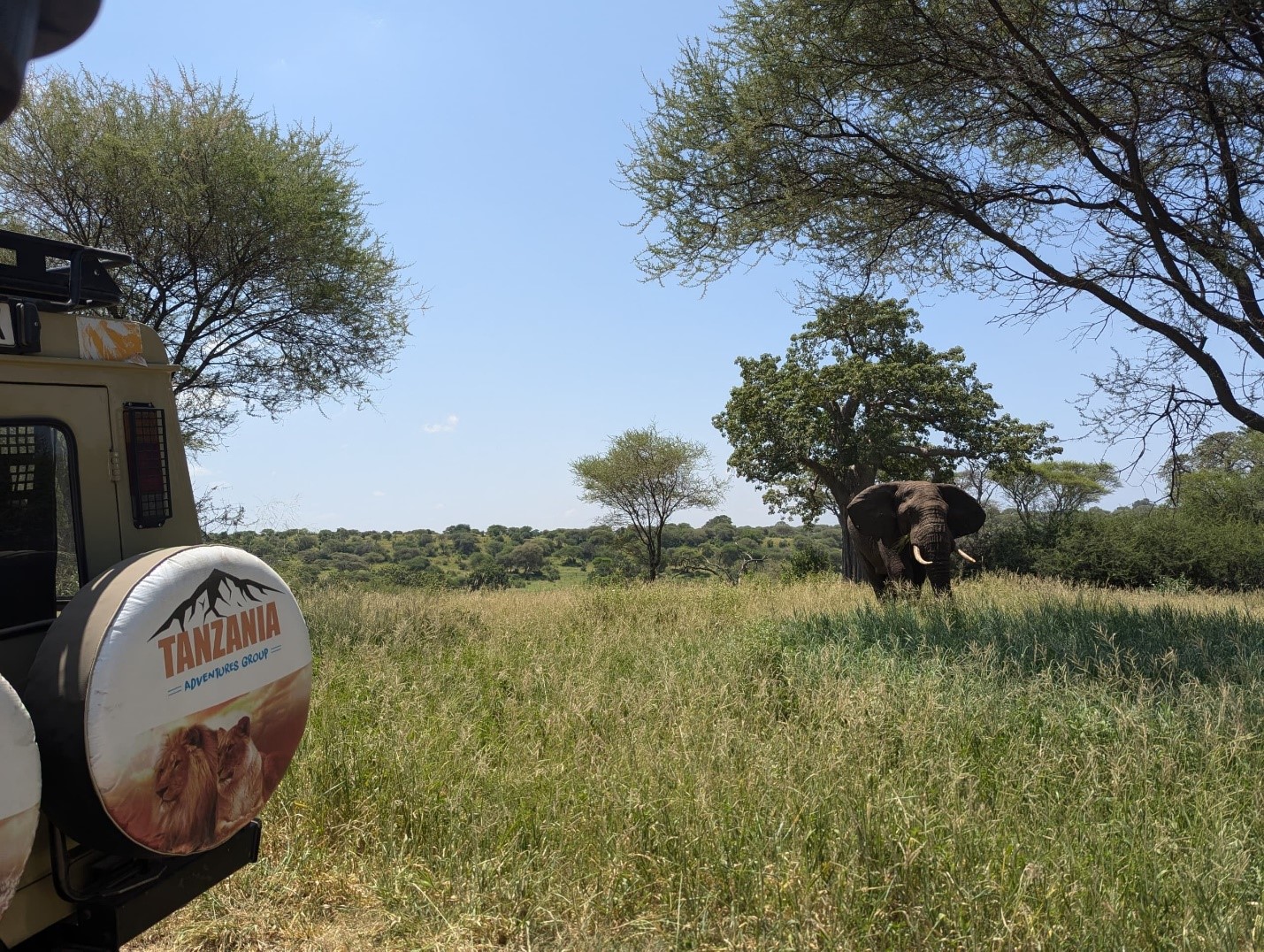
A Tanzania safari adventure is more than just a trip—it’s a life-changing experience that immerses you in the raw beauty of nature, diverse wildlife, and rich cultural heritage. Exploring Tanzania’s vast landscapes, from the iconic Serengeti to the majestic Ngorongoro Crater, allows you to witness the Great Migration, encounter the Big Five, and connect with nature in its purest form.

Beyond wildlife, a safari in Tanzania offers a profound cultural exchange. Engaging with the Maasai and other indigenous communities provides insight into traditional ways of life, enriching your travel experience. Whether you seek adventure, relaxation, or personal transformation, a Tanzania safari is an unforgettable journey that leaves a lasting impact.

The Value of a Private Tanzania Safari Experience

A private Tanzania safari adventure offers an exclusive and personalized experience, allowing you to explore the country’s breathtaking landscapes and extraordinary wildlife at your own pace. Unlike group safaris, a private safari provides flexibility in itinerary planning, ensuring that your journey is tailored to your specific interests.

Beyond the personalized experience, a private safari enhances comfort, privacy, and intimacy, making it ideal for couples, families, or small groups seeking a more secluded and luxurious journey. This level of exclusivity not only elevates your safari experience but also fosters a profound connection with Tanzania’s untamed beauty.

Your Dream Trip, Tailored to Your Budget

At Tanzania Adventures Group, we believe that every journey should be as unique as the traveler. Our dedicated team of experts will work closely with you to craft the perfect itinerary, ensuring your experience is tailored to your preferences, interests, and budget.

We offer a range of accommodations and travel experiences suited to different budgets and expectations. Our price guide provides a clear overview of seasonal variations—low, mid, and high— as well as accommodation categories: Budget Standard Accommodations, Mid Standard Accommodations, Loyal Standard Accommodations, and Luxury Standard Accommodations.

PLAN YOUR SAFARI


Find the Perfect Accommodation for Your Stay

Budget Accommodation

Budget Standard Accommodations

Our Budget Standard Accommodations offer a comfortable and budget-friendly stay in Africa. While not luxurious, they provide clean and well-maintained rooms with cozy beds, private bathrooms with hot showers, and inviting dining areas. Some properties are set in beautiful surroundings and may feature swimming pools or other amenities. WiFi availability may be limited to certain areas, and meals are typically served buffet-style. These accommodations ensure a pleasant and relaxing overnight stay while keeping your adventure affordable.

Mid Standard Accommodation

Mid Standard Accommodations

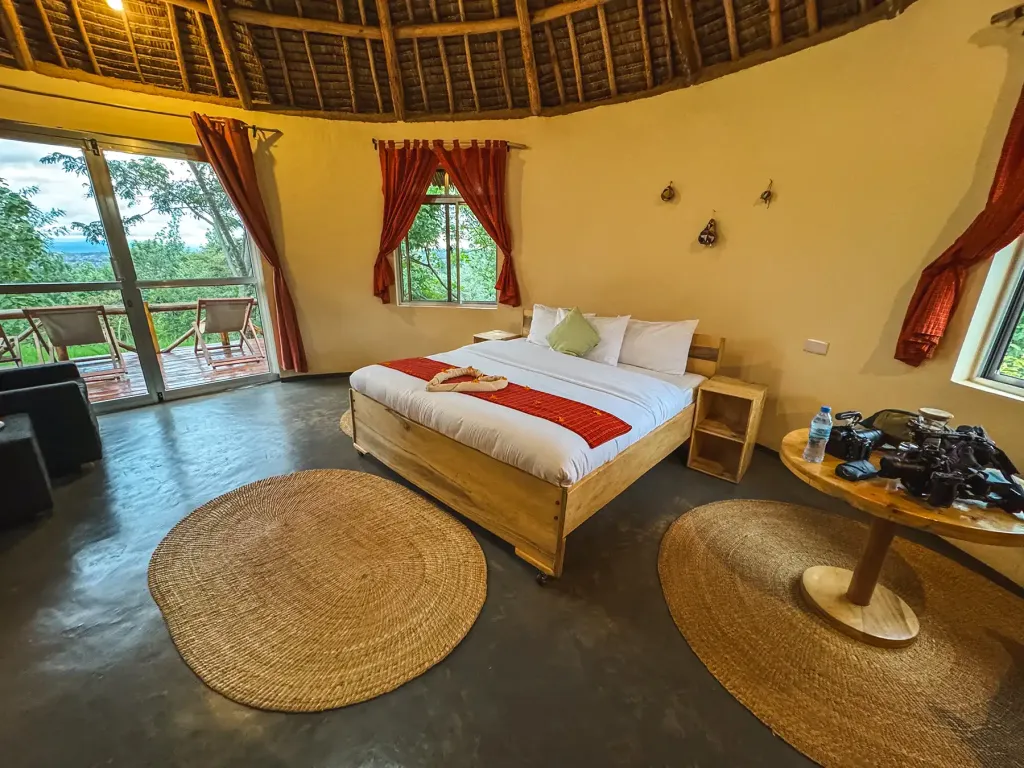
Our Mid Standard Accommodations offer an elevated level of comfort and luxury, perfect for those seeking a refined stay. These lodges and camps are thoughtfully designed, often set in stunning locations, providing a blend of elegance and nature. Enjoy spacious rooms with plush beds, fully equipped bathrooms, and private balconies overlooking breathtaking landscapes. Guests can savor delicious meals from buffet or à la carte menus and enjoy complimentary access to swimming pools. As an added delight, you may even spot wildlife right from your lodge.

Loyal Standard Accommodation

Loyal Standard Accommodations

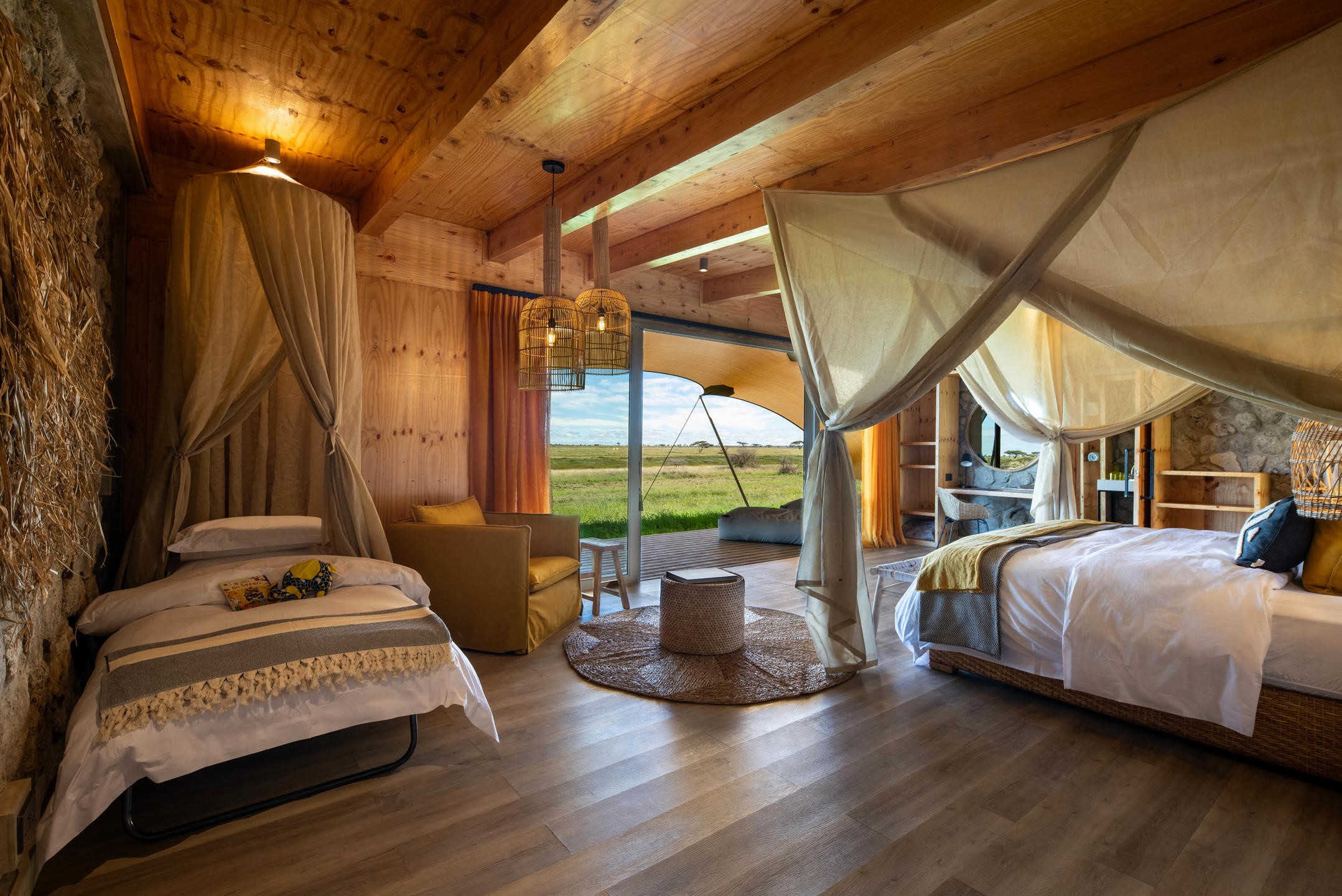
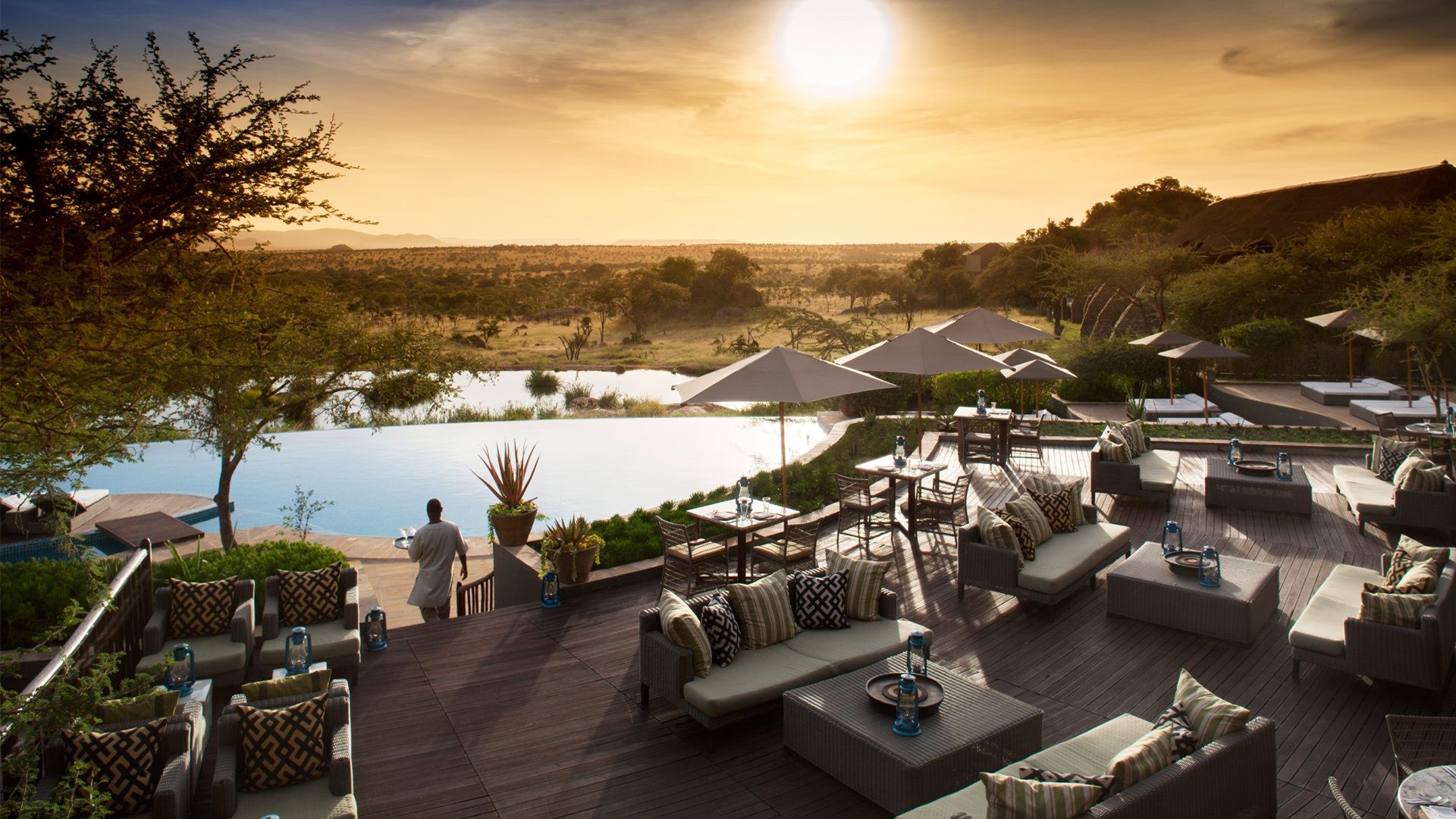
Our Loyal Standard Accommodations redefine luxury, offering exquisitely designed lodges and resorts in breathtaking locations. These premium stays provide top-tier service, ensuring every detail is perfectly catered to your comfort. Expect spacious, elegantly furnished rooms with lavish beds, private plunge pools or open-air rain showers, and stunning terraces with plush seating to take in the magnificent views. With gourmet dining and impeccable hospitality, these accommodations immerse you in Tanzania’s beauty.

Luxury Standard Accommodation

Luxury Standard Accommodations

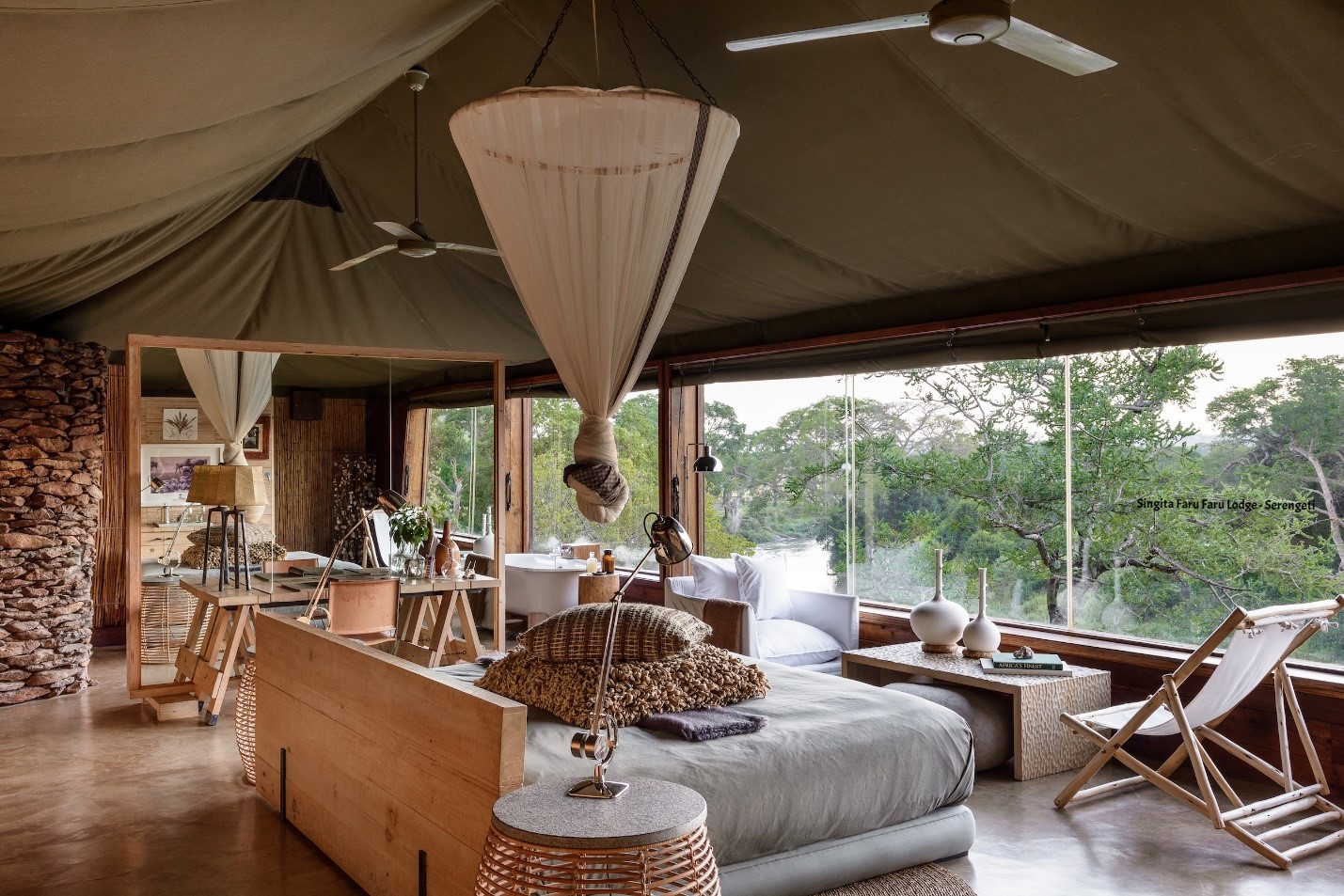
Our Luxury Standard Accommodations offer the pinnacle of elegance, exclusivity, and comfort. These exceptional stays are set in breathtaking locations, whether on private islands, treetop suites, or lodges perched on crater rims. Enjoy sundowners from your private plunge pool, gourmet dining at world-class restaurants, and luxury spa treatments. Wake up to fresh coffee served by your private butler as you take in the beauty of Tanzania’s wildlife from your terrace. This is the epitome of refined travel, ensuring a truly unforgettable adventure.

Recommended Itineraries For Kilimanjaro Climb

Recommended Itineraries For Kilimanjaro Climb

Our Partners

image
image
image
image
image