The itinerary below is structured to prioritize migration-focused game drives during July while still ending with one of Tanzania’s most famous wildlife destinations, the Ngorongoro Crater. The route keeps enough flexibility for your guide to adjust game-drive focus according to real herd movement.
Day 1
Overnight: Central Serengeti
Arusha to Serengeti National Park
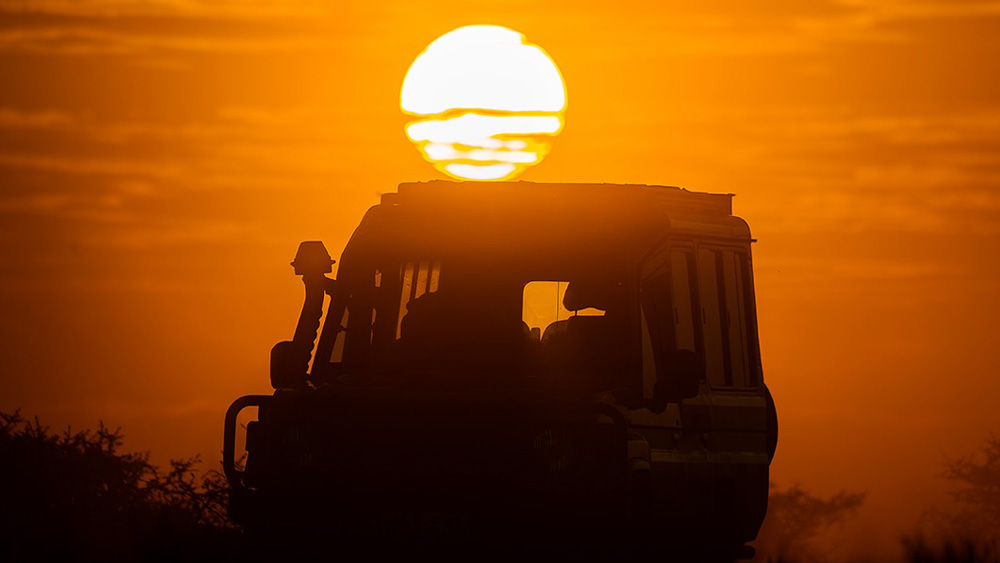
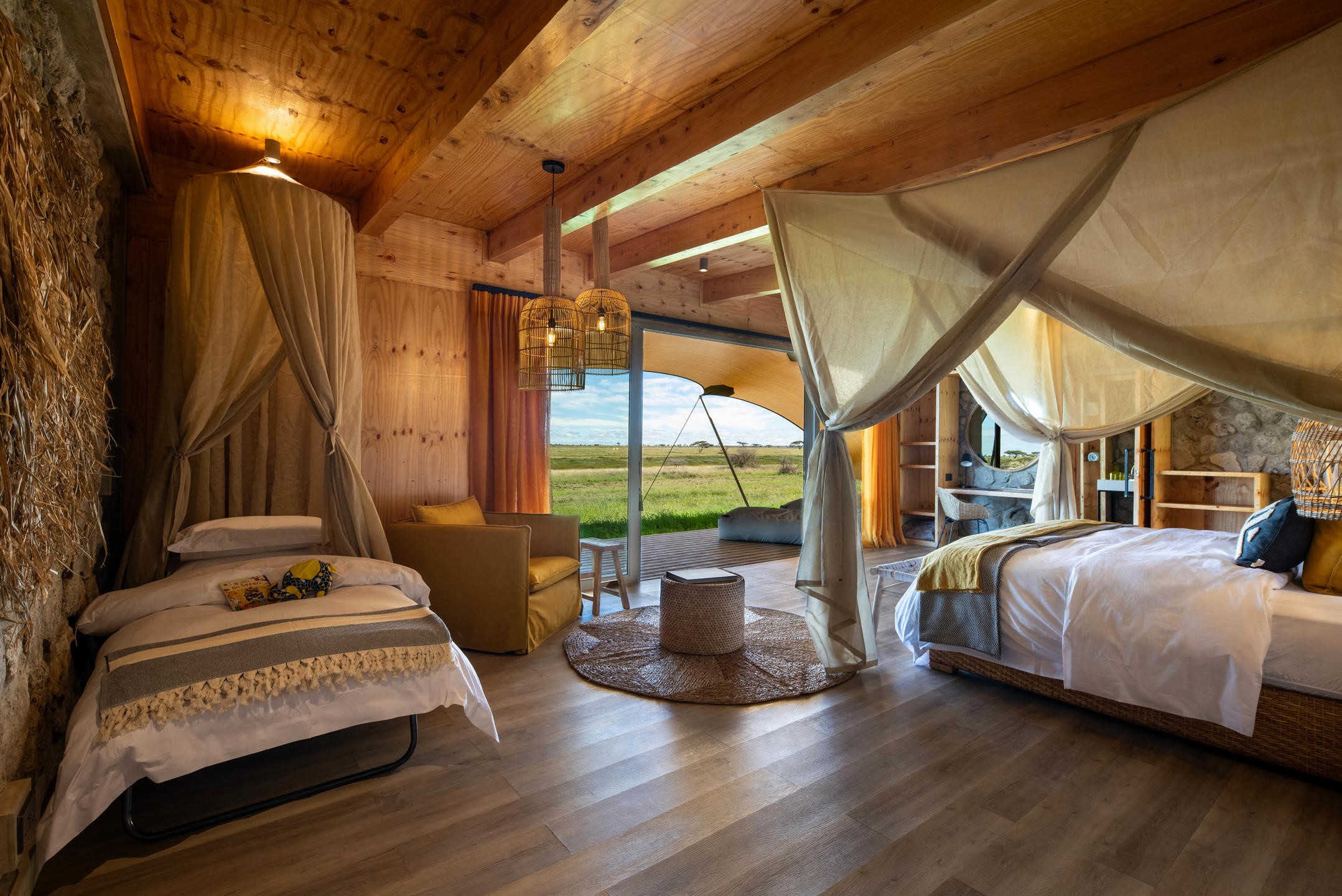
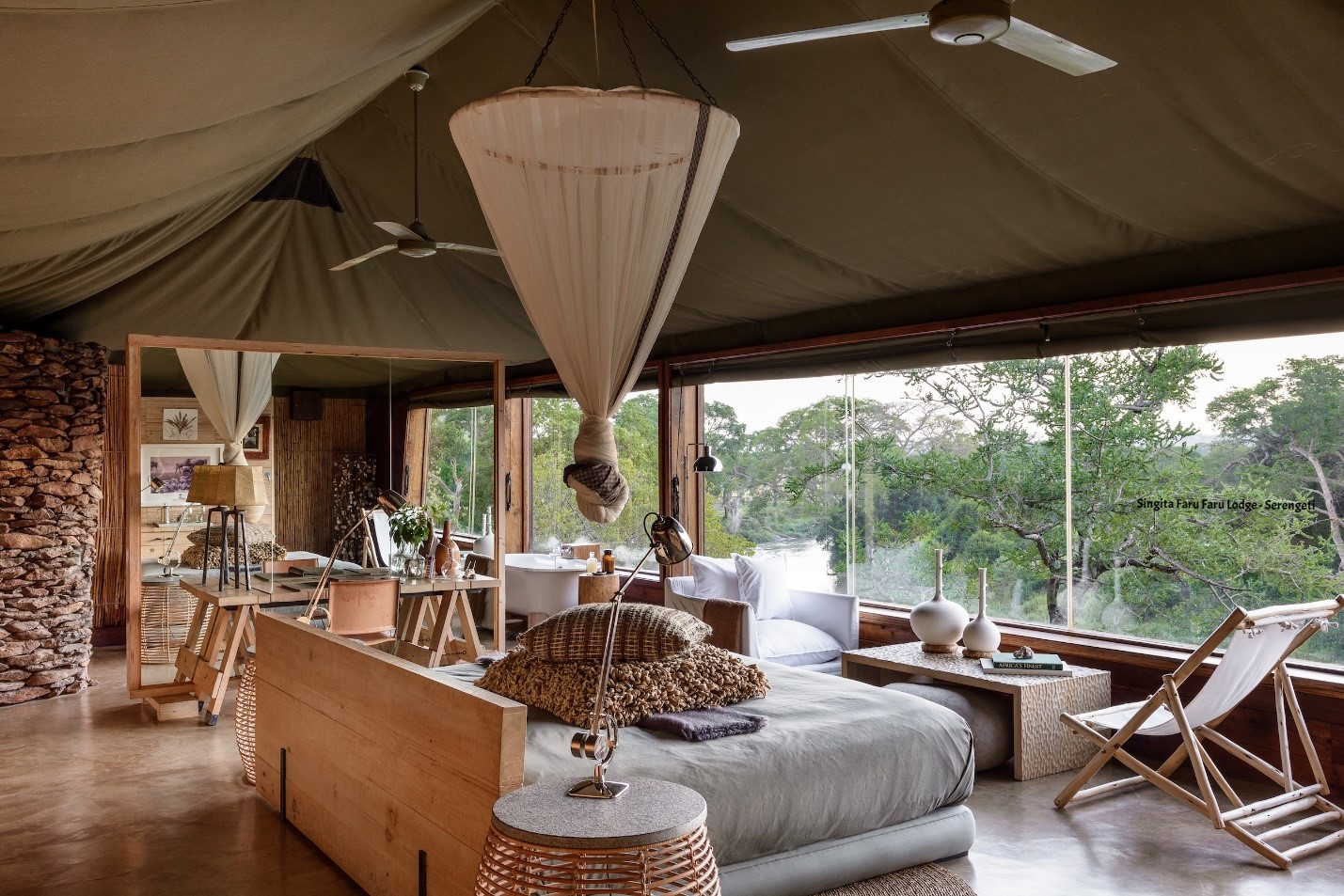
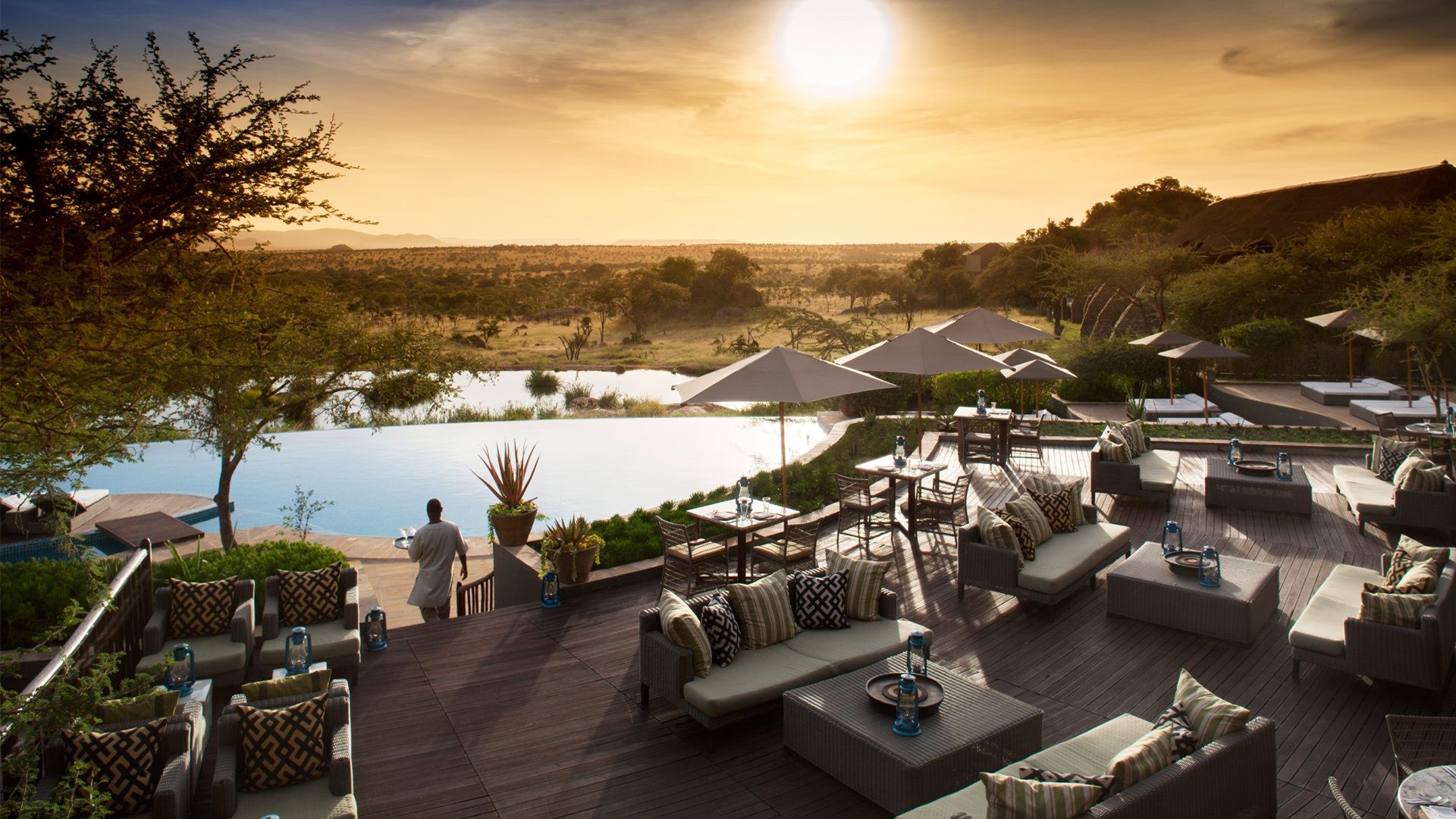
After breakfast, depart Arusha and drive through the Ngorongoro highlands toward Serengeti National Park. This journey introduces you to the dramatic shift from cultivated uplands to the vast open plains of the Serengeti ecosystem. On arrival in the park, begin a game drive en route to your camp or lodge in Central Serengeti.
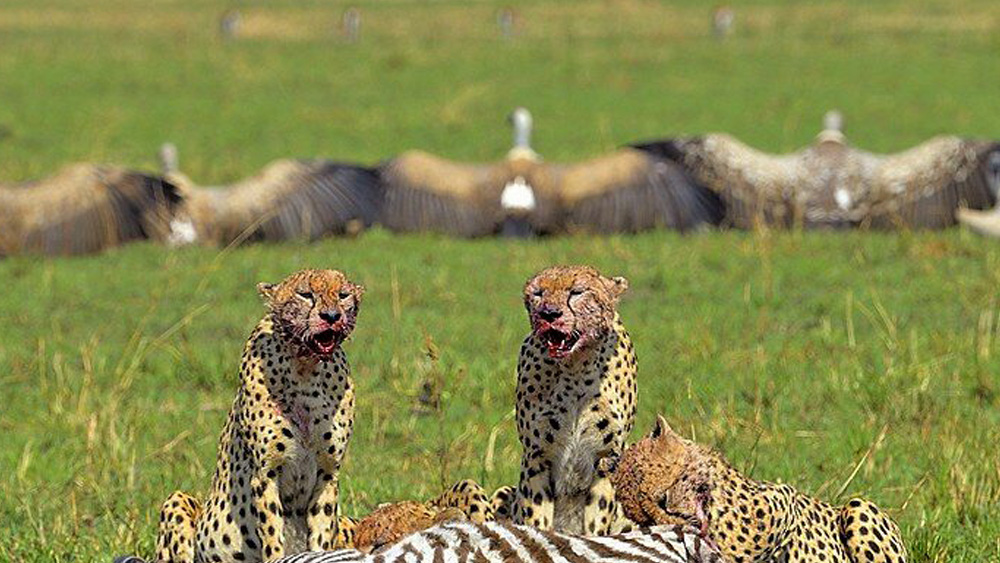
Your first afternoon in Serengeti already offers the chance to encounter wildlife associated with the migration season, including wildebeest, zebra, lions, hyenas, and large plains game concentrations. Central Serengeti also remains highly rewarding year-round for predators and resident wildlife.
Day 2
Overnight: Central / Western Serengeti
Full Day Serengeti Migration Safari
Spend the day exploring the active migration areas of Serengeti with picnic lunch in the bush. Depending on current herd location, your guide may focus on Central Serengeti or push farther west toward the migration corridor where July movement can remain very productive. This flexibility allows you to follow recent wildlife reports and maximize your safari value.
July game drives often bring excellent opportunities for predator activity, herd interaction, and wide-open plains scenes that photographers and wildlife lovers especially enjoy. The day is designed to keep you close to the migration story as it unfolds naturally.
Day 3
Overnight: Northern Serengeti / Lobo Area
Migration Tracking Toward Northern Serengeti
After breakfast, continue with a migration-focused game drive while gradually positioning toward the northern Serengeti direction. July is one of the key transition periods when many herds move northward, and this day is designed to increase your chances of reaching active zones with strong herd presence.
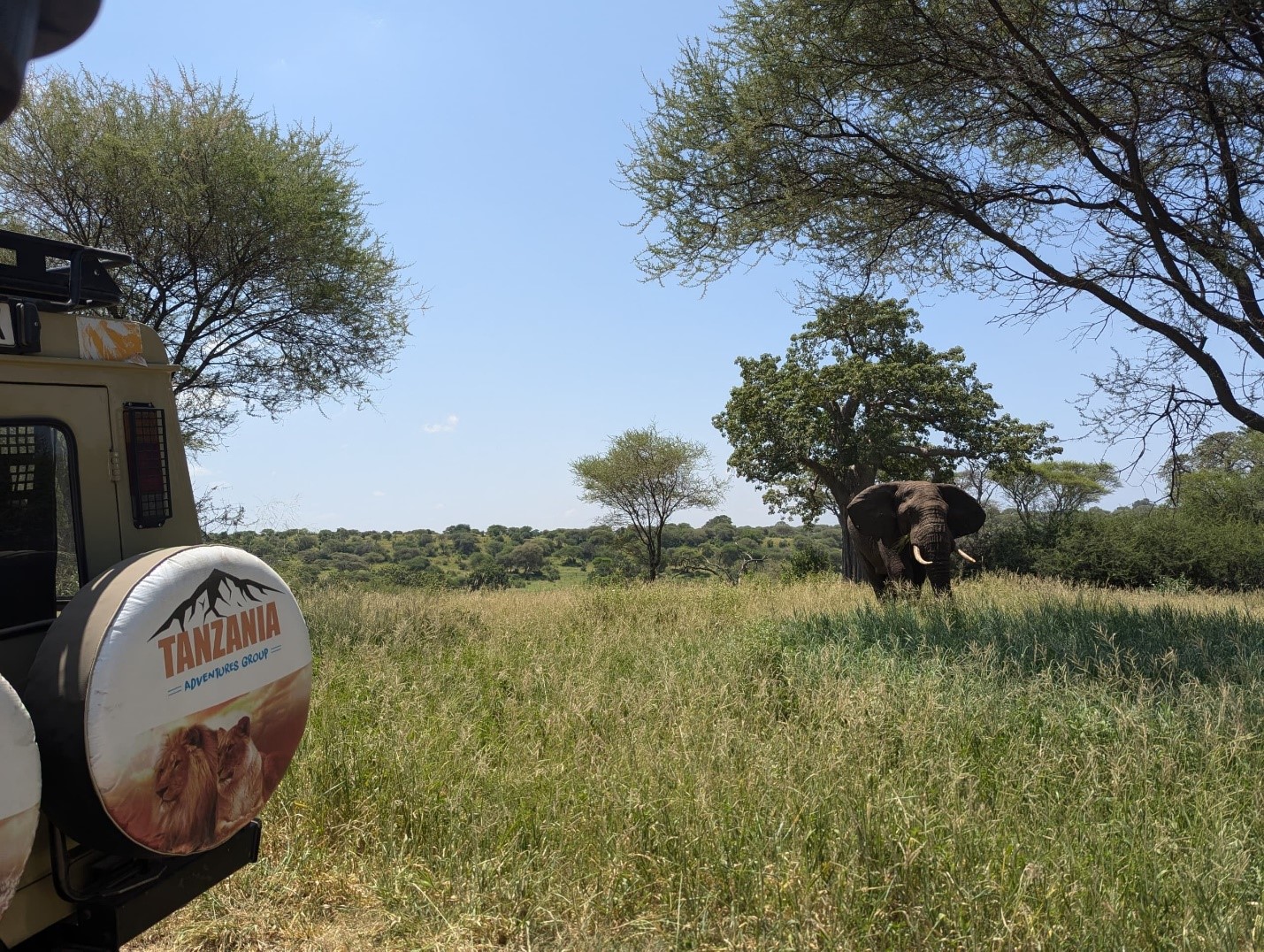
The drive itself can be very rewarding, with chances to see big cats, elephants, giraffes, topi, and large wildebeest lines moving through the ecosystem. Overnight in or near the northern sector helps keep you close to the areas where the migration may be building momentum.
Day 4
Overnight: Northern Serengeti / Migration Area
Full Day Northern Serengeti Migration Safari
Today is dedicated to a full day of migration-focused game drives in the northern Serengeti region or nearby active July herd zones. If conditions are right, this area can offer some of the most dramatic wildlife scenes of the season, including intense predator pressure, dense herd concentrations, and possible river-crossing buildup or activity. Because migration is a natural movement, sightings vary from day to day, making each safari unique.
Beyond the herds, northern Serengeti is also scenic and wildlife-rich, with resident species, rolling landscapes, and quieter game-viewing areas that add variety to the safari. Overnight remains in the migration area for continued access to the action.
Day 5
Overnight: Ngorongoro / Karatu Area
Morning Serengeti Safari and Transfer to Ngorongoro Area
Enjoy a final morning game drive in Serengeti before beginning the transfer toward the Ngorongoro or Karatu area. Early morning remains one of the most productive safari periods, especially when the plains are cool and predators are active. This final Serengeti drive gives you one last chance to enjoy July migration wildlife before leaving the park.
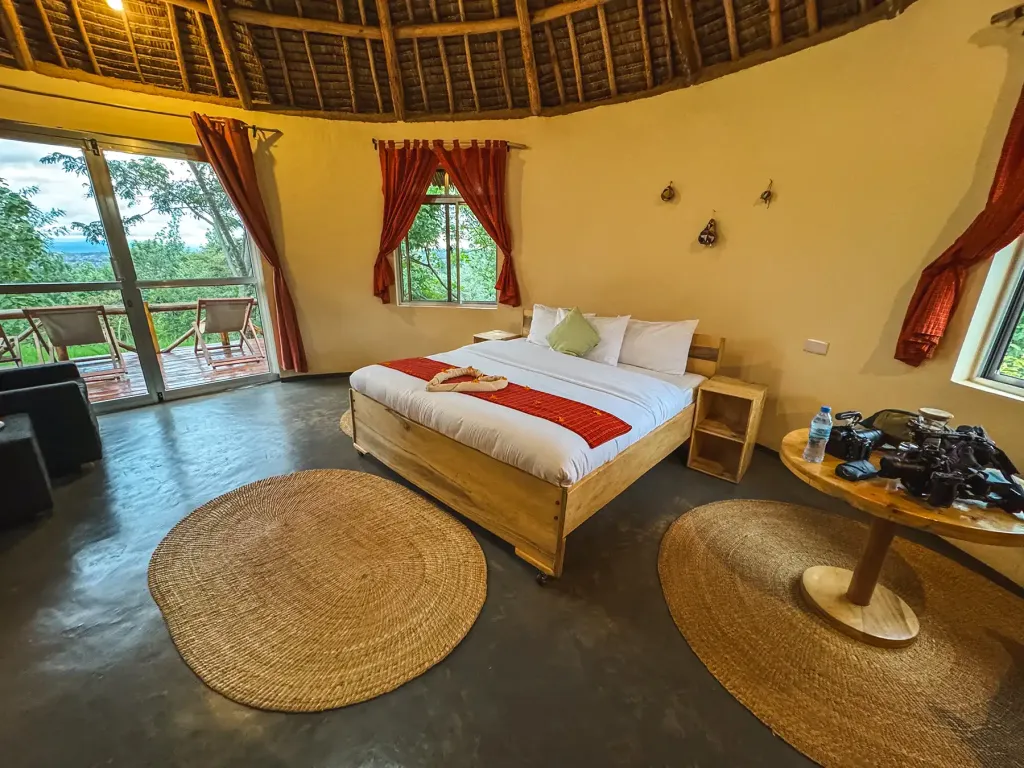
After the morning safari, continue east through the Serengeti and conservation highlands, arriving later in the day at your lodge for dinner and overnight. This stop is planned to support an early and efficient crater descent the next morning.
Day 6
Return: Arusha
Ngorongoro Crater Game Drive and Return to Arusha
After breakfast, descend into the Ngorongoro Crater for a half-day safari on the crater floor. This natural amphitheatre is one of the best wildlife areas in Africa and offers an excellent chance to see lions, buffalo, zebras, wildebeest, hyenas, hippos, flamingos, and sometimes black rhino. The crater adds a strong finishing highlight to the migration safari by giving you concentrated wildlife viewing in a completely different ecosystem.
After your picnic lunch and crater game drive, return to Arusha where the safari ends. This final day completes a highly rewarding July package that combines migration tracking with classic northern Tanzania wildlife highlights.