Day 1
Arrival in Arusha
On arrival at Kilimanjaro International Airport or Arusha Airport, you will be welcomed by the Tanzania Adventures Group team and transferred to your hotel in Arusha. This first day is planned for rest, safari briefing, and final preparation for the camping journey ahead. It also allows time to confirm gear, discuss the route, and organize luggage for the bush.
Depending on your arrival time, you may simply relax at the hotel and prepare for an early start on the next morning. Dinner and overnight are in Arusha.
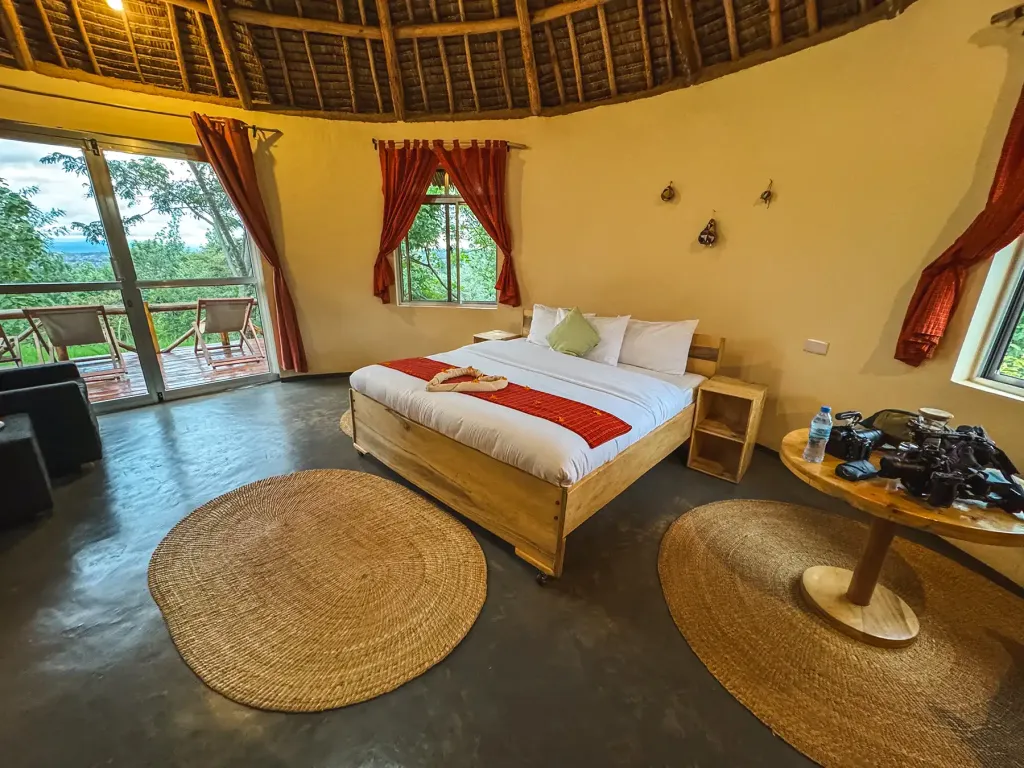
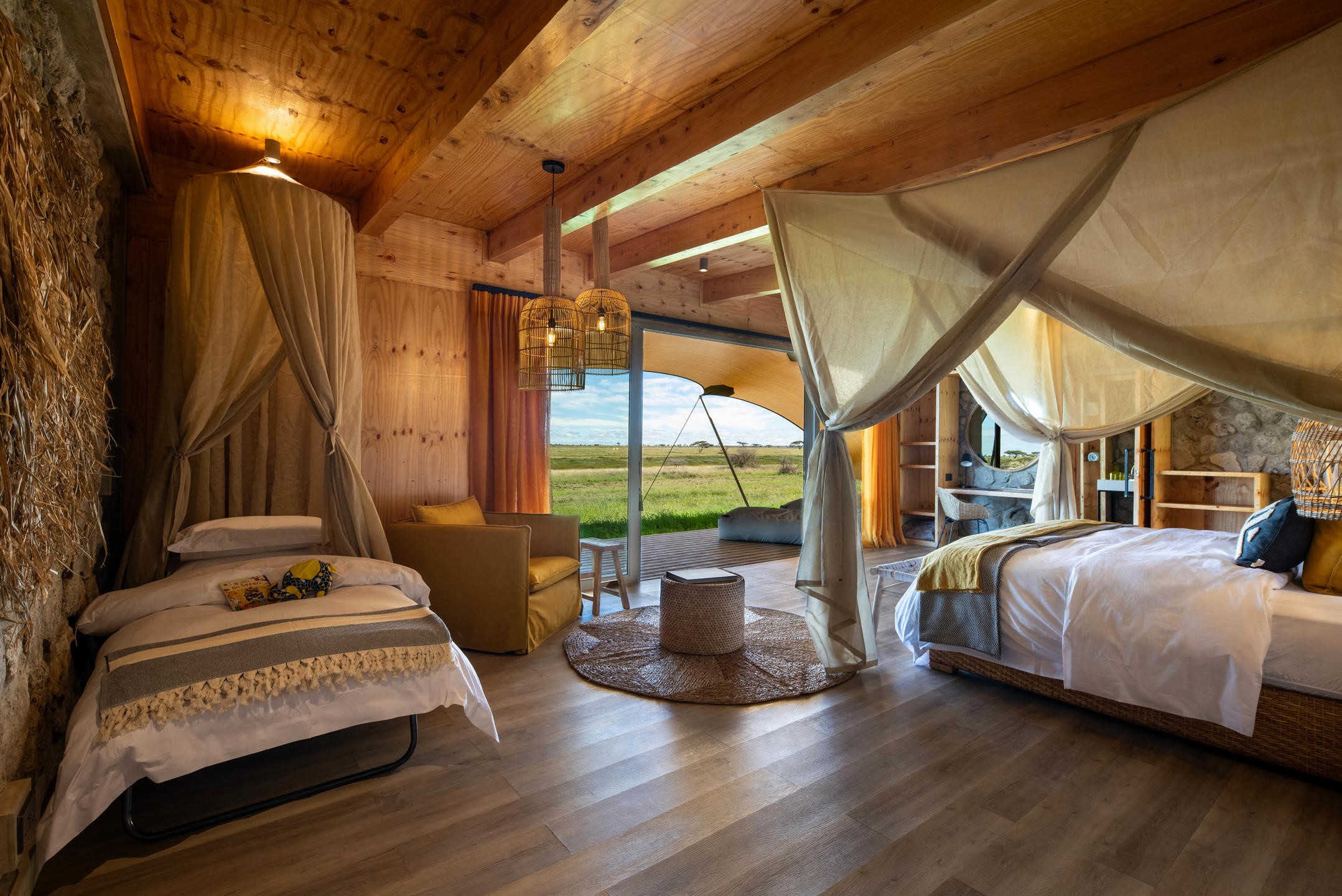
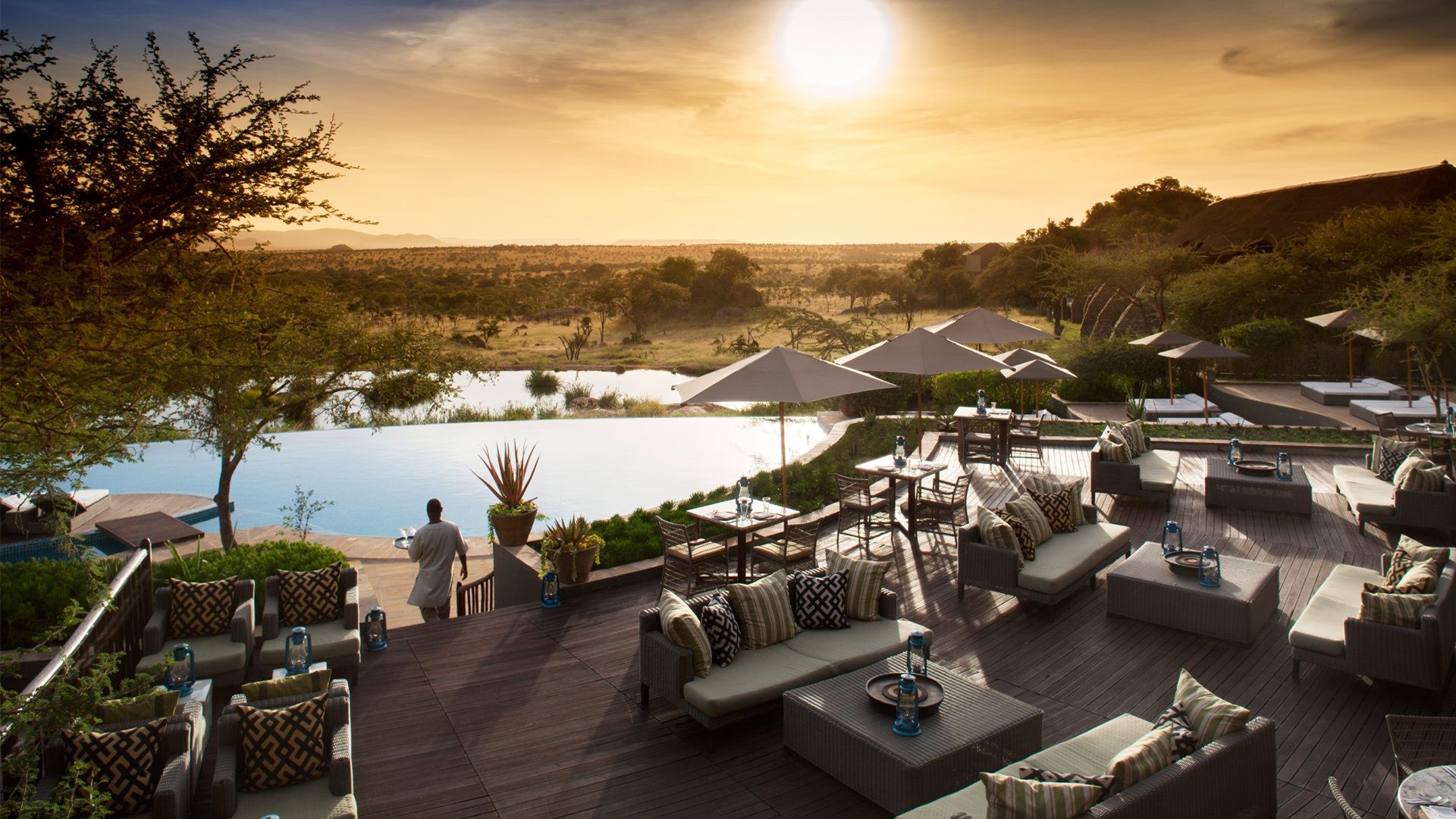
Suggested accommodation: Charity Hotel, Outpost Lodge, or a similar affordable hotel in Arusha.
Day 2
Arusha to Tarangire National Park
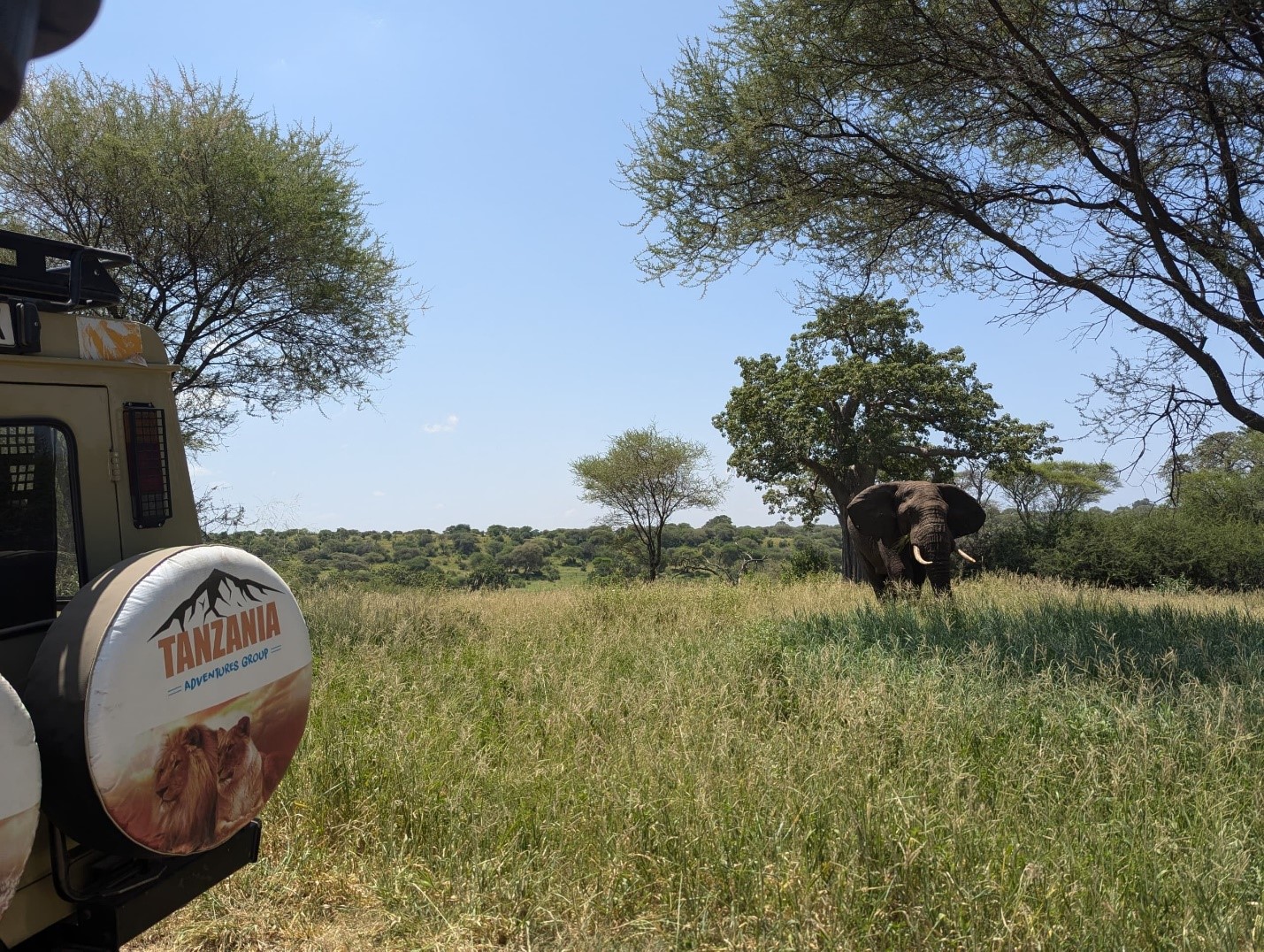
After breakfast, depart Arusha and drive to Tarangire National Park for the first major game drive of the safari. Tarangire is famous for large elephant herds, giant baobab trees, and rich wildlife activity along the Tarangire River. It is a strong opening park with excellent scenery and a real bush atmosphere.
During the day you may see zebras, wildebeest, giraffes, impalas, warthogs, buffalo, and sometimes predators depending on the season. In the late afternoon, continue to camp for dinner and overnight.
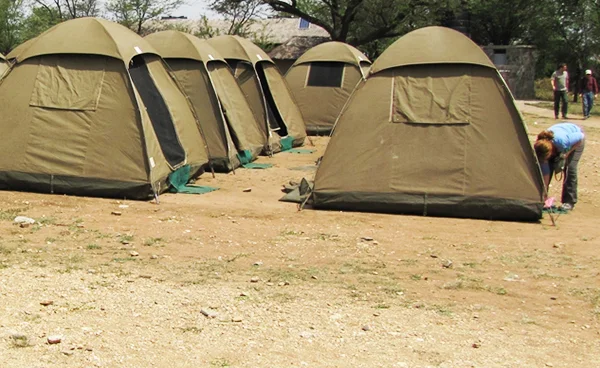
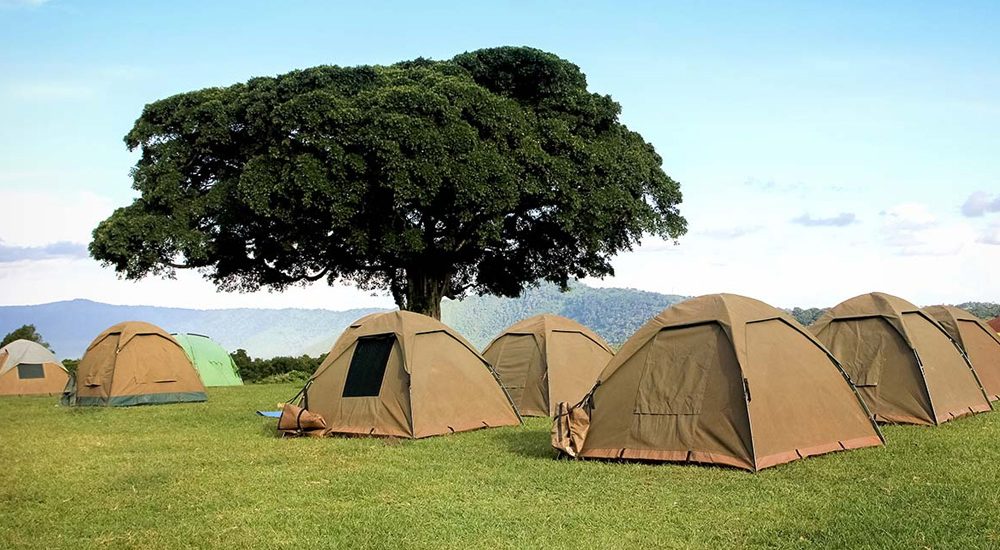
Suggested accommodation: Tarangire Public Campsite or a similar approved campsite near the park.
Day 3
Full Day in Tarangire National Park
A second day in Tarangire allows much deeper exploration of the park and improves wildlife opportunities significantly. Instead of using Tarangire as only a quick stop, this program gives more time to follow animal movement patterns and enjoy the different corners of the park.
The extra day is especially valuable in the dry season when wildlife concentrates around water sources, but Tarangire remains rewarding throughout the year for elephants, birds, and broad open-country scenery.
Suggested accommodation: Tarangire Public Campsite or a similar approved campsite near the park.
Day 4
Tarangire to Lake Manyara National Park
Today continue toward Lake Manyara National Park, one of the most scenic parks in northern Tanzania. The park is known for its groundwater forest, escarpment setting, seasonal lake shore, monkeys, elephants, hippos, and broad birdlife. It offers a very different ecosystem from Tarangire and adds important variety to the overall safari.
After the game drive, head to the campsite in the Mto wa Mbu or Lake Manyara area for dinner and overnight. This keeps the route practical while maintaining the camping style of the journey.
Suggested accommodation: Migombani Campsite, Twiga Campsite, or a similar campsite near Lake Manyara / Mto wa Mbu.
Day 5
Lake Manyara Area to Central Serengeti
After breakfast, travel through the Ngorongoro Conservation Area and continue toward Serengeti National Park. This is one of the great transition days of the itinerary, with the scenery changing from highland landscapes to the endless plains that define the Serengeti experience.
On entering Central Serengeti, begin an afternoon game drive en route to camp. The Seronera region is one of the most wildlife-rich areas in Tanzania and an excellent place to start the longer Serengeti section of the safari.
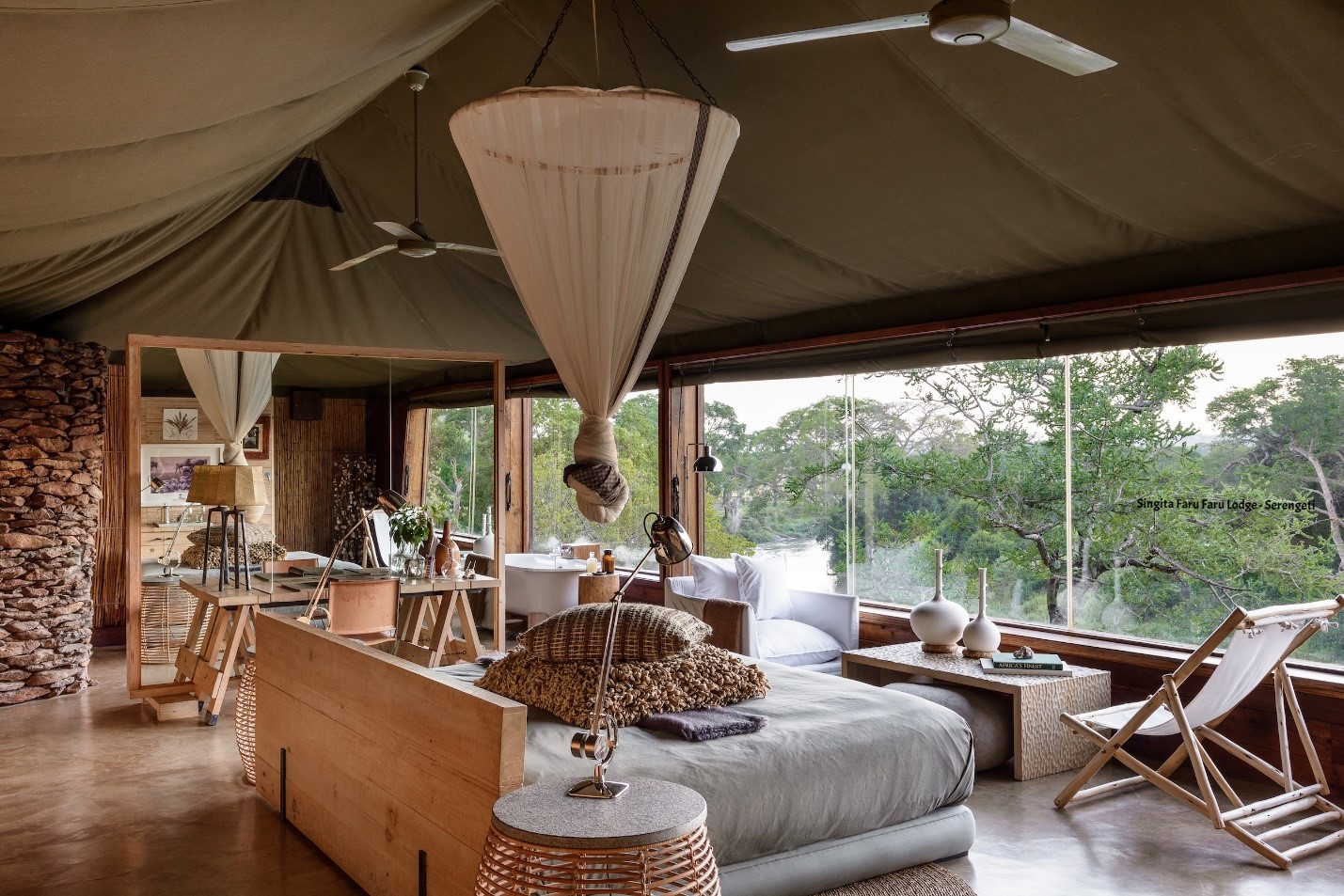
Suggested accommodation: Seronera Public Campsite or a similar approved campsite in Central Serengeti.
Day 6
Full Day Game Drive in Central Serengeti
Spend a full day exploring Central Serengeti, an area famous for year-round game viewing and especially strong predator sightings. Permanent water sources and reliable prey populations make this one of the best areas to search for lions, leopards, cheetahs, hyenas, and large herbivore herds.
Because you stay inside the park for the full day, there is time to follow wildlife activity without rushing. This is one of the strongest safari days in the whole program.
Suggested accommodation: Seronera Public Campsite or a similar approved campsite in Central Serengeti.
Day 7
Second Full Day in Central Serengeti
A second full day in Central Serengeti gives the itinerary much more depth and helps turn the trip into a proper safari expedition rather than a quick circuit. Your guide can revisit productive wildlife zones, explore different sectors, and adapt the route according to recent sightings.
This extra time often leads to better and more memorable sightings, especially for guests interested in photography and serious wildlife viewing.
Suggested accommodation: Seronera Public Campsite or a similar approved campsite in Central Serengeti.
Day 8
Central Serengeti to Northern Serengeti
Today continue northward through Serengeti on a long scenic game drive that gradually transitions toward the more remote northern zone. This movement through the park is part of the experience, with changing landscapes, wildlife along the way, and a stronger sense of covering a wider section of Tanzania’s most iconic ecosystem.
By late afternoon, arrive in Northern Serengeti and settle into camp. This section is especially attractive during the migration period but remains rewarding throughout the year.
Suggested accommodation: Lobo Public Campsite, Kogatende Public Campsite, or a similar approved campsite in Northern Serengeti.
Day 9
Full Day in Northern Serengeti
Spend the day exploring Northern Serengeti, a region known for dramatic scenery, quieter game-drive routes, and strong wildlife value. In migration months, the area becomes famous for river crossing action, but even outside that period it remains rich in resident animals and big-cat potential.
The landscape feels more remote and expedition-like, adding an important contrast to the central plains. This is a key day for travellers who want the feeling of a longer, more adventurous safari.
Suggested accommodation: Lobo Public Campsite, Kogatende Public Campsite, or a similar approved campsite in Northern Serengeti.
Day 10
Second Full Day in Northern Serengeti
A second full day in the north creates stronger wildlife opportunities and allows more flexibility to search river areas, open plains, and rocky habitats depending on current animal movement. This longer stay is one of the major strengths of the itinerary because it gives a broader Serengeti experience than shorter safaris usually provide.
By the end of the day, guests usually feel they have explored both the classic and the more remote sides of the Serengeti ecosystem.
Suggested accommodation: Lobo Public Campsite, Kogatende Public Campsite, or a similar approved campsite in Northern Serengeti.
Day 11
Northern Serengeti to Ngorongoro Highlands
After breakfast, begin the journey south with game viewing along the way as you exit the Serengeti system and continue toward the Ngorongoro Highlands. Although it is a transfer day, it still offers wildlife opportunities and broad scenic changes from open plains into the cooler highland environment.
Arriving near the crater rim by evening places you in the best position for an early crater descent the following morning.
Suggested accommodation: Simba Campsite on the Ngorongoro rim or a similar approved campsite in the highlands area.
Day 12
Ngorongoro Crater Game Drive to Karatu Area
Descend into the Ngorongoro Crater for one of the highlight wildlife experiences in East Africa. The crater floor supports a high concentration of animals in a dramatic volcanic landscape, with chances to see lions, buffalo, zebra, wildebeest, hyenas, hippos, and possibly the black rhino.
After the crater tour and picnic lunch, ascend and continue toward the Karatu area for dinner and overnight. The day combines dense wildlife action with breathtaking scenery and makes a perfect contrast to the open Serengeti plains.
Suggested accommodation: Migombani Campsite, Kudu Campsite area, or a similar campsite near Karatu / Mto wa Mbu.
Day 13
Lake Eyasi Cultural and Nature Excursion
Today travel to the Lake Eyasi area, where the environment becomes drier, more open, and culturally distinctive. This region is known for birdlife, raw landscapes, and the traditional communities of the Hadzabe and Datoga. It adds an important human and cultural dimension to the safari.
Depending on the detailed operating plan, the day may include village interaction, scenic exploration, and exposure to local ways of life. Return to camp for the final night of the safari.
Suggested accommodation: Lake Eyasi Public Campsite or a similar approved campsite in the Eyasi area.
Day 14
Return to Arusha and Departure
After breakfast, drive back to Arusha. Depending on your onward plans, transfer to the airport, a day room, or another post-safari arrangement. This final road journey gives time to reflect on a long and well-rounded wildlife adventure through Tanzania’s most celebrated northern destinations.
By the end of the trip, guests have experienced a true overland safari with multiple ecosystems, strong Big Five potential, extended Serengeti time, crater wildlife, and a memorable camping atmosphere throughout the journey.
Suggested end-of-tour option: Airport transfer, Arusha day room, or extra hotel night can be arranged on request.