
What wildlife might I encounter on Kilimanjaro? Climbing Mount Kilimanjaro offers a unique opportunity to encounter diverse wildlife. As you ascend through various ecosystems, you may spot fascinating species such as blue monkeys, colobus monkeys, and even elusive forest elephants. Each area of the mountain hosts its own unique fauna, making every step of your journey an exciting discovery.
Birdwatchers will be delighted by the over 180 bird species that call Kilimanjaro home, including the striking augur buzzard and colorful Taita fiscal. Additionally, you might encounter small mammals like rock hyraxes and bushbucks, adding to the rich tapestry of wildlife on the mountain.
To learn more about the incredible wildlife you might encounter on Kilimanjaro, reach out to Tanzania Adventures Group. For personalized tips and guidance, contact us via WhatsApp at +255754042154!
Tanzania Adventures
Climbing Mount Kilimanjaro offers not only breathtaking views but also an incredible opportunity to encounter diverse wildlife. The varying ecosystems on the mountain, from lush rainforests to alpine deserts, host a range of unique species. Here’s what you can expect to see while trekking on Kilimanjaro, brought to you by Tanzania Adventures Group.
As you begin your ascent through the lush rainforest, you might spot blue monkeys. These playful primates are known for their striking blue-grey fur and expressive faces. Often seen in small troops, they can be quite curious and are a delightful sight during your trek.
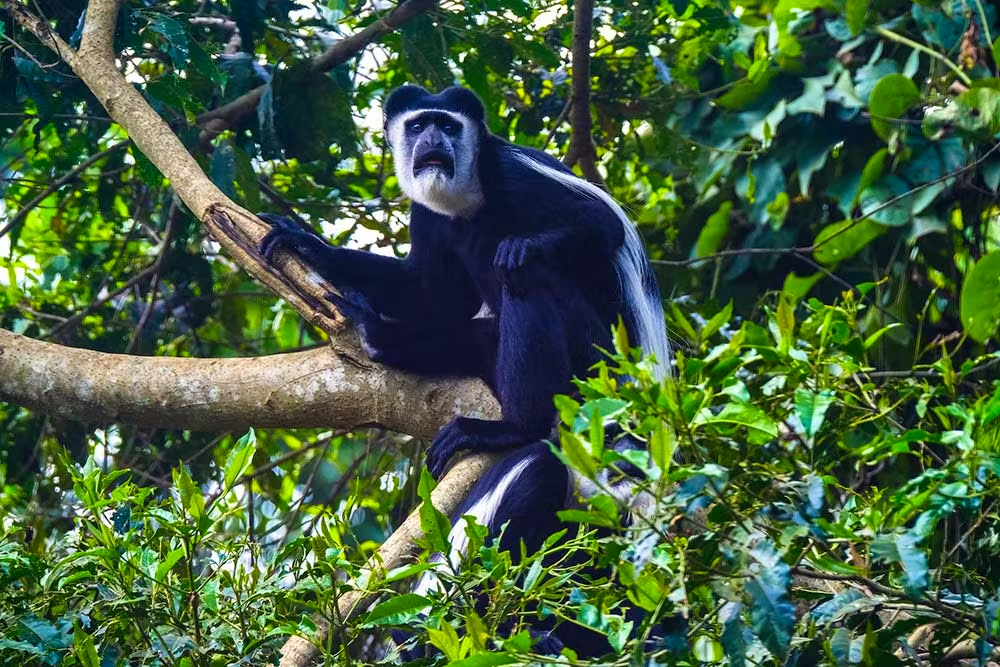
Another fascinating primate you may encounter is the colobus monkey. Recognizable by their distinctive black and white fur and long tails, these monkeys are arboreal and often found swinging through the trees. Their unique calls can also be heard echoing through the forest.
While more elusive, forest elephants inhabit the lower slopes of Kilimanjaro. These smaller relatives of the African elephant are known for their smaller tusks and more compact size. Sightings are rare, but if you’re lucky, you may spot signs of their presence, such as footprints or droppings.
As you move higher in altitude, you may encounter bushbucks, a type of antelope found in the forested areas of Kilimanjaro. These shy animals are known for their slender bodies and white markings. Their elusive nature makes them a rewarding sight for keen observers.
Kilimanjaro is a birdwatcher’s paradise, with over 180 species recorded on the mountain. Look out for the vibrant Taita fiscal, the striking augur buzzard, and the beautiful long-crested eagle. Birdwatching can be a delightful activity during your trek, adding to the overall experience.
The rock hyrax, also known as the dassie, can be found in rocky areas and is often seen basking in the sun. These small, herbivorous mammals have a surprising resemblance to elephants, particularly in their teeth structure. They are social animals that live in groups and can be quite amusing to watch.
While buffalo are generally found at lower elevations, you might encounter these massive animals in the montane forests. Known for their strong build and unpredictable nature, spotting a buffalo can be both thrilling and intimidating. Always maintain a safe distance!
As you trek, you’ll also encounter a variety of insects, from butterflies to bees. Be sure to take in the colorful species that flit about, as they play a vital role in the ecosystem. However, be cautious of mosquitoes, especially in the rainforest area; using insect repellent is highly recommended.
While not wildlife, the unique flora of Kilimanjaro contributes to the overall biodiversity. You’ll find giant groundsels and lobelia, both of which are endemic to the mountain. Observing these unusual plants adds another layer to your wildlife experience.
The mountain gazelle is another species that can be spotted at higher altitudes. These agile animals are well adapted to the rocky terrain and are often seen grazing in open grasslands. Their graceful movements make them a beautiful addition to the wildlife you may encounter.
In addition to songbirds, Kilimanjaro is home to several species of raptors. Keep an eye out for the impressive peregrine falcon and the majestic African fish eagle, both known for their hunting prowess. Their presence in the skies above can be a highlight for bird enthusiasts.
As you enjoy your wildlife encounters, remember to practice responsible tourism. Keep a safe distance from animals, refrain from feeding them, and avoid disturbing their natural habitat. Tanzania Adventures Group is committed to promoting sustainable practices that protect Kilimanjaro’s unique wildlife for future generations.
With its rich biodiversity, Kilimanjaro offers a unique wildlife experience that complements the stunning scenery. As you embark on your adventure, keep your eyes peeled for these incredible species and immerse yourself in the natural beauty of the mountain.