What to wear on Kilimanjaro? Choosing the right clothing for your Kilimanjaro climb is essential for comfort and safety. Layering is key; start with a moisture-wicking base layer, add an insulating layer for warmth, and finish with a waterproof outer layer to protect against the elements. High-quality hiking boots and warm socks are crucial for keeping your feet comfortable throughout the trek.
Don't forget important accessories like a warm hat, gloves, and sunglasses to shield yourself from the sun and cold. Lightweight, quick-drying hiking pants and gaiters will help protect you from mud and debris as you navigate the varied terrain. Packing a comfortable daypack will allow you to carry your essentials easily.
For personalized gear recommendations and more tips on preparing for your climb, contact Tanzania Adventures Group via WhatsApp at +255754042154. Let us help you make your Kilimanjaro adventure unforgettable!
Tanzania Adventures
Choosing the right clothing for your Kilimanjaro climb is crucial for comfort and safety. The weather on the mountain can change rapidly, and having the appropriate gear can make a significant difference in your experience. Here’s a comprehensive guide on what to wear when climbing Kilimanjaro, brought to you by Tanzania Adventures Group.
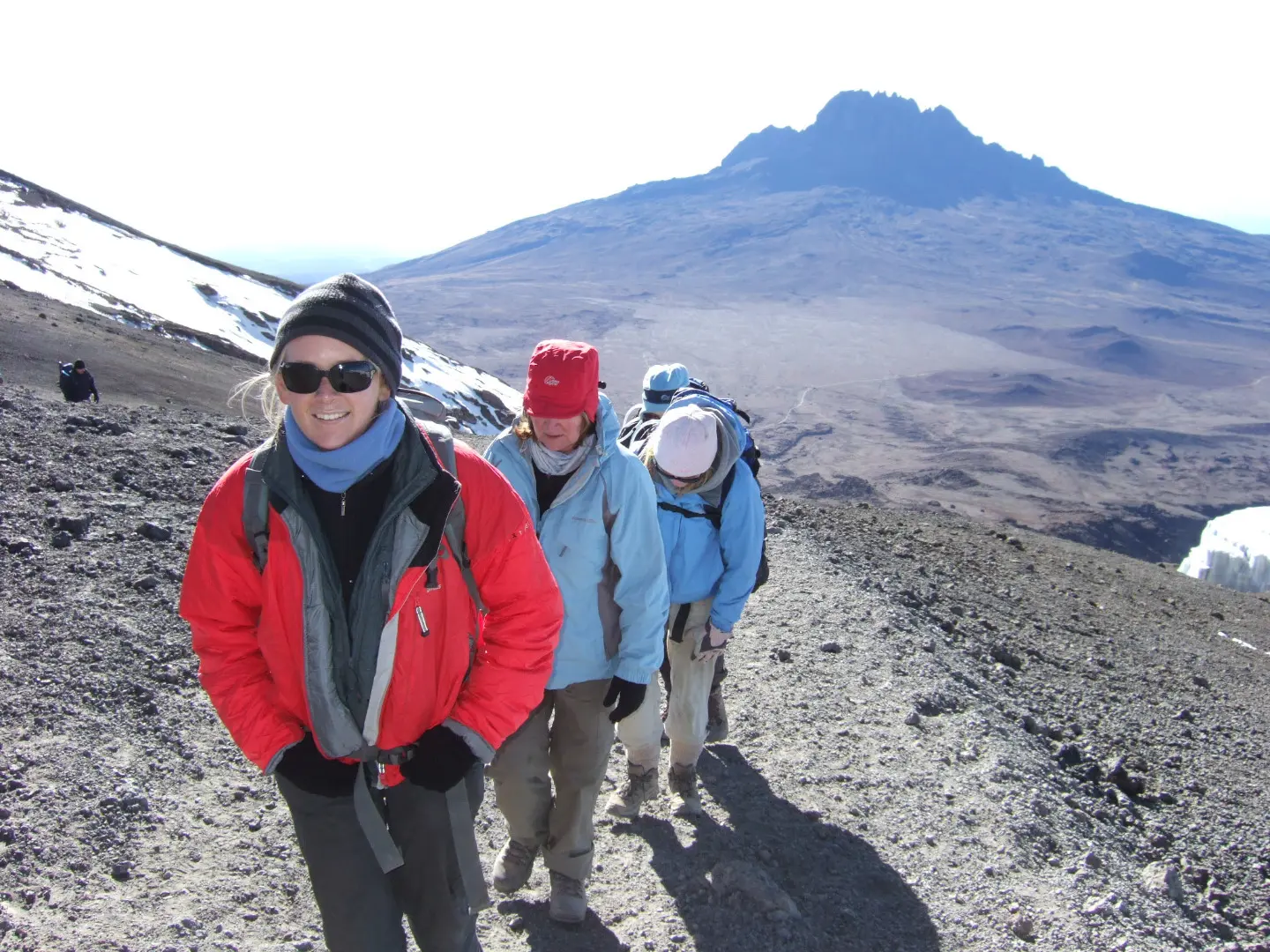
The key to dressing for Kilimanjaro is layering. This approach allows you to adjust your clothing based on varying temperatures throughout the climb. Start with a moisture-wicking base layer that keeps sweat away from your skin, followed by an insulating layer for warmth, and finish with a waterproof and windproof outer layer to protect against the elements.
Invest in high-quality base layers made from synthetic materials or merino wool. Avoid cotton, as it retains moisture and can lead to chilling. Your base layer should include a long-sleeve shirt and long underwear for cold nights and early morning hikes.
Your insulating layer is crucial for keeping you warm at higher altitudes. Fleece jackets or down vests are excellent choices. Choose lightweight options that provide warmth without adding bulk, allowing for easy movement during the climb.
A good outer layer is essential to protect you from rain, wind, and cold temperatures. Look for a waterproof and breathable jacket that is lightweight and durable. Make sure your outer layer has a hood and adjustable cuffs for added protection against the elements.
Opt for lightweight, quick-drying hiking pants that allow for freedom of movement. Convertible pants that can be zipped off into shorts are a great option, providing versatility as the weather changes. Ensure they have pockets for easy access to essentials during the trek.
Proper footwear is vital for a successful climb. Invest in high-quality, waterproof hiking boots with good ankle support. Make sure to break them in before your trip to avoid blisters. Additionally, pack warm, moisture-wicking socks to keep your feet dry and comfortable.
Don’t forget essential accessories, such as a warm hat, gloves, and a buff or neck gaiter. These items will help keep you warm during cold nights and protect you from sun exposure during the day. A good pair of sunglasses is also essential to shield your eyes from UV rays and glare at higher altitudes.
Consider wearing gaiters to protect your legs from mud, rocks, and debris during the hike. Gaiters provide extra protection and keep your pants dry, especially during rainy season climbs or when navigating through thick brush.
A comfortable daypack is essential for carrying your daily essentials, such as water, snacks, and extra layers. Choose a lightweight and durable pack with padded straps for added comfort. Make sure it has enough capacity to hold all your gear without being cumbersome.
At higher altitudes, temperatures can drop significantly at night. Bring a thermal sleeping bag rated for cold weather, along with a sleeping pad for insulation from the ground. This will ensure you stay warm and rested for the next day’s climb.
While not directly related to clothing, personal hygiene items are important for your comfort during the climb. Pack biodegradable soap, wet wipes, and hand sanitizer to stay clean and fresh throughout the trek. Don’t forget a small towel and toilet paper for emergencies!
For a successful climb on Kilimanjaro, make sure you’re adequately prepared with the right clothing and gear. At Tanzania Adventures Group, we can provide you with personalized recommendations based on your climbing route and the season you plan to climb. Reach out to us for more tips and guidance!