Encountering wildlife on Kilimanjaro can be an exciting yet potentially challenging experience. It's essential to stay calm and assess the situation. Keep a safe distance from the animals, as approaching them can be dangerous for both you and the wildlife. Always follow your guide's instructions, as they are trained to handle such encounters safely.
Remember to respect the animals and their natural habitat. Do not feed them or attempt to interact directly, as this can disrupt their behavior and pose risks to your safety. By being aware of your surroundings and remaining cautious, you can enjoy the beauty of Kilimanjaro's wildlife while ensuring a safe adventure.
For personalized tips and support during your Kilimanjaro climb, feel free to reach out to us at Tanzania Adventures Group via WhatsApp at +255754042154. We're here to help you make the most of your wildlife encounters while prioritizing safety!
Tanzania Adventures
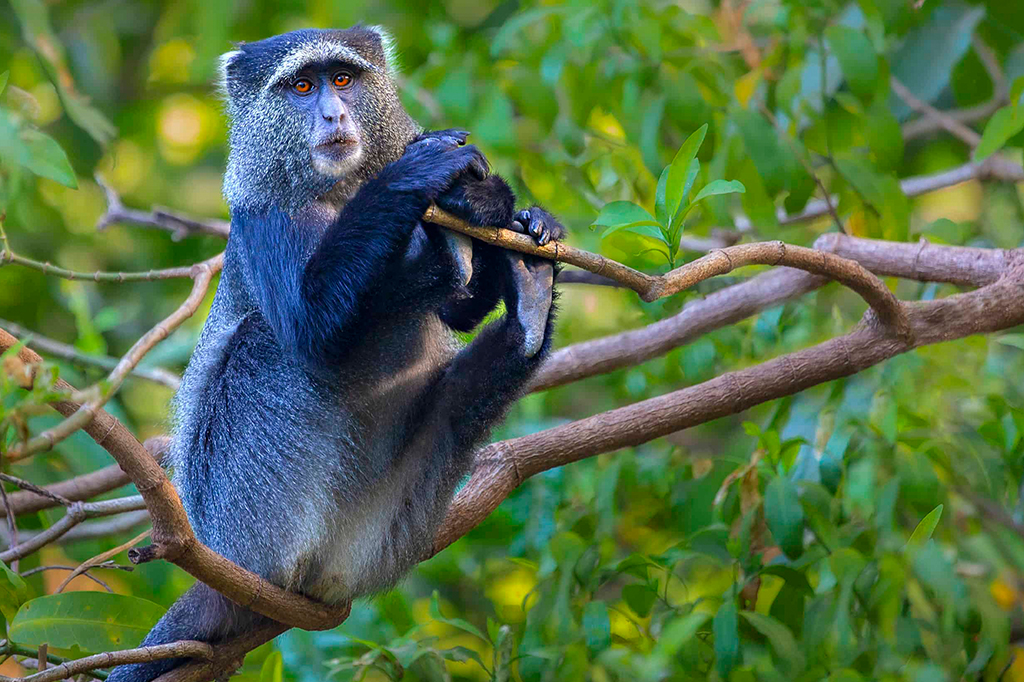
Mount Kilimanjaro is home to a diverse range of wildlife, including monkeys, birds, and other mammals. Tanzania Adventures Group emphasizes the importance of understanding the types of wildlife you might encounter during your climb to prepare for any interactions effectively.
If you encounter wildlife, the first step is to stay calm. Avoid sudden movements or loud noises that could startle the animals. Assess the situation from a safe distance to determine the best course of action. Tanzania Adventures Group advises maintaining your composure during these encounters.
Always respect wildlife by keeping a safe distance. This not only protects you but also allows animals to remain undisturbed in their natural habitat. Tanzania Adventures Group recommends staying at least 30 feet away from larger animals and using binoculars or a camera with zoom for closer views.
Feeding wildlife can disrupt their natural behavior and diet. It also poses risks to your safety and the animals' health. Tanzania Adventures Group strictly advises against feeding any animals you encounter on Kilimanjaro to preserve their natural habits.
Your guide is trained to handle wildlife encounters. Always follow their instructions closely, as they are experienced in managing these situations safely. Tanzania Adventures Group provides knowledgeable guides who can offer valuable advice during your climb.
Stay alert and aware of your surroundings at all times. Look for signs of wildlife activity, such as tracks or droppings, and be cautious in areas where animals are known to frequent. This awareness helps you avoid unexpected encounters with wildlife.
Making direct eye contact with certain animals can be perceived as a threat. Instead, keep your gaze on the ground or at a slight angle while still observing the animal. Tanzania Adventures Group educates climbers on animal behavior to enhance safety during encounters.
Using bear bells or whistles can alert wildlife to your presence, reducing the chances of surprising an animal. This proactive measure is especially useful in dense vegetation. Tanzania Adventures Group suggests carrying such devices during your climb to promote safety.
Mother animals can be very protective of their young. If you spot baby animals, keep your distance and do not approach them. Tanzania Adventures Group advises climbers to be aware of the dangers of approaching young wildlife, as mothers can become aggressive in defense.
Familiarize yourself with the local wildlife species before your climb. Understanding the behavior and characteristics of animals such as monkeys, elephants, and various birds can help you react appropriately during encounters. Tanzania Adventures Group provides valuable information on Kilimanjaro's wildlife.
If you want to capture the moment, do so from a safe distance using a camera with a zoom lens. Avoid using flash photography, which can startle animals. Tanzania Adventures Group encourages responsible wildlife photography to respect the animals' natural behavior.
If you observe any unusual wildlife behavior or encounters, report it to your guide immediately. This information can help your group stay safe and allow guides to assess potential risks. Tanzania Adventures Group values communication to ensure a safe climbing experience for everyone.