
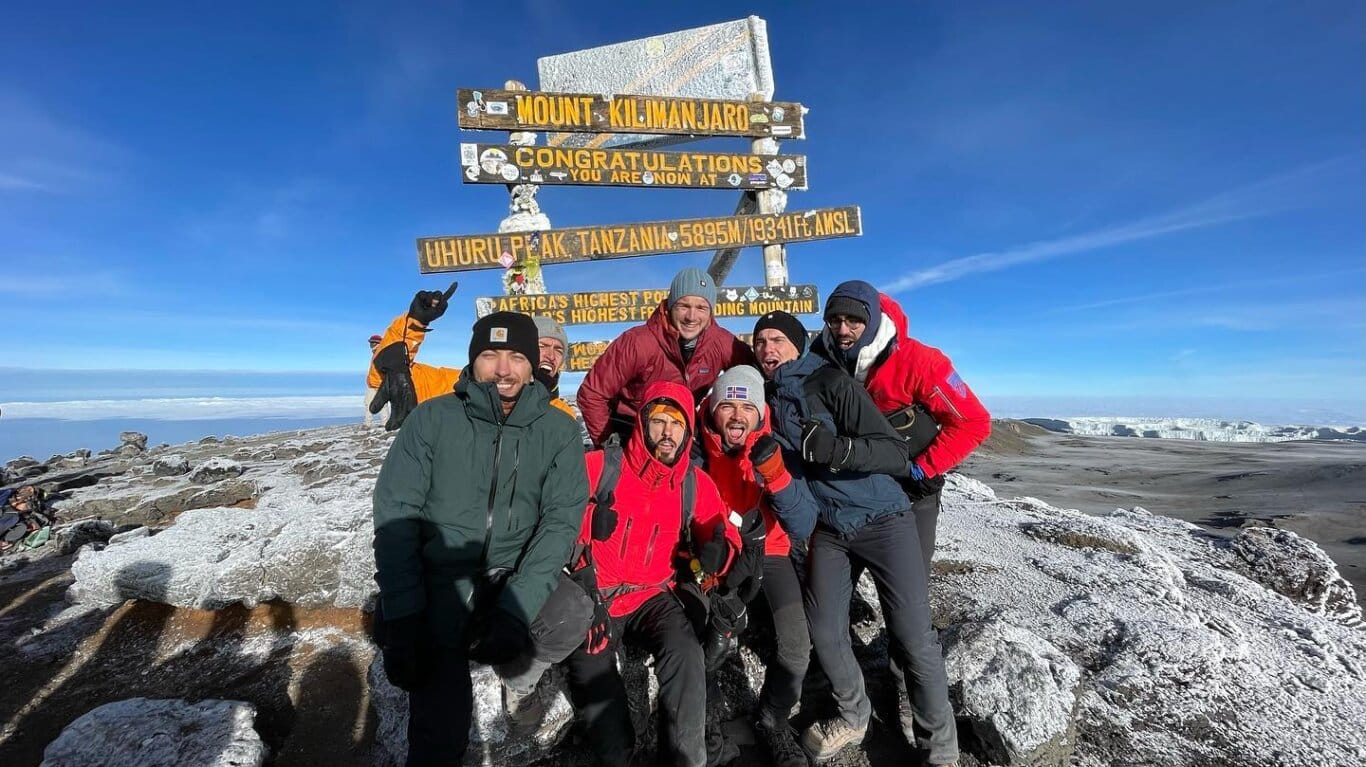
The success rate for climbing Kilimanjaro typically ranges between 65% to 85%. This rate can vary based on factors such as the route chosen, climber preparation, and acclimatization strategies. Routes like the Lemosho and Northern Circuit generally offer higher success rates due to their gradual ascents.
Proper training and physical fitness play a crucial role in reaching the summit. Climbers who engage in cardiovascular workouts and strength training are more likely to succeed. Additionally, choosing a reputable guide like Tanzania Adventures Group can significantly enhance your chances of summiting.
For personalized advice and support on your Kilimanjaro adventure, contact us via WhatsApp at +255754042154. Let us help you achieve your summit goals!
Tanzania Adventures
The success rate for climbing Kilimanjaro varies depending on the route taken, the climber's fitness level, and the acclimatization strategies employed. On average, the overall success rate is estimated to be around 65-85%. This guide provides insights into factors affecting the success rate, brought to you by Tanzania Adventures Group.
Different routes have varying success rates due to their difficulty and acclimatization profiles. For example, routes like the Lemosho and Northern Circuit offer higher success rates because they allow for gradual ascents, which help climbers acclimatize better.
Acclimatization is crucial for a successful summit attempt. Climbers who take time to adjust to the altitude are less likely to experience altitude sickness. Strategies include ascending slowly, staying hydrated, and spending extra nights at higher elevations.
The experience level of climbers plays a significant role in their success. Those who engage in proper training, including cardiovascular fitness and strength exercises, are more likely to succeed. Preparation also includes understanding the trek and being aware of potential challenges.
Booking a guided trek with a reputable company, such as Tanzania Adventures Group, can significantly enhance your chances of reaching the summit. Experienced guides provide valuable insights, assist with acclimatization, and offer support throughout the journey.
Weather can also impact success rates. Climbers who choose to trek during the dry seasons (January to March and June to October) typically have better conditions, which can contribute to a higher chance of summiting.
Climbing in a group can improve motivation and support, which positively affects the success rate. Group dynamics often help individuals push through difficult moments, making it easier to overcome challenges during the trek.
Maintaining good physical health is essential for success. Climbers who prepare adequately by improving their cardiovascular fitness, strength, and flexibility are generally more successful in their summit attempts. Regular training before the climb is highly recommended.
Proper nutrition and hydration play a vital role in climbing success. A well-balanced diet rich in carbohydrates and proteins fuels your body, while staying hydrated helps combat altitude sickness. Climbers should prioritize nutrition during their training and on the trek.
Having a solid plan for post-summit recovery is also important. Many climbers experience fatigue and altitude-related symptoms after reaching the summit. Adequate rest and hydration after the climb can aid recovery and enhance overall trekking experiences.
In conclusion, the success rate for climbing Kilimanjaro can be influenced by several factors, including the chosen route, acclimatization strategies, climber experience, and physical preparation. By taking these factors into account and choosing a reliable provider like Tanzania Adventures Group, you can significantly enhance your chances of a successful summit experience.