The role of a guide on Kilimanjaro is crucial for a successful and safe trekking experience. Guides are trained professionals who ensure the safety of climbers, navigate the challenging terrain, and provide valuable insights about the mountain’s unique ecology and culture. With their expertise, climbers can focus on enjoying the journey rather than worrying about logistics and safety.
Experienced guides also help manage altitude sickness by implementing acclimatization strategies and monitoring climbers' health throughout the trek. They motivate trekkers during tough moments and create a supportive atmosphere that enhances the overall experience. Choosing a reputable guide, such as those from Tanzania Adventures Group, ensures a rewarding adventure on Mount Kilimanjaro.
If you have any questions or need assistance planning your climb, feel free to reach out via WhatsApp at +255754042154. Tanzania Adventures Group is here to help you every step of the way on your Kilimanjaro journey!
Tanzania Adventures
Climbing Mount Kilimanjaro is a challenging yet rewarding adventure, and having a knowledgeable guide is essential to ensure a safe and enjoyable experience. The role of a guide encompasses a variety of responsibilities that contribute significantly to the success of your trek.
1. Safety and Navigation: One of the primary roles of a guide is to ensure the safety of the trekkers. Experienced guides from Tanzania Adventures Group are familiar with the trails, weather conditions, and potential hazards. They navigate the routes expertly, helping climbers avoid dangerous situations while ensuring a safe ascent and descent.
2. Providing Expertise: Guides possess extensive knowledge of Mount Kilimanjaro’s geography, climate, and ecology. They offer valuable insights about the flora and fauna encountered during the trek, enriching your experience with educational information about this iconic mountain.
3. Managing Altitude Sickness: High altitude poses significant challenges for climbers. Guides are trained to recognize the symptoms of altitude sickness and are equipped to implement acclimatization strategies. They monitor trekkers' health closely, making crucial decisions about pacing and rest breaks to mitigate the risks associated with altitude.
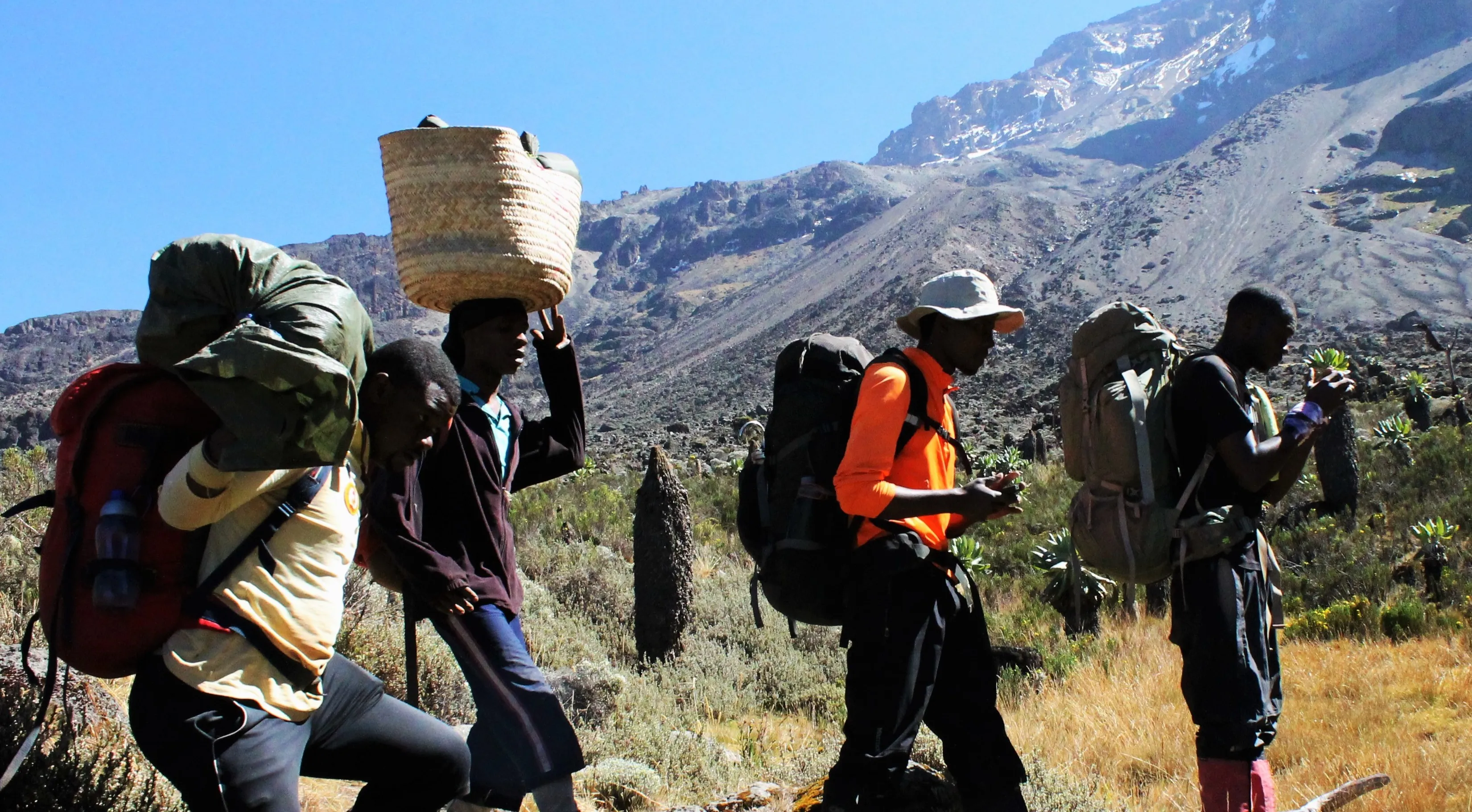
4. Logistics and Support: Your guide coordinates all logistical aspects of the trek, from setting up camps to preparing meals. They manage the team of porters, ensuring that everyone is well-supported. This allows climbers to focus on their journey rather than the intricacies of logistics.
5. Motivation and Encouragement: The climb can be physically and mentally demanding. Guides play a crucial role in motivating trekkers, offering encouragement during tough moments. Their positivity can uplift spirits, helping climbers persevere and reach their goals.
6. Cultural Liaison: Guides often act as cultural ambassadors, sharing insights about local customs, traditions, and the people of Tanzania. This cultural exchange enhances the trekking experience, allowing climbers to connect with the rich heritage of the region.
7. Emergency Preparedness: In the event of an emergency, guides are trained to respond effectively. They carry first aid kits and know the quickest routes to medical facilities if needed. This preparedness adds an essential layer of security for climbers.
8. Personalizing the Experience: Guides can tailor the trekking experience to suit the needs and preferences of the group. Whether adjusting the pace, incorporating extra sightseeing, or suggesting rest breaks, their flexibility ensures a memorable and enjoyable climb.
9. Environmental Stewardship: Responsible guides emphasize the importance of environmental conservation. They educate climbers on Leave No Trace principles and promote sustainable practices to preserve the natural beauty of Kilimanjaro for future generations.
10. Team Building: A good guide fosters a sense of camaraderie among trekkers. They encourage group bonding through team-building activities, making the experience not just about reaching the summit but also about forming lasting friendships.
11. Post-Trek Support: After the climb, guides often provide feedback and share experiences from the trek. They help climbers reflect on their journey and celebrate their achievements, enhancing the overall satisfaction of the adventure.
12. Choosing the Right Guide: Selecting a reputable tour operator like Tanzania Adventures Group ensures you have access to qualified and experienced guides. Their expertise is crucial for a successful Kilimanjaro trek, allowing you to enjoy the journey while feeling secure and supported.
In summary, the role of a guide on Kilimanjaro is multifaceted, encompassing safety, expertise, and motivation. With a skilled guide from Tanzania Adventures Group, you can maximize your trekking experience and create unforgettable memories on this iconic mountain.