
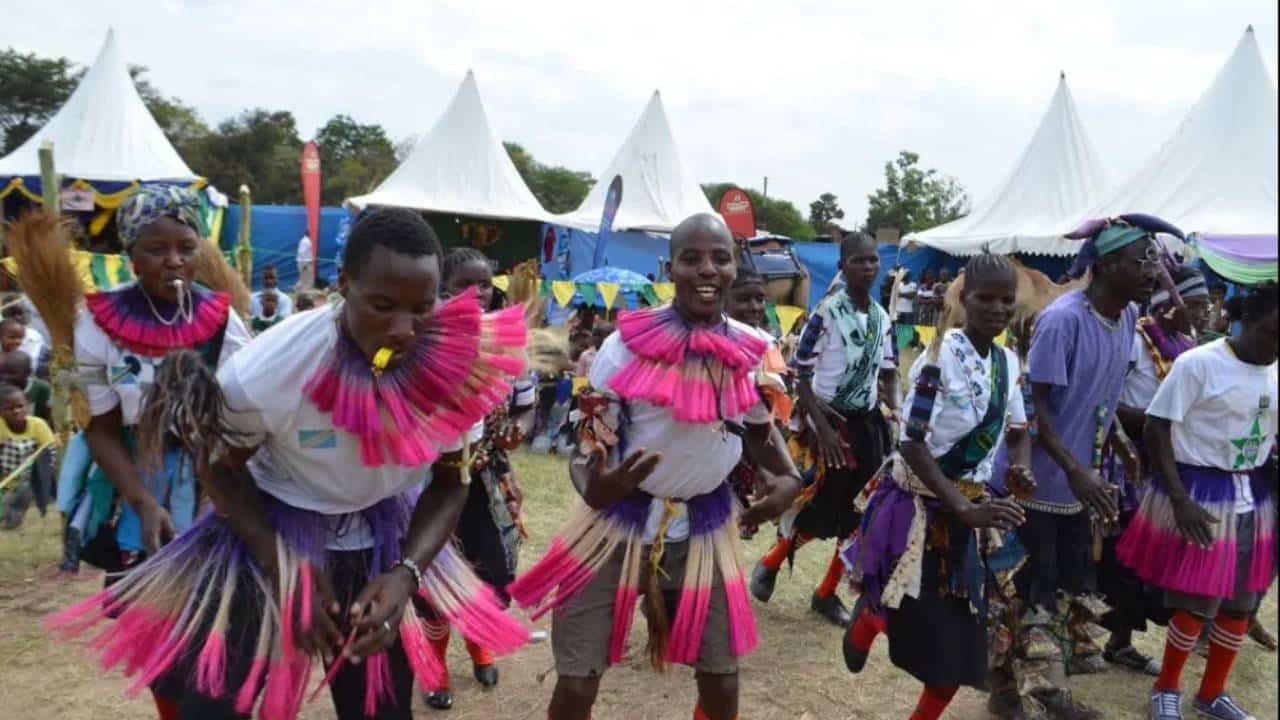
Dar es Salaam is a vibrant, cosmopolitan city that reflects the rich cultural diversity of Tanzania. As the country's largest city and economic hub, its culture is a fascinating mix of African, Arab, Indian, and European influences. The dominant culture is Swahili, which is also the national language, and you’ll find that most locals take pride in their Swahili heritage, especially in arts, music, and food. The city’s cultural scene is alive with traditional music, dance, and art, making it a fantastic place to experience the authentic spirit of Tanzania.
The people of Dar es Salaam are known for their warmth and hospitality, often going out of their way to make visitors feel welcome. It’s common for locals to greet strangers with a friendly “Jambo” or “Habari,” which means “Hello” or “How are you?”. The culture emphasizes respect for elders and community ties, and visitors are encouraged to embrace this openness. Whether you're at the beach, in the market, or enjoying a local meal, you'll notice the laid-back yet engaging atmosphere that defines the daily rhythm of life in Dar es Salaam.
For those interested in learning more about Tanzanian culture, Dar es Salaam offers plenty of opportunities, from visiting museums and galleries to attending cultural festivals. Exploring the city with a local guide or through an organized tour with Tanzania Adventures Group is the best way to immerse yourself in the local way of life. For more information or to plan your trip, contact us via WhatsApp at +255754042154, and let us help you discover the rich culture of Dar es Salaam!
Tanzania Adventures
Dar es Salaam, as Tanzania’s largest city and economic hub, is a vibrant melting pot of cultures, blending African, Arab, Indian, and European influences. The city’s culture is rooted in Swahili traditions, with Swahili being the main language spoken. You will find that Dar es Salaam is a friendly, laid-back city where hospitality is a cornerstone of daily life. The local culture emphasizes respect for elders, community bonding, and warmth toward guests, making it a welcoming destination for tourists. In addition to its diverse ethnic groups, the city is also known for its rich music and art scenes, with vibrant festivals, local markets, and community events taking place throughout the year.
In Dar es Salaam, knowing the key emergency numbers can be crucial for any unexpected situations. The emergency numbers to remember are: - Police: 112 - Fire: 114 - Ambulance: 111 These numbers are available 24/7 and can be dialed for urgent help. It’s always recommended to have these numbers saved in your phone in case of emergencies. Additionally, many hotels and tour operators, including Tanzania Adventures Group, will provide their clients with essential local contact information, ensuring that you have the help you need during your stay.
Yes, malaria is a risk in Dar es Salaam and throughout much of Tanzania, especially in the coastal and rural areas. It’s advisable to take preventive measures against malaria, such as using mosquito repellent, sleeping under insecticide-treated nets, and taking prescribed antimalarial medication before and during your trip. It's also recommended to avoid outdoor activities during peak mosquito feeding times, which are usually in the evening and early morning. Travelers can consult with their healthcare provider or a travel clinic before visiting to get more information on prevention methods.
Yes, carrying mosquito repellent is highly recommended when visiting Dar es Salaam. Mosquitoes, which can transmit diseases like malaria and dengue fever, are common in the area, particularly at night. It’s best to use a repellent that contains DEET or another recommended active ingredient. You may also want to wear long-sleeve clothing and trousers during the evening to minimize exposure. Many hotels in Dar es Salaam will provide mosquito nets in rooms, but it’s still a good idea to carry your own repellent for additional protection while exploring the city and its surroundings.
Yes, first aid supplies are widely available in Dar es Salaam. The city has a number of pharmacies, especially in commercial areas like the Central Business District, where you can find over-the-counter medications, bandages, antiseptics, and other basic first aid supplies. In addition, many hotels, tour companies, and resorts have first aid kits on hand. If you’re planning outdoor activities, like a safari or a day trip to nearby islands, you can also bring your own small first aid kit, or speak with Tanzania Adventures Group for advice on essential supplies to pack for your adventure.
Dar es Salaam has a relatively casual dress code, but it’s important to respect the local culture and modesty standards. While Western-style clothing is commonly worn, especially in tourist areas, it is respectful to dress modestly when visiting religious sites or local neighborhoods. For women, it’s advisable to wear dresses or skirts that cover the knee and tops with sleeves, especially when visiting mosques or churches. Men typically wear casual shirts and trousers, and it’s best to avoid shorts when attending formal events or visiting local communities. Light, breathable clothing is ideal for the warm climate, but don’t forget to cover up in more traditional or conservative areas.
Greeting people in Dar es Salaam is important, and the Swahili language plays a significant role in local interactions. A common greeting is “Jambo” or “Habari”, both of which mean “Hello.” When greeting someone, a handshake is common, and it’s customary to shake hands with both men and women. You may notice that handshakes in Dar es Salaam can be longer than typical Western handshakes, so be prepared for a more extended greeting. If you are greeting an elder or someone of higher status, a slight bow or nod of the head is also appreciated. Showing respect through greetings helps foster positive connections with locals.
Tipping is generally appreciated in Dar es Salaam, but it is not always mandatory. In restaurants, a tip of around 10% of the bill is considered generous, especially if service charges have not already been included. For hotel staff, such as porters and housekeepers, a small tip is appreciated, typically between 1,000 and 2,000 Tanzanian Shillings. Tipping in local markets or when using taxis is not required, but it is common to round up the fare or give a small tip if the service is satisfactory. Tipping is seen as a way to express gratitude for good service, and it is always welcomed by local workers.
There are a few local customs in Dar es Salaam that visitors should be aware of to ensure respectful interactions with locals. It’s important to always ask permission before taking photos of people, especially in rural areas. Public displays of affection, such as kissing or hugging, are considered inappropriate in many parts of Tanzania, so it’s best to keep such behavior to private spaces. Additionally, when visiting someone’s home, it’s customary to bring a small gift as a sign of respect. In markets and local shops, haggling is common, so don’t be afraid to negotiate prices, but always do so politely and with a smile.
Respecting local traditions in Dar es Salaam involves embracing the values of modesty, politeness, and respect for the community. When visiting religious sites, like mosques or churches, dress conservatively and remove your shoes before entering. Always ask for permission before taking photos of people or religious artifacts. Additionally, be mindful of local customs around greetings and conversations, as showing respect for elders and local traditions is highly valued. As a visitor, it’s important to show an openness to learning about the local culture and to approach your experience with respect and sensitivity to the community’s values.
Whether you're exploring the city’s culture, enjoying its beautiful beaches, or participating in business meetings, Dar es Salaam offers an enriching experience for all types of travelers. To ensure you have the best experience, travel with Tanzania Adventures Group. Our team provides customized tours and helpful guidance to make your trip safe, enjoyable, and memorable. Get in touch with us today via WhatsApp at +255754042154 and let us help you plan your adventure in Dar es Salaam and beyond!