
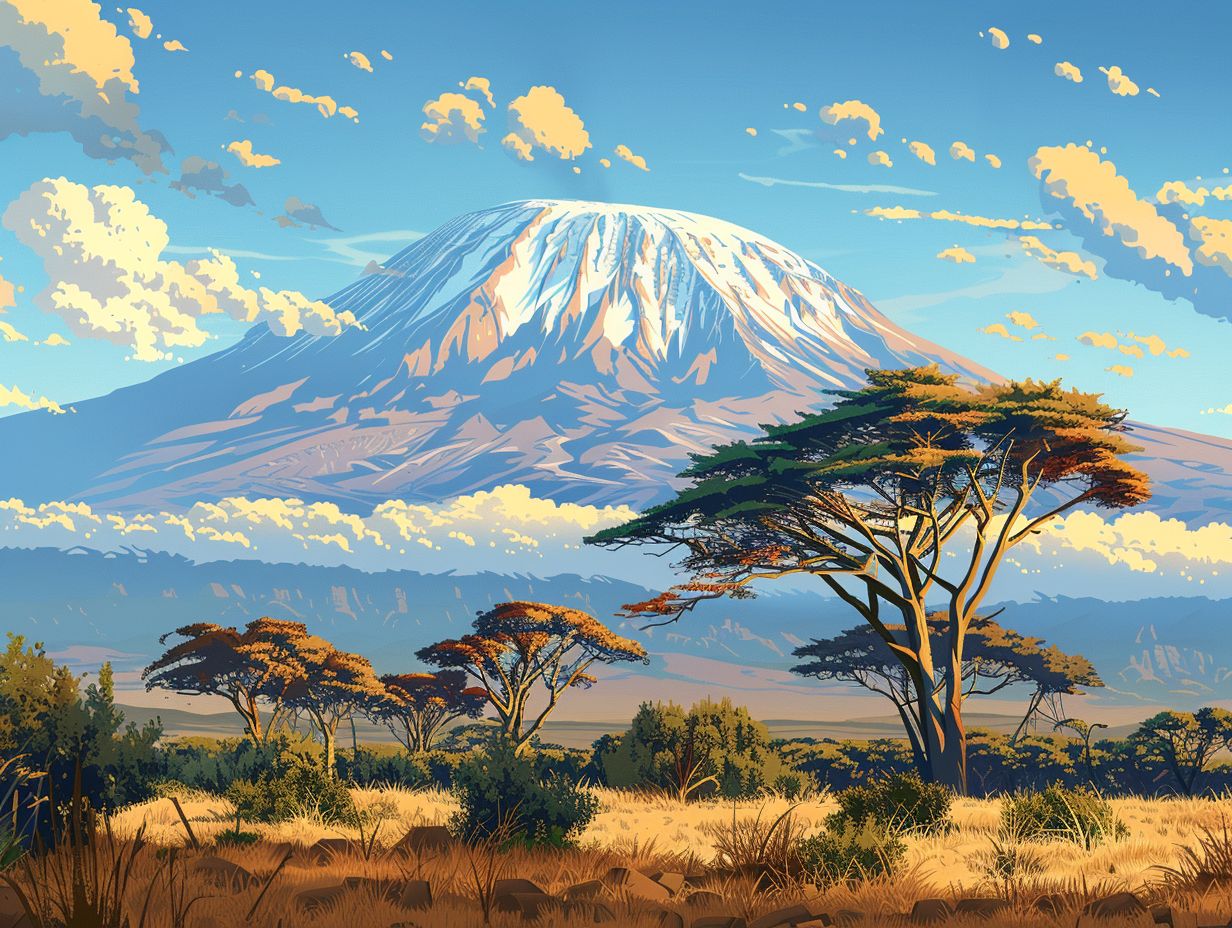
What is the history of Mount Kilimanjaro? Mount Kilimanjaro, Africa's highest peak, has a rich history that dates back millions of years. Formed by volcanic activity, it consists of three cones: Kibo, Mawenzi, and Shira. The mountain is not only a natural wonder but also a cultural symbol for the local Chaga people, who have lived on its slopes for centuries.
European explorers began to document Kilimanjaro in the late 19th century, with Hans Meyer being the first to successfully reach its summit in 1889. This sparked interest in the mountain, leading to the development of trekking routes and increasing tourism. Today, Kilimanjaro is a popular destination for climbers from around the world, attracting thousands each year.
Understanding the history of Kilimanjaro enhances the climbing experience. For more information about climbing this iconic peak responsibly, contact Tanzania Adventures Group via WhatsApp at +255754042154. Join us in exploring the wonders of Kilimanjaro while respecting its rich heritage!
Tanzania Adventures
Mount Kilimanjaro, Africa's highest peak, boasts a rich and fascinating history that spans millions of years. Located in Tanzania, this iconic mountain is not only a natural wonder but also a significant cultural and historical landmark. Understanding the history of Kilimanjaro enhances the experience for climbers and visitors alike, making it a vital part of any journey with Tanzania Adventures Group.
Kilimanjaro's formation began approximately 1 million years ago through volcanic activity. The mountain is comprised of three distinct volcanic cones: Kibo, Mawenzi, and Shira. Kibo is the highest of the three and houses the summit, Uhuru Peak, while Mawenzi and Shira are notable for their unique landscapes and biodiversity.
Evidence suggests that the region surrounding Kilimanjaro has been inhabited by humans for over 3,000 years. The Chaga people, who still reside on the mountain's slopes, have a rich cultural heritage intertwined with the mountain’s history. They are known for their farming practices and the use of terracing to cultivate crops in the challenging terrain.
The first recorded European to set eyes on Kilimanjaro was the German explorer Hans Meyer in 1889. Meyer, along with his team, made a successful ascent of the mountain, bringing global attention to its grandeur. His expedition paved the way for further explorations and scientific studies of Kilimanjaro.
In the early 20th century, British explorers, including the famous mountaineer John Thomas, contributed to Kilimanjaro's popularity among climbers. Their expeditions helped map the mountain and established the routes still used today. This period marked the beginning of organized climbs, attracting adventurers from around the world.
The history of Kilimanjaro cannot be discussed without mentioning the impact of colonialism. During the late 19th and early 20th centuries, the mountain became a symbol of British colonial power in East Africa. The colonial administration developed infrastructure around Kilimanjaro, including roads and railways, facilitating access to the mountain for tourists and climbers.
After Tanzania gained independence in 1961, Mount Kilimanjaro was recognized as a national treasure. The government took steps to preserve its unique ecosystems and cultural significance. Kilimanjaro National Park was established in 1973, protecting the mountain and surrounding areas while promoting sustainable tourism.
With the establishment of Kilimanjaro National Park, tourism began to flourish. The mountain became a major attraction for trekkers and climbers, drawing adventurers from around the globe. Over the years, various routes have been developed, catering to different skill levels and preferences.
Despite its popularity, Kilimanjaro faces environmental challenges, including climate change and deforestation. The mountain's glaciers, which once covered significant areas, are rapidly retreating due to rising temperatures. Conservation efforts are crucial to preserve Kilimanjaro's unique ecosystems and cultural heritage.
Kilimanjaro holds immense cultural significance for the local communities. The mountain is often referred to as "Kilimanjaro," which means "shining mountain" in the Chaga language. It plays a vital role in local folklore and traditions, symbolizing strength and resilience.
The legacy of climbing Kilimanjaro continues to grow, with thousands of adventurers attempting to reach its summit each year. The mountain offers various routes, including Machame, Lemosho, and Marangu, each providing a unique experience and perspective of this majestic peak.
In recent years, there has been a growing recognition of the need for sustainable tourism practices. Organizations, including Tanzania Adventures Group, are committed to promoting responsible climbing and preserving the mountain's environment for future generations.
At Tanzania Adventures Group, we celebrate the rich history of Mount Kilimanjaro by offering guided climbs that respect its cultural and environmental significance. Join us on this incredible journey and experience the legacy of Kilimanjaro firsthand while contributing to its preservation.
By understanding the history of Mount Kilimanjaro, climbers can appreciate the mountain's significance beyond its physical grandeur, enriching their experience on this iconic African peak.