
The geological history of Mount Kilimanjaro is a captivating narrative that dates back approximately 750,000 years. Formed from volcanic activity, this iconic mountain consists of three distinct cones: Kibo, Mawenzi, and Shira. Each cone represents a different stage in the volcanic processes that shaped Kilimanjaro, making it a subject of great interest for geologists and adventurers alike.
The mountain's geological features have been influenced by various factors, including tectonic movements and climatic changes over millennia. These processes have resulted in a diverse landscape, characterized by unique rock formations, glacial features, and a variety of ecosystems that support an incredible range of flora and fauna. Understanding Kilimanjaro's geology enriches the experience for climbers and nature enthusiasts.
As you plan your adventure, consider exploring Kilimanjaro with Tanzania Adventures Group. Our expert guides will share insights into the mountain's geological significance, enhancing your journey. For more information, reach out to us on WhatsApp at +255754042154.
Tanzania Adventures
The geological history of Mount Kilimanjaro is a fascinating tale of volcanic activity, tectonic movements, and climatic changes that span millions of years. Formed approximately 750,000 years ago, Kilimanjaro is a stratovolcano composed of three volcanic cones: Kibo, Mawenzi, and Shira. Understanding this unique geological formation is essential for anyone planning to explore the mountain with Tanzania Adventures Group.
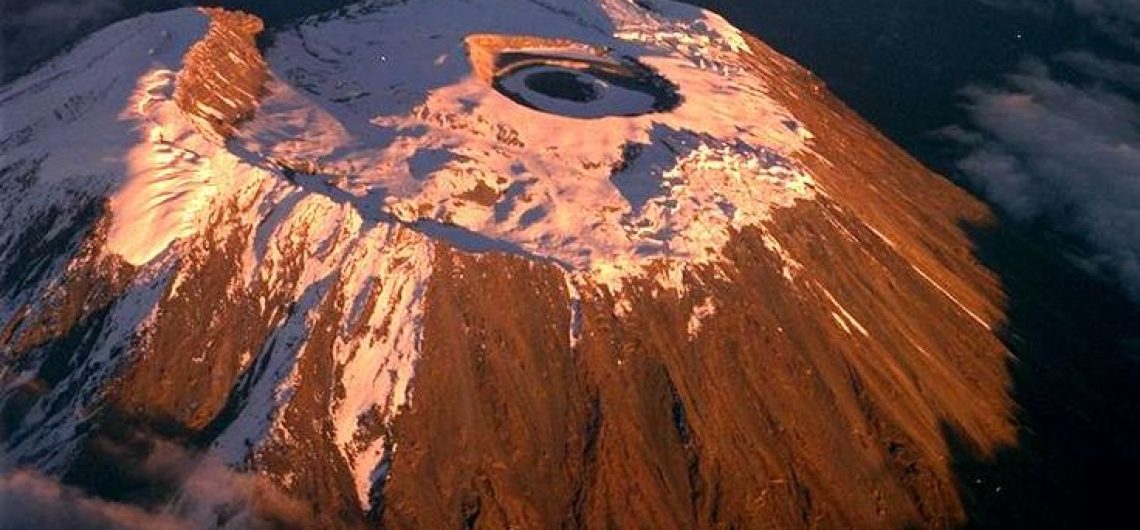
Kilimanjaro's formation began during the Pleistocene epoch when tectonic forces caused the East African Rift to develop. This rifting process led to the rise of volcanic activity, resulting in the creation of Kilimanjaro’s three peaks. Kibo, the highest cone, is a dormant volcano that last erupted around 360,000 years ago, while Mawenzi and Shira are older and more eroded, showcasing the mountain’s long history.
The mountain’s geological features were shaped by multiple volcanic eruptions over thousands of years. The lava flows from these eruptions contributed to the construction of the cones and the surrounding landscape. The varying composition of the lava and the subsequent erosion have created diverse geological formations, including cliffs, valleys, and plateaus, making Kilimanjaro a rich area for geological study.
As Kilimanjaro rose, it began to experience significant erosion due to weathering and climatic changes. Glaciers once capped the summit, but they have receded dramatically over the past century due to rising temperatures. These glaciers have shaped the mountain’s terrain, leaving behind moraines and other glacial features that tell the story of the mountain's climatic history.
Climate plays a crucial role in the geological history of Kilimanjaro. The mountain's elevation creates distinct climate zones, ranging from tropical rainforests at the base to alpine deserts near the summit. These climatic variations have influenced the erosion processes and the types of vegetation found on the mountain, adding to its geological complexity.
Research on Kilimanjaro’s geological history is vital for understanding not only its formation but also the broader geological processes at work in East Africa. Geological studies can provide insights into volcanic activity, tectonic movements, and the impacts of climate change on mountainous regions. This knowledge is crucial for scientists and climbers alike, as it informs both conservation efforts and climbing practices.
The geological history of Kilimanjaro has resulted in unique features that attract geologists and climbers from around the world. The contrasting landscapes of Kibo’s crater, Mawenzi’s jagged peaks, and Shira’s flat plateaus showcase the diverse geological processes that have shaped the mountain. Each feature offers a glimpse into the dynamic history of this iconic volcano.
The geological diversity of Kilimanjaro has created various ecosystems that support a wide range of flora and fauna. Different vegetation zones correspond to the elevation and climatic conditions, allowing for unique habitats. From lush rainforests at lower altitudes to alpine meadows near the summit, the mountain’s geological history has directly influenced its biodiversity.
Understanding Kilimanjaro’s geological history is essential for conservation efforts aimed at preserving its unique ecosystems. As climate change impacts the mountain, ongoing research helps inform strategies to protect its geological and ecological integrity. Supporting responsible tourism with Tanzania Adventures Group ensures that the natural beauty and geological wonders of Kilimanjaro are preserved for future generations.
Kilimanjaro's geological history is also intertwined with the cultures of the local communities. The mountain holds significant cultural and spiritual value for many ethnic groups in the region, and its majestic presence is often reflected in local traditions and stories. Understanding the geological context can enhance appreciation for the cultural heritage associated with Kilimanjaro.
For adventurers, understanding Kilimanjaro's geological history adds depth to the climbing experience. Knowledge of the mountain’s formation and the challenges posed by its terrain can enhance safety and enjoyment during treks. Tanzania Adventures Group provides expert guidance to help climbers connect with the mountain's rich geological narrative while enjoying their adventure.
The geological history of Kilimanjaro continues to be a subject of study as researchers aim to uncover more about the mountain’s past and its future. Ongoing research may reveal important information about volcanic activity, climate change impacts, and conservation strategies that can be applied globally. Engaging with this research can deepen climbers’ understanding and appreciation of Kilimanjaro.
Ready to explore the geological wonders of Kilimanjaro? Join Tanzania Adventures Group for an unforgettable climbing experience that combines adventure with education about this magnificent mountain. Learn more about its geological history while taking in breathtaking views and immersing yourself in nature.