
Tanzania’s climate during safari season varies depending on the time of year and the region you visit. The dry season, from June to October, is the most popular time for safaris, offering warm days with cooler evenings. This season provides excellent wildlife viewing as animals gather around waterholes, making it easier to spot the Big Five and other wildlife. With minimal rain and clear skies, it’s the perfect time for game drives and outdoor activities.
In contrast, the rainy season, from November to May, offers a different experience. While showers are brief, the landscapes become lush and green, creating an incredible backdrop for bird watching and quieter safaris. The weather remains warm, with occasional rainstorms, particularly from March to May. The rainy season also means fewer crowds and lower prices, making it ideal for those looking for a more peaceful adventure.
For personalized safari planning and expert guidance on the best time to visit based on the climate, contact Tanzania Adventures Group. Reach us via WhatsApp at +255754042154 to start your journey and experience the best of Tanzania’s safari season!
Tanzania Adventures
Tanzania, a top safari destination in East Africa, boasts diverse climates that vary by region and time of year. Understanding the climate during Tanzania’s safari season is essential for planning the perfect adventure. With varied landscapes ranging from coastal beaches to savannahs, mountains, and forests, Tanzania's weather can dramatically change depending on the time of year and location. For those considering a safari, knowing what to expect weather-wise can help make your trip more enjoyable and comfortable.
Tanzania has two primary seasons: the dry season and the rainy season. Each of these seasons brings different weather conditions that can affect your safari experience. The dry season, from June to October, is the most popular time for safaris, while the rainy season, from November to May, offers a completely different atmosphere. Whether you're aiming for better wildlife viewing or a quieter, more lush environment, your timing can make all the difference. Tanzania Adventures Group is here to guide you on the best time to visit based on your preferences.
The dry season in Tanzania is the most sought-after time for safaris. From June to October, you’ll experience warm and dry conditions with little to no rain, making it an excellent time for game viewing. Temperatures during the day can range from 25°C to 30°C (77°F to 86°F), with cooler mornings and evenings, especially in higher-altitude areas like the Ngorongoro Crater. This is also the season when animals tend to congregate around water sources, making it easier to spot the Big Five and other wildlife.
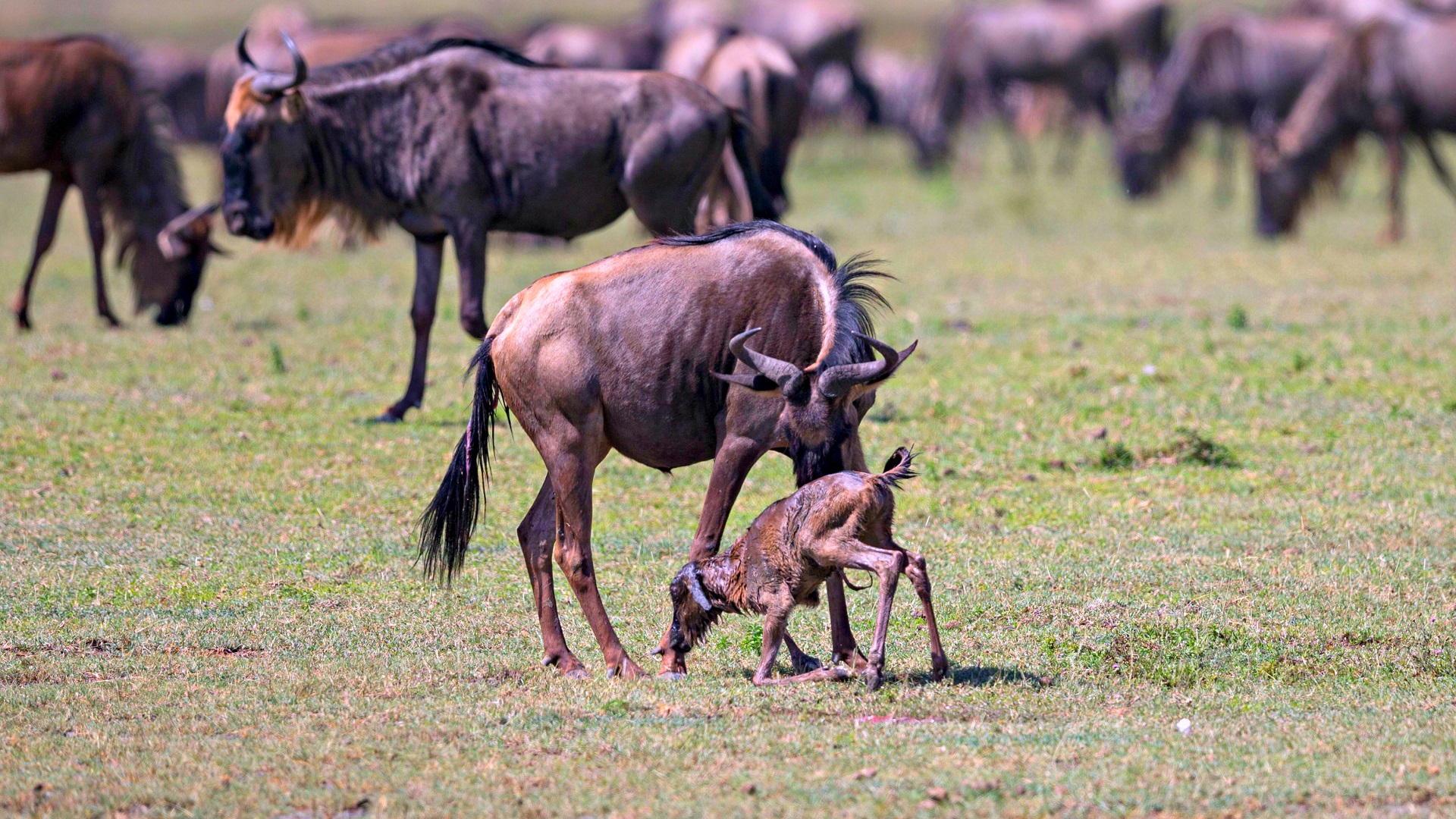
The dry season offers several advantages for safari-goers. The lack of rain means the grass is shorter, improving visibility for wildlife viewing. Additionally, animals gather around waterholes, making it easier to observe large herds of elephants, zebras, wildebeest, and other species. The dry season is also a great time for witnessing dramatic wildlife events such as the Great Migration in the Serengeti, where millions of wildebeest and zebras move in search of fresh grazing lands. For those looking to experience the best of Tanzania’s wildlife, this is the optimal period.
While the dry season is popular for safaris, the rainy season from November to May offers a completely different experience. The rains are usually short but intense, and temperatures remain warm, ranging between 25°C and 30°C (77°F to 86°F). The rainy season can be divided into two periods: the short rains (November to December) and the long rains (March to May). Despite the rains, many areas in Tanzania remain accessible, and the landscape transforms into a lush, green paradise.
Visiting Tanzania during the rainy season has its perks. The landscape becomes incredibly vibrant, with lush greenery and abundant vegetation. This is an excellent time for birdwatching, as many migratory bird species arrive, and the variety of birdlife is astounding. Additionally, safari crowds tend to thin out during the rainy season, providing a more intimate and quieter experience in the parks. Safari prices may also be lower, making it a more budget-friendly option for some travelers.
The climate in Tanzania varies significantly between regions. For example, the Serengeti and Ngorongoro Crater experience warm temperatures year-round, but the Serengeti is usually drier and hotter during the rainy season. In contrast, the coastal areas of Zanzibar and Dar es Salaam have a tropical climate with more consistent warmth and humidity, particularly during the rainy season. If you're traveling to multiple regions, it's important to pack accordingly, as the weather can differ widely.
In Tanzania’s major safari zones like the Serengeti, Tarangire, and Ngorongoro Crater, daytime temperatures during the dry season range between 25°C and 30°C (77°F to 86°F), with cooler mornings and evenings. The central Serengeti can be particularly hot, with temperatures reaching over 30°C (86°F) during midday, while higher-altitude areas like the Ngorongoro Crater are cooler. During the rainy season, temperatures remain similar, but the humidity can make it feel warmer.
Humidity in Tanzania can vary depending on the region and time of year. Coastal areas like Zanzibar and Dar es Salaam are quite humid year-round, particularly during the rainy season. Inland safari destinations, such as the Serengeti, Tarangire, and Ngorongoro Crater, generally have a more temperate climate, though humidity levels can rise during the rainy months. The dry season is marked by lower humidity, making it more comfortable for game drives and outdoor activities.
When preparing for a Tanzania safari, it’s important to pack for the country’s diverse climate. During the dry season, lightweight and breathable clothing is recommended, along with a jacket for cooler mornings and evenings. For the rainy season, be sure to bring waterproof gear, including a rain jacket, waterproof shoes, and a good hat to protect from rain and sun. A sturdy pair of binoculars and a camera are also essential for wildlife viewing in any season.
Whether you're planning a game drive, walking safari, or hot air balloon ride, the climate will influence your experience. During the dry season, game drives are generally more comfortable, with clear skies and predictable weather. During the rainy season, though the rain may occasionally disrupt plans, it can create a unique opportunity to witness wildlife in different environments, with animals often seen near lush water sources.
The climate plays a key role in the famous Great Migration, one of the most incredible wildlife events on Earth. This annual migration of over 1.5 million wildebeest, zebras, and gazelles in search of fresh grazing lands follows the seasonal rains and the availability of water. The dry season typically offers optimal conditions to witness this dramatic event, particularly in the Serengeti, where vast herds of animals can be seen crossing the plains in search of food and water.
The best time to visit Tanzania for a safari depends on your interests and what kind of experience you're looking for. If your priority is wildlife viewing with fewer crowds, the dry season from June to October is ideal. However, if you're a birdwatching enthusiast or prefer a quieter experience, the rainy season from November to May can offer an entirely different, yet equally rewarding, adventure. Tanzania Adventures Group is here to help you plan the perfect safari based on your preferences and the climate during your visit.
Tanzania’s climate is a key factor in shaping your safari experience. Whether you visit during the dry season for optimal wildlife viewing or choose the rainy season for lush landscapes and fewer tourists, Tanzania offers a diverse and rich environment for adventure. With expert guidance from Tanzania Adventures Group, you’ll be well-prepared to enjoy a truly unforgettable safari in one of Africa’s most stunning destinations.