Choosing the best route for acclimatization on Kilimanjaro is essential for a successful summit. Routes like the Lemosho and Northern Circuit offer gradual ascents and longer durations, allowing climbers to adjust better to the altitude and enjoy the journey more comfortably.
The Lemosho Route provides stunning scenery and ample time for acclimatization, making it a top recommendation for those concerned about altitude sickness. Meanwhile, the Northern Circuit offers the longest path, giving climbers even more time to adapt to the changing elevation.
For safe and enjoyable acclimatization, consult with experienced operators like Tanzania Adventures Group. Reach out on WhatsApp at +255754042154 for personalized advice and planning assistance, ensuring you select the best route for your Kilimanjaro adventure.
Tanzania Adventures
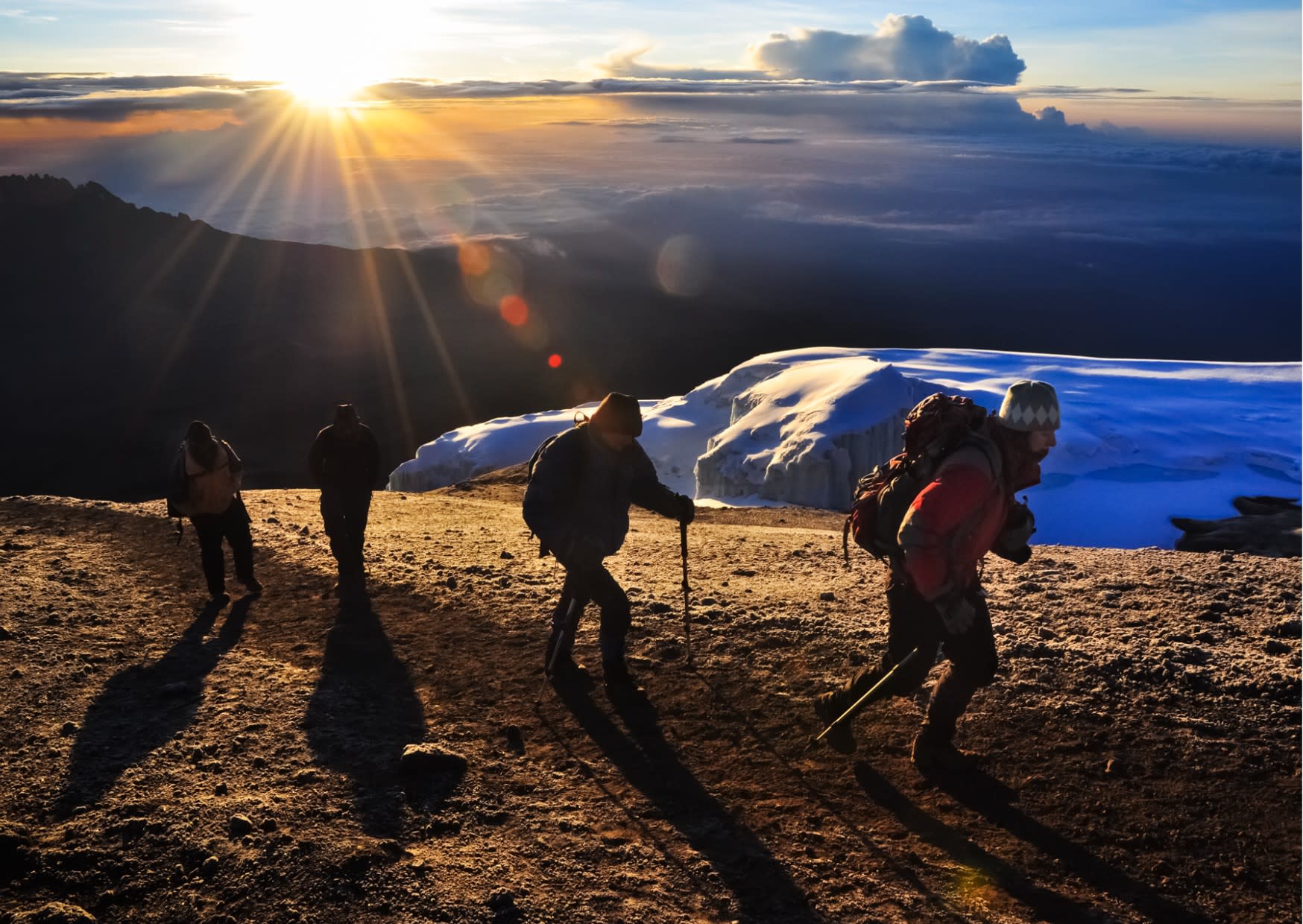
Acclimatization is a crucial factor in achieving a successful summit on Kilimanjaro. Climbing high altitudes too quickly can lead to altitude sickness, which affects climbers differently. Choosing a route that allows for gradual ascent and ample acclimatization increases your chances of a safe, successful summit. Tanzania Adventures Group offers expert guidance on routes designed to optimize acclimatization.
“Pole, pole,” meaning “slowly, slowly” in Swahili, is the mantra for Kilimanjaro climbers. A slower pace helps your body adapt to the high altitude and thin air, making acclimatization smoother. Tanzania Adventures Group encourages all climbers to embrace this method, ensuring a safer ascent.
The Lemosho Route is one of the best routes for acclimatization due to its longer duration and gradual ascent profile. With stunning views and less crowding, Lemosho provides enough time to adapt to altitude changes. Tanzania Adventures Group highly recommends this route for those prioritizing acclimatization and overall experience.
Also known as the “Whiskey Route,” Machame is another popular choice for acclimatization. This route includes the “climb high, sleep low” strategy, which helps your body adjust to altitude. Tanzania Adventures Group offers guided tours on Machame, combining acclimatization with scenic landscapes.
The Northern Circuit is the longest route on Kilimanjaro, taking about 9-10 days. This extra time enhances acclimatization opportunities and makes it one of the safest options for reaching the summit. Although it takes longer, Tanzania Adventures Group suggests it for climbers aiming for a relaxed, well-paced ascent.
Starting from the north, the Rongai Route provides a gradual incline that aids acclimatization. While it’s a shorter route, its gentle slopes make it manageable for climbers concerned about altitude sickness. Tanzania Adventures Group highlights Rongai as a great choice for those seeking a quieter path with steady acclimatization.
The Shira Route is similar to the Lemosho Route but begins at a higher altitude, requiring pre-acclimatization or previous high-altitude experience. While it’s scenic, Tanzania Adventures Group advises this route only for climbers with prior altitude training due to its immediate high altitude start.
The number of days you choose for your trek impacts acclimatization success. A longer route allows more time to adjust, so opting for at least 7 days is ideal. Tanzania Adventures Group provides customized itineraries to match each climber’s acclimatization needs, balancing comfort and safety.
Along with choosing the right route, applying strategies like “climb high, sleep low” is essential. On routes like Lemosho and Machame, climbers ascend higher during the day and sleep at a lower altitude, helping the body adjust to elevation changes. Tanzania Adventures Group guides ensure these strategies are part of each climb.
Throughout the climb, it’s vital to monitor your health and any symptoms of altitude sickness, such as headaches or dizziness. Experienced guides from Tanzania Adventures Group conduct regular health checks, helping you assess your acclimatization progress and decide if adjustments are necessary.
Proper hydration aids acclimatization by helping the body process oxygen more effectively at high altitudes. Tanzania Adventures Group recommends drinking at least three liters of water daily on the trek, as staying hydrated can alleviate some symptoms of altitude sickness and improve overall stamina.
Your guide’s expertise is invaluable for acclimatization, as they understand Kilimanjaro’s unique demands. Following their advice on pacing, rest, and hydration can make the difference between a safe ascent and a struggle with altitude issues. Tanzania Adventures Group’s guides are trained to help climbers manage acclimatization for a safer, more successful experience.
Choosing the right route and strategies for acclimatization is key to a rewarding Kilimanjaro climb. Contact Tanzania Adventures Group today for expert guidance on selecting the best route for your Kilimanjaro journey.