Kilimanjaro is Africa's highest peak, reaching an impressive altitude of 5,895 meters (19,341 feet) at its summit, Uhuru Peak. This breathtaking elevation attracts climbers and adventurers from around the globe, eager to experience its stunning landscapes.
The mountain features diverse ecosystems that change with altitude, from lush rainforests at the base to arctic conditions near the summit. Proper acclimatization is essential, as altitude sickness can occur above 2,500 meters (8,200 feet).
If you have questions about climbing Kilimanjaro or need assistance with your adventure plans, feel free to contact us via WhatsApp at +255754042154. Our team is here to help you prepare for this unforgettable journey!
Tanzania Adventures
Kilimanjaro is the highest mountain in Africa, reaching an impressive altitude of 5,895 meters (19,341 feet) at its summit, Uhuru Peak. This iconic peak draws thousands of adventurers each year, offering a unique trekking experience.
Kilimanjaro is a free-standing volcanic mountain located in Tanzania. It comprises three distinct volcanic cones: Kibo, Mawenzi, and Shira. The highest point, Uhuru Peak, is situated on the Kibo cone, making it a central focus for climbers.
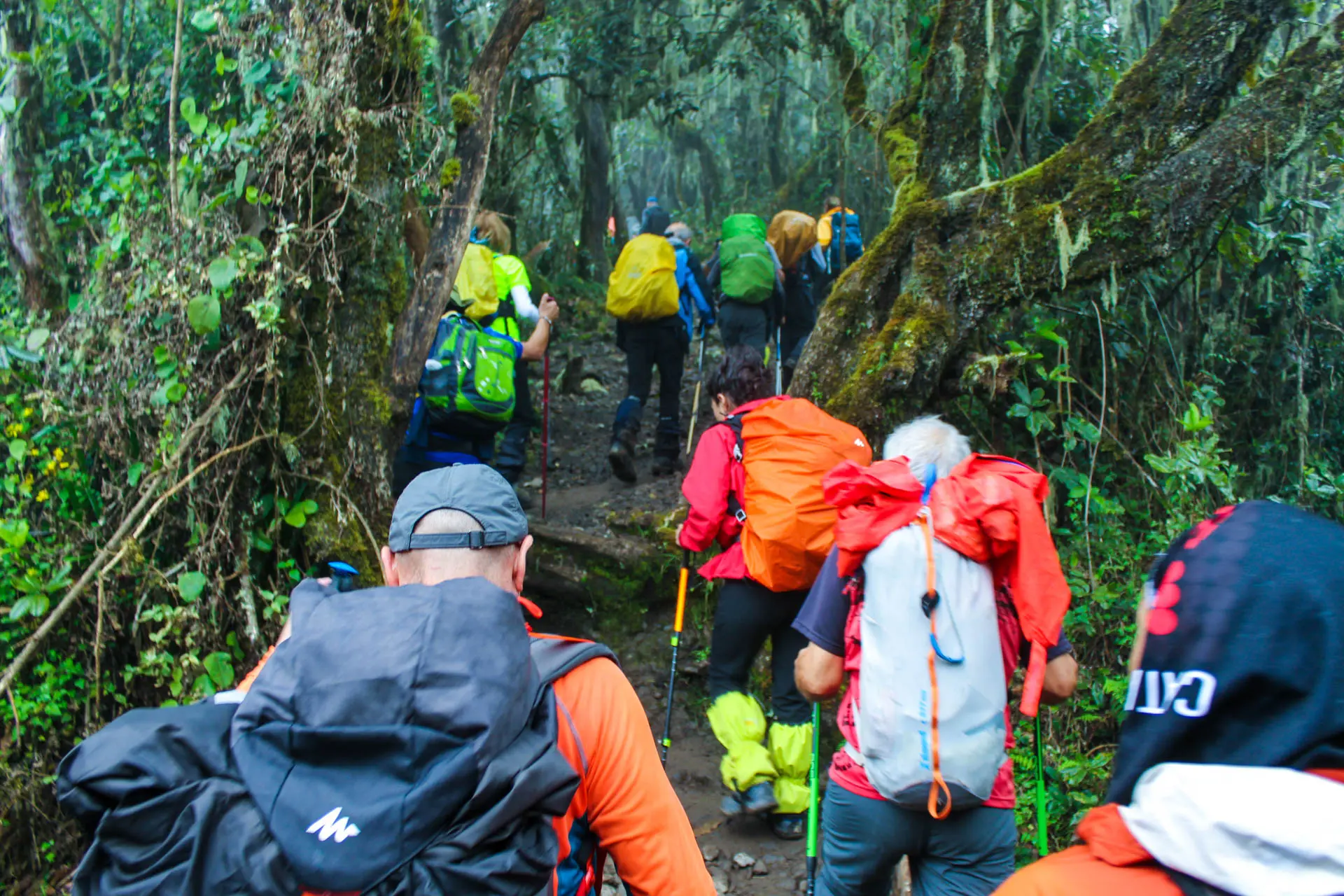
The altitude of Kilimanjaro creates diverse ecosystems. As climbers ascend, they transition through several climatic zones, including lush rainforests, moorlands, alpine desert, and finally, arctic conditions near the summit. Each zone presents unique flora and fauna.
Understanding the altitude is crucial for climbers. While the base can be warm and humid, temperatures drop significantly as you approach the summit. Proper gear and preparation are essential for handling the cold and harsh conditions encountered at higher elevations.
Climbing to high altitudes can lead to altitude sickness, which can occur above 2,500 meters (8,200 feet). Symptoms may include headaches, nausea, and dizziness. Acclimatization is key to minimizing these risks, making it vital to take your time during the ascent.
Choosing the right climbing route can significantly affect your acclimatization process. Routes like Lemosho and Machame are favored for their gradual ascent, allowing climbers to adapt more effectively to the altitude.
The weather on Kilimanjaro varies greatly with altitude. While lower slopes may be warm and inviting, temperatures at the summit can plunge below freezing. It’s crucial to prepare for these extremes by packing suitable clothing and gear.
Preparing for the altitude involves both physical fitness and mental readiness. Engaging in cardiovascular exercises, hiking, and strength training can help build the endurance needed for the climb. Being physically fit improves your chances of a successful ascent.
Safety is paramount when climbing at high altitudes. Pay attention to your body’s signals and descend if you experience severe symptoms of altitude sickness. Following the advice of your guide can make a significant difference in your safety.
Utilizing a reputable guide service, such as Tanzania Adventures Group, is essential for navigating the challenges of high altitude. Experienced guides provide valuable insights and support to ensure a safe and enjoyable trekking experience.
The altitude of Kilimanjaro is a defining feature of this majestic mountain. With proper preparation, acclimatization, and the right support, climbers can successfully reach the summit and enjoy the breathtaking views from the top. For expert guidance and support, contact Tanzania Adventures Group to plan your unforgettable Kilimanjaro adventure!