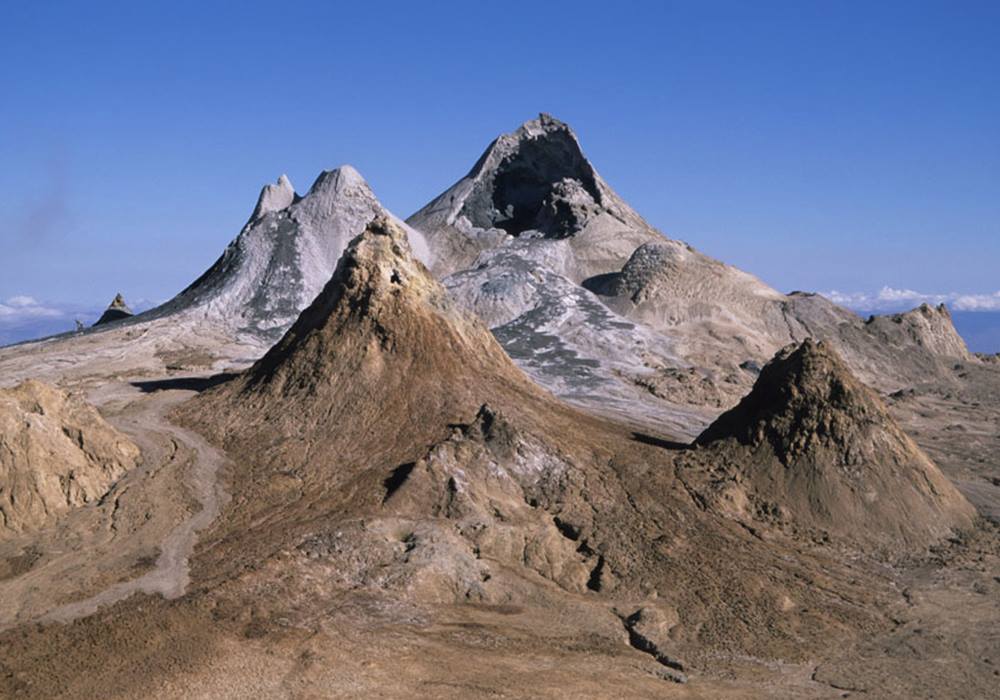
Mount Ol Donyo Lengai is an active volcano located in the Great Rift Valley of northern Tanzania. It is one of the few volcanoes in the world that erupts natrocarbonatite lava, which gives it a unique and fascinating appearance. Unlike most other volcanoes, Ol Donyo Lengai's eruptions are relatively cool, and its lava flows in a much more fluid manner. This makes it an intriguing destination for both geologists and adventurers who want to witness one of the most unusual volcanic activities on Earth.
Known as the "Mountain of God" by the Maasai people, Mount Ol Donyo Lengai holds great cultural and spiritual significance. The Maasai consider it a sacred site, as they believe the mountain is the home of their god, Enkai. It is one of the most prominent features in the northern Tanzanian landscape and offers breathtaking views of the surrounding plains and the nearby Lake Natron. The volcano’s unusual geology and stunning landscapes make it a must-visit for those seeking an unforgettable Tanzanian adventure.
If you're eager to explore the mysteries of Mount Ol Donyo Lengai and experience the adventure of trekking up this iconic volcano, Tanzania Adventures Group is here to help. Our expert guides will lead you on a safe and exhilarating journey to the summit of this active volcano. For more information or to book your trip, contact us today via WhatsApp at +255754042154 and get ready for an unforgettable adventure in Tanzania!
Tanzania Adventures
Mount Ol Donyo Lengai is an active stratovolcano located in the Great Rift Valley of northern Tanzania. It is known for its unique natrocarbonatite lava flows, which make it one of the most extraordinary volcanoes in the world. Unlike many other volcanoes, Ol Donyo Lengai erupts lava with a lower temperature and a different chemical composition, creating spectacular natural phenomena. It is considered a sacred mountain by the Maasai people, who refer to it as "God's Mountain" due to its spiritual significance. This active volcano draws adventurers and geologists from around the world, eager to witness its eruptive power and scenic beauty.
The name "Ol Donyo Lengai" comes from the Maasai language, where "Ol Donyo" means "mountain" and "Lengai" translates to "God". Therefore, Ol Donyo Lengai is often referred to as "The Mountain of God". This name reflects the deep spiritual significance the Maasai people attach to the volcano, as it is considered a sacred site and a place of worship. The Maasai believe that the volcano is the dwelling place of their god, Enkai, and it plays an important role in their cultural and religious practices.
Mount Ol Donyo Lengai stands at an elevation of approximately 2,878 meters (9,411 feet) above sea level. This height makes it one of the tallest mountains in the Great Rift Valley, towering over the surrounding landscape. The height of the volcano provides panoramic views of the surrounding plains, Lake Natron, and the Maasai Steppe. Its distinctive cone shape and towering stature make Ol Donyo Lengai a striking feature of the northern Tanzanian landscape.
Mount Ol Donyo Lengai is located in northern Tanzania, near the border with Kenya, in the heart of the Great Rift Valley. The volcano is situated to the north of Lake Natron, a shallow saline lake that is also known for its flamingo populations. It is about 120 kilometers (75 miles) north of the Serengeti National Park, making it an ideal stop for adventurers looking to explore Tanzania's rugged landscapes. Ol Donyo Lengai is accessible from various points, including the town of Arusha, and is a popular trekking destination for those seeking to experience Tanzania’s more remote natural wonders.
Yes, Mount Ol Donyo Lengai is an active volcano. It is one of the few volcanoes in the world that regularly erupts natrocarbonatite lava, a type of lava that is unique to this mountain. The volcano has erupted several times in the last few decades, with its most recent eruptions occurring in the early 2000s. The eruptions at Ol Donyo Lengai are typically smaller and more sporadic compared to those of other volcanoes, but they are still significant, especially for scientists studying the volcanic activity in the region.
Mount Ol Donyo Lengai is famous for erupting a unique type of lava known as natrocarbonatite lava. This lava is quite different from the more common basaltic or andesitic lavas found in other volcanoes. Natrocarbonatite lava has a lower temperature than typical lava and contains significant amounts of sodium carbonate and potassium carbonate. This gives the lava a light, almost white appearance when it cools, and it flows in a very fluid manner. The eruption of this unusual lava is one of the key reasons why Ol Donyo Lengai is so fascinating to geologists and volcanologists.
Natrocarbonatite lava is unique because of its chemical composition and lower eruption temperature. While most volcanoes produce lava that is rich in silicate minerals like basalt, natrocarbonatite lava contains high levels of carbonates, such as sodium carbonate (soda ash) and potassium carbonate. This composition makes it significantly less viscous than basaltic lava, allowing it to flow more easily and cover large areas. Natrocarbonatite lava also has a much lower eruption temperature, typically around 500-600°C (932-1,112°F), which is cooler than most other types of lava. This results in a very different appearance and behavior during eruptions.
Mount Ol Donyo Lengai is not a typical shield volcano but rather a stratovolcano, meaning it has a conical shape formed by a combination of explosive eruptions and slow lava flows. However, like a shield volcano, its eruptions tend to produce relatively low-viscosity lava that can flow freely across the landscape. This gives it some characteristics of a shield volcano, particularly in terms of its ability to spread lava over wide areas. The combination of explosive activity and fluid lava flows gives Ol Donyo Lengai its distinctive appearance and geological features.
The most recent significant eruption of Mount Ol Donyo Lengai occurred in 2007, although the volcano has experienced smaller eruptions and occasional activity since then. The eruptions of Ol Donyo Lengai tend to be less frequent and less violent than those of other volcanoes, but they are still of great interest to scientists due to the unique type of lava it produces. The last eruption was accompanied by lava flows and ash clouds, which added to the mountain's mystical allure and cemented its reputation as one of the most fascinating volcanoes in the world.
Yes, it is possible to see lava flowing from Mount Ol Donyo Lengai, though this is not guaranteed. Due to the unpredictable nature of the volcano's eruptions, the chances of witnessing flowing lava depend on the timing of your visit. When Ol Donyo Lengai is erupting, the flows of natrocarbonatite lava are visible, creating a dramatic and awe-inspiring spectacle. For those who are interested in seeing this phenomenon, it's essential to visit the volcano during its active periods. Guides and tour operators can help track volcanic activity and offer the best chances of witnessing this rare and incredible sight.
Mount Ol Donyo Lengai is a truly unique and fascinating destination for travelers to Tanzania, with its distinctive natrocarbonatite lava and spiritual significance. Whether you're a geology enthusiast, an adventure seeker, or simply fascinated by nature’s wonders, a visit to Ol Donyo Lengai offers an unforgettable experience. To explore the beauty and mystery of Mount Ol Donyo Lengai, travel with **Tanzania Adventures Group**. We specialize in creating personalized itineraries that allow you to experience the best of Tanzania's natural wonders, including trekking this sacred volcano. Contact us today via WhatsApp at +255754042154 to start planning your adventure to Ol Donyo Lengai and beyond!