
Mount Kilimanjaro is home to a rich diversity of flora and fauna, making it one of the most unique ecosystems in Africa. From the lush rainforests at the base to the barren landscapes near the summit, each zone supports different plant and animal species. As you trek, you'll encounter endemic species like the Kilimanjaro tree hyrax and various unique birds, enhancing your climbing experience.
The mountain's diverse habitats host a variety of vegetation, including towering trees, vibrant flowers, and hardy grasses that adapt to extreme conditions. This biodiversity not only contributes to the mountain's stunning beauty but also plays a crucial role in maintaining ecological balance. Understanding and appreciating the flora and fauna of Kilimanjaro is essential for responsible trekking.
By climbing with Tanzania Adventures Group, you support conservation efforts that protect Kilimanjaro's unique ecosystems. For more information on the flora and fauna you may encounter on your journey, feel free to reach out via WhatsApp at +255754042154.
Tanzania Adventures
Mount Kilimanjaro, Africa's highest peak, is not just a magnificent climbing destination; it is also a rich biodiversity hotspot. The mountain hosts a diverse array of flora and fauna, which thrive in the varying climatic zones created by its impressive elevation. As you ascend, you will encounter distinct ecosystems, each home to unique plant and animal species.
At the base of Kilimanjaro lies the lush rainforest, which serves as the first ecological zone. This vibrant area is filled with dense vegetation, including towering trees, ferns, and numerous orchids. Here, you can spot various animal species such as blue monkeys, black and white colobus monkeys, and a variety of colorful birds, including the great blue turaco.
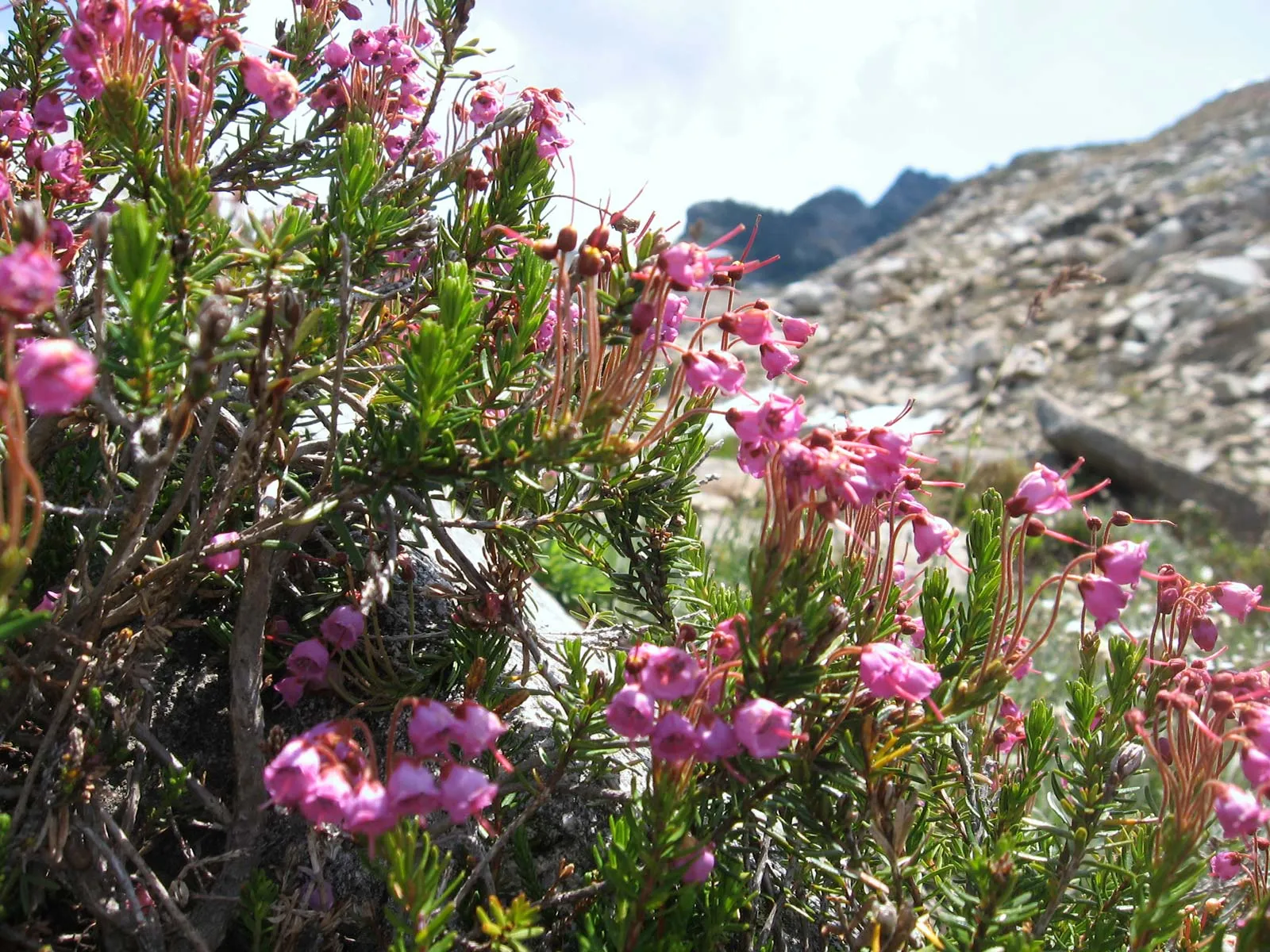
As you climb higher, the landscape transitions into the heath and moorland zone. Characterized by heath plants, giant lobelias, and endemic species like the Kilimanjaro tree hyrax, this area supports unique wildlife. Birds such as the alpine chat and horned lark can also be spotted here, adding to the rich avian diversity of the mountain.
Continuing your ascent, you will enter the alpine desert zone, where conditions become harsher, and vegetation thins out. In this arid environment, you will find resilient species such as alpine flowers and tough grasses. The fauna here is sparse but includes hardy animals like the rock hyrax and various bird species adapted to high altitudes.
The final ecological zone is the summit, characterized by rocky terrain and glaciers. Flora is nearly nonexistent at this elevation due to extreme weather conditions. However, you may still encounter remnants of the unique vegetation that once thrived here. The fauna is limited, but migratory birds can occasionally be seen flying over the summit.
Kilimanjaro is home to numerous endemic species, meaning they are found nowhere else in the world. The Kilimanjaro elephant, a unique subpopulation of elephants, roams the lower slopes, while the rare Kilimanjaro bushbuck can be spotted in the forested areas. These species contribute to the mountain's rich biodiversity.
Understanding the flora and fauna of Kilimanjaro is essential for conservation efforts. Organizations work tirelessly to protect this unique ecosystem from the threats posed by climate change, deforestation, and unsustainable tourism practices. Supporting conservation initiatives helps preserve the biodiversity of this remarkable mountain.
The diverse plant and animal life on Kilimanjaro plays a critical role in maintaining ecological balance. These species contribute to the mountain's health, supporting soil stability, water retention, and overall climate regulation. Preserving this biodiversity is vital for both the environment and the local communities that depend on it.
When climbing Kilimanjaro, keep an eye out for wildlife at various elevations. Early morning and late afternoon are the best times for animal sightings. Engaging a knowledgeable guide from Tanzania Adventures Group enhances your chances of spotting rare species and understanding their ecological roles.
Many plants on Kilimanjaro have medicinal properties and are used by local communities. Educating yourself about the flora not only enriches your trekking experience but also deepens your appreciation for the mountain's natural heritage. Look for informative signage along the trails to learn more about the plant species you encounter.
As a visitor, practicing responsible tourism is crucial for protecting Kilimanjaro’s flora and fauna. Stick to designated paths, avoid littering, and respect wildlife by observing from a distance. These simple actions help ensure the preservation of this unique ecosystem for future generations.
The local communities around Kilimanjaro have a deep connection with the mountain's flora and fauna. Many traditional practices incorporate the use of native plants for food, medicine, and rituals. Engaging with the local culture during your climb offers valuable insights into their relationship with this majestic environment.
When you choose to climb Kilimanjaro with Tanzania Adventures Group, you’re not just embarking on an adventure; you're also supporting eco-friendly practices that prioritize conservation and community welfare. Our knowledgeable guides will help you appreciate the mountain's incredible biodiversity while ensuring your trek has a positive impact. Book your journey today!