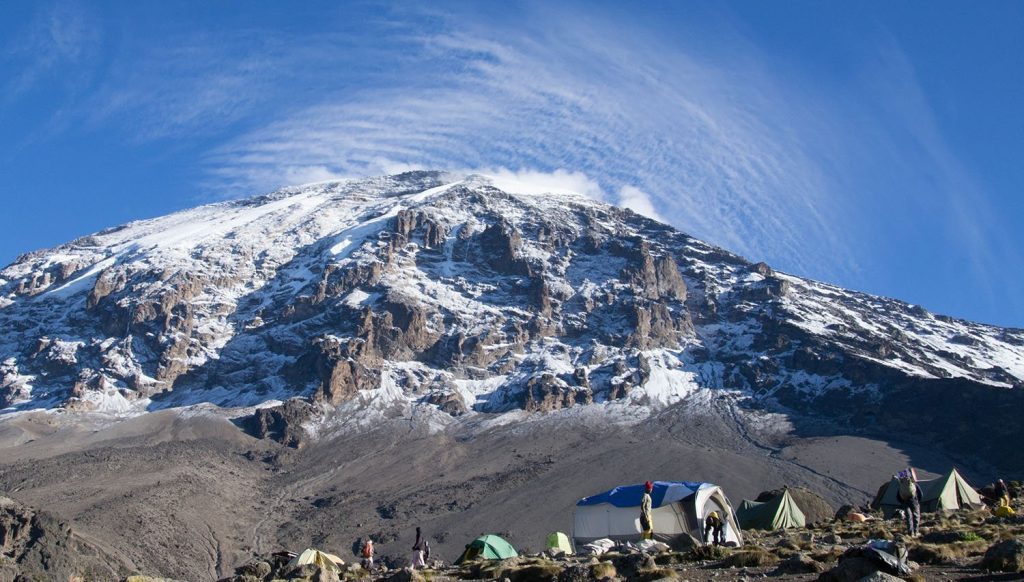
Kilimanjaro features five distinct climate zones, each presenting unique ecosystems and weather conditions. Starting in the Rainforest Zone, trekkers experience lush greenery and high humidity. As you ascend, you move through the Heath and Moorland Zones, where temperatures cool and the landscape transforms into vibrant flora and expansive grasslands.
Continuing higher, climbers reach the Alpine Desert Zone, characterized by sparse vegetation and dramatic temperature fluctuations. Finally, the Arctic Zone awaits at the summit, where icy conditions prevail. Understanding these zones is crucial for climbers, helping them prepare for the varying challenges each presents.
For expert guidance on navigating Kilimanjaro's climate zones, contact us via WhatsApp at +255754042154. The team at Tanzania Adventures Group is here to assist you in planning a successful and memorable trek!
Tanzania Adventures
Kilimanjaro, standing at 5,895 meters (19,341 feet), is renowned for its diverse climate zones. As you ascend the mountain, you’ll experience a variety of ecosystems and weather conditions, each presenting unique challenges and stunning landscapes. Understanding these climate zones is essential for climbers planning their trek. Here’s an overview of the distinct climate zones on Kilimanjaro.
The journey begins in the Rainforest Zone, located at the base of Kilimanjaro. This lush area is characterized by high humidity and abundant rainfall. Here, you’ll encounter diverse flora, including giant ferns and tropical trees. Temperatures typically range from 20°C to 30°C (68°F to 86°F), making it a comfortable starting point.
As you ascend beyond the rainforest, you’ll enter the Heath Zone. This area features unique vegetation, including heather and giant lobelias. The climate becomes cooler, with temperatures ranging from 10°C to 20°C (50°F to 68°F). The terrain is rugged and offers stunning views, making it a favorite among trekkers.
Next, you’ll reach the Moorland Zone, characterized by expansive grasslands and low shrubs. The temperatures continue to drop, averaging between 5°C and 15°C (41°F to 59°F). This zone is less humid, and climbers may experience stronger winds as they progress higher.
The Alpine Desert Zone presents a stark contrast to the previous areas. Here, vegetation is sparse, with only a few hardy plants surviving in harsh conditions. Temperatures can fluctuate dramatically, ranging from -5°C to 10°C (23°F to 50°F) during the day and dropping below freezing at night. This zone is essential for acclimatization as climbers prepare for the summit.
Finally, you’ll reach the Arctic Zone, located above 5,000 meters (16,404 feet). This area is almost devoid of life, with icy conditions prevailing. Temperatures often fall below -10°C (14°F), and high winds can make it feel even colder. Climbers need to be well-prepared for these extreme conditions as they approach the summit.
Kilimanjaro’s climate is also influenced by seasonal variations. The dry seasons, from January to March and June to October, offer the best trekking conditions, while the rainy seasons can bring unpredictable weather, particularly in the rainforest zone.
Understanding these climate zones is crucial for climbers. Each zone presents unique challenges, and preparation is key. Being aware of the temperature changes and weather conditions can help you pack appropriately and plan your ascent strategy.
As you navigate through these climate zones, acclimatization becomes essential. Gradual ascent through the varying climates allows your body to adjust, reducing the risk of altitude sickness. The Lemosho and Machame routes are popular for their effective acclimatization opportunities.
Proper clothing and gear are vital for tackling Kilimanjaro’s diverse climate zones. Layering is recommended to adapt to the changing temperatures. Start with moisture-wicking base layers, add insulating layers for warmth, and finish with a waterproof outer layer to combat rain and wind.
Climbing with a local guide from Tanzania Adventures Group can enhance your understanding of these climate zones. Experienced guides provide valuable insights and tips for navigating the mountain’s diverse environments, ensuring a safer and more enjoyable trek.
Each climate zone on Kilimanjaro is home to unique wildlife and flora. The rainforest hosts various bird species and monkeys, while the higher zones feature resilient plants adapted to extreme conditions. Understanding the biodiversity can enrich your trekking experience.
In conclusion, Kilimanjaro’s climate zones present a fascinating array of ecosystems that climbers will experience during their trek. From the lush rainforest to the icy Arctic Zone, each area offers unique challenges and rewards. For expert guidance and support on your Kilimanjaro adventure, contact Tanzania Adventures Group to help you prepare for this unforgettable journey!