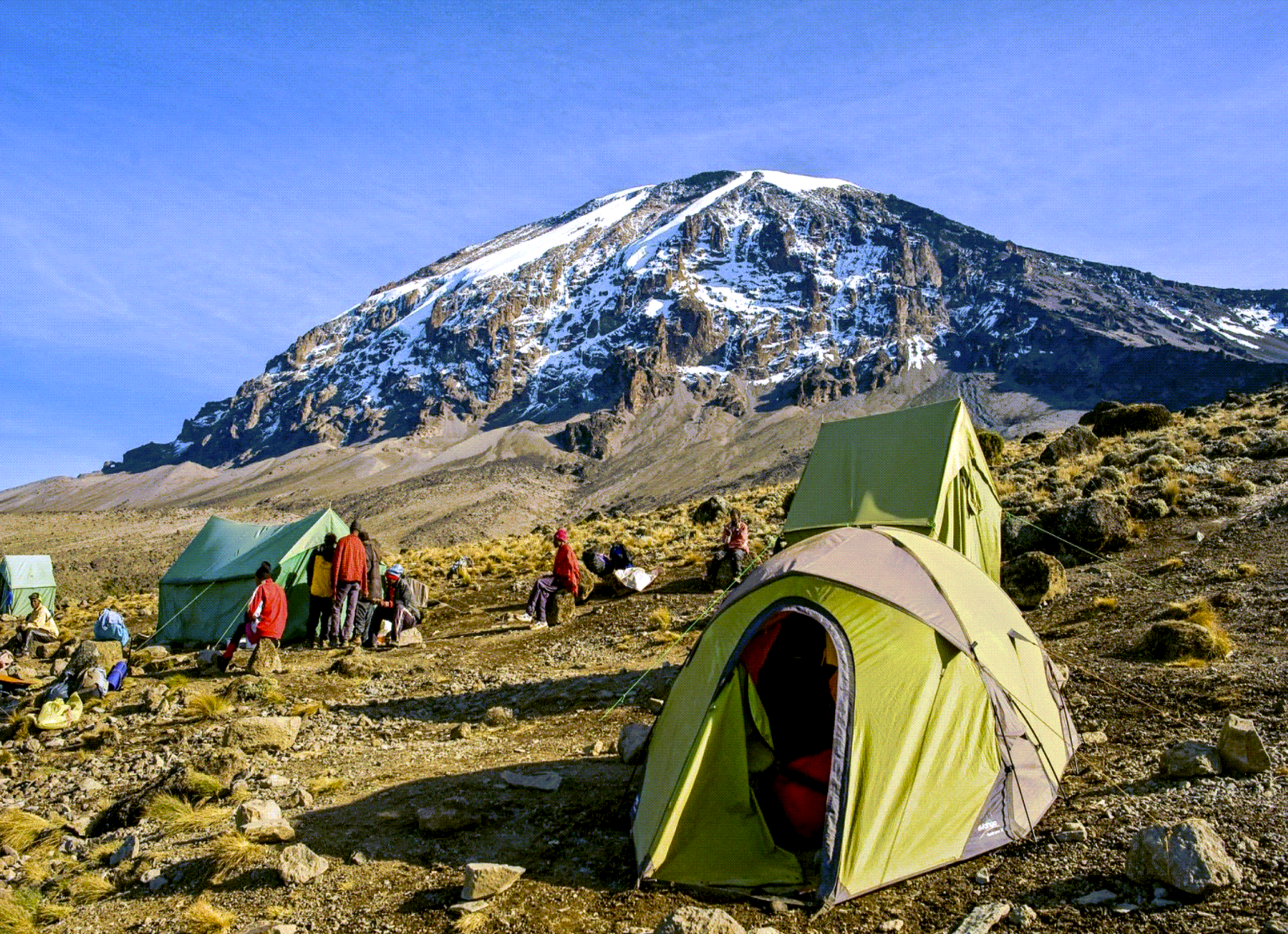
When it comes to Mount Kilimanjaro, many people wonder about the difference between trekking and climbing. Kilimanjaro is considered a “trekking peak,” meaning it does not require ropes or technical climbing gear. Instead, trekkers navigate a series of trails leading to the summit, focusing on endurance rather than technical climbing skills.
The experience of climbing Kilimanjaro is demanding, as it involves high altitudes, unpredictable weather, and physical endurance. While no technical equipment is required, trekkers must be prepared for the physical and mental challenges of the journey. With the right preparation, reaching Kilimanjaro’s peak is possible for most fitness levels.
For more guidance on trekking vs. climbing Kilimanjaro, reach out to Tanzania Adventures Group at WhatsApp +255754042154. Our team can help you understand the journey and prepare for this incredible adventure.
Tanzania Adventures
When planning a journey up Mount Kilimanjaro, understanding the difference between “trekking” and “climbing” is essential. Kilimanjaro is unique because, unlike technical mountains, it does not require ropes or climbing equipment. At Tanzania Adventures Group, we guide you through what it means to trek and climb this iconic peak.
On Kilimanjaro, “trekking” refers to multi-day hikes along various trails leading to the summit. Trekkers encounter diverse terrain, altitudes, and climates but do not engage in technical climbing. Kilimanjaro trekking requires stamina, determination, and acclimatization but is achievable for many fitness levels.
Though the terms “climbing” and “trekking” are often used interchangeably, Kilimanjaro is technically a “trekking peak.” This means there are no ropes, harnesses, or technical rock climbing involved. However, it is a climb due to the physical and mental challenges of high-altitude ascent.
Both trekking and climbing Kilimanjaro involve significant altitude gains. As you trek, you gradually climb to the summit, reaching heights where altitude sickness can be a concern. Tanzania Adventures Group emphasizes gradual acclimatization to reduce the risk of altitude sickness.
Trekking Kilimanjaro still requires physical fitness, as it involves walking long distances over rugged terrain at high altitudes. Those with trekking experience will find it easier, but proper preparation is key. Our team recommends training that focuses on endurance, balance, and strength.
Most trekking on Kilimanjaro is done in groups led by experienced guides. Tanzania Adventures Group provides knowledgeable guides who understand the mountain and are trained to ensure safety and successful acclimatization for trekkers.
Unlike technical climbs, Kilimanjaro trekking requires no ropes, crampons, or specialized climbing gear. The right trekking boots, layers, and a supportive backpack are the essentials, making the experience accessible to a wide range of adventurers.
Both trekking and climbing require mental endurance, as summiting Kilimanjaro demands persistence and a positive mindset. Kilimanjaro climbers face tough conditions, from unpredictable weather to steep sections, requiring resilience and adaptability.
Climbers on technical mountains typically require rigorous training, including rock and ice climbing skills. Kilimanjaro trekkers should focus on cardio endurance, strength, and balance exercises. Training consistency is key to