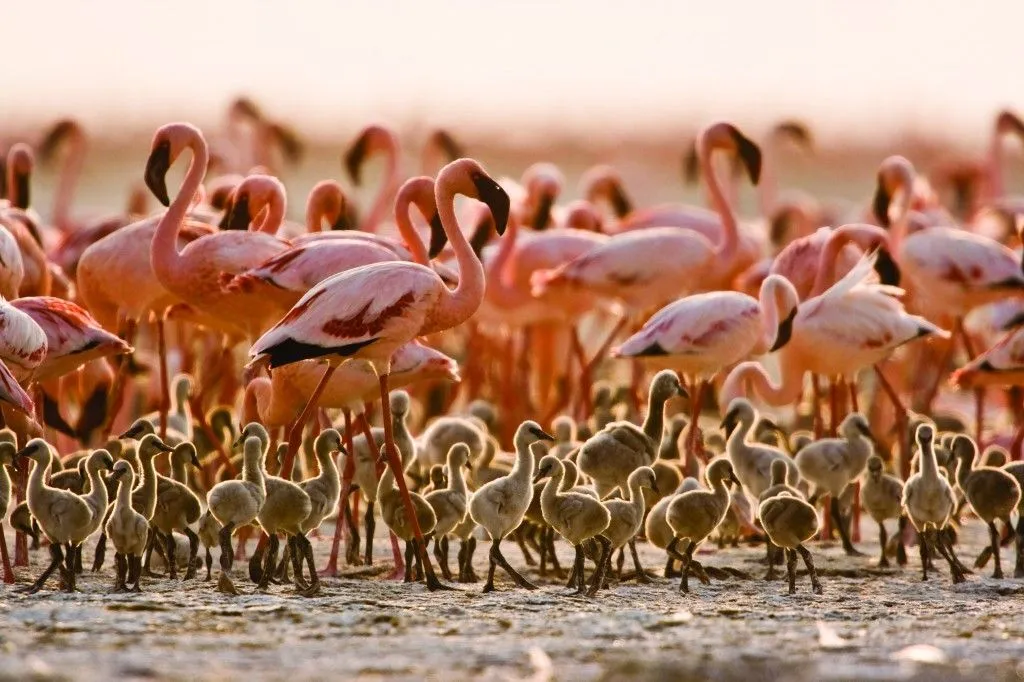
Lake Natron, known for its extreme alkalinity and harsh environment, is home to a surprising variety of wildlife that has adapted to its unique conditions. The most iconic animal found at Lake Natron is the lesser flamingo, which uses the lake as a breeding ground. These beautiful birds feed on the abundant algae in the lake’s waters, which thrive in its high salinity. The flamingos’ reliance on this specialized ecosystem makes Lake Natron an essential location for birdwatchers and nature enthusiasts.
In addition to flamingos, Lake Natron is also home to other animals that inhabit the surrounding landscapes. The area supports a range of wildlife, including giraffes, zebras, wildebeests, and various species of antelope. These mammals are often found in the grasslands and scrublands near the lake, where they graze and migrate. While the lake itself is inhospitable to most aquatic animals, the surrounding region provides a rich environment for terrestrial wildlife.
If you're looking to experience the wildlife around Lake Natron, Tanzania Adventures Group offers expertly guided tours that give you the opportunity to see these incredible animals in their natural habitat. For more details or to book your adventure, contact us on WhatsApp at +255754042154. Let us guide you through the fascinating world of Lake Natron!
Tanzania Adventures
The striking red color of Lake Natron is primarily caused by microorganisms that thrive in its unique environment. The lake's high salinity and alkalinity provide the perfect conditions for certain types of algae, particularly Spirulina. These algae produce red pigments as part of their natural growth process. The intense color of the water changes throughout the year, depending on the algae’s growth cycle, which is influenced by the temperature, sunlight, and mineral concentration in the water.
The pH level of Lake Natron is one of the highest in the world, ranging from 9 to 10.5. This high alkalinity is a result of the large amounts of sodium carbonate (soda ash) and other alkaline minerals that flow into the lake from nearby volcanic activity. The high pH creates a caustic environment that is hostile to most organisms, but some species of algae, bacteria, and microorganisms have adapted to this extreme condition, allowing them to thrive in the lake.
The high salinity of Lake Natron makes it a harsh environment for most forms of life. However, this saline water is ideal for certain types of microorganisms, such as Spirulina algae, which thrive in such conditions. The high salinity and alkalinity limit the types of animals that can survive in the lake. Most fish cannot live here, and the lake is inhospitable to many aquatic creatures. However, the flamingos and other wildlife that rely on the lake's ecosystem have adapted to this extreme environment, with unique evolutionary traits that help them survive in the lake's briny waters.
Lake Natron is rich in various minerals, most notably sodium carbonate (soda ash), sodium bicarbonate, and other salts. These minerals are primarily derived from the volcanic activity of nearby Ol Donyo Lengai, which releases carbonatite lava containing high concentrations of sodium and potassium. These minerals, along with the high evaporation rate of the lake, contribute to its extreme salinity and alkalinity. The mineral-rich waters also create striking visual effects, particularly the vivid red colors caused by algae.
Yes, there are several hot springs around Lake Natron, which contribute to the lake’s mineral content. These geothermal springs, which are heated by the nearby volcanic activity, feed into the lake, adding more minerals and increasing the lake's salinity. The hot springs themselves are rich in minerals and have therapeutic properties. Some of these springs are popular spots for visitors to enjoy a natural bath, with the warm waters offering a relaxing experience amidst the stark volcanic landscapes.
Volcanic activity plays a crucial role in shaping the composition of Lake Natron. The active Ol Donyo Lengai volcano, located nearby, constantly emits volcanic gases and minerals, including sodium carbonate, which flow into the lake and increase its alkalinity. This volcanic activity provides the lake with its high mineral content and contributes to its unique chemical environment. The presence of these minerals not only affects the lake's color and pH but also creates an ecosystem that supports specific microorganisms and species of birds.
The primary source of water for Lake Natron comes from the seasonal rainfall and the geothermal hot springs around the lake. In addition to these, runoff from the surrounding volcanic mountains and nearby rivers, such as the Ewaso Ng'iro River, contributes to the water levels. The lake is a closed basin, meaning that water only leaves through evaporation, which causes the minerals to accumulate and increases the lake’s salinity over time.
Lake Natron maintains its high alkalinity through a combination of factors, including the mineral-rich volcanic runoff, evaporation, and the geothermal activity around the lake. The Ol Donyo Lengai volcano continuously releases volcanic minerals, including sodium carbonate, into the lake. These minerals, combined with the high evaporation rate of the lake (which causes salts and minerals to become more concentrated), help maintain the lake’s extreme alkaline conditions. The constant replenishment of these minerals ensures that Lake Natron remains one of the most alkaline bodies of water in the world.
While Lake Natron's extreme environment limits the types of animals that can survive in its waters, it does support a unique range of life. The lake is most famous for being a breeding ground for the lesser flamingo, which feeds on the algae that grow in the alkaline water. Other animals that can be found in the area surrounding the lake include a variety of reptiles, such as crocodiles and snakes, as well as mammals like zebras, giraffes, and wildebeests that can be seen on the fringes of the lake. The harsh environment has led to the adaptation of specialized species that thrive in the area’s extreme conditions.
Lake Natron is particularly important for birdlife, especially as a breeding ground for the lesser flamingo. This species of flamingo uses the lake’s remote and inhospitable environment to protect its nests from predators. The lake's alkaline waters are rich in the algae that the flamingos feed on, making it an ideal location for them to thrive. In addition to the lesser flamingos, the lake is also home to various species of waders and waterfowl, including greater flamingos, as well as numerous migratory birds that pass through the region.
If you're interested in discovering the fascinating and unique ecosystem of Lake Natron, Tanzania Adventures Group is your ideal tour operator. Our experienced guides ensure you get the most out of your visit to this remote and remarkable location, with insights into the area's wildlife, geology, and volcanic activity. Whether you're an avid photographer, a birdwatcher, or simply a nature enthusiast, we offer tailor-made tours that cater to your interests. For more information or to book your trip, contact us today via WhatsApp at +255754042154 for personalized assistance. Join us for an unforgettable adventure in Tanzania!