
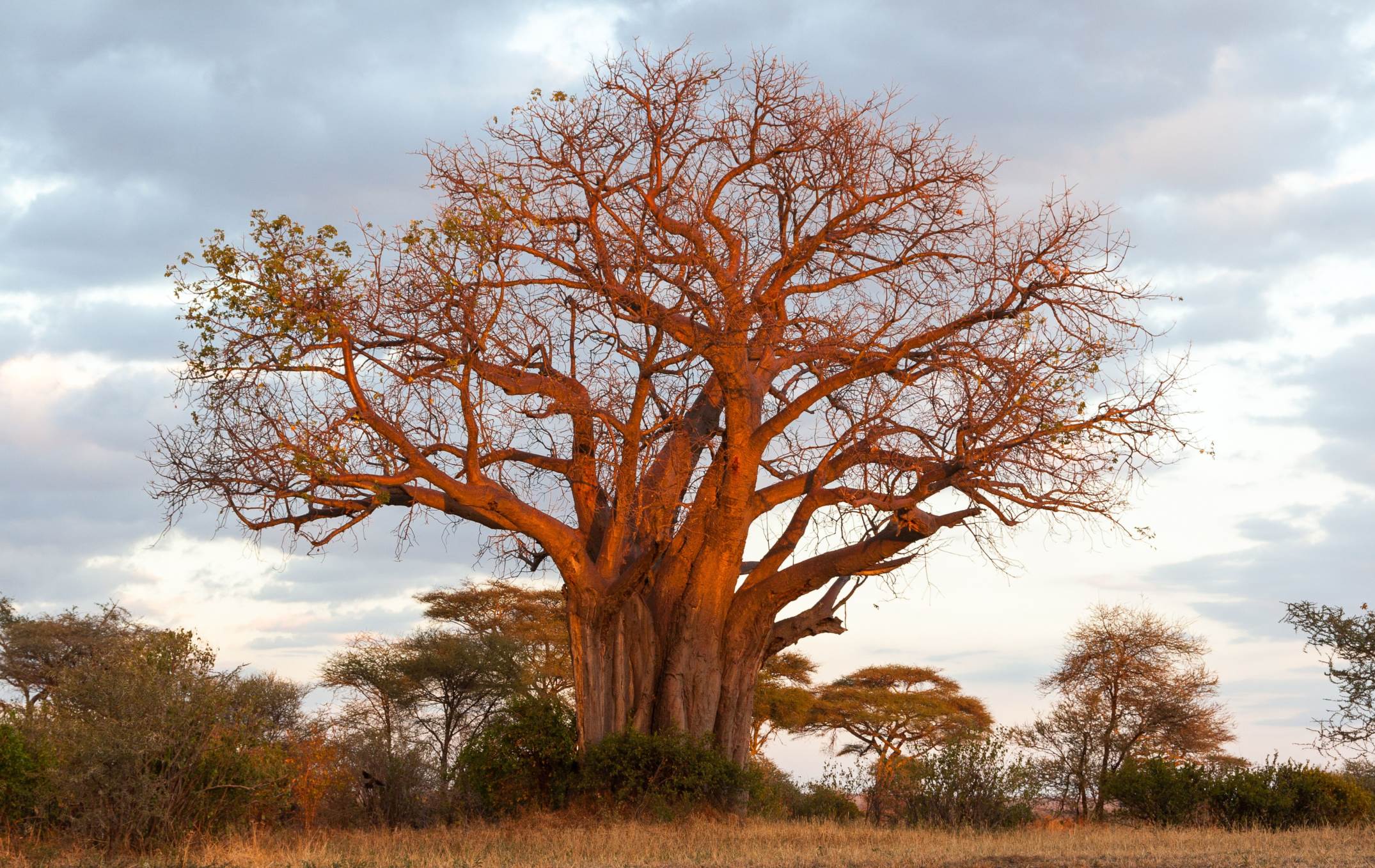
Mikumi National Park is not only famous for its wildlife, but also for its rich diversity of plant species, including some rare and endemic varieties. The park's varied ecosystems ranging from woodlands and grasslands to wetlands provide a unique habitat for a wide range of plant life. Visitors can expect to see fascinating species like the iconic baobab trees and various acacia species that are crucial to the park’s ecological balance.
Among the rarer plants, Mikumi is home to several species that are found only in this region. The wetlands along the Mkata River, for example, nurture unique aquatic plants that are essential for the park’s biodiversity. The rich vegetation not only contributes to the landscape's beauty but also provides food and shelter for many of the park's animal species, creating a vital link in the ecosystem.
If you're a plant enthusiast or a nature lover, Mikumi National Park offers a great opportunity to explore these rare species. For an expert-guided experience and to ensure you get the most out of your visit, consider booking a safari with Tanzania Adventures Group. For more details or to plan your trip, contact us via WhatsApp at +255754042154.
Tanzania Adventures
The best time to spot predators in Mikumi National Park is during the dry season, which typically runs from June to October. This is when animals tend to congregate around waterholes, making it easier to spot predators such as lions, cheetahs, and leopards. The dry season also reduces the density of foliage, increasing visibility across the park's open plains and grasslands, where predators are more active hunting. During this period, the scarcity of water also forces animals to gather around the remaining water sources, making it a prime time for predator-prey interactions.
Mikumi National Park's management has placed a significant emphasis on sustainability to ensure the park's long-term ecological balance. Efforts are directed towards minimizing human-wildlife conflict, promoting eco-friendly tourism, and preserving the park’s biodiversity. For instance, the park employs sustainable practices such as waste management, water conservation, and wildlife monitoring to maintain the health of its ecosystems. Additionally, local communities are involved in conservation efforts through education and employment in the park’s eco-tourism industry, creating a sustainable balance between conservation and community development.
Yes, Mikumi National Park experiences seasonal migrations, particularly by herbivores such as wildebeest, zebras, and buffaloes, which are attracted by the park’s seasonal water sources and fresh grazing grounds. These animals typically migrate from surrounding areas, especially during the rainy season (from November to May), when the park’s vegetation is lush and the rivers and waterholes are plentiful. The migration also attracts a range of predators, creating exciting opportunities for wildlife enthusiasts to witness predator-prey dynamics at their most dramatic.
To find the best safari guides in Mikumi National Park, it is essential to look for certified and experienced local guides who possess in-depth knowledge of the park's wildlife and ecosystems. Many safari companies in the region, such as Tanzania Adventures Group, employ guides with specialized training in animal behavior, safety protocols, and environmental conservation. A good guide will not only help you spot animals but will also educate you about the flora, fauna, and the cultural significance of the park. To ensure a top-tier experience, it's advised to book a tour with a reputable safari company that prioritizes both expert guiding and a commitment to sustainable tourism.
Mikumi National Park is home to a diverse range of plant species, some of which are rare and endemic to the region. The park's varied ecosystems, including woodlands, grasslands, and wetlands, support plant life such as baobab trees, acacia species, and various types of grasses. Some of the rarer species are found in specific microhabitats, such as the wetlands around the Mkata River, which are crucial for maintaining the balance of the park's biodiversity. Researchers and botanists continue to study the flora of Mikumi, making it an excellent destination for plant enthusiasts.
If you encounter a dangerous animal in Mikumi National Park, the most important thing is to remain calm and follow the safety guidelines provided by your safari guide. Never attempt to approach or engage with dangerous animals, such as lions, elephants, or buffaloes. If you are on a safari vehicle, stay inside the vehicle at all times and avoid making sudden movements or loud noises. For pedestrians, maintaining a safe distance and retreating slowly without turning your back on the animal is crucial. Guides are trained to handle wildlife encounters and will take all necessary precautions to ensure the safety of guests.
Yes, Mikumi National Park offers various opportunities for eco-friendly activities, which allow visitors to enjoy the beauty of the park while minimizing their environmental impact. Activities such as walking safaris with a trained guide, bird watching, and nature photography all have minimal ecological footprints compared to traditional vehicle safaris. The park is also involved in conservation projects that promote sustainable tourism practices, such as waste reduction initiatives and eco-lodging options. By participating in these eco-friendly activities, travelers help support the park’s conservation efforts and reduce their environmental impact.
While Mikumi National Park is primarily known for its daytime safaris, there are limited opportunities for night-time wildlife photography. Guided night safaris are available through certain tour operators, where visitors can capture nocturnal species such as hyenas, bush babies, and leopards. However, these tours are regulated to ensure the safety of both the animals and visitors. Photography at night is particularly challenging but rewarding, as it allows you to capture the elusive and rare creatures that emerge after dark. Always ensure that you are accompanied by an experienced guide, as night-time wildlife observation requires specialized knowledge.
In Mikumi National Park, visitors can witness a wide range of fascinating animal behaviors, especially during the dry season when water sources become limited. You may observe lions hunting in packs, cheetahs displaying their incredible speed, and elephants using their trunks to forage for food and water. Additionally, interactions between different species—such as zebras and gazelles forming mixed herds for protection—are common. Social behaviors of primates like baboons and vervet monkeys, as well as territorial displays from buffaloes and giraffes, offer intriguing insights into the complex dynamics of wildlife in the park.
For travelers seeking an unforgettable adventure in Mikumi National Park, traveling with a trusted and experienced tour operator like Tanzania Adventures Group is highly recommended. They offer expertly guided safaris, eco-friendly activities, and a deep commitment to sustainable tourism practices. Whether you are interested in wildlife photography, bird watching, or simply immersing yourself in Tanzania’s natural beauty, Tanzania Adventures Group will ensure that your visit is both educational and exhilarating. Embark on your safari with them to experience the wonders of Mikumi National Park while supporting local conservation efforts.