
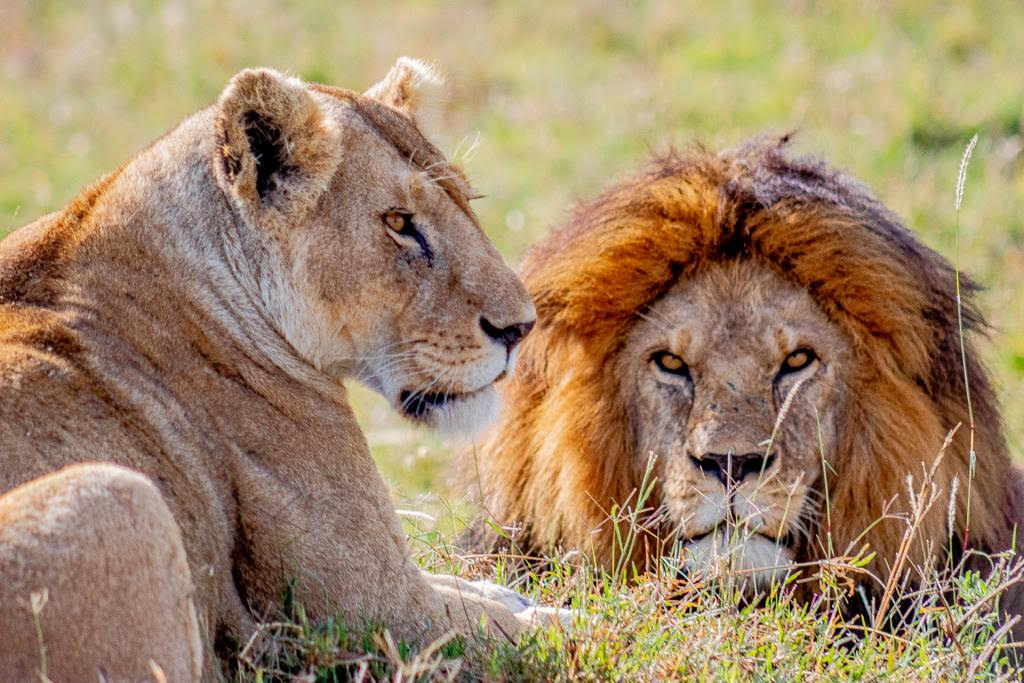
Nyerere National Park plays a crucial role in wildlife conservation, hosting a vast array of species, many of which are endangered. Its diverse ecosystems, ranging from dense forests to expansive savannahs, provide essential habitats for wildlife like elephants, lions, and African wild dogs. The park's size and ecological variety make it one of the most important protected areas in Africa.
Additionally, Nyerere National Park serves as a vital ecological buffer for the surrounding environment. Its riverine ecosystems, especially along the Rufiji River, support a thriving population of aquatic species, while the wetlands attract numerous migratory birds. This biodiversity hotspot helps to maintain ecological balance, offering a sanctuary for species at risk and contributing to Tanzania's efforts to preserve its natural heritage.
Visiting Nyerere National Park also contributes to sustainable tourism, which plays a significant role in funding conservation projects and supporting local communities. By attracting tourists from around the world, the park generates vital revenue that supports conservation programs, helps protect endangered species, and fosters eco-friendly development. For more information and to plan your visit, contact us via WhatsApp at +255754042154.
Tanzania Adventures
Nyerere National Park, formerly known as Selous Game Reserve, is one of the largest protected wildlife areas in Tanzania, covering an expansive 30,000 square kilometers. It is named after Julius Nyerere, the first president of Tanzania, and is renowned for its diverse ecosystems, rich wildlife, and conservation efforts. The park is a haven for travelers seeking an authentic safari experience, with its vast savannahs, dense forests, and winding rivers.
Nyerere National Park is located in the southern part of Tanzania, near the Selous Game Reserve. It spans several regions, including the Rufiji River Basin, and is accessible from Dar es Salaam, about 220 kilometers away. The park can be reached by road or air, with flights available to its main airstrips, offering visitors convenient access to this pristine wilderness.
The history of Nyerere National Park dates back to the 1900s when the area was initially established as the Selous Game Reserve in 1905. It was named after the British conservationist Frederick Selous, who was known for his exploration and wildlife studies. In 2019, the area was re-designated as Nyerere National Park in honor of Tanzania's first president, Julius Nyerere, who was instrumental in promoting wildlife conservation. Over the years, the park has been a focal point for conservation, education, and tourism, especially due to its unique ecosystems and diverse species.
Nyerere National Park is of great significance due to its biodiversity and its role in conservation. It is one of the largest and most ecologically rich national parks in Africa. The park is home to a variety of endangered species, such as the African wild dog and black rhino, and it provides vital habitats for a wide range of mammals, birds, and reptiles. Additionally, Nyerere National Park is an essential part of Tanzania's conservation efforts and supports sustainable tourism, which helps generate revenue for local communities and park preservation.
Nyerere National Park covers an impressive area of approximately 30,000 square kilometers, making it one of the largest game reserves in Africa. The park is vast and diverse, with varying landscapes ranging from dense forests and wetlands to open savannahs. Its size allows it to support a large population of wildlife, including elephants, lions, hippos, and crocodiles, making it a prime destination for safari enthusiasts.
Yes, Nyerere National Park is a UNESCO World Heritage site. In 1982, it was designated as a World Heritage Site due to its outstanding universal value in terms of biodiversity and conservation. The park's status as a UNESCO site underscores its importance as a conservation area and highlights its global significance as a sanctuary for wildlife and natural beauty.
The best time to visit Nyerere National Park is during the dry season, from June to October, when wildlife congregates around water sources, making animal sightings more frequent. During this period, the weather is also more comfortable for safaris, with less rain and cooler temperatures. However, visiting in the wet season (November to April) can also offer a unique experience, as the park becomes lush and green, and birdwatching is exceptional due to migratory species arriving.
Nyerere National Park features several distinct ecosystems, each contributing to its rich biodiversity. The park includes riverine ecosystems along the Rufiji River, where aquatic life thrives, as well as dry savannahs that host large herbivores and their predators. The dense miombo woodlands and forests are also a key feature, providing refuge for many bird species and primates. Additionally, wetlands and swamps in certain areas offer a haven for migratory birds and aquatic animals, further enhancing the park's ecological value.
The climate in Nyerere National Park is tropical, with a marked wet and dry season. The wet season occurs from November to April, characterized by heavy rains, particularly in March and April. During this time, temperatures range between 25°C to 30°C. The dry season, from May to October, is cooler and more pleasant for outdoor activities, with temperatures ranging from 20°C to 25°C. The dry season is also the best time for safaris, as animals are easier to spot around waterholes and rivers.
Nyerere National Park stands out from other game reserves in Tanzania due to its vast size, diverse ecosystems, and the fact that it is less crowded compared to the more popular parks like Serengeti or Ngorongoro Crater. The park offers a more secluded and exclusive safari experience, with abundant wildlife, especially elephants and hippos, and unique landscapes, including wetlands, savannahs, and forests. Unlike some other reserves, Nyerere also provides a more tranquil and off-the-beaten-path adventure, which attracts those looking for a true wilderness experience.
If you're eager to explore the natural beauty and wildlife of Nyerere National Park, Tanzania Adventures Group is the perfect choice for your safari adventure. With expert guides, well-organized tours, and tailored itineraries, Tanzania Adventures Group ensures an unforgettable experience in this UNESCO World Heritage site. Whether you're interested in game drives, birdwatching, or cultural interactions, traveling with Tanzania Adventures Group offers a seamless, safe, and enriching experience. Book your adventure today and immerse yourself in the stunning wilderness of Tanzania!