
Mahale Mountains National Park is of significant importance due to its unique biodiversity and its role in the conservation of wild chimpanzees. The park is home to one of the largest populations of wild chimpanzees in Africa, making it a crucial site for primate research. Scientists, including those from the Jane Goodall Institute, have been studying these chimpanzees for decades, providing valuable insights into their behavior, social structures, and conservation needs. Protecting this park is vital for the survival of these endangered primates.
In addition to its role in chimpanzee conservation, Mahale Mountains National Park is a critical ecological hotspot, supporting a variety of other species. The park's diverse ecosystems ranging from lush rainforests to the shores of Lake Tanganyika provide a habitat for a wide array of wildlife, including various species of monkeys, birds, and reptiles. This ecological richness contributes to the park's importance in preserving biodiversity in the region. The health of Mahale’s ecosystems also supports the surrounding communities by maintaining water quality and supporting livelihoods linked to sustainable tourism.
Mahale Mountains National Park plays an essential role in global conservation efforts, not just for its wildlife but also for its contribution to the scientific understanding of human evolution. As a visitor, your support helps fund ongoing research and conservation projects that benefit both the park's wildlife and the people of Tanzania. For more information on how you can visit and support this important park, contact Tanzania Adventures Group via WhatsApp at +255754042154 for personalized travel assistance and planning.
Tanzania Adventures
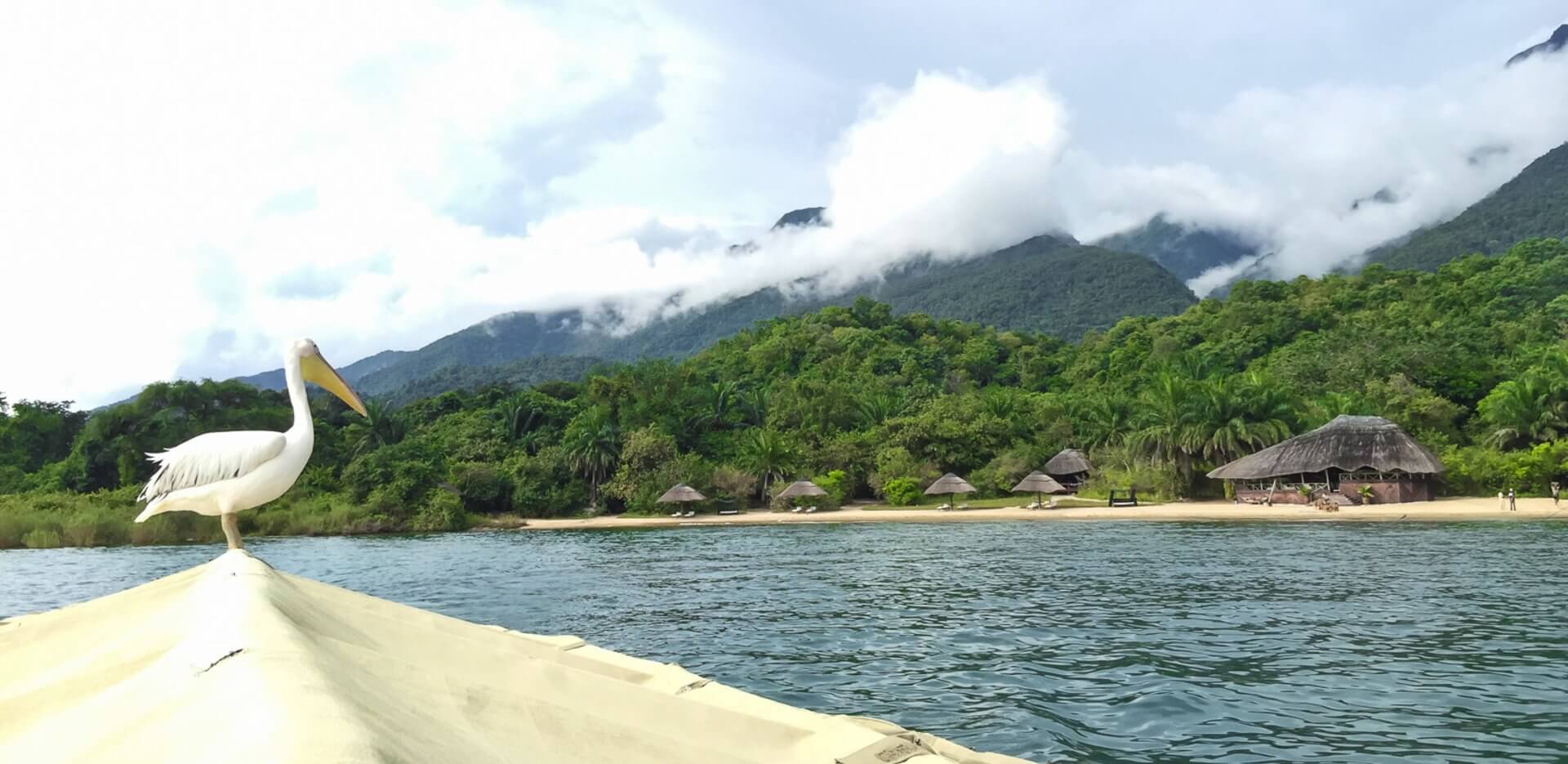
Mahale Mountains National Park is a stunning wildlife reserve located on the western shore of Lake Tanganyika in Tanzania. Known for its rich biodiversity and dramatic landscapes, this park is home to dense forests, rugged mountains, and pristine beaches along the lake. The park is perhaps most famous for its population of wild chimpanzees, which are closely studied by researchers from around the world. Mahale is a place of serenity and natural beauty, offering visitors an immersive experience in one of Africa's most remote and captivating environments.
Mahale Mountains National Park is situated in the far west of Tanzania, bordering Lake Tanganyika, one of the world’s deepest and oldest freshwater lakes. It is approximately 1,500 kilometers from Dar es Salaam, Tanzania’s commercial capital. The park lies in a secluded area near the town of Kigoma, which serves as the nearest access point. The location of Mahale Mountains National Park, tucked away in the remote western reaches of Tanzania, makes it a pristine destination for those seeking an off-the-beaten-path safari experience.
Mahale Mountains National Park covers an area of about 1,613 square kilometers (623 square miles). The park is known for its towering mountain ranges, which rise sharply from the shores of Lake Tanganyika. Its varied topography includes dense tropical forests, grasslands, and lakeside areas, offering a wide range of habitats for different species. The large size of the park provides ample space for wildlife to thrive, particularly the famous chimpanzees that inhabit the forested slopes.
Mahale Mountains National Park was established in 1985, although the area had been recognized for its conservation potential long before that. The park was set up to protect the unique ecosystem and the chimpanzee population in the region, following extensive research conducted by the Jane Goodall Institute. Since its establishment, Mahale has been a key site for primate research and has attracted conservationists, scientists, and tourists alike who are keen to explore its natural beauty and observe its wildlife.
Mahale Mountains National Park is critically important for both conservation and scientific research. It is home to one of the largest and most studied populations of wild chimpanzees, which are a key focus of global primate research. The park’s dense forests also shelter a variety of other species, some of which are endangered, making it a key site for biodiversity preservation. In addition, Mahale’s ecosystems are vital for maintaining the health of Lake Tanganyika, one of the world’s oldest and most biodiverse freshwater lakes.
Mahale Mountains National Park is not yet a UNESCO World Heritage Site, but it is a crucial area for biodiversity conservation. The park’s unique ecosystems, including its mountain forests and freshwater lake, play a significant role in the preservation of wildlife. While it is not officially designated as a World Heritage Site, it is recognized as a protected area of global importance due to its unique habitat and the ongoing conservation efforts to protect the chimpanzees and other species that live there.
What sets Mahale Mountains National Park apart is its combination of stunning landscapes and the opportunity to observe wild chimpanzees in their natural habitat. The park’s remote location ensures a truly immersive experience, with limited human activity and a focus on eco-tourism. Mahale’s diverse ecosystems, from the lakeside beaches to the dense forests and steep mountain slopes, make it an ideal destination for wildlife viewing, hiking, and photography. The park also offers a rare chance to engage in primate research activities and learn from scientists who have spent decades studying the chimpanzees.
Mahale Mountains National Park is home to a variety of ecosystems, ranging from the tropical rainforests of the foothills to the lush montane forests that cover the higher elevations. The park also features grasslands, wetlands, and the shores of Lake Tanganyika. These ecosystems support a wide range of wildlife, including the park's resident chimpanzees, various species of monkeys, birds, and amphibians. The diversity of habitats within the park makes it a haven for biodiversity and provides a rich environment for wildlife enthusiasts and researchers alike.
Mahale Mountains National Park experiences a tropical climate, characterized by warm temperatures year-round and seasonal rainfall. The wet season runs from November to April, with the heaviest rainfall typically occurring between March and May. During this time, the park’s lush forests are at their most vibrant. The dry season, from May to October, is ideal for wildlife viewing, as animals are more concentrated around water sources. The climate is influenced by the proximity to Lake Tanganyika, which moderates temperatures, creating a generally pleasant environment for visitors.
Mahale Mountains National Park is relatively remote and can be challenging to reach, but it is accessible with careful planning. Visitors typically travel to Kigoma by plane or train from Dar es Salaam, and from there, boat transfers are arranged to the park’s lakeside lodge. The park can also be accessed by small planes that land in the park’s airstrip. Due to its secluded location, Mahale offers a truly off-the-beaten-path experience, making it a unique and peaceful destination for nature lovers and adventure seekers.
Mahale Mountains National Park is one of Tanzania’s hidden gems, offering a truly unique experience for wildlife enthusiasts and adventurers. From trekking to see chimpanzees in the wild to exploring its breathtaking landscapes, Mahale is a destination like no other. To make the most of your visit to Mahale and ensure a smooth journey, travel with Tanzania Adventures Group. We specialize in organizing personalized tours to Mahale, taking care of all logistics, including accommodation, transportation, and guided activities. Contact us today via WhatsApp at +255754042154 for more information and to plan your adventure!