
Yes, leopards are found in Ruaha National Park. While they are elusive and harder to spot than other animals, leopards are one of the park’s key predators. These solitary cats tend to favor the park’s dense woodlands, riverine forests, and rocky outcrops, making them a perfect fit for Ruaha's varied landscapes. Although leopards are often more active at night or during dawn and dusk, they can sometimes be spotted during daylight hours, especially if you’re lucky enough to be on a guided safari with an experienced tracker.
Ruaha’s low tourist traffic and vast, remote landscapes make it an excellent location for leopard sightings, away from the more crowded safari areas. Leopards in Ruaha are known for their graceful movements and their ability to camouflage, making them a rewarding sight for those who are patient and attentive. Whether you're a wildlife photographer or a safari enthusiast, a leopard sighting in Ruaha is truly special.
For the best chance of spotting leopards in Ruaha National Park, consider booking a safari with Tanzania Adventures Group. Our expert guides know the best areas for leopard sightings and will ensure that you have an unforgettable wildlife experience. Contact us today on WhatsApp at +255754042154 to book your safari and get more information on leopard sightings and other wildlife encounters!
Tanzania Adventures
Ruaha National Park is located in the central part of Tanzania, covering approximately 20,226 square kilometers (7,809 square miles). It is one of the largest national parks in the country and is situated to the southwest of Iringa, which is around 130 kilometers (80 miles) away. The park is well-known for its remote location and is less visited than some of Tanzania’s other famous national parks, making it an ideal destination for those looking for a more secluded safari experience.
Ruaha National Park spans an impressive 20,226 square kilometers (7,809 square miles), making it Tanzania’s second-largest national park. Its vast size offers a diverse range of ecosystems, from savannas and grasslands to woodlands and riverine forests. This immense area allows for abundant wildlife populations and provides ample opportunities for visitors to explore the park’s numerous habitats, ensuring a unique safari experience.
The best time to visit Ruaha National Park is during the dry season, which runs from June to October. During these months, the wildlife is easier to spot as animals gather around water sources, and the vegetation is less dense. The weather is generally sunny, making for perfect safari conditions. However, the rainy season (from November to May) offers its own charm with lush landscapes and fewer tourists, so if you prefer a more peaceful experience, this time may also be ideal.
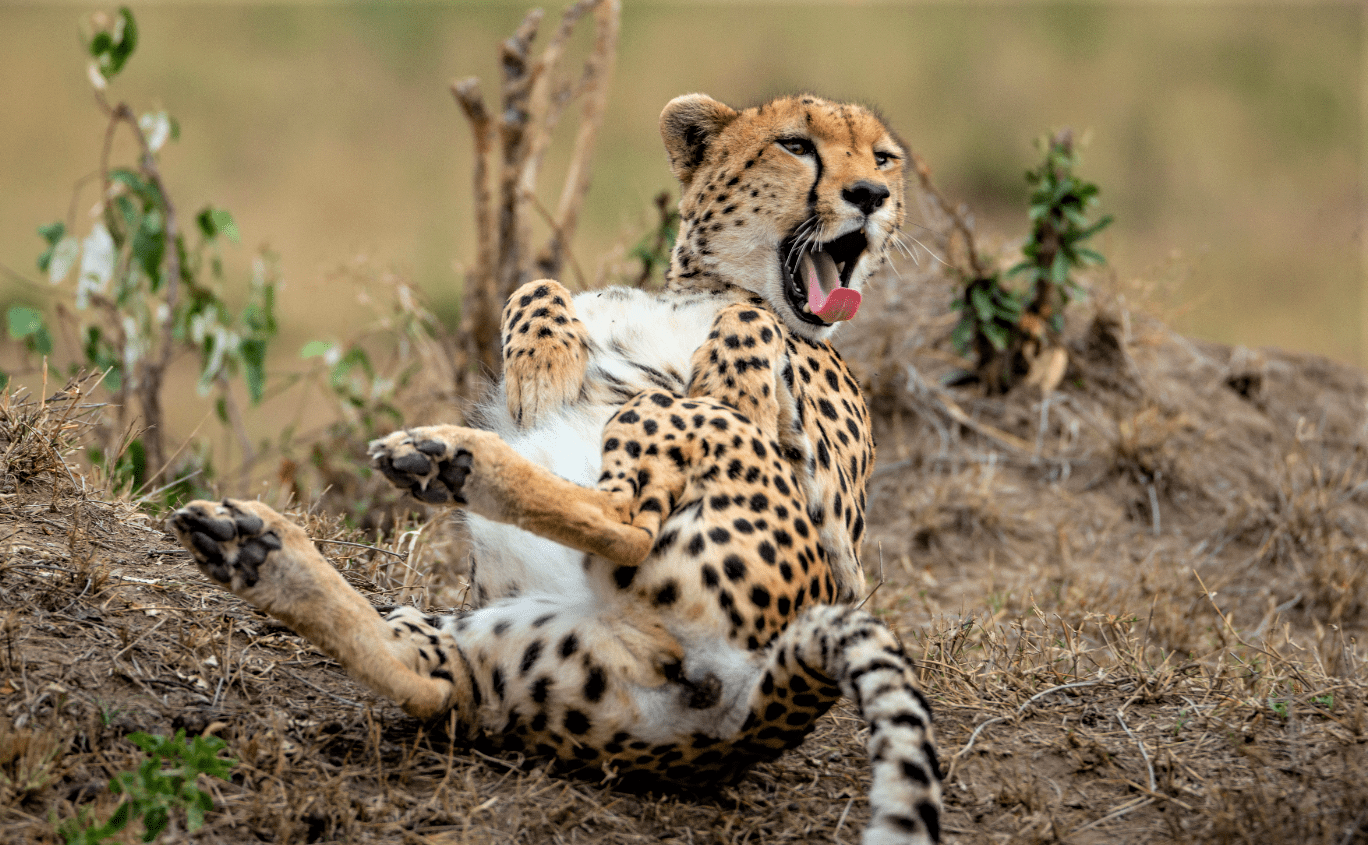
Ruaha National Park is home to an incredibly diverse range of wildlife. Visitors can expect to see large herds of elephants, buffalo, giraffes, and antelopes. It is also famous for its predator populations, including lions, leopards, and cheetahs. The park's varied landscapes and remote location provide a haven for both common and rare species, making it a must-visit for wildlife enthusiasts.
Yes, lions are one of the top predators in Ruaha National Park. The park is home to one of the largest populations of lions in Tanzania, and they are frequently seen during game drives. Lions in Ruaha tend to live in larger prides compared to other parks, taking advantage of the park's diverse ecosystems, which support abundant prey. A lion sighting here is often more intimate and less crowded, offering an exceptional wildlife experience.
Ruaha National Park is renowned for its large elephant population. The park is one of the best places in Tanzania to see elephants, with herds frequently spotted near the park’s many rivers and waterholes. The dry season is particularly ideal for elephant sightings, as they congregate around the shrinking water sources. The sight of these majestic creatures roaming in the wild is one of the highlights of a visit to Ruaha.
The best time to see elephants in Ruaha National Park is during the dry season, from June to October. As the park’s water sources dry up, elephants gather around the rivers and waterholes, making it easier to spot large herds. This is a peak time for wildlife viewing in the park, as animals are more concentrated near water, providing incredible opportunities for close-up encounters.
Yes, you can see the Big Five in Ruaha National Park. While the park is known for its lions, elephants, and leopards, it also hosts large populations of buffalo and, occasionally, rhinos. Although rhino sightings are rare in Ruaha (as they are more common in other parks like Ngorongoro Crater), the park offers a chance to see four of the Big Five in one location, along with abundant other wildlife.
Leopards are found in Ruaha National Park and are one of the park’s elusive and sought-after residents. While leopard sightings can be more challenging due to their solitary and nocturnal nature, they are present throughout the park, particularly in the riverine forests and rocky outcrops. With patience and a skilled guide, you may have the opportunity to spot these graceful predators in their natural habitat.
Ruaha National Park is a paradise for birdwatchers, with over 570 species of birds recorded in the park. Notable species include the endangered African wild dog, various species of vultures, and the beautiful lilac-breasted roller. The park’s varied landscapes, including riverbeds, savannas, and woodlands, create diverse habitats that attract both migratory and resident bird species. Birdwatching in Ruaha is a rewarding experience for enthusiasts, with opportunities to spot rare and colorful species year-round.
At Tanzania Adventures Group, we offer expertly guided tours of Ruaha National Park and other incredible destinations across Tanzania. Whether you're a seasoned wildlife enthusiast or a first-time safari traveler, we provide personalized itineraries that match your interests and comfort level. Our experienced guides ensure you make the most of your time in the park, offering in-depth knowledge about the wildlife and ecosystems. For a truly unforgettable Tanzanian adventure, contact us today via WhatsApp at +255754042154 and start planning your safari!