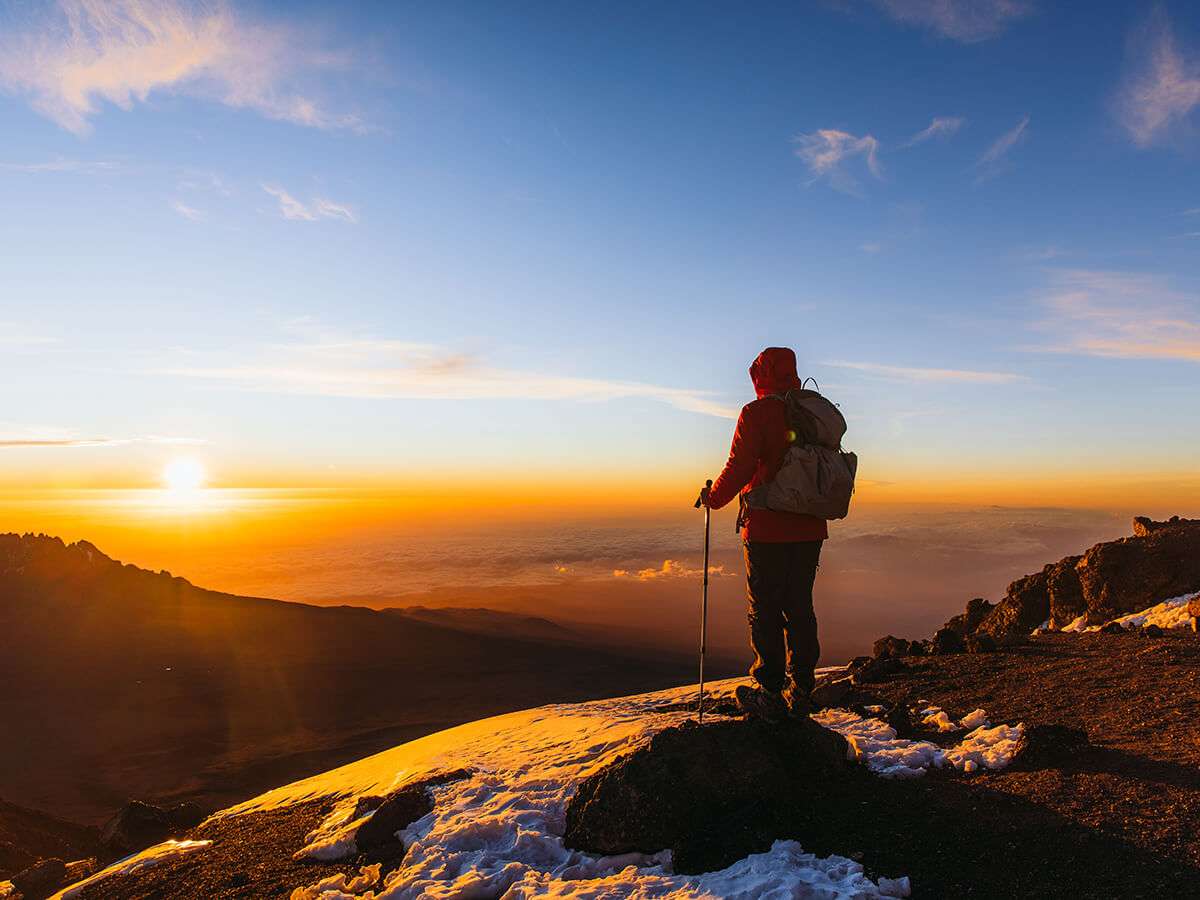
Yes, Kilimanjaro is generally safe for solo travelers, especially when trekking with a reputable company like Tanzania Adventures Group. Solo trekkers can enjoy the adventure of climbing Africa's highest peak while being supported by a professional team. We provide experienced guides, porters, and all necessary safety equipment to ensure that solo travelers are well taken care of throughout the journey. Whether you're a first-time trekker or an experienced mountaineer, our team is here to provide you with the guidance and assistance you need at every step of the climb.
can enjoy the adventure of climbing Africa's highest peak while being supported by a professional team. We provide experienced guides, porters, and all necessary safety equipment to ensure that solo travelers are well taken care of throughout the journey. Whether you're a first-time trekker or an experienced mountaineer, our team is here to provide you with the guidance and assistance you need at every step of the climb.When trekking solo, it's important to have the right support and logistics in place. With Tanzania Adventures Group, you will never be alone on the mountain. Our guides are highly trained in both trekking and emergency situations, ensuring your safety and comfort. We also manage all the necessary arrangements, such as permits, transportation, and accommodations, so you can focus on enjoying the experience. Solo travelers are welcome to join group treks or opt for a private experience, depending on their preferences.
If you're planning to travel alone and want more information about trekking Kilimanjaro safely, feel free to reach out to us via WhatsApp at +255754042154. Tanzania Adventures Group is dedicated to providing you with a safe and unforgettable Kilimanjaro adventure!
Tanzania Adventures
Altitude sickness is a common concern for trekkers on Mount Kilimanjaro, as the altitude can reach over 5,895 meters (19,341 feet) at the summit. At Tanzania Adventures Group, we take altitude sickness very seriously and have a well-defined approach to managing it. Our expert guides monitor all trekkers closely for signs of altitude sickness, including headaches, dizziness, nausea, or difficulty breathing. To prevent and manage symptoms, we follow a gradual ascent plan, allowing adequate time for acclimatization. If symptoms worsen, we will take immediate action by lowering your altitude to a safer level and, if needed, providing supplemental oxygen. Your health and safety are our top priority.
Yes, all guides with Tanzania Adventures Group are trained in basic first aid and are prepared to handle medical emergencies on the mountain. They undergo rigorous training to recognize and manage common trekking-related issues, including altitude sickness, dehydration, and injuries. In addition to first aid training, our guides are familiar with the symptoms of more serious conditions, such as severe altitude sickness, and are equipped to take appropriate action. Should an emergency arise, our guides will be able to assist or coordinate evacuation procedures swiftly to ensure your safety.
Our Kilimanjaro trek teams carry a range of essential safety equipment to ensure your trek is as safe as possible. This includes first aid kits, communication devices like radios, emergency oxygen supplies, and a satellite phone for remote communication. We also carry extra trekking poles, gloves, and other equipment that might be needed to respond quickly to any safety concerns. The goal is to be prepared for any situation, whether it's a medical emergency or a change in weather conditions. With Tanzania Adventures Group, you're in good hands every step of the way.
Oxygen is typically not required for most trekkers on Kilimanjaro, but it can be a lifesaver in cases of severe altitude sickness. While oxygen is available in emergency situations, it’s generally used sparingly. Our trek itinerary is designed to allow gradual acclimatization, reducing the likelihood of needing oxygen. However, in the event that a trekker develops serious symptoms of altitude sickness, supplemental oxygen can be administered by our trained guides to help alleviate symptoms and improve the situation. Tanzania Adventures Group always prioritizes your health and well-being, making oxygen available when necessary.
Yes, Tanzania Adventures Group has a well-structured rescue plan in place in case of emergencies. Our team is equipped with satellite phones and two-way radios to ensure communication at all times. In case of a serious emergency, we can quickly coordinate with local authorities for evacuation. Evacuation plans are well-rehearsed and include descending to lower altitudes or arranging for helicopter rescues if necessary. Our guides are trained to act swiftly and efficiently to manage any situation, ensuring that help is always on hand when needed.
If you begin to feel unwell during your trek, it is important to inform your guide immediately. Our guides are trained to recognize the early symptoms of altitude sickness and other trekking-related issues. By notifying them early, they can take the necessary steps to address the issue, such as adjusting the trek's pace, taking rest breaks, or descending to a lower altitude. If you’re experiencing symptoms of illness, your safety is our priority, and we’ll work together to make sure you are well cared for.
Yes, you are welcome to bring your own medication on your Kilimanjaro trek. If you are on prescription medications, it is essential to bring enough for the entire trek, as well as a copy of your prescription. Additionally, it is recommended to bring common over-the-counter medications for headaches, nausea, and stomach upsets, as well as any other personal medications you may require. Our guides are also equipped with basic first aid supplies, but having your own medication can be helpful, especially for managing pre-existing conditions. Be sure to consult with your doctor before your trek to ensure that you’re fully prepared.
Yes, Mount Kilimanjaro is generally safe for solo travelers, especially when booked with a reputable tour operator like Tanzania Adventures Group. While some trekkers choose to join a group trek for added support and companionship, solo travelers are also welcome. We provide full support, including an experienced guide, porters, and necessary safety equipment. You’ll be part of a well-coordinated and guided group, ensuring your safety, comfort, and enjoyment throughout the journey. Our guides will be there every step of the way to assist you, ensuring you have a safe and memorable experience.
While Mount Kilimanjaro is home to a variety of wildlife, such as monkeys, birds, and small mammals, encounters with dangerous wild animals are extremely rare during the trek. Most animals are found at lower altitudes, and the higher you go, the less likely you are to encounter wildlife. However, our guides are trained in handling any wildlife situations that may arise, ensuring that trekkers stay safe. Tanzania Adventures Group ensures that all safety measures are in place to avoid any close encounters with wildlife, and your focus will remain on the incredible trek ahead.
Dehydration is a common concern when trekking at high altitudes, so it is essential to drink plenty of water throughout your Kilimanjaro trek. Our guides will remind you to hydrate regularly, and we’ll provide clean water at each campsite. It’s important to drink water even if you don’t feel thirsty, as the dry air on the mountain can easily lead to dehydration. We recommend drinking around 3-4 liters of water a day. In addition to water, we provide electrolyte supplements to help maintain your body’s fluid balance. By staying well-hydrated, you’ll have more energy and reduce the risk of altitude sickness.
Your safety, health, and well-being are of the utmost importance at Tanzania Adventures Group. We go to great lengths to ensure that you have a safe, comfortable, and memorable experience while trekking Kilimanjaro. With well-trained guides, emergency procedures in place, and proper equipment for managing altitude sickness and other potential risks, you can focus on enjoying the adventure. Book your trek today and let us guide you to the summit of Africa's highest peak with confidence and security!