
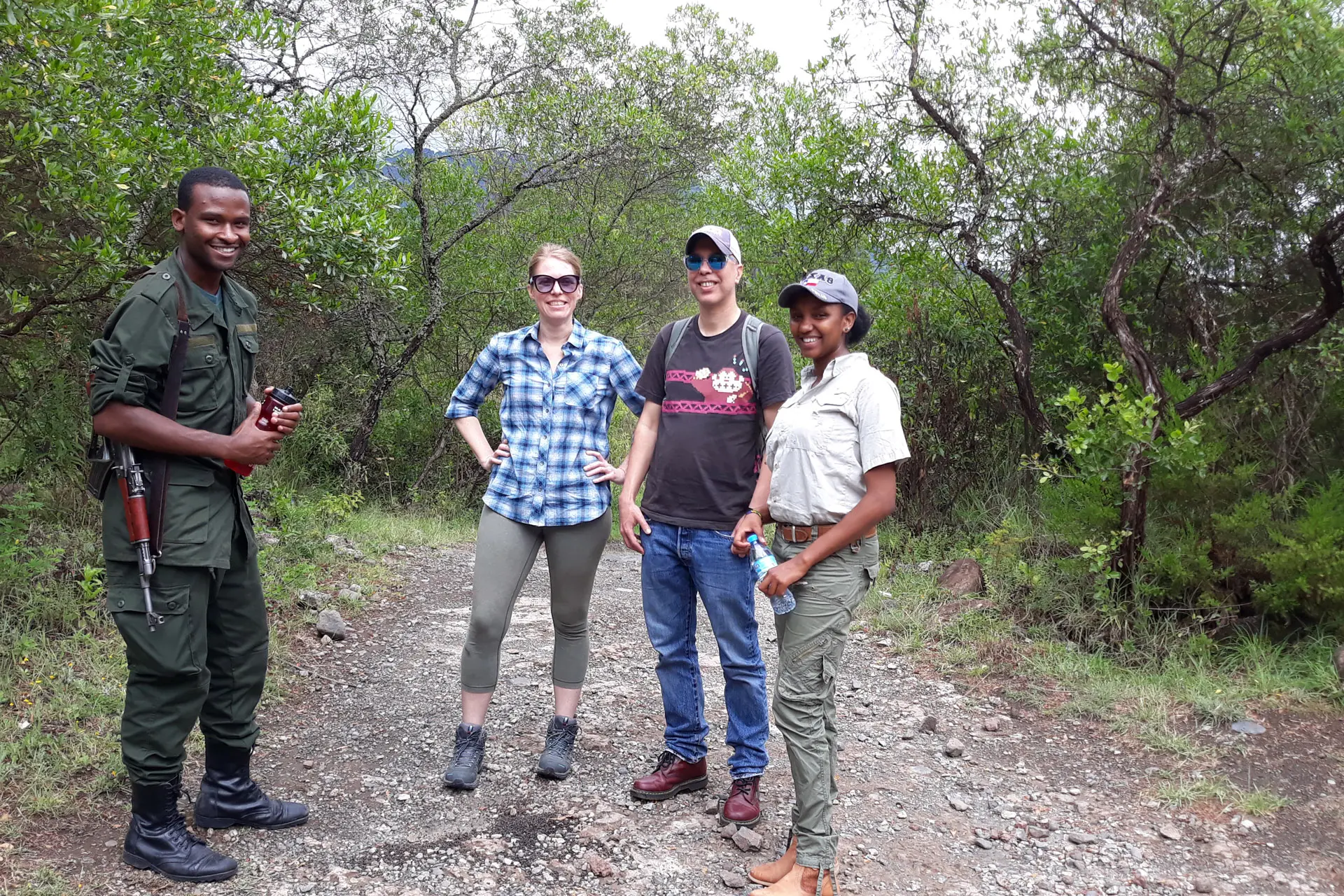
Walking safaris in Tanzania are a unique and exciting way to experience the country's wildlife up close. With the guidance of professional, experienced safari guides, walking safaris are generally very safe. These guides are trained in animal behavior, wilderness survival, and emergency procedures, ensuring your safety while providing an educational and immersive experience in the wild.
On a walking safari, safety is always a priority. You'll be led by an expert guide who will assess potential risks, keep you at a safe distance from wildlife, and teach you how to behave in the presence of dangerous animals. As long as you follow your guide’s instructions and respect the environment, a walking safari can be an unforgettable and safe adventure through Tanzania’s stunning landscapes.
For more information on booking a walking safari in Tanzania, contact Tanzania Adventures Group. We’ll help plan a safe and exciting safari experience tailored to your needs. Reach us via WhatsApp at +255754042154 to get started on your journey today!
Tanzania Adventures
Walking safaris in Tanzania provide an intimate and thrilling way to explore the wild. Unlike traditional game drives, a walking safari allows you to immerse yourself in the environment and experience the wilderness up close. However, the question many travelers have is: “Is it safe to do a walking safari in Tanzania?” The answer is yes, but there are important factors to consider for your safety and enjoyment. With expert guides and proper precautions, walking safaris can be a safe and rewarding experience. Let’s explore the safety aspects and why a walking safari in Tanzania is a must-do for adventurous travelers.
While game drives are the most popular way to see wildlife in Tanzania, a walking safari offers a completely different experience. Walking safaris are often conducted in Tanzania’s most iconic parks, like the Serengeti, Tarangire, and the Selous Game Reserve. Walking allows you to connect with nature and see things you would miss from a vehicle, such as animal tracks, insects, and plant life. It’s an educational experience that combines adventure, wildlife viewing, and learning about the ecosystem from an expert guide.
Safety is a top priority during a walking safari, and the key to a safe experience lies in having an experienced, professional guide. In Tanzania, walking safaris are always led by certified guides with extensive knowledge of the local wildlife and terrain. These guides are trained in animal behavior, wilderness survival, and emergency response. With a guide by your side, you’ll not only be safe but will also learn about the natural world in a way that a vehicle safari can’t provide.
Some of the best places for walking safaris in Tanzania include iconic parks like the Serengeti National Park, Ngorongoro Crater, Tarangire National Park, and the Selous Game Reserve. These parks offer guided walks through varied landscapes, from savannahs and forests to wetlands and hills. Tanzania Adventures Group specializes in tailoring walking safaris to your interests and fitness levels, ensuring a personalized and safe experience in some of the most beautiful wilderness areas in the world.
While walking safaris are generally safe, there are precautions that need to be taken to ensure your safety. First and foremost, the presence of a guide is essential. Guides are highly trained to assess risks and ensure that you are safe throughout your walk. They will also carry the necessary safety equipment, including a radio to communicate with camp and rangers in case of emergency. Additionally, guides ensure you maintain a safe distance from wildlife and teach you how to behave in the presence of dangerous animals.
On a walking safari, the risk of encountering dangerous wildlife is a reality. Tanzania is home to some of Africa’s most dangerous animals, including lions, elephants, and buffaloes. However, the chances of a dangerous encounter are minimal when you are with an experienced guide. Guides know animal behavior and how to read the signs in nature. They can often predict the movements of animals and adjust the route to avoid dangerous situations. If a close encounter with wildlife does occur, guides are trained to manage the situation calmly and effectively.
Proper clothing and equipment are important for both safety and comfort during a walking safari in Tanzania. Comfortable, lightweight clothing is recommended, preferably in neutral colors like khaki or brown, to blend in with the surroundings. Sturdy hiking boots are a must to protect your feet while walking on uneven terrain. A hat, sunscreen, and insect repellent are also essential. It’s important to stay hydrated, so carrying a refillable water bottle is recommended. Your guide will provide any additional gear you may need.
Walking safaris can be physically demanding, depending on the terrain and the length of the hike. It’s important to assess your fitness level before committing to a walking safari. While you don’t need to be an expert hiker, being in good physical health will ensure you have a comfortable and enjoyable experience. If you have any health concerns, discuss them with your tour operator before booking a walking safari. Tanzania Adventures Group offers personalized safari itineraries and will work with you to select the right safari for your fitness level and interests.
The best time to go on a walking safari in Tanzania is during the dry season, from June to October. During this period, wildlife tends to congregate around water sources, making it easier to spot animals. The dry season also means there are fewer mosquitoes, reducing the risk of malaria. The weather is cooler during these months, which is ideal for walking. However, walking safaris can be done year-round, depending on the region and the specific conditions of the park.
While a traditional game drive is a thrilling way to see wildlife from the comfort of a vehicle, a walking safari offers a completely different experience. Game drives allow you to cover more ground and observe wildlife from a distance, but walking safaris offer a more personal, immersive experience. On foot, you can explore smaller details of the ecosystem,