Climbing Kilimanjaro is an incredible adventure, but it's essential to be prepared for emergencies. Familiarize yourself with common issues such as altitude sickness, sudden weather changes, and injuries. Always communicate openly with your climbing team and follow your guide’s advice to ensure a safe experience.
In the event of altitude sickness, recognizing symptoms early is crucial. If you or a teammate experiences severe headaches, nausea, or dizziness, descend immediately and seek help. Staying hydrated and maintaining good nutrition throughout the climb can also help mitigate risks associated with altitude sickness.
Always carry a basic first aid kit and have emergency contacts readily available. In case of an injury or severe weather, knowing how to reach your guide and follow evacuation procedures can be lifesaving. For more tips and support, feel free to reach out via WhatsApp at +255754042154.
Tanzania Adventures
Climbing Kilimanjaro is an exhilarating adventure, but it's essential to be prepared for emergencies. Understanding how to handle unexpected situations can be the difference between a safe climb and a disastrous experience. The first step is to familiarize yourself with the most common emergencies that climbers face, such as altitude sickness, severe weather, and injuries.
Altitude sickness is the most critical concern for climbers. Symptoms can range from mild headaches to severe complications. It's crucial to recognize these symptoms early and descend immediately if they worsen. Make sure to communicate openly with your guide and fellow climbers about how you’re feeling, as early detection is key to preventing serious issues.
Weather conditions on Kilimanjaro can change rapidly. Always check the forecast and be prepared for rain, snow, or extreme cold, especially at higher altitudes. Carry essential gear like a waterproof jacket and thermal clothing. In case of a sudden storm, find shelter, stay calm, and avoid making rash decisions. Your guide will have a plan for such situations, so trust their judgment.
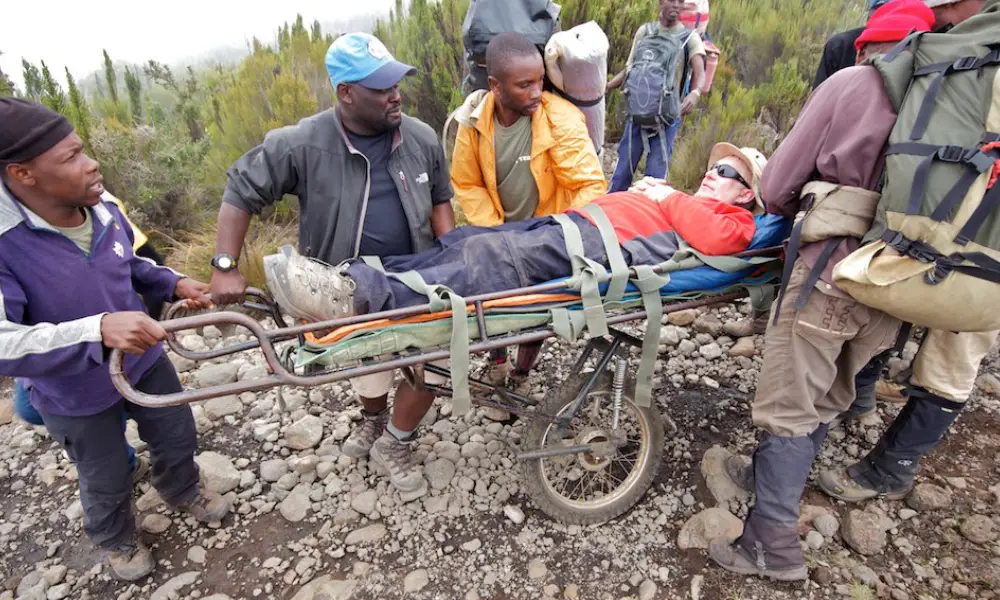
Injuries can happen on the trail due to slips, falls, or altitude-related issues. Always carry a basic first aid kit and know how to use its contents. If you or a teammate is injured, assess the situation carefully. Administer first aid as needed and inform your guide, who will decide whether to continue or turn back.
It's also wise to have emergency contacts saved on your phone and a portable power bank to keep your devices charged. Keep in mind that cell service may be limited in some areas, so have a backup plan in case you need to communicate with someone.
Ensure you are well-informed about evacuation procedures before starting your climb. Tanzania Adventures Group provides comprehensive briefings on emergency protocols, including how to reach the nearest hospital and the process for air evacuation if necessary. Being aware of these procedures can provide peace of mind and enhance your safety.
Maintaining communication with your guide and team is crucial during an emergency. Always stay within sight of your group and ensure everyone is accounted for. If someone is missing or has fallen behind, alert your guide immediately.
During your preparation, consider investing in a satellite phone or a personal locator beacon (PLB) for added safety. These devices can be invaluable in emergencies, allowing you to call for help even when cell service is unavailable.
Stay hydrated and well-nourished throughout your climb. Dehydration and lack of energy can exacerbate the effects of altitude sickness and increase the likelihood of accidents. Carry enough water and high-energy snacks to keep you fueled.
Finally, remember that your mental state plays a vital role in handling emergencies. Stay calm and focused, and don’t hesitate to ask for help if you need it. The mountain can be unpredictable, but with the right mindset and preparation, you can navigate any challenges that arise.
With the proper preparation and awareness, you can significantly reduce the risks of emergencies while climbing Kilimanjaro. For further guidance and support, reach out to Tanzania Adventures Group, and let us help you have a safe and enjoyable climbing experience.