Stay Hydrated on Kilimanjaro - When trekking Mount Kilimanjaro, it's essential to prioritize hydration. On average, you should aim to drink 3 to 4 liters of water each day. However, individual needs may vary based on your weight, exertion level, and altitude. Staying adequately hydrated helps prevent altitude sickness and keeps your energy levels up.
Monitor Your Hydration - As you ascend, your body loses moisture more quickly due to the dry air and increased exertion. It's important to drink small amounts regularly, even if you don't feel thirsty. Pay attention to the color of your urine; pale yellow indicates proper hydration, while darker shades signal the need for more water.
Plan Ahead for Water Sources - You’ll find opportunities to refill your water at various campsites along the trek. Many trekking companies provide treated water, but it's wise to bring purification tablets as a backup. For any questions or to book your Kilimanjaro adventure, feel free to contact us via WhatsApp at +255754042154.
Tanzania Adventures
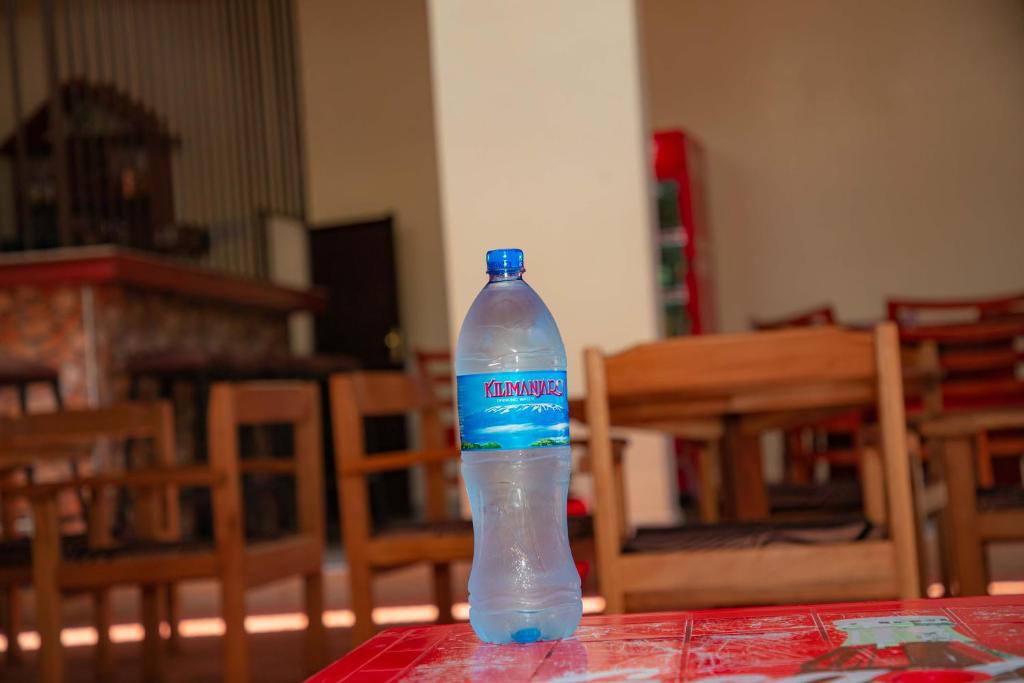
Staying hydrated is crucial when trekking Mount Kilimanjaro, one of Africa's highest peaks. Many trekkers ask, how much water should I drink on Kilimanjaro? Understanding your hydration needs can significantly enhance your trekking experience.
As a general guideline, it’s recommended to drink at least 3 to 4 liters of water each day while trekking. However, individual needs may vary based on factors such as your weight, altitude, and level of exertion. Monitoring your hydration is vital to prevent altitude sickness and fatigue.
While you may feel less thirsty at higher altitudes, your body loses moisture more rapidly due to dry air and increased breathing rates. Therefore, it’s essential to drink water consistently, even if you don't feel thirsty.
On Kilimanjaro, you’ll have the opportunity to refill your water supply at various campsites. Many trekking companies, including Tanzania Adventures Group, provide safe water for drinking, often treated with purification tablets. Always confirm with your guide about the water sources along your route.
In addition to water, consider bringing electrolyte tablets or powders to add to your drink. These can help replenish lost minerals and keep your energy levels up during strenuous hikes.
Pay attention to the color of your urine as an indicator of hydration. A pale yellow color typically signifies proper hydration, while dark urine can indicate dehydration. Adjust your water intake accordingly based on these signs.
When planning your water intake, try to drink small amounts regularly instead of waiting until you're thirsty. Setting reminders to drink can be helpful, especially during long hikes.
Carrying a hydration system, like a CamelBak or water bladder, can make it easier to sip water on the go. Alternatively, using a reusable water bottle can also work well, provided it’s easily accessible.
Be aware of the symptoms of dehydration, which can include dizziness, headache, and fatigue. If you experience these symptoms, increase your water intake immediately.
As you ascend Kilimanjaro, your body will need more water to adjust to the altitude. Therefore, it's wise to increase your intake gradually as you climb higher. This will help your body acclimatize effectively.
Ultimately, your hydration strategy should be tailored to your personal needs and the specific conditions you encounter on the mountain. Always consult with your trekking company for guidance on hydration practices.
For more information on preparing for your Kilimanjaro adventure, or to plan your trek with Tanzania Adventures Group, feel free to reach out to us!