Training for High Altitude - Preparing your body for high-altitude climbing is essential for a successful trek. Start your training at least 8 to 12 weeks in advance, focusing on cardiovascular fitness, strength training, and hiking on varied terrains to build endurance.
Gradual Acclimatization - Incorporate gradual exposure to higher altitudes in your training plan. This helps your body adjust to lower oxygen levels, reducing the risk of altitude sickness when you climb mountains like Kilimanjaro.
Expert Guidance - For personalized training advice and support, connect with Tanzania Adventures Group. We can help you prepare effectively for your adventure! For inquiries, reach us via WhatsApp at +255754042154!
Tanzania Adventures
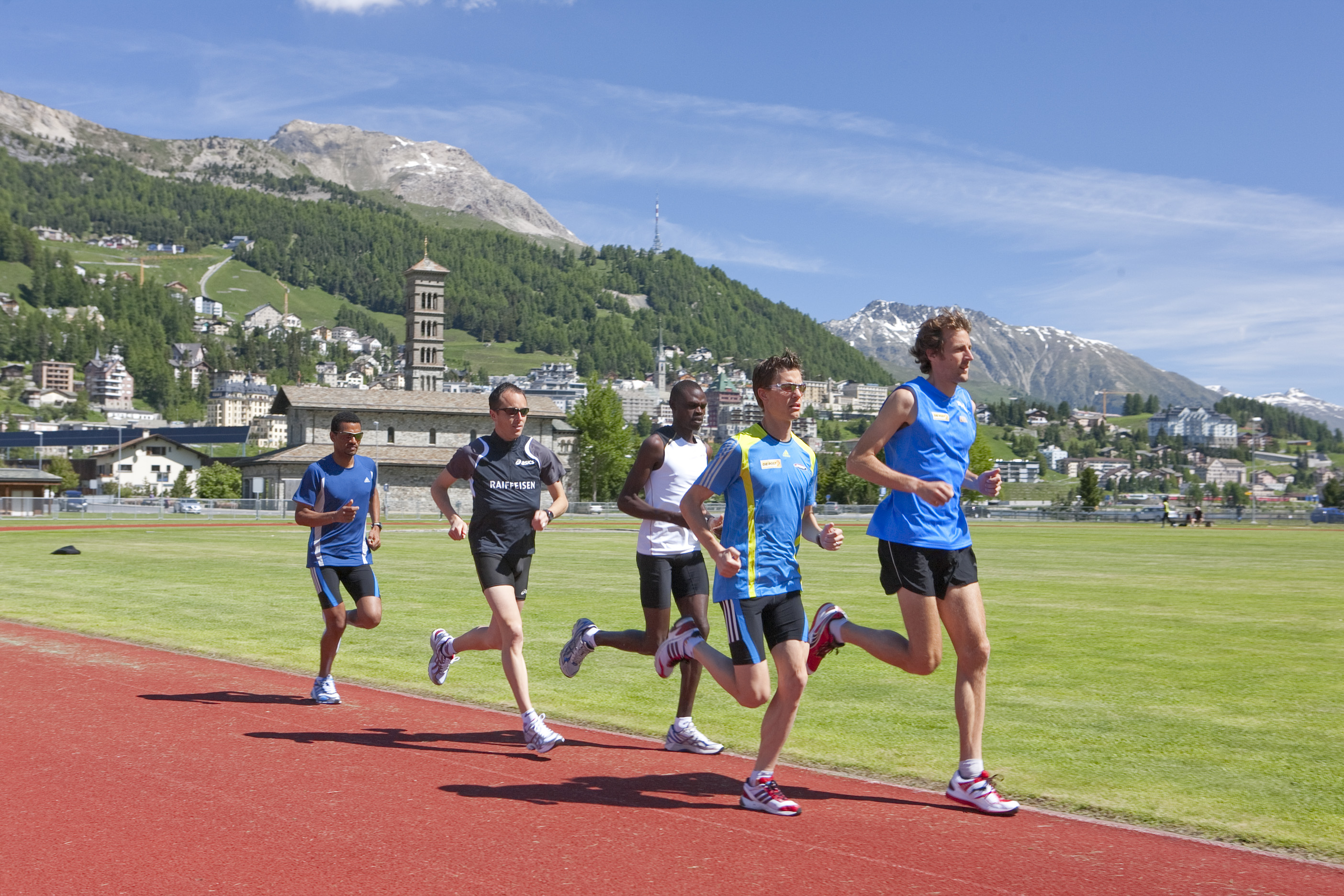
Training for high-altitude climbing is essential for ensuring your body can handle the challenges of reduced oxygen levels and strenuous physical activity. Here are effective strategies to prepare your body for a successful adventure on mountains like Kilimanjaro.
1. Start Early - Begin your training at least 8 to 12 weeks before your trip. This timeframe allows your body to adapt gradually to the increased physical demands and helps improve your cardiovascular fitness.
2. Incorporate Cardiovascular Exercise - Focus on aerobic activities like running, cycling, swimming, or hiking. Aim for at least 3-5 sessions per week, gradually increasing the duration and intensity to build stamina and endurance.
3. Include Strength Training - Strength training is crucial for building muscle and supporting your joints. Incorporate exercises targeting your legs, core, and upper body, such as squats, lunges, deadlifts, and planks, at least twice a week.
4. Practice Hiking - Since climbing Kilimanjaro involves significant elevation gain, practice hiking on varied terrains. Incorporate inclines and uneven surfaces into your training to simulate the conditions you’ll face on the mountain.
5. Use a Weighted Backpack - Train with a weighted backpack to mimic the load you’ll carry during your climb. Start with a light load and gradually increase the weight as you build strength and endurance.
6. Focus on Interval Training - Incorporate high-intensity interval training (HIIT) into your routine. This approach can boost your aerobic capacity and improve your ability to handle bursts of exertion, which is beneficial when navigating steep sections of the trail.
7. Practice Breathing Techniques - Learn and practice deep breathing techniques to improve your lung capacity and oxygen intake. Controlled breathing can help your body adapt to high-altitude conditions.
8. Gradual Exposure to Altitude - If possible, spend time at higher altitudes before your climb. Gradually exposing your body to less oxygen helps improve acclimatization and reduces the risk of altitude sickness during your trek.
9. Stay Hydrated - Hydration is crucial for performance and acclimatization. Drink plenty of water during your training sessions, and maintain hydration levels during your climb to help prevent altitude sickness.
10. Nutrition Matters - Fuel your body with a balanced diet rich in carbohydrates, proteins, and healthy fats. Focus on nutrient-dense foods to support your training and overall health leading up to your adventure.
11. Listen to Your Body - Pay attention to how your body responds to training. If you experience pain or fatigue, allow yourself adequate rest and recovery to prevent injury and burnout.
12. Seek Professional Guidance - Consider working with a fitness trainer who specializes in high-altitude training. Professional guidance can help you create a tailored training plan that meets your specific needs and goals.
In conclusion, training for high altitude involves a combination of cardiovascular fitness, strength training, and gradual acclimatization. For expert support and guidance during your Kilimanjaro adventure, consider Tanzania Adventures Group. We’re here to help you prepare for a successful summit!