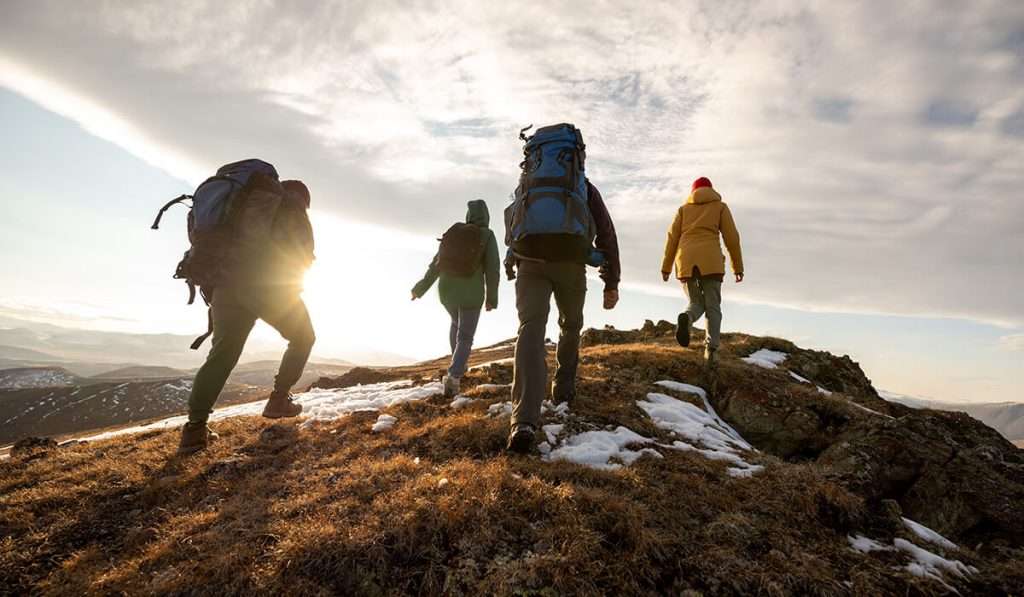
Training for the Kilimanjaro trek is essential to ensure you’re physically prepared for the challenge ahead. While you don’t need to be an elite athlete, it’s important to build stamina, strength, and endurance. Start by incorporating regular aerobic exercises, such as hiking, walking, or running, into your routine. Gradually increase the duration and intensity of your workouts, and include some hill training to simulate the mountain terrain. The goal is to prepare your body to walk for several hours a day over multiple days, as you’ll be trekking in varied conditions.
In addition to aerobic exercises, strength training for your legs and core is crucial. Focus on exercises like squats, lunges, and step-ups to build leg strength. Your core muscles will also play a role in maintaining balance during the trek, so add exercises like planks and side lunges. Finally, practicing with a loaded backpack during your training will help you get used to carrying weight during the climb. For best results, aim to train at least 3-4 times a week in the months leading up to your trek.
If you need more personalized training advice or have questions about your preparation, feel free to contact us via WhatsApp at +255754042154. Our team at Tanzania Adventures Group is here to support you and ensure that you're fully prepared for your Kilimanjaro adventure!
Tanzania Adventures
The level of fitness required for climbing Mount Kilimanjaro varies depending on the route and your pace, but generally, a moderate level of fitness is recommended. You don’t need to be an elite athlete, but it’s important to be in good physical condition, with the ability to walk for several hours a day over multiple days. Cardiovascular fitness, strength in your legs, and endurance are key components. Hiking, walking, and stamina-building exercises are excellent preparation. With Tanzania Adventures Group, our expert guides will be with you every step of the way, ensuring you have the best possible experience no matter your fitness level.
Training for a Mount Kilimanjaro trek should focus on building stamina, strength, and endurance. We recommend regular aerobic exercises like hiking, walking, or jogging to build cardiovascular fitness. If possible, try to hike with a weighted backpack to simulate the conditions of the trek. Focus on strengthening your legs, especially your calves, quadriceps, and hamstrings, as these muscles will be engaged throughout the climb. Additionally, incorporate core and upper body strength exercises to help with balance and carrying your gear. Gradually increase the intensity and duration of your training sessions as your trek approaches, and always include rest days to prevent injury. Tanzania Adventures Group provides pre-trek advice and support to help you get in shape for the climb.
No previous trekking experience is required to climb Mount Kilimanjaro with Tanzania Adventures Group. While having prior experience in hiking or trekking can be helpful, it is not necessary, as long as you are in good physical condition and committed to your training. The trek is designed to be accessible to a wide range of people, from beginners to seasoned trekkers. Our experienced guides will ensure that you are supported throughout the journey, providing all the necessary guidance on the trail. So, even if you are new to trekking, you can still conquer Kilimanjaro with the help of our expert team.
When preparing for your Kilimanjaro trek with Tanzania Adventures Group, having the right gear is essential for your comfort and safety. Essential gear includes high-quality hiking boots, a sleeping bag rated for cold temperatures, a warm jacket, layers of clothing (including moisture-wicking base layers), a waterproof jacket, a headlamp with extra batteries, and a hat and gloves for cold weather. Additionally, you’ll need a daypack for carrying water, snacks, and your personal items, along with a good-quality rain cover. Our team will provide a detailed gear list upon booking to ensure you have everything you need for a successful trek.
Yes, you can rent gear in Tanzania, and Tanzania Adventures Group offers rental options for trekkers who prefer not to bring all of their own equipment. We offer high-quality, well-maintained gear for rent, including trekking poles, sleeping bags, and rain gear. Renting gear can be a great option for those traveling light or not wishing to carry heavy equipment. If you're unsure about what to bring, our team can help you with recommendations, and we’ll ensure that you have everything you need for a safe and comfortable trek.
For your Kilimanjaro trek, the best type of footwear is a sturdy, comfortable pair of high-quality hiking boots. These should be waterproof and have good ankle support, as the terrain on Kilimanjaro can be challenging. Make sure the boots are well broken-in before the trek to avoid blisters. It’s also important to wear moisture-wicking socks to keep your feet dry and reduce the risk of blisters. If you are unsure about which boots to choose, our team can offer advice and guidance to ensure you have the best footwear for the journey.
On your Kilimanjaro trek with Tanzania Adventures Group, you’ll be carrying a daypack with essentials such as water, snacks, a camera, extra clothing layers, sunscreen, and any personal items. The general recommendation is to keep your daypack weight under 5-7 kg (11-15 lbs), as you will be carrying it for several hours a day. Porters will carry your main luggage and other heavy gear, so the daypack should only include what you need on the trail. Keeping the weight light will help you maintain energy and focus during the climb.
While trekking poles are not mandatory for climbing Mount Kilimanjaro, they are highly recommended for added stability and comfort, especially on the steeper and uneven terrain. Trekking poles help reduce the strain on your knees and provide balance, especially during descents. Tanzania Adventures Group provides trekking poles for rent if you prefer not to bring your own. If you’ve never used poles before, it's a good idea to practice using them on some local hikes before your trek to ensure you feel comfortable with them on the mountain.
While there are no mandatory vaccinations required to climb Mount Kilimanjaro, it’s recommended that you get certain vaccinations before traveling to Tanzania. Common vaccines include hepatitis A, hepatitis B, typhoid, yellow fever, and tetanus. Malaria prophylaxis may also be recommended, especially if you're traveling to lower altitudes before or after your trek. Always consult with a healthcare provider or travel clinic at least 4-6 weeks before your trip to get the most up-to-date information on recommended vaccinations and health precautions.
Altitude sickness is a common concern for trekkers climbing Mount Kilimanjaro. To prevent altitude sickness, it’s essential to acclimatize properly. Tanzania Adventures Group uses slower-paced routes and provides ample time for rest and acclimatization. Stay hydrated, avoid alcohol, and eat high-energy, nutritious foods. If you start feeling symptoms like headaches or dizziness, inform your guide immediately, as they are trained to manage altitude sickness. Our expert guides will monitor your health throughout the trek to ensure that you are acclimatizing well and will adjust the pace as necessary to ensure your safety.
Preparing for a Kilimanjaro trek can seem overwhelming, but with Tanzania Adventures Group, we make the entire process smooth and enjoyable. From providing expert advice on training and gear to ensuring proper acclimatization, we are with you every step of the way. Whether you're a first-time trekker or a seasoned adventurer, our team will help you prepare for a safe, unforgettable climb. Book your trek with us today and let Tanzania Adventures Group guide you to the summit of Africa’s tallest peak!