
How do I photograph the landscapes on Kilimanjaro? Capturing the breathtaking landscapes of Mount Kilimanjaro is a dream for many adventurers. To get stunning photos, make sure to bring the right equipment, such as a DSLR or mirrorless camera with versatile lenses. Remember that the best lighting occurs during the golden hours of sunrise and sunset, so plan your shoots accordingly to take advantage of the soft, warm light.
Composition is key in landscape photography. Use the rule of thirds to create balanced images and experiment with different angles to showcase Kilimanjaro's diverse ecosystems, from lush rainforests to alpine deserts. Don’t forget to capture the unique flora and fauna, as well as the vibrant local culture surrounding the mountain.
For expert guidance on photographing Kilimanjaro, connect with Tanzania Adventures Group via WhatsApp at +255754042154. Join us for an unforgettable adventure and learn to capture the beauty of this iconic peak!
Tanzania Adventures
Photographing the stunning landscapes of Mount Kilimanjaro is a dream for many adventurers and photographers. The mountain’s diverse ecosystems, dramatic vistas, and breathtaking views provide a perfect backdrop for capturing memorable images. Here are some essential tips to help you take stunning photographs of Kilimanjaro's landscapes, brought to you by Tanzania Adventures Group.
Before embarking on your Kilimanjaro adventure, ensure you have the right photography gear. A DSLR or mirrorless camera with interchangeable lenses offers the flexibility needed for various landscapes. Bring a versatile zoom lens (24-70mm) for capturing both wide vistas and close-ups. Don't forget extra batteries and memory cards, as cold temperatures can drain batteries quickly.
Lighting plays a crucial role in landscape photography. The golden hours—shortly after sunrise and before sunset—offer the best natural light. During these times, the soft, warm light enhances the colors and textures of the landscape, creating stunning images. Be prepared to wake up early or stay out late to capture the perfect shot.
Effective composition can elevate your photographs. Use the rule of thirds by placing the horizon line in the top or bottom third of the frame. Include interesting foreground elements, like rocks or flowers, to create depth. Experiment with different angles and perspectives, including wide shots to capture expansive landscapes and closer shots to focus on specific details.
Kilimanjaro boasts various ecosystems, each with unique landscapes. From lush rainforests at the base to the alpine desert near the summit, each area offers distinct photographic opportunities. Take time to explore and capture the diversity of flora and fauna, including vibrant flowers, unique trees, and wildlife that inhabit the mountain.
Bringing a lightweight tripod is essential for landscape photography, especially in low-light conditions. A tripod stabilizes your camera, allowing for longer exposure times without blurring the image. This is particularly useful for capturing sunrise or sunset shots, where light changes rapidly.
As you ascend Kilimanjaro, be aware of the effects of altitude on your photography. Higher altitudes can lead to fatigue and diminished focus. Take breaks to acclimatize and maintain your energy levels. Prioritize capturing images during moments when you feel alert and inspired.
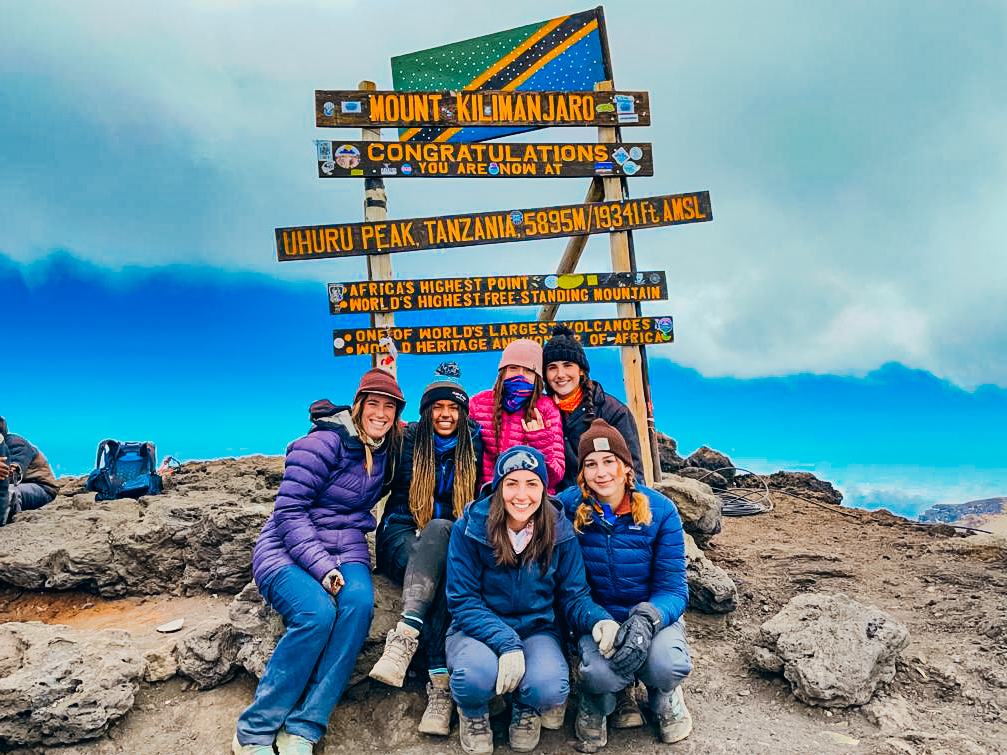
While the landscapes are breathtaking, don’t forget to capture the people and culture surrounding Kilimanjaro. Photograph local guides, porters, and fellow climbers to document the human experience of climbing the mountain. These images add a personal touch to your adventure and tell a more complete story.
The mountain environment can be harsh, with varying weather conditions. Protect your camera gear from dust, rain, and cold temperatures by using weatherproof cases or bags. Consider using lens filters to reduce glare and protect your lens from scratches.
After your climb, take the time to edit your photographs thoughtfully. Use editing software to enhance colors, contrast, and sharpness. However, aim for a natural look that reflects the true beauty of Kilimanjaro. Balance post-processing with authenticity to showcase your unique perspective.
Once you’ve captured stunning photographs, share your experience with others. Consider creating a blog or social media posts to showcase your journey. Use relevant hashtags, such as #Kilimanjaro and #TanzaniaAdventures, to connect with fellow travelers and photographers.
For those looking to improve their skills, consider joining a photography workshop while on Kilimanjaro. Some guided tours, like those offered by Tanzania Adventures Group, include photography sessions led by experienced instructors. These workshops can provide valuable tips and insights to enhance your photography skills.
If you're ready to photograph the breathtaking landscapes of Kilimanjaro, join us at Tanzania Adventures Group. Our expert guides will help you explore the best viewpoints and capture stunning images during your climb. Experience the beauty of Kilimanjaro while honing your photography skills on this unforgettable journey!