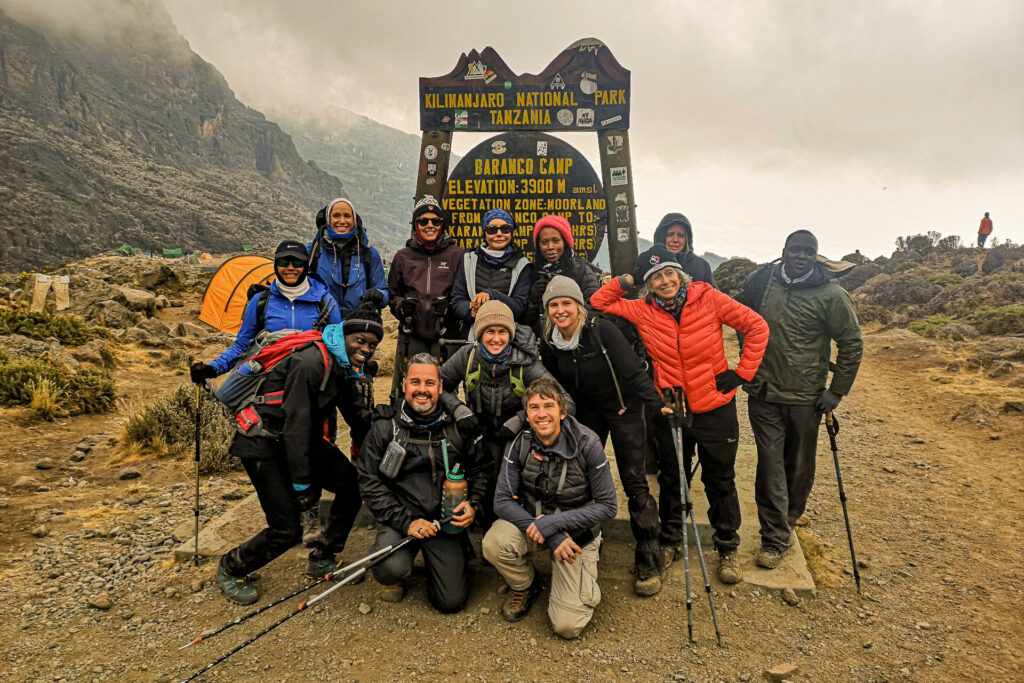
Descending from Kilimanjaro can be just as challenging as the ascent. It's essential to be prepared for the unique obstacles you may face on your way down. By staying aware of your surroundings, maintaining a steady pace, and using trekking poles for balance, you can navigate the descent safely and confidently. Remember, the right mindset and preparation are key!
Hydration is crucial during the descent. Make sure to drink plenty of water and take breaks when needed. Listen to your body and communicate with your guides if you're feeling fatigued or unwell. They are there to support you and help ensure a safe descent.
For additional tips and guidance, feel free to reach out to us at Tanzania Adventures Group. We're here to assist you every step of the way! Contact us via WhatsApp at +255754042154 for more information on your Kilimanjaro adventure.
Tanzania Adventures
Descending from the summit of Kilimanjaro can present its own set of challenges that are often overlooked during the ascent. As you prepare for your descent, understanding these challenges and how to navigate them can help ensure a safe and enjoyable experience. Here are some essential tips to guide you through the descent process while trekking with Tanzania Adventures Group.
After reaching the summit, it’s crucial to remember that the descent can be just as demanding as the climb. Rushing down can lead to slips and falls, especially on steep or loose terrain. Take your time, and pace yourself to maintain control and avoid injury.
The descent often involves uneven surfaces, rocky paths, and loose gravel. Pay close attention to where you place your feet, and consider using trekking poles for added stability. They can help absorb shock and provide better balance on tricky sections of the trail.
While it may seem counterintuitive after the exertion of the ascent, it’s vital to stay hydrated during the descent. Dehydration can lead to fatigue and impair your decision-making. Drink plenty of water and consider electrolyte drinks to replenish lost minerals.
During the descent, your body may experience fatigue, muscle soreness, or discomfort. Pay attention to any signs of altitude sickness or exhaustion. If you feel unwell, communicate with your guides immediately and consider resting or descending further if needed.
The weather on Kilimanjaro can change rapidly, affecting trail conditions during your descent. Keep an eye on the sky and be prepared for rain, wind, or temperature drops. Dressing in layers and having waterproof gear can make a significant difference in your comfort level.
The descent is often longer than climbers anticipate, which can lead to feelings of frustration. Keep a positive mindset by focusing on the accomplishment of reaching the summit. Reflect on the incredible views and the experience you've had along the way.
Maintaining communication with your climbing team and guides is essential during the descent. Share your feelings, concerns, and any physical issues you encounter. Your guides are trained to support you and will help you navigate any challenges effectively.
Descent days can be long and tiring, often taking several hours. Make sure to prepare mentally for the duration of the trek back down. Break the journey into manageable sections, taking regular breaks to rest and refuel.
Familiarize yourself with the trail markings as you descend. Many routes have specific markers to guide trekkers. Staying aware of your surroundings and following the designated path will help you avoid getting lost.
It's essential to recognize your limits during the descent. If you’re feeling too fatigued, it’s perfectly okay to take a break or even slow down the pace. Prioritizing your safety is more important than adhering to a set schedule.
As you descend, celebrate reaching each milestone, whether it’s a particular campsite or a scenic viewpoint. Acknowledging your progress can boost morale and make the descent feel less daunting.
Once you’ve successfully navigated the descent, take time to recover. Consider rest days, hydration, and proper nutrition to help your body recover from the trek. Discuss recovery strategies with your guides, as they can provide tailored advice based on their experience.
With these tips from Tanzania Adventures Group, you can navigate the challenges of the descent on Kilimanjaro more effectively, ensuring a safe and enjoyable journey back down the mountain.