Preventing altitude sickness on Kilimanjaro is essential for a successful trek. To minimize risks, it’s crucial to ascend gradually, allowing your body time to acclimatize. Staying well-hydrated by drinking at least 3-4 liters of water daily also helps your body adjust to higher altitudes.
Listening to your body is key; if you experience symptoms like headaches or nausea, communicate with your guide immediately. Incorporating acclimatization days into your itinerary can further reduce the risk of altitude sickness and ensure a more enjoyable climbing experience.
For more tips and personalized advice, contact us via WhatsApp at +255754042154. The team at Tanzania Adventures Group is here to support you in preparing for your Kilimanjaro adventure!
Tanzania Adventures
Altitude sickness is a common concern for climbers on Kilimanjaro, as the mountain's height can affect anyone, regardless of fitness level. Understanding how to prevent altitude sickness is crucial for a successful trek. Here are effective strategies to help you acclimatize and enjoy your adventure.
One of the most effective ways to prevent altitude sickness is to ascend gradually. Take your time and avoid rushing to higher elevations. Following a slower ascent allows your body to adjust to decreasing oxygen levels, reducing the risk of altitude sickness.
Some climbing routes on Kilimanjaro offer better acclimatization profiles than others. Consider choosing routes like the Lemosho or Machame, which have longer itineraries. This allows for more time to acclimatize while enjoying stunning scenery.
Staying well-hydrated is essential when climbing Kilimanjaro. Drink plenty of water throughout your trek, aiming for at least 3-4 liters per day. Proper hydration helps your body acclimatize more effectively and can alleviate some symptoms of altitude sickness.
Eating a balanced diet while trekking is vital for maintaining energy and supporting acclimatization. Focus on consuming carbohydrates, proteins, and healthy fats to fuel your body. Foods like fruits, nuts, and whole grains are excellent choices.
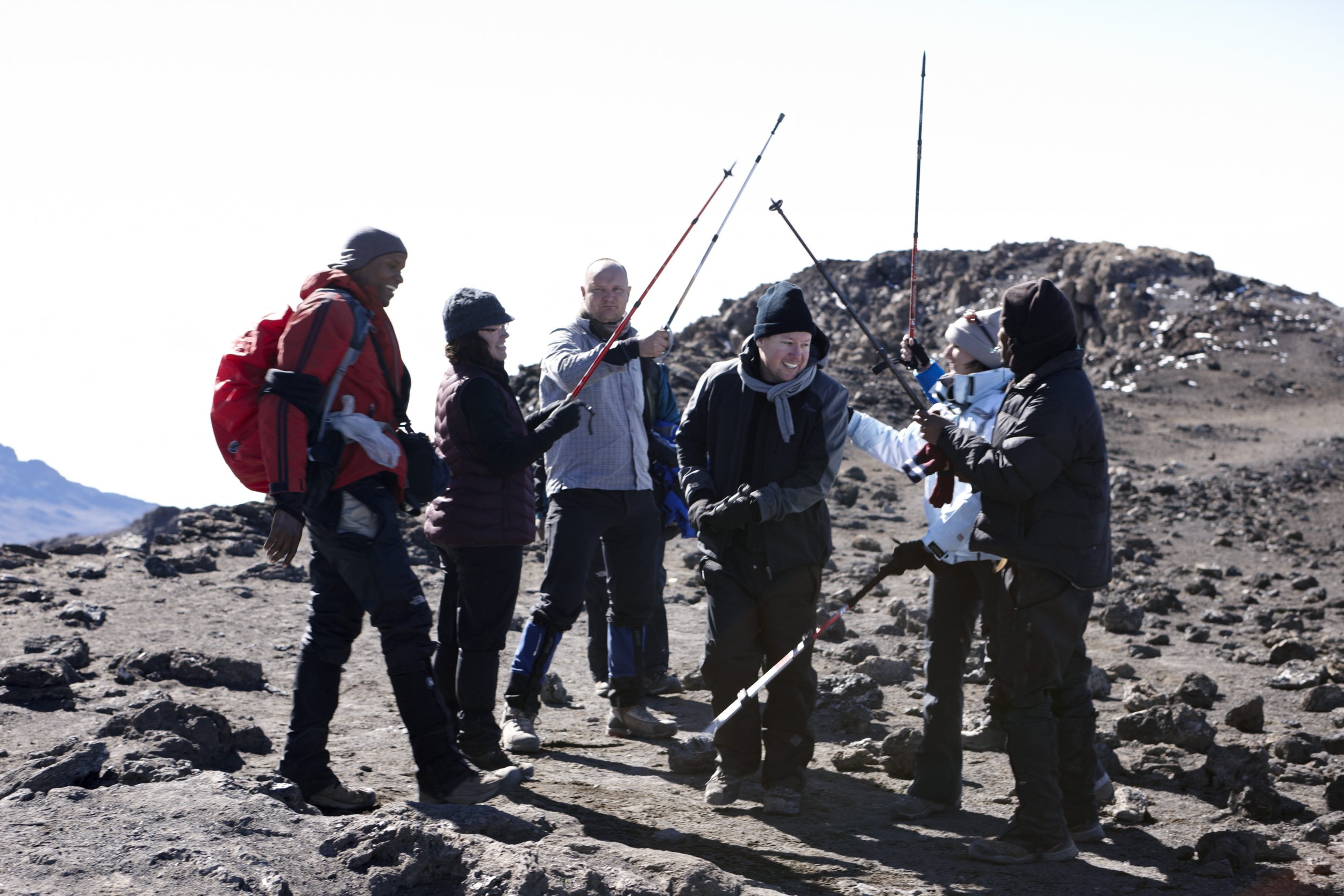
Pay attention to how your body feels during the climb. If you experience symptoms like headaches, nausea, or dizziness, it’s essential to communicate with your guide and take appropriate action. Descending to a lower altitude may be necessary to alleviate symptoms.
Incorporating acclimatization days into your itinerary can significantly reduce the risk of altitude sickness. These days allow your body to adjust to higher elevations before continuing your ascent. Discuss acclimatization options with your guide from Tanzania Adventures Group.
Both alcohol and smoking can exacerbate altitude sickness symptoms by impairing your body’s ability to acclimatize. It’s best to avoid these substances during your trek to ensure optimal health and well-being.
Consult your doctor about medications that can help prevent altitude sickness, such as acetazolamide (Diamox). This medication can aid in acclimatization and may be beneficial for some climbers, especially those prone to altitude sickness.
Dress in layers to manage temperature fluctuations while climbing. Proper clothing can help you stay warm and comfortable, reducing the stress on your body as you acclimatize to high altitudes.
Practicing proper breathing techniques can improve oxygen intake and help with acclimatization. Consider using deep breathing exercises, especially during challenging sections of the climb, to enhance your overall endurance.
Choosing a reputable guide service, such as Tanzania Adventures Group, can greatly enhance your trekking experience. Experienced guides understand the symptoms of altitude sickness and can provide valuable advice and support throughout your climb.
Mental preparation is just as important as physical training. Understanding the challenges of high-altitude trekking can help you stay calm and focused, allowing for a more enjoyable climbing experience. Visualization and positive thinking can be powerful tools in your preparation.
Preventing altitude sickness on Kilimanjaro requires careful planning and awareness. By following these strategies, you can enhance your chances of a successful and enjoyable trek. For more information and assistance, contact Tanzania Adventures Group to help plan your unforgettable Kilimanjaro adventure!