Yes, it is recommended to get certain vaccinations before visiting Ndutu. The most common vaccinations for travelers to Tanzania, including the Ndutu region, are for hepatitis A, hepatitis B, typhoid, and yellow fever. The yellow fever vaccine is particularly important if you're coming from a country with a risk of yellow fever transmission. Additionally, routine vaccinations like MMR (measles, mumps, rubella) and Tdap (tetanus, diphtheria, and pertussis) should be up to date. It's always best to consult with your healthcare provider or a travel clinic before your trip to ensure you are fully prepared.
Besides vaccinations, malaria prevention is also highly recommended for travelers heading to Ndutu, as the area is within a malaria zone. Taking antimalarial medication, along with using mosquito repellent and sleeping under mosquito nets, can significantly reduce the risk of malaria. These precautions are especially important during the wet season when mosquitoes are more prevalent. By taking the necessary health precautions, you can enjoy your safari in Ndutu with peace of mind.
For personalized advice on vaccinations and health precautions, feel free to reach out to us via WhatsApp at +255754042154. Tanzania Adventures Group will help ensure you're fully prepared for your safari to Ndutu, guiding you on the best health practices and vaccinations needed for a safe and enjoyable trip.
Tanzania Adventures
When preparing for a trip to Ndutu, packing the right items is crucial to ensure a comfortable and enjoyable safari experience. Essential items include lightweight, breathable clothing for daytime game drives, such as long sleeves and pants to protect against the sun and insects. A good pair of binoculars, a camera, and extra memory cards are also important for capturing the stunning wildlife and landscapes. Don’t forget a hat, sunscreen, and sunglasses to protect yourself from the sun. If you plan on staying in remote lodges or campsites, pack a flashlight or headlamp for nighttime use. For colder mornings and evenings, bring layers and a warm jacket, as temperatures can drop significantly after sunset. Additionally, a small first-aid kit, insect repellent, and any personal medications are recommended. Tanzania Adventures Group can help provide you with a detailed packing list tailored to your specific itinerary.
Ndutu experiences a semi-arid climate with distinct wet and dry seasons. The wet season typically runs from November to April, with the heaviest rains occurring from March to May. During this period, the landscape becomes lush and green, attracting abundant wildlife, especially during the calving season in early months like January and February. The dry season, from June to October, offers sunny and warm weather, with cooler mornings and evenings. Daytime temperatures range from 20°C to 30°C (68°F to 86°F), while nights can get chilly, especially in the southern Serengeti where Ndutu is located. For those interested in seeing the Great Migration or the calving season, the wet season is ideal. However, for a more traditional safari with dry conditions and fewer mosquitoes, the dry season is best. Tanzania Adventures Group can advise on the best time to visit based on the weather and your interests.
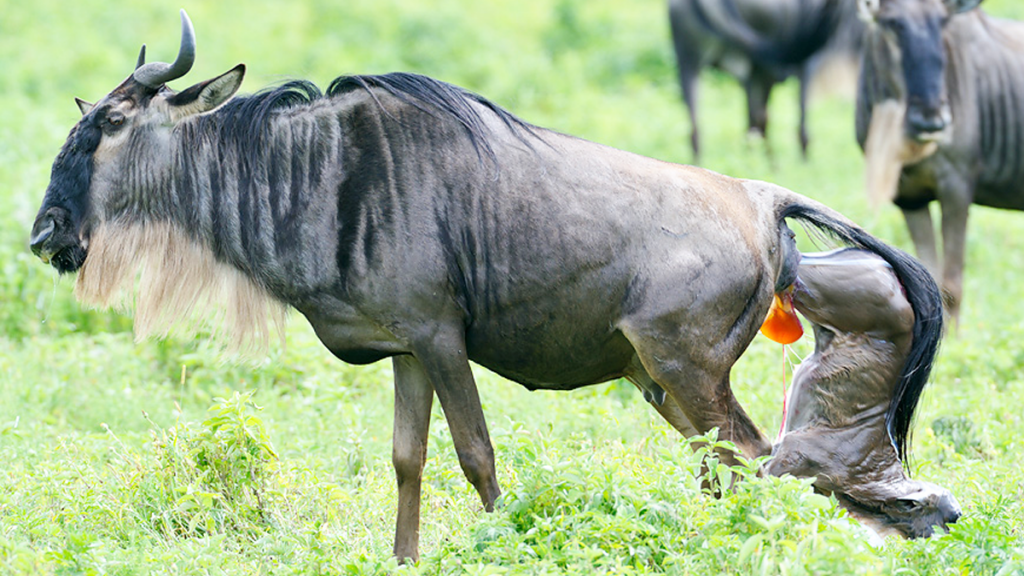
Yes, Ndutu is accessible year-round, though the experience can vary depending on the season. During the wet season (November to April), some areas may be less accessible due to muddy roads and occasional flooding, especially around the Ndutu area, which is known for its wetlands. However, the wildlife during this time, particularly the calving season from January to March, is exceptional, as thousands of wildebeest give birth, attracting predators like lions and cheetahs. During the dry season (June to October), the roads are generally more accessible, and this is considered the peak safari season when the wildlife is concentrated around water sources, making it easier to spot animals. Regardless of when you visit, Tanzania Adventures Group ensures you have the best route and safari experience tailored to the season.
The road conditions to Ndutu can vary depending on the season and the type of vehicle you’re traveling in. During the dry season, roads are generally passable for standard 4x4 safari vehicles, though some rough patches may exist due to the region’s remote nature. In the wet season, particularly between March and May, the roads can become muddy and challenging to navigate, and a 4x4 vehicle with high ground clearance is essential. Many safari operators, including Tanzania Adventures Group, use specially equipped vehicles to handle the terrain, ensuring a smooth journey even in less favorable road conditions. If you're flying into Ndutu’s airstrip, you can avoid road conditions altogether and save time on your trip. Tanzania Adventures Group provides reliable transport options and expert drivers to ensure your journey to Ndutu is hassle-free.
As of now, there are no specific travel restrictions for visiting Ndutu, but it is important to check the latest travel advisories from your home country and Tanzania before your trip. Tanzania’s visa policy allows most tourists to obtain a visa on arrival or apply for an eVisa online. However, certain countries may require additional documentation, such as proof of onward travel or sufficient funds for the duration of your stay. For safaris in Ndutu, it is advisable to work with a licensed tour operator, such as Tanzania Adventures Group, who can assist you with the visa process, permits, and any travel restrictions that may apply. Additionally, travelers should ensure they have the appropriate travel insurance to cover unexpected situations during their safari.
Yes, vaccinations are generally recommended before traveling to Tanzania, including Ndutu. The most common vaccinations include those for hepatitis A and B, typhoid, yellow fever (a certificate is required if coming from a yellow fever-endemic area), and routine vaccinations like MMR (measles, mumps, rubella). Malaria prophylaxis is also recommended for visitors, particularly in areas like Ndutu, which are within malaria zones. It’s advisable to consult with your healthcare provider or a travel clinic well in advance of your trip to ensure you are up-to-date on recommended vaccines and medications. Tanzania Adventures Group can provide guidance on health requirements for your safari and help you prepare for a safe and healthy trip.
Yes, Ndutu is considered a malaria zone, as it is located within the Serengeti ecosystem, where malaria is endemic. It’s important for travelers to take precautions to prevent mosquito bites, especially during the wet season when mosquitoes are more prevalent. Malaria prevention measures include taking antimalarial medication as prescribed by your doctor, using insect repellent with DEET, wearing long sleeves and pants in the evenings, and sleeping under mosquito nets. Most lodges and camps in Ndutu provide mosquito nets, and many also take additional measures to minimize exposure to mosquitoes. For more information on malaria prevention and to ensure a safe trip, Tanzania Adventures Group is happy to advise and assist with your preparations.
In addition to malaria prevention, travelers to Ndutu should also take general health precautions. Carry a small first-aid kit containing essentials like pain relievers, antiseptic cream, band-aids, and any personal medications you might need. It’s important to stay hydrated, particularly during hot game drives, so always carry a water bottle with you. To avoid travel-related illnesses like food or waterborne diseases, only drink bottled or purified water, and avoid consuming raw or undercooked foods. If you're prone to motion sickness, bring medications for nausea as some safari drives can be bumpy. Tanzania Adventures Group will ensure your health and safety are prioritized throughout your trip, offering practical advice and assistance wherever needed.
Ndutu is quite remote, and while there are no major hospitals directly in the area, medical facilities are available in nearby towns like Karatu, which is about an hour’s drive away. Most lodges and camps in Ndutu are equipped with basic first-aid kits and have staff trained in first aid. In the event of a medical emergency, safari operators like Tanzania Adventures Group have established connections with local clinics and evacuation services to ensure that you receive prompt care. For more serious cases, air evacuation to larger medical centers in Arusha or Dar es Salaam can be arranged. It's essential to have travel insurance that covers medical emergencies while in Tanzania.
In case of an emergency in Ndutu, your first point of contact should be the lodge or camp where you're staying, as they are trained to handle medical issues and emergencies. Safari vehicles are equipped with radios, so communication is possible even in remote areas. If you are with Tanzania Adventures Group, the team will be on hand to assist with any situation, from medical issues to logistical problems. In the case of a serious health emergency, they will coordinate with local medical facilities or air evacuation services to ensure you get the necessary care. It's always a good idea to keep your travel insurance information handy in case of emergencies.
Ndutu is a remarkable destination for an unforgettable safari experience, but it's important to be well-prepared for the journey. By understanding the weather, road conditions, vaccinations, and health precautions, you can ensure a smooth and enjoyable trip. Tanzania Adventures Group offers comprehensive support, including expert guidance on vaccinations, health measures, transport, and emergency assistance, making your safari to Ndutu both safe and memorable. Contact Tanzania Adventures Group today to start planning your adventure to Ndutu and explore the incredible wildlife of Tanzania with confidence!