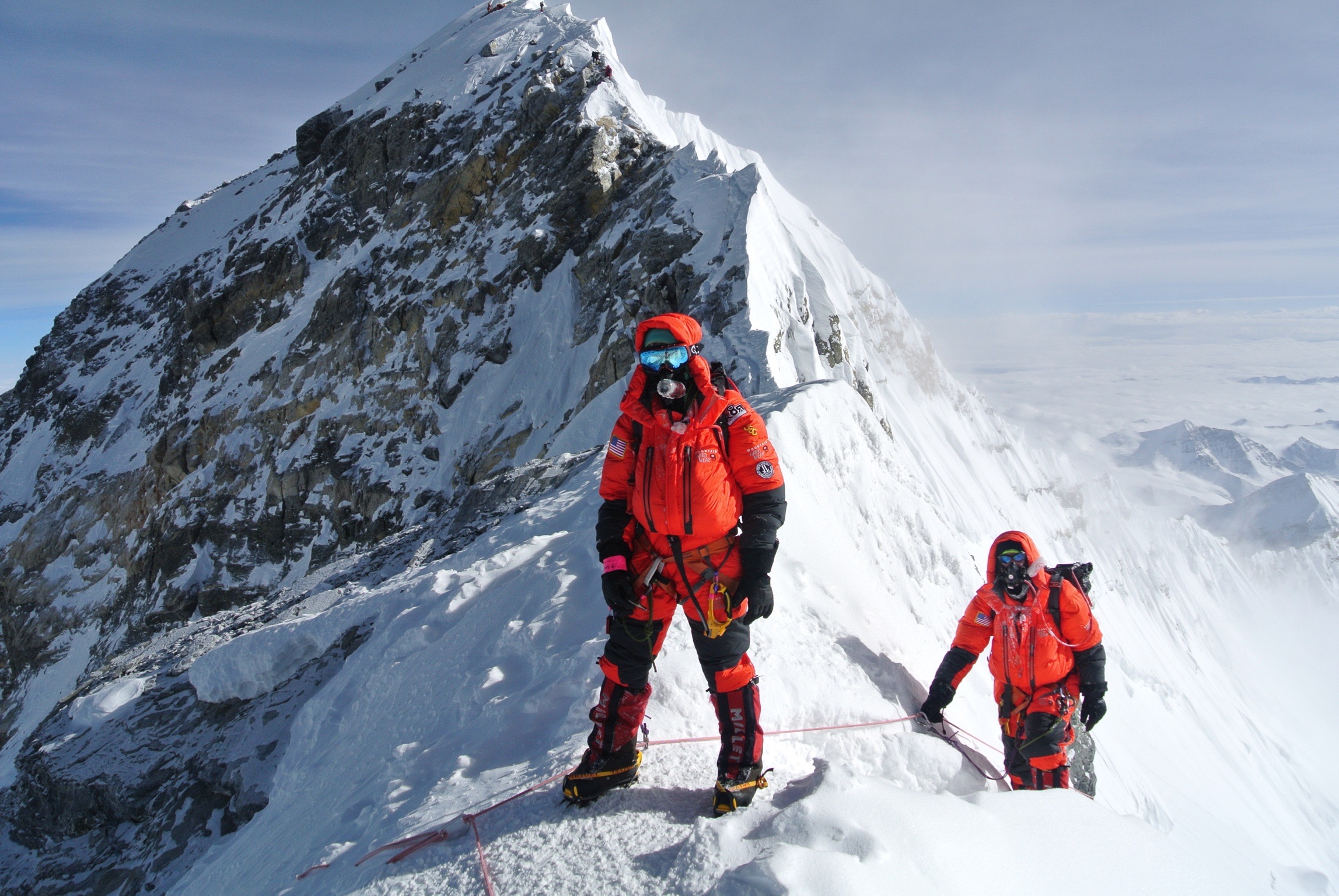
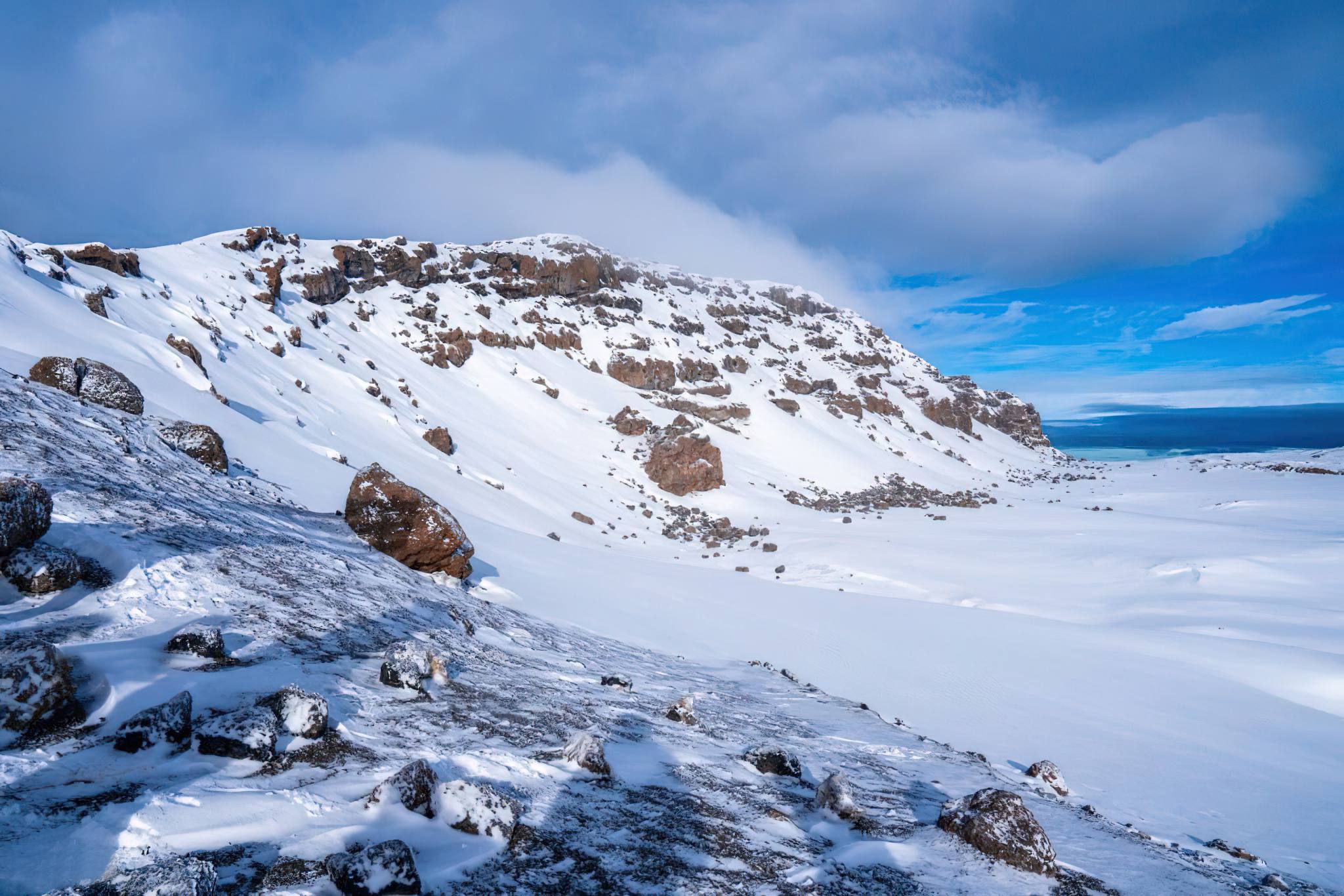
The temperature on Mount Kilimanjaro drops significantly as you ascend. At lower altitudes, you can expect mild to warm conditions, but once you get higher, especially near the summit, the temperature can plunge drastically. On the summit, nighttime temperatures can drop to as low as -20°C (-4°F), and even during the day, temperatures can remain below freezing.
Preparing for the cold is crucial when climbing Kilimanjaro. You’ll need to pack appropriate gear, including a high-quality sleeping bag rated for extreme cold, insulated clothing, and layers to keep warm. The weather at higher altitudes is unpredictable, and temperatures can feel much colder due to wind chill. Tanzania Adventures Group provides detailed guidance on how to pack and prepare for these challenging conditions.
For more information on how to prepare for the cold nights on Kilimanjaro, contact us via WhatsApp at +255754042154. Our team is here to help ensure you’re fully prepared for your adventure!
Tanzania Adventures
The best time for a private climb on Mount Kilimanjaro is typically during the dry season, which lasts from June to October and from December to February. These months offer clear skies and stable weather conditions, making it easier to reach the summit safely. At Tanzania Adventures Group, we recommend these months for an optimal trekking experience, as the trails are drier and the chances of encountering harsh weather are minimized.
While it is possible to trek during the rainy season (March to May), it is not the ideal time for a private climb. The trails can become slippery and muddy, which can make the trek more challenging. Additionally, the heavy rainfall may lead to poor visibility and uncomfortable conditions. If you choose to trek during the rainy season, it’s important to be prepared for the challenges, but at Tanzania Adventures Group, we always prioritize your safety and comfort, regardless of the season.
The temperature on Mount Kilimanjaro can drop significantly as you ascend, with nighttime temperatures ranging from -5°C to -20°C (23°F to -4°F) at higher altitudes, especially near the summit. It’s important to prepare for these cold conditions by bringing appropriate clothing and gear. At Tanzania Adventures Group, we provide you with advice on how to pack and ensure you’re ready for the cold nights and challenging temperatures at higher elevations.
The weather on Kilimanjaro varies greatly depending on your altitude and the time of year. At lower altitudes, the weather is typically warm and humid, while at higher elevations, it can be cold and windy. During the dry season, the weather is more predictable with sunny days and clear skies, whereas during the rainy season, you can expect intermittent showers. Tanzania Adventures Group ensures that you are well-prepared for the weather conditions you may encounter during your climb.
Yes, private climbs are possible during the off-season, typically in the rainy months from March to May. While the off-season offers fewer crowds, the weather conditions can be more unpredictable. However, if you are an experienced trekker and well-prepared for challenging conditions, an off-season trek can be a unique experience. At Tanzania Adventures Group, we can assist you in planning your trek and ensure that you are equipped to handle the weather during this period.
If there is bad weather during your trek, your safety is our top priority. At Tanzania Adventures Group, our experienced guides will assess the conditions and make adjustments to your itinerary if necessary. This may include taking rest days, altering the route, or even delaying the summit attempt. We will ensure that you have the best chance of completing your trek safely while keeping you informed about any changes to the plan due to weather conditions.
Preparing for cold nights on Mount Kilimanjaro is essential for your comfort and safety. At higher elevations, the temperature can drop well below freezing. We recommend packing warm clothing, including a good sleeping bag rated for cold temperatures, insulated layers, and a thermal jacket. At Tanzania Adventures Group, we provide advice on how to layer your clothing effectively and ensure you are equipped for the cold nights ahead.
Yes, you can climb during the peak season, which typically occurs during the dry months of June to October and December to February. These months offer the best weather conditions, with minimal rainfall and clear skies, making them the most popular times for trekkers. However, be prepared for more crowded trails and campsites. If you prefer a more private experience, we recommend booking your trek in advance with Tanzania Adventures Group to secure your spot.
Climbing during the rainy season is possible, but it comes with increased risks. The trails can become slippery and challenging, and there is a higher chance of encountering heavy rainfall. However, with the right preparation and guidance from Tanzania Adventures Group, you can still safely climb Kilimanjaro during the rainy season. We provide detailed advice on what to expect and how to prepare, ensuring that you are ready for the conditions.
Yes, there are fewer crowds during the off-season, particularly in the rainy months of March to May. If you prefer a quieter, more peaceful trek with fewer people on the mountain, this can be a great time to go. However, keep in mind that the weather conditions may be more challenging. Tanzania Adventures Group can help you choose the best time for your trek based on your preferences for crowd size and weather conditions.
Whether you choose to trek during the peak season or the off-season, Tanzania Adventures Group is here to ensure that your Kilimanjaro climb is safe, enjoyable, and memorable. Our expert guides will help you prepare for all weather conditions, and we will tailor your trek to suit your preferences. Contact us today to start planning your adventure and experience the beauty of Mount Kilimanjaro with Tanzania Adventures Group!