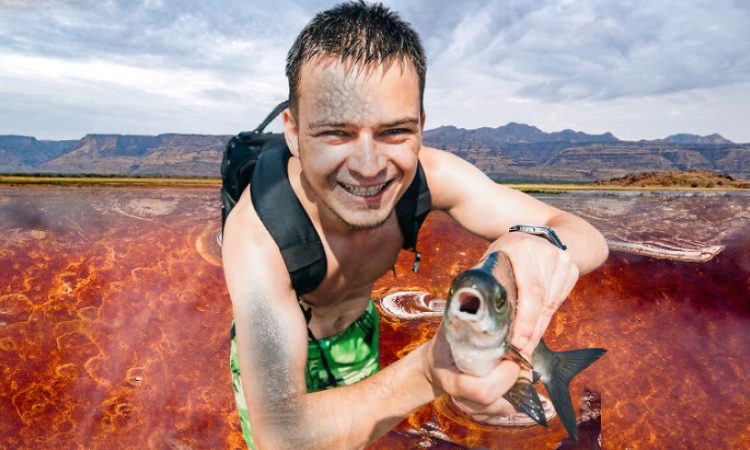
No, there are no fish in Lake Natron. The extreme salinity and high alkalinity of the lake make it an inhospitable environment for most aquatic life, including fish. The lake’s water has a pH level that can reach up to 10.5, which is far too caustic for fish to survive. Instead, the lake supports a unique ecosystem of microorganisms and algae, such as Spirulina, which thrive in the harsh conditions. These algae are crucial to the lake’s food web and serve as the primary food source for the lesser flamingo and other birds.
While fish cannot survive in the highly saline and alkaline waters of Lake Natron, the surrounding area is rich in other forms of wildlife. Mammals like zebras, giraffes, and wildebeests can be found near the lake’s edges, where they graze on the surrounding vegetation. Reptiles, such as crocodiles, also inhabit the lake's shores, adapting to the harsh conditions in their own ways. The unique environment of Lake Natron makes it an exceptional site for birdwatching and exploring Tanzania’s diverse wildlife.
If you're interested in learning more about Lake Natron and its fascinating ecosystem, Tanzania Adventures Group offers guided tours that provide in-depth insights into this extraordinary natural wonder. Contact us today via WhatsApp at +255754042154 to book your adventure and explore the beauty of Lake Natron!
Tanzania Adventures
Flamingos are naturally attracted to Lake Natron because of its unique environment that provides ideal breeding conditions. The lake's high salinity and alkalinity create a hostile environment for most predators, offering the flamingos a safe place to nest. The lake also contains large quantities of algae, particularly Spirulina, which forms the primary food source for flamingos. This combination of a predator-free zone and abundant food makes Lake Natron a highly attractive location for flamingos, especially the lesser flamingo, which is the most commonly found species in the area.
Lake Natron plays a crucial role in supporting flamingo populations, particularly the lesser flamingo. The lake's high alkalinity and mineral-rich waters create a unique habitat where flamingos can breed and feed. The alkaline conditions of the water make it inhospitable to most predators, which provides a safe breeding ground for flamingos. Additionally, the lake is rich in algae, which is the primary food source for these birds. The flamingos feed on the abundant algae in the lake, ensuring they have enough nutrition to thrive in this harsh environment.
Lake Natron is not home to most species of fish due to its extreme alkalinity and high salinity. The water's pH level, which can range from 9 to 10.5, is too caustic for most fish to survive. However, the lake does support certain species of microorganisms, including algae, which are able to withstand the harsh conditions. These algae, particularly Spirulina, form the primary food source for the flamingos and other wildlife that live around the lake. As a result, Lake Natron is primarily a habitat for algae, microorganisms, and birds, rather than fish.
Besides flamingos, Lake Natron and its surrounding areas are home to a variety of terrestrial wildlife, including mammals and reptiles. Some of the animals found around the lake include giraffes, zebras, wildebeests, and antelope species such as gazelles. The harsh conditions of the lake limit the types of animals that can live within its immediate vicinity, but the surrounding grasslands and scrublands support a diverse range of herbivores. Additionally, reptiles like crocodiles and various species of snakes can be found in the area. This combination of wildlife makes Lake Natron a significant ecosystem in northern Tanzania.
While the extreme salinity and alkalinity of Lake Natron make it inhospitable to most forms of life, some animals have adapted to the harsh conditions. The lesser flamingo is the most notable example, as it thrives on the algae in the lake, which can only grow in such an environment. Other animals, such as the greater flamingo, crocodiles, and various birds, have also adapted to the harsh conditions. The surrounding areas, with their grasslands and scrublands, provide a more hospitable environment for mammals like zebras, giraffes, and wildebeests, who migrate in and around the lake’s vicinity. Thus, while the lake itself is a challenging environment, the surrounding ecosystems support a range of adapted species.
Flamingos breed at Lake Natron primarily because of the lake's isolated and harsh environment, which provides a safe haven from predators. The high alkalinity and mineral-rich waters of the lake make it unsuitable for most other animals, ensuring that flamingos face minimal threats during their breeding season. The lake's remote location, combined with its nutrient-rich algae, provides an ideal space for flamingos to build their nests and raise their young. Flamingos also rely on the lake’s specific food sources, particularly the abundant Spirulina algae, to support their breeding and feeding needs.
Flamingos have evolved several adaptations that allow them to thrive in the extreme salinity of Lake Natron. One key adaptation is their ability to filter out excess salt from their diet. Flamingos have specialized glands located near their eyes that help them expel the salt they ingest from the water and algae. This allows them to consume the highly saline algae without suffering from dehydration or salt poisoning. Additionally, flamingos have long legs that enable them to feed in the shallow waters of the lake, where the algae is most concentrated, without getting overwhelmed by the high salinity.
The best time to see flamingos at Lake Natron is during the breeding season, which typically occurs between July and September. During this period, the flamingos gather in large numbers to breed and build their nests along the lake’s shoreline. The lake's harsh environment ensures that only a few predators can access the area, making it a safe place for the birds to reproduce. If you plan to visit during this time, you can witness the spectacle of thousands of flamingos in various stages of their breeding cycle. Outside of the breeding season, the flamingo population at the lake may be smaller, but it remains an important stop for migratory birds year-round.
Each year, approximately 2 to 3 million flamingos breed at Lake Natron, making it one of the most important breeding sites for the lesser flamingo in the world. The lake provides a sanctuary for these birds, where they can lay their eggs and raise their young in relative safety. The flamingos form large colonies during the breeding season, creating a stunning sight of thousands of birds in one location. This large breeding population is vital for the continued survival of the lesser flamingo species, which is listed as near-threatened due to habitat loss and environmental changes.
Lake Natron is incredibly significant for the lesser flamingo, as it is one of the few locations in the world where this species can breed in large numbers. The lake’s unique conditions, including its high salinity and alkalinity, make it inhospitable to most predators and competitors, providing a safe environment for flamingos to nest and feed. The lesser flamingo depends on the lake's abundant supply of algae, particularly Spirulina, which is a key food source for the birds. Without Lake Natron, the lesser flamingo would have fewer suitable breeding sites, making this location critical to their population's survival.
Lake Natron offers a unique and extraordinary wildlife experience, and Tanzania Adventures Group is the perfect guide to help you explore this remote and fascinating destination. Our experienced guides will ensure you have the best possible experience, whether you're observing flamingos or learning about the lake's geological and ecological significance. If you’re interested in exploring Lake Natron and its incredible wildlife, contact us today via WhatsApp at +255754042154 to book your tour. Let Tanzania Adventures Group take you on an unforgettable adventure in one of Tanzania’s most unique natural wonders!