
Are there any environmental concerns while climbing Kilimanjaro? Yes, there are several environmental concerns to consider while climbing this majestic mountain. One of the primary issues is waste management. With thousands of climbers each year, proper disposal of waste, including food and plastic, is crucial to preserving Kilimanjaro's pristine environment.
Additionally, soil erosion and the protection of local flora and fauna are significant concerns. Climbers can contribute to environmental sustainability by staying on designated paths and respecting wildlife. It’s essential to be mindful of our impact on this unique ecosystem and support responsible tourism practices.
For more information on how to climb Kilimanjaro responsibly, contact Tanzania Adventures Group. Reach out via WhatsApp at +255754042154 for expert guidance on preserving the beauty of Kilimanjaro while enjoying your adventure!
Tanzania Adventures
Climbing Mount Kilimanjaro is a breathtaking adventure, but it’s essential to recognize the environmental concerns associated with this popular trek. As a UNESCO World Heritage Site, Kilimanjaro’s delicate ecosystems require responsible tourism practices to preserve their beauty and integrity. Here’s an overview of the key environmental issues climbers should be aware of, provided by Tanzania Adventures Group.
One of the most pressing environmental concerns on Kilimanjaro is waste management. With thousands of climbers each year, the accumulation of litter, including plastic bottles, food wrappers, and human waste, can have a significant impact on the environment. Proper waste disposal practices, such as carrying out all waste, are crucial to preserving the mountain’s pristine beauty.
Water is a precious resource on Kilimanjaro, and excessive usage can lead to resource depletion. Climbers should be mindful of their water consumption, ensuring they use it efficiently and avoid unnecessary wastage. Utilizing biodegradable soaps and detergents can also help minimize water pollution.
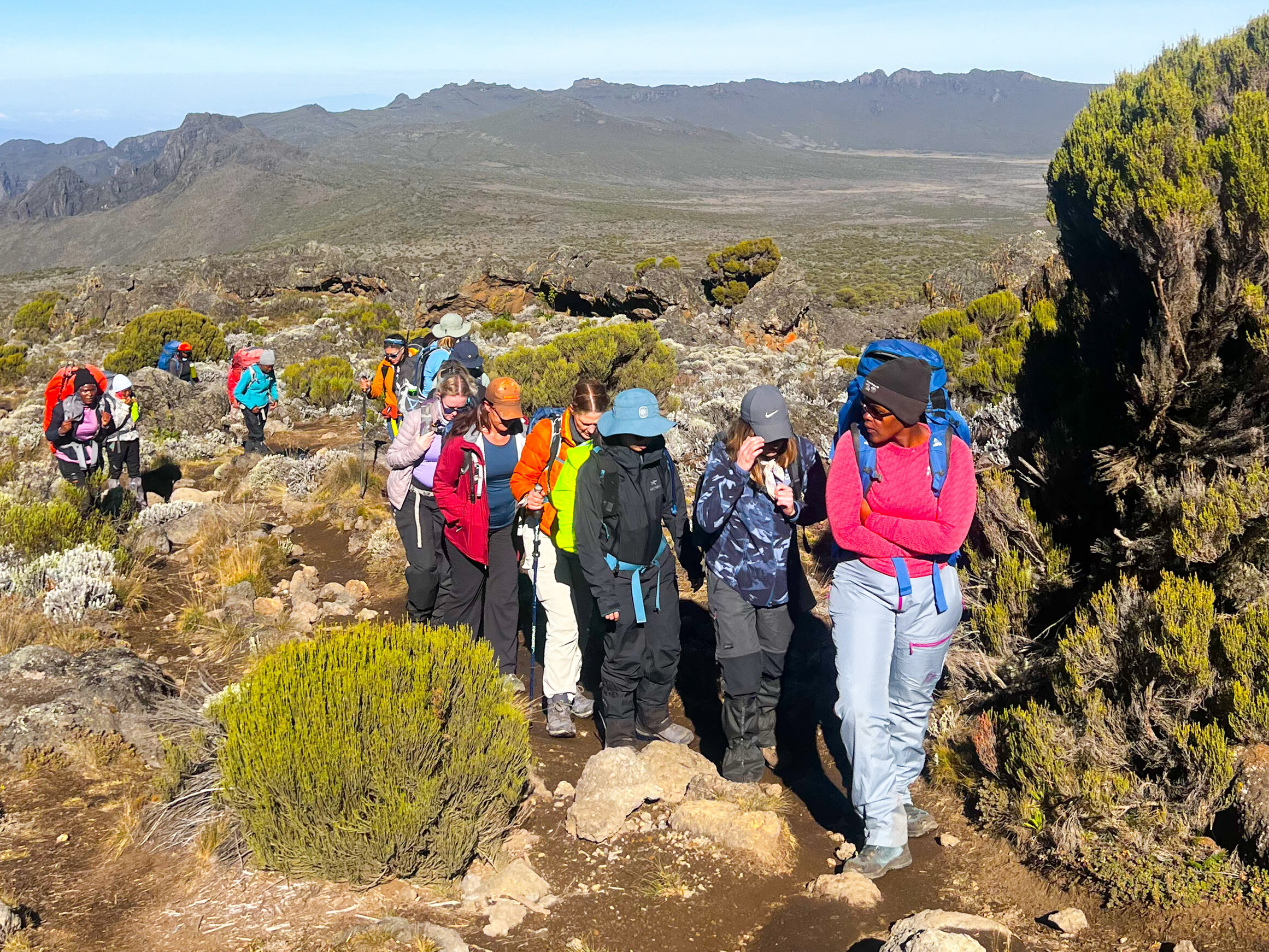
As trekkers navigate the mountain’s trails, soil erosion can become a significant issue, particularly in areas with heavy foot traffic. Erosion not only damages the landscape but also threatens local flora and fauna. Staying on designated paths and avoiding shortcuts can help mitigate this concern.
Kilimanjaro is home to unique and fragile ecosystems that support diverse plant and animal species. Disturbances caused by trekking can harm these ecosystems. It’s essential for climbers to respect wildlife, refrain from picking plants, and follow guidelines to minimize their impact on the environment.
Climate change poses a significant threat to Kilimanjaro, leading to glacier retreat and shifts in local weather patterns. Climbers can help combat climate change by minimizing their carbon footprint. Choosing eco-friendly transportation options and supporting local initiatives focused on conservation can contribute positively to the environment.
Climbing Kilimanjaro also affects local communities and their cultural heritage. Increased tourism can lead to commercialization, which may dilute traditional practices and values. Engaging with local guides and supporting community-based tourism initiatives can help preserve the cultural identity of the region.
Promoting sustainable tourism practices is crucial for protecting Kilimanjaro’s environment. This includes choosing tour operators that adhere to eco-friendly practices, such as those that follow the Leave No Trace principles. Tanzania Adventures Group is committed to responsible tourism and encourages climbers to do their part in preserving the mountain.
Raising awareness about environmental concerns is vital for promoting responsible climbing practices. Tour operators, guides, and climbers should share information about the importance of protecting Kilimanjaro’s ecosystems. Education can foster a culture of conservation among visitors and local communities.
Contributing to local conservation initiatives is an effective way to make a positive impact on Kilimanjaro. Many organizations work to protect the mountain’s environment and wildlife, and climbers can support these efforts through donations or by participating in conservation programs.
Choosing eco-friendly trekking gear can also reduce your environmental impact. Opt for reusable water bottles, biodegradable toiletries, and sustainable clothing made from recycled materials. These small changes can collectively contribute to the preservation of Kilimanjaro’s ecosystems.
Local guides and porters play a crucial role in promoting environmental stewardship on Kilimanjaro. By supporting fair wages and ethical treatment of these individuals, climbers can contribute to sustainable tourism practices that benefit both the environment and local communities.
At Tanzania Adventures Group, we prioritize environmental conservation and responsible tourism. Our experienced guides are dedicated to ensuring that your climbing experience is not only memorable but also eco-friendly. Join us in preserving the beauty of Kilimanjaro for future generations!
By being aware of these environmental concerns and taking responsible actions, climbers can enjoy the breathtaking beauty of Kilimanjaro while contributing to the protection of this iconic mountain and its ecosystems.