Preparing for your Kilimanjaro adventure requires a well-structured training plan that focuses on endurance, strength, and acclimatization. Start with a solid cardio routine, including hiking and running, to build the stamina needed for the trek. Incorporating strength training exercises will help you manage the physical demands of the climb.
Additionally, practice hiking with a loaded backpack to simulate the actual experience. Gradually increase your pack weight and duration to enhance your comfort and confidence on the mountain. Don’t forget the importance of nutrition and recovery—fuel your body well and allow time for rest.
For personalized advice and support, connect with us at Tanzania Adventures Group. We’re here to guide you through your training journey and ensure a successful climb. Reach out via WhatsApp at +255754042154 for more information!
Tanzania Adventures
Climbing Mount Kilimanjaro, Africa's highest peak, is a bucket-list adventure for many. Preparing adequately is crucial to ensure a successful and safe ascent. This guide outlines effective training strategies tailored to various fitness levels, helping you conquer this majestic mountain with Tanzania Adventures Group.
Kilimanjaro stands at 5,895 meters (19,341 feet) and presents unique challenges, including altitude sickness and variable weather. Understanding these challenges will help you tailor your training to prepare both physically and mentally for the climb.
Before beginning your training, assess your current fitness level. Engage in a fitness assessment that includes cardio endurance, strength, and flexibility tests. This will help you create a personalized training plan that suits your capabilities.
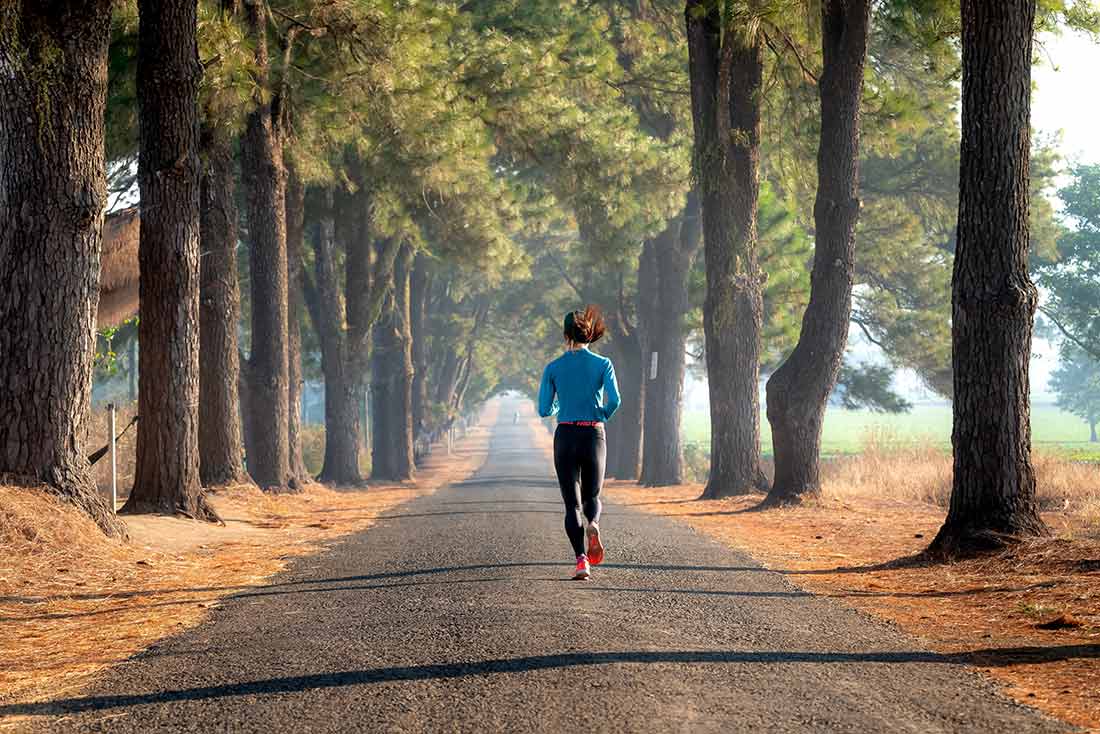
Endurance is key to successfully climbing Kilimanjaro. Incorporate cardiovascular exercises like hiking, running, cycling, and swimming into your routine. Aim for at least 3-5 sessions per week, gradually increasing the duration and intensity.
Strength training is vital for building the muscles needed for the trek. Focus on core, leg, and upper body exercises. Squats, lunges, deadlifts, and planks are excellent choices. Include strength workouts 2-3 times a week to enhance your climbing capability.
Simulate the climbing experience by hiking with a loaded backpack. Start with a light pack and gradually increase the weight to mimic the gear you'll carry on Kilimanjaro. Aim for hikes of increasing duration on varied terrains to prepare your body for the actual climb.
Acclimatization is critical for Kilimanjaro climbs. If possible, train at higher altitudes or use altitude simulation training methods. This will help your body adapt to reduced oxygen levels, significantly reducing the risk of altitude sickness.
Incorporate stretching and recovery into your training regimen. Yoga or dedicated flexibility sessions can improve your overall mobility, reducing the risk of injury during your climb. Remember, recovery is just as important as training.
A balanced diet is essential during your training. Focus on a mix of carbohydrates, proteins, and healthy fats. Stay hydrated and consider consulting a nutritionist for personalized advice tailored to your training and climbing needs.
Mental fortitude is as important as physical strength. Practice mindfulness and visualization techniques to prepare for the challenges ahead. Consider joining a local climbing group or engaging with fellow climbers to share experiences and tips.
Investing in quality gear is crucial for your Kilimanjaro climb. Research and test climbing boots, clothing layers, and backpacks before your trek. Ensure your gear is comfortable and suited to the varying weather conditions you'll encounter on the mountain.
Training for Kilimanjaro is an exciting journey in itself. With a tailored training plan and support from Tanzania Adventures Group, you can achieve your goal of reaching the summit. Embrace the challenge, prepare diligently, and get ready for an unforgettable adventure!