Staying hydrated while climbing Mount Kilimanjaro is essential for your health and performance. As you ascend, your body loses water rapidly due to altitude and physical exertion. Aim to drink 3 to 4 liters of water per day to prevent dehydration and altitude sickness. Regular sips, rather than large gulps, will help maintain your hydration levels effectively.
Utilizing a hydration system can make water access easy, allowing you to sip on the go without interrupting your trek. It's also wise to carry electrolyte supplements to replenish lost minerals. Remember to treat all water from streams or sources to ensure it's safe for consumption. Proper hydration not only enhances your climbing experience but also supports your acclimatization process.
For personalized tips on staying hydrated and planning your Kilimanjaro adventure, contact Tanzania Adventures Group on WhatsApp at +255754042154. We’re here to help you ensure a safe and enjoyable climb!
Tanzania Adventures
Staying hydrated while climbing Mount Kilimanjaro is crucial for your safety and success. As you ascend to higher altitudes, your body loses water more quickly due to factors like increased breathing rates and dry air. Dehydration can lead to altitude sickness, fatigue, and impaired physical performance. Tanzania Adventures Group emphasizes the importance of maintaining proper hydration levels throughout your climb.
During your climb, it's essential to drink sufficient water to meet your body's needs. A good rule of thumb is to aim for about 3 to 4 liters of water per day, depending on your activity level and the climate. Make sure to monitor your hydration levels by paying attention to the color of your urine; light yellow indicates proper hydration, while dark yellow signals the need for more fluids.
There are various water sources along the Kilimanjaro routes, including streams and water stations. However, it’s important to treat all water before drinking to avoid waterborne illnesses. Tanzania Adventures Group provides guidance on water treatment methods, such as boiling, using water purification tablets, or filters to ensure your drinking water is safe.
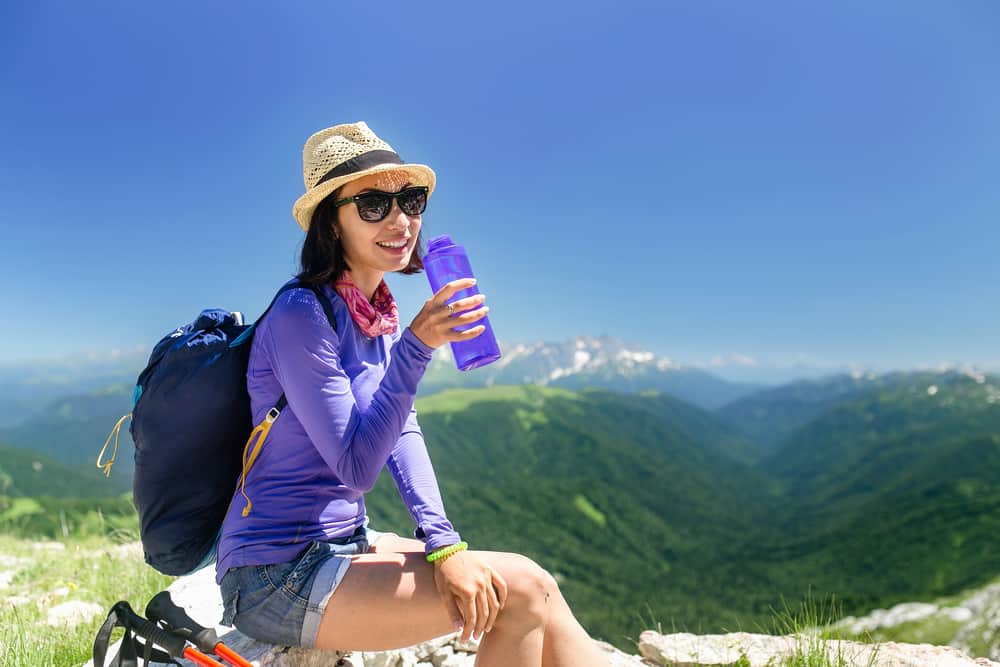
A hydration bladder is a convenient option for keeping water accessible during your climb. These systems allow you to sip water through a tube without stopping to reach for a bottle, helping you stay hydrated without interrupting your trek. Many climbers prefer this method, as it encourages regular water intake.
It’s not enough to drink water only when you feel thirsty; you should establish a drinking schedule. Aim to drink small amounts of water consistently throughout the day, rather than gulping large quantities at once. Set reminders or schedule specific times to take a few sips, especially during breaks. Tanzania Adventures Group encourages climbers to make hydration a priority during their ascent.
In addition to water, it's important to replenish electrolytes lost through sweat. Consider bringing electrolyte tablets or powder to mix with your water. This will help maintain your body’s electrolyte balance, especially during strenuous hikes. Hydration packs with built-in electrolyte options can also be a great choice.
Many foods can help boost your hydration while climbing Kilimanjaro. Opt for fruits and vegetables with high water content, such as oranges, watermelon, and cucumbers. Snack on energy bars that contain added electrolytes. These choices can supplement your water intake and provide necessary nutrients for your body.
Be mindful of substances that can contribute to dehydration, such as alcohol and caffeine. While it may be tempting to enjoy a warm drink at the end of the day, excessive consumption of these beverages can lead to fluid loss. Instead, focus on hydrating drinks and water-rich foods to support your body’s needs.
It's essential to be aware of the signs of dehydration, which can include dizziness, headache, dry mouth, and fatigue. If you experience any of these symptoms, take immediate action by increasing your fluid intake and resting. Tanzania Adventures Group recommends that climbers stay vigilant and communicate any concerns with their guides.
Proper hydration is particularly important during acclimatization phases. As you ascend higher, your body adapts to the altitude, and hydration helps facilitate this process. Ensure you maintain your fluid intake throughout the acclimatization stages to support your body’s adjustment to thinner air.
Summit day can be the most physically demanding part of your Kilimanjaro climb. Start your day with a hydration strategy in place, making sure to drink plenty of water before you set out. Carry extra water to ensure you stay hydrated throughout the challenging ascent to Uhuru Peak. Tanzania Adventures Group will provide you with ample support and guidance on hydration for this critical day.
Staying hydrated while climbing Kilimanjaro is essential for a successful and enjoyable experience. By understanding your hydration needs, using effective methods to treat water, and maintaining a consistent drinking schedule, you can keep your body functioning optimally. Trust Tanzania Adventures Group to help you develop a hydration plan that fits your needs as you embark on this incredible adventure.