Adjusting to altitude on Kilimanjaro is essential for a successful and enjoyable climb. Due to its height, Kilimanjaro’s high-altitude zones can present challenges such as shortness of breath and fatigue. To minimize these effects, it’s crucial to ascend slowly, allowing your body time to adapt to the lower oxygen levels.
Stay hydrated and maintain a balanced diet to improve your altitude adjustment. Proper hydration supports your body’s ability to adapt, while a diet rich in complex carbs provides steady energy. Additionally, taking scheduled breaks can prevent overexertion, helping your body acclimate effectively.
For more personalized advice on adjusting to Kilimanjaro’s altitude, reach out to us via WhatsApp at +255754042154. Our team is ready to guide you with tips and strategies for a safe and memorable Kilimanjaro experience.
Tanzania Adventures
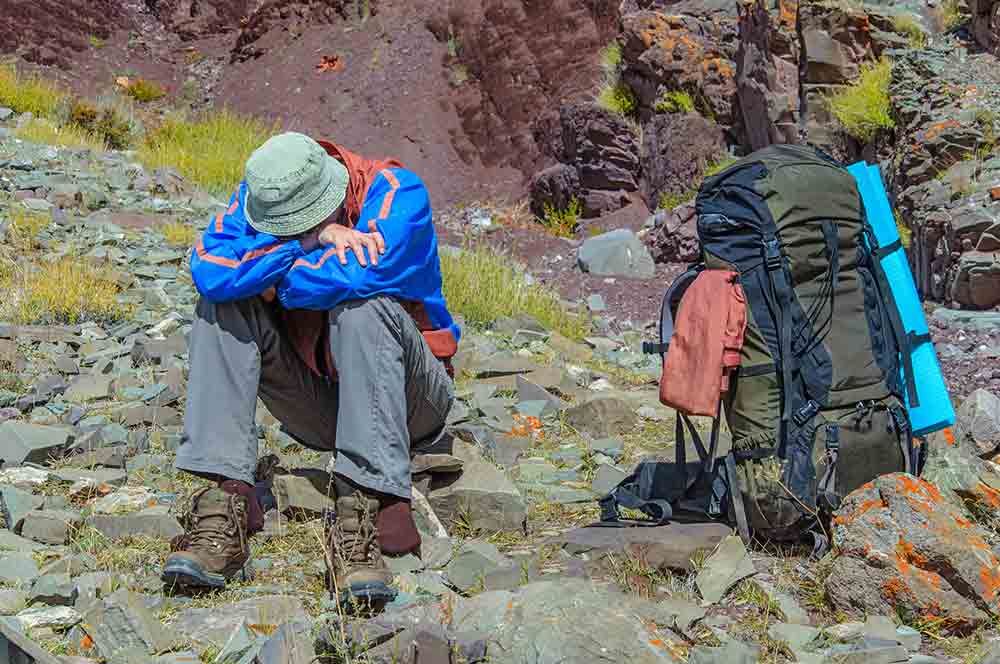
Climbing Mount Kilimanjaro with Tanzania Adventures Group is an unforgettable experience, yet adjusting to the altitude is crucial for reaching the summit safely. As you ascend, oxygen levels decrease, and without the right preparation, altitude sickness can impact your journey. Here’s how to effectively manage altitude on Kilimanjaro for a successful adventure.
Altitude sickness occurs due to lower oxygen levels at high altitudes, causing symptoms like headaches, nausea, and fatigue. Knowing how to prevent and manage it is essential for any Kilimanjaro trekker.
Climbing slowly allows your body to adapt to lower oxygen levels. Tanzania Adventures Group offers itineraries that prioritize gradual ascents, maximizing your chances of successful acclimatization.
Adding extra days for acclimatization can make a significant difference. By giving your body time to adjust, you’ll improve your chances of completing the climb without altitude issues.
Dehydration can worsen altitude symptoms. Aim to drink 3-4 liters of water daily during your Kilimanjaro ascent to help your body adapt and reduce altitude sickness risk.
Both alcohol and caffeine can dehydrate you, so limiting them during your Kilimanjaro climb is recommended. Instead, focus on hydrating drinks and nutrient-rich meals to keep your energy up.
Cardio and strength training exercises before your climb can enhance your endurance, helping your body cope better with high-altitude exertion. Focus on hiking, running, or strength-building exercises.
Some climbers use altitude medication like acetazolamide (Diamox) to aid acclimatization. Consult a doctor before starting any medication to ensure it’s suitable for your needs.
Tanzania Adventures Group employs knowledgeable guides trained to monitor altitude sickness symptoms. They’ll recommend pacing and breaks, so follow their guidance to keep your ascent safe and manageable.
“Pole, Pole” (Swahili for “slowly, slowly”) is a common phrase used on Kilimanjaro. A slower pace is beneficial, allowing your body to gradually adjust as you climb higher.
High-energy meals rich in carbohydrates and proteins are essential on Kilimanjaro. Eating well keeps your body fueled, aiding both stamina and acclimatization throughout the climb.
Resting well is essential for altitude adjustment and physical recovery. Bring essentials like earplugs or a sleeping mask to improve sleep quality, helping you recover each night.
With years of experience leading climbers on Kilimanjaro, Tanzania Adventures Group offers proven strategies and support for a successful summit. Rely on their expertise for a safer, more enjoyable climb.
By following these tips, adjusting to Kilimanjaro’s altitude becomes manageable, enabling you to fully enjoy this once-in-a-lifetime adventure. For more expert guidance, contact Tanzania Adventures Group and start planning your Kilimanjaro journey today!